Isaac Burns Murphy (1861–1896) was one of the most accomplished jockeys in American racing history. His skill and consistency set him apart during a period when horse racing was widely popular. While most of his professional achievements are well documented, not much is known of his life.
Murphy was born in 1861 in Kentucky, though sources differ on the precise location, with possibilities including Frankfort, Lexington, or nearby areas. Reliable documentation of Murphy’s childhood, his family circumstances, how, why, and when he entered horse racing, and his initial apprenticeship, is lacking.
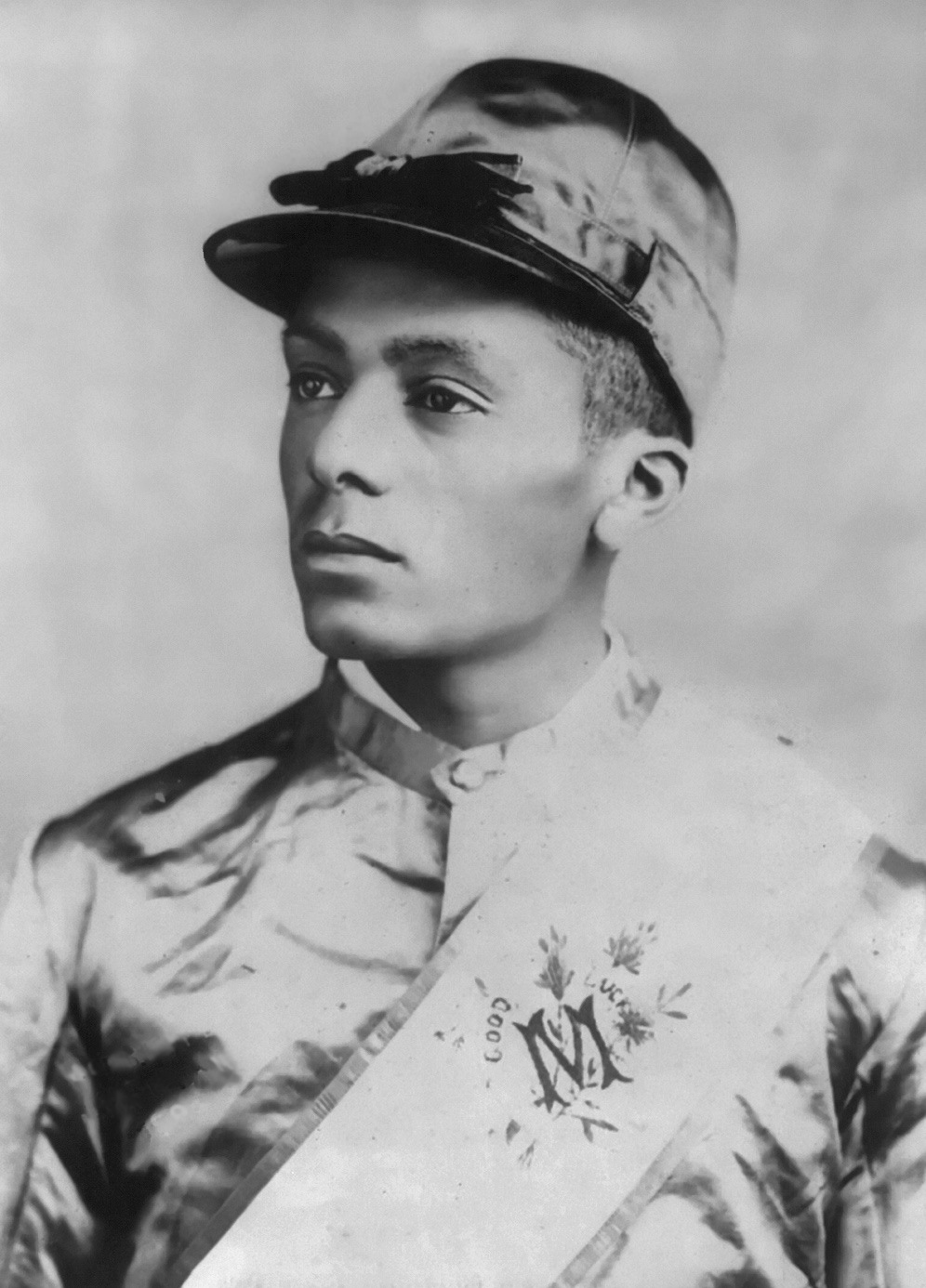
By his mid-teens, he had begun riding competitively. He quickly earned a reputation as a talented and reliable jockey. The specifics of his first race and first win remain disputed due to incomplete racing records from the 1870s. Some accounts suggest a victory at age 14 astride a filly named Glentina, but no surviving documentation confirms this conclusively.
The Kentucky Derby
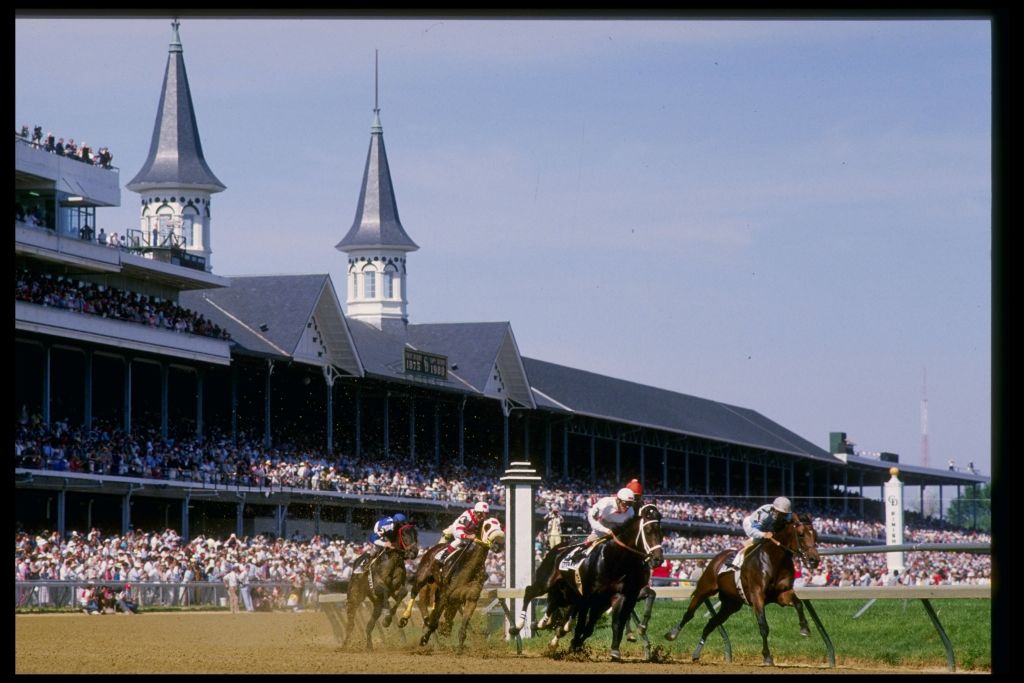
Murphy’s rise came at a time when horse racing captured widespread public attention. Tracks in Kentucky, New York, and along the East Coast drew large crowds; major race days were social as well as sporting events. Newspapers devoted extensive coverage to races. The Kentucky Derby, inaugurated in 1875, had already begun building its reputation as “The Run for the Roses,” attracting top horses, jockeys, and spectators nationwide.
The Kentucky Derby quickly became the crown jewel of American horse racing. Murphy’s three victories there placed him firmly in the event’s early history, helping define both the race’s prestige and its competitive standards.
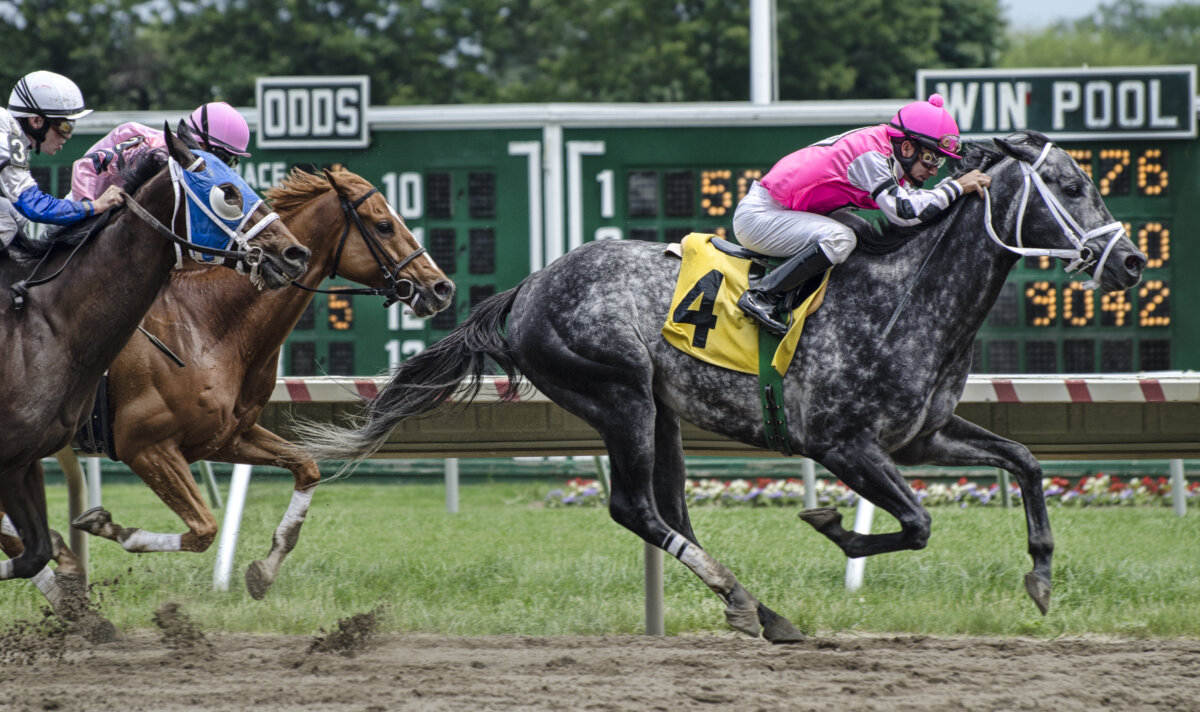
He first competed in the Kentucky Derby in 1877, finishing in fourth place. In 1884, aboard Buchanan, Murphy claimed his first Derby victory. He went on to win the race again on Riley in 1890 and on Kingman in 1891, becoming the first jockey to capture three Derby titles.
These victories solidified his reputation as a master of strategy. He could judge pacing, conserve his mounts’ energy, and execute decisive, winning moves with precision. Murphy’s ability to ride with intelligence and foresight emphasized the nuance of jockeying, demonstrating that success relied not only on courage and speed, but also on decision-making and consistency.
Murphy captured numerous stakes races beyond the Derby. Indeed, his achievements helped define an era in which horse racing held a central place in American sporting life. His dominance and reliability on the track made him a standout figure in a sport that enthralled the nation.
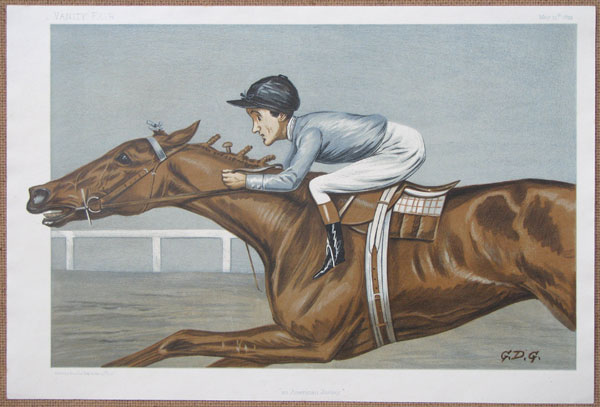
He competed at a period when jockeys routinely nabbed front-page headlines. The spotlight and interest was immense in a brisk environment that was exceptionally well stocked with talent. Tod Sloan (1874–1933) pioneered the “monkey crouch” riding style. Snapper Garrison (1868–1930) won hundreds of races and earned millions between 1880 and 1896. The Lewis Brothers, Oliver Lewis (1856–1924) and Garrett Davis Lewis(1862–1880), won several of the earliest Kentucky Derbies.
Health Troubles
By the early 1890s, Murphy, already regarded as one of the most dazzling jockeys the sport had ever seen, was confronting mounting health troubles. Years of forcing his body down to a riding weight of roughly between 105 to 110 pounds had taken a steep toll. The severe dieting, dehydration tactics, and reported reliance on alcohol to shed pounds left him increasingly fragile and vulnerable.
In 1891, however, he experienced a brief resurgence. That season brought his third and final Kentucky Derby victory aboard Kingman and an impressive overall win rate of about 28 percent. His rebound was short-lived. From 1892 through 1894, his career contracted sharply. He rode far less often, was booked largely on inferior mounts. His results reflected the decline—six wins in 1892, four in 1893, and none at all in his seven recorded starts in 1894.
This period also became clouded with controversy. Persistent rumors circulated about his drinking. An incident at Monmouth Park only intensified the scrutiny. After finishing poorly in one race, Murphy appeared visibly unsteady, prompting stewards to suspend him. Supporters countered that he had been drugged without his knowledge, though no definitive proof ever surfaced.
Murphy’s final professional ride came on Nov. 13, 1895, at the Kentucky Association track. Perhaps fittingly, he closed his storied career with a flourish, guiding an 8-1 long shot named Tupta to victory, one last reminder of the brilliance that had defined his prime.
Murphy passed away on Feb. 12, 1896, in Lexington, Kentucky, at the age of 35. Pneumonia was reported as cause of death.
Murphy’s legacy endures not only in the marks he set, but also in the esteem he earned from horsemen, owners, and the racing public. He exemplified a combination of unruffled intelligence and steely fortitude, and his career continues to serve as a benchmark for distinction in American horse racing.
Despite gaps in what is known of his early life, first victories, statistical records, and deeper inner struggles, the certainty of his achievements on the track and his impact on the sport remain clear.
What arts and culture topics would you like us to cover? Please email ideas or feedback to features@epochtimes.nyc