Across the country, entire towns have been preserved or reimagined to show how Americans once lived, worked, and celebrated. From Colonial streets to districts lined with buildings from past eras, these living museums bring the past to life.
Colonial Williamsburg, Virginia
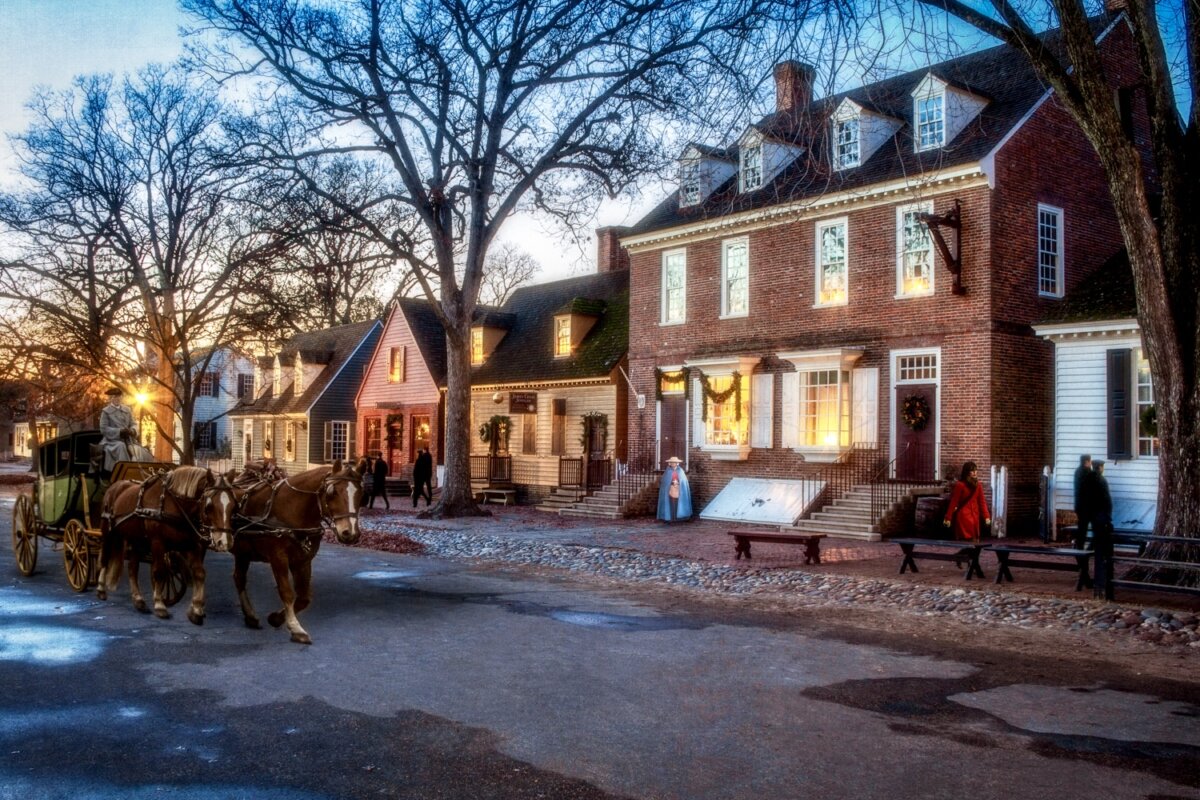
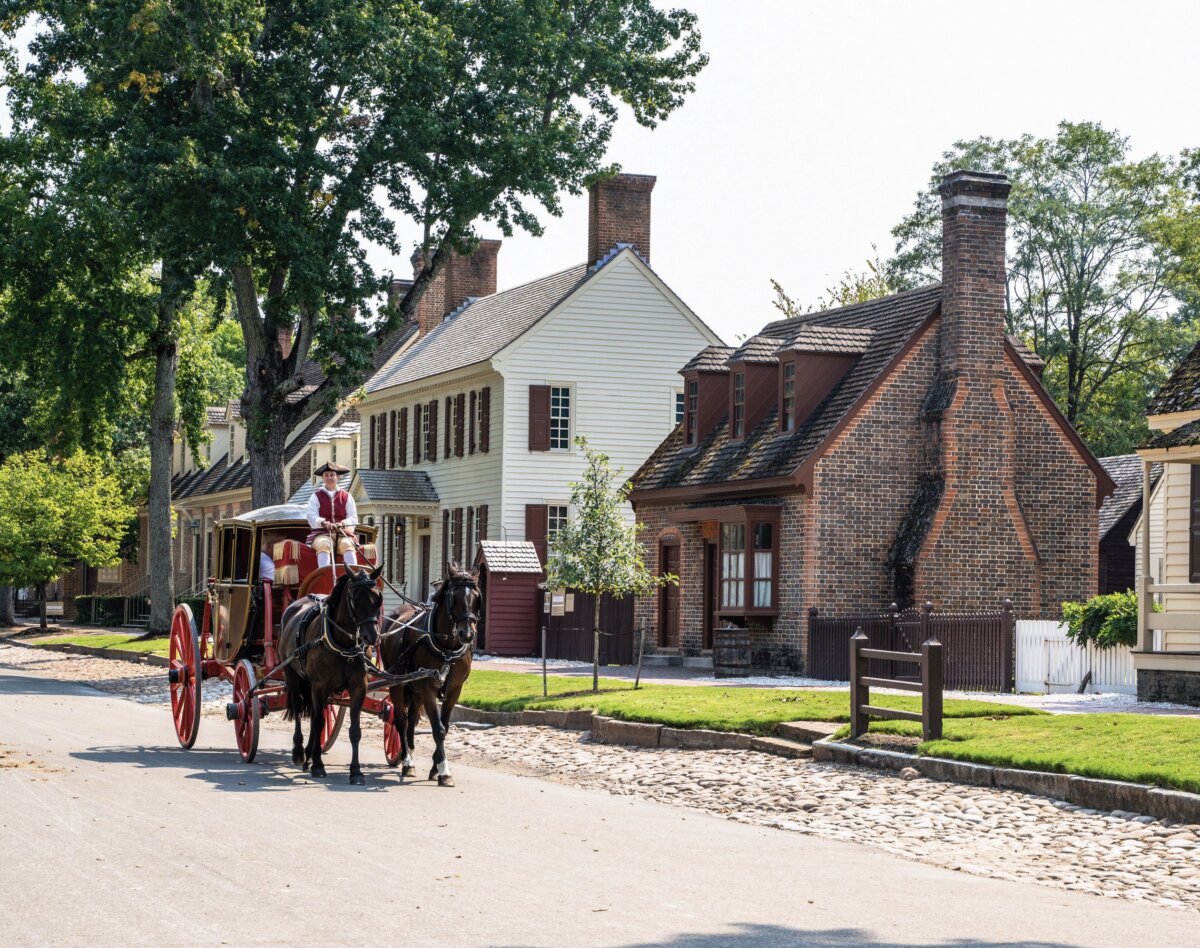
Once the 18th-century capital of Colonial Virginia, Williamsburg spans 301 acres of restored streets and reconstructed buildings. More than 300 recreations and dozens of original structures from the 1700s can be found on the grounds, and interpreters in period attire showcase daily life before and during the Revolution. Tour landmarks like the Governor’s Palace and Williamsburg’s Capitol, stop at taverns and the market square, and stay overnight in one of Williamsburg’s historical lodgings for a deeper glimpse into early America.
Greenfield Village, Michigan
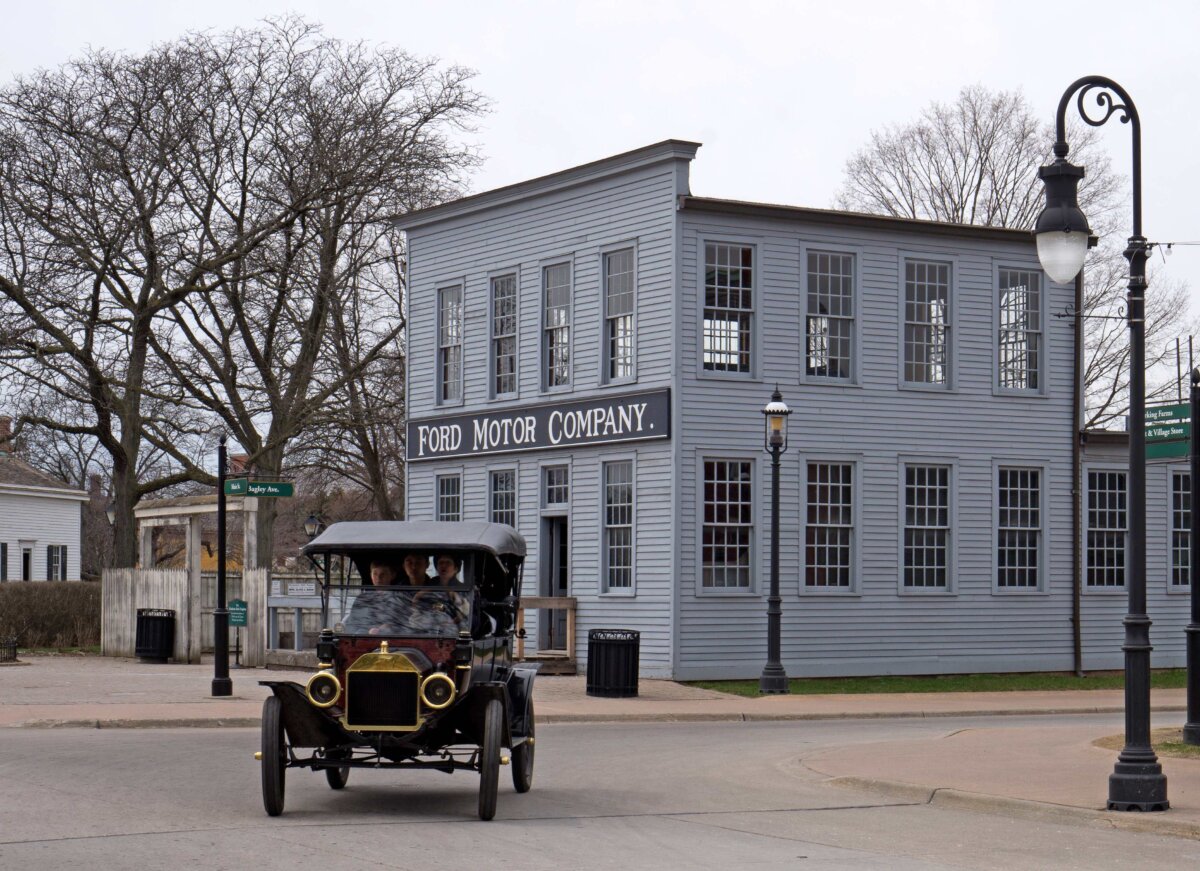
This open-air museum sits just outside Detroit in the city of Dearborn, right next to the Henry Ford Museum. Greenfield Village was born from the Ford Motor Company founder’s desire to relocate and restore his childhood home. It now houses seven historic districts, each offering its own unique sights. Guests can explore a 19th-century-era working farm, hop aboard an old steam locomotive, and tour Ford’s birthplace. You can even cruise along in a restored Model T or tuck into old-fashioned dishes at the various eateries and snack shops sprinkled across the village.
Mystic Seaport, Connecticut
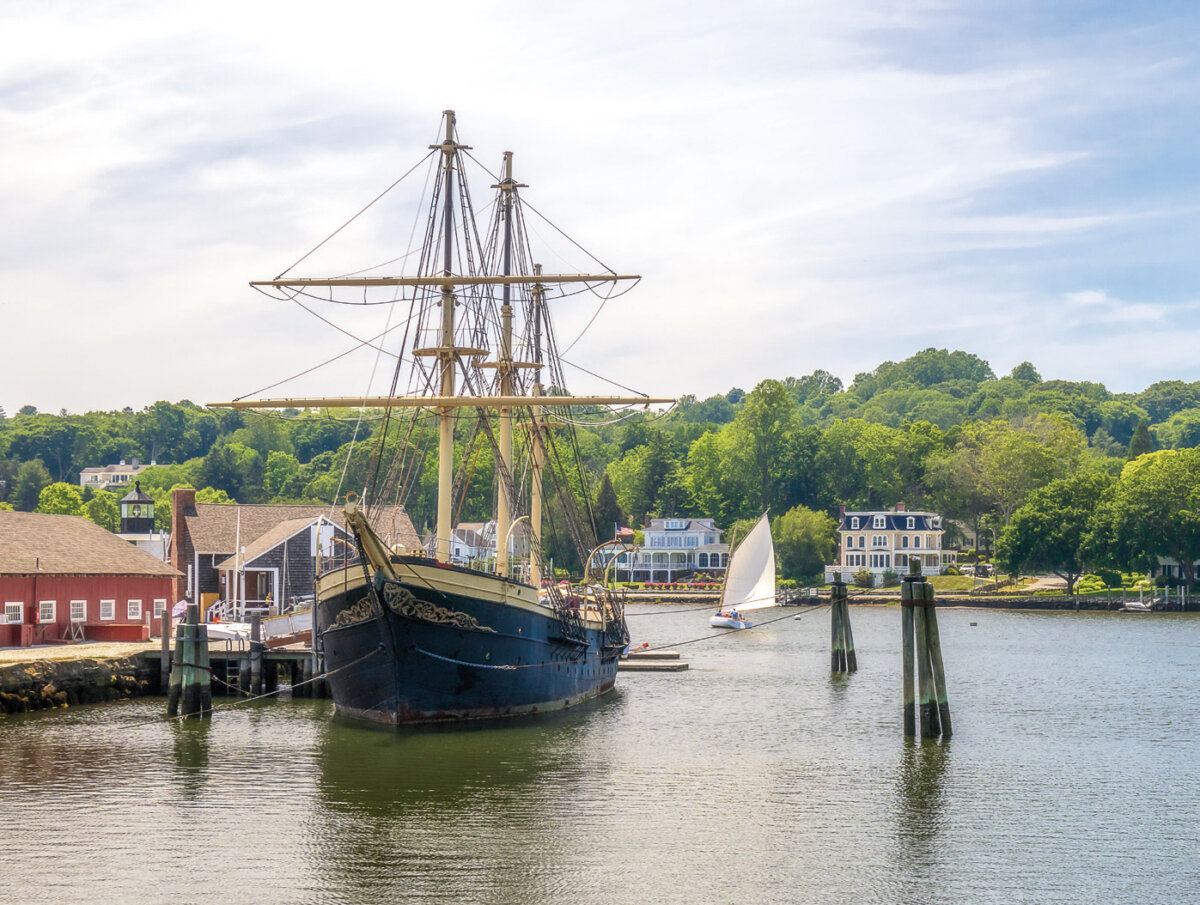
Maritime roots run deep in Mystic, a small Connecticut community settled back in the mid-17th century. If the name sounds familiar, it might be because of the 1988 romantic comedy “Mystic Pizza,” inspired by a local pizza parlor of the same name. Mystic Seaport Museum harbors a vast collection of historic watercraft, including the last wooden whaling ship in the world, the Charles W. Morgan, built in 1841. The museum’s recreated 19th-century village features active workshops, including blacksmiths, ship carvers, and barrel makers.
Old Sturbridge Village, Massachusetts
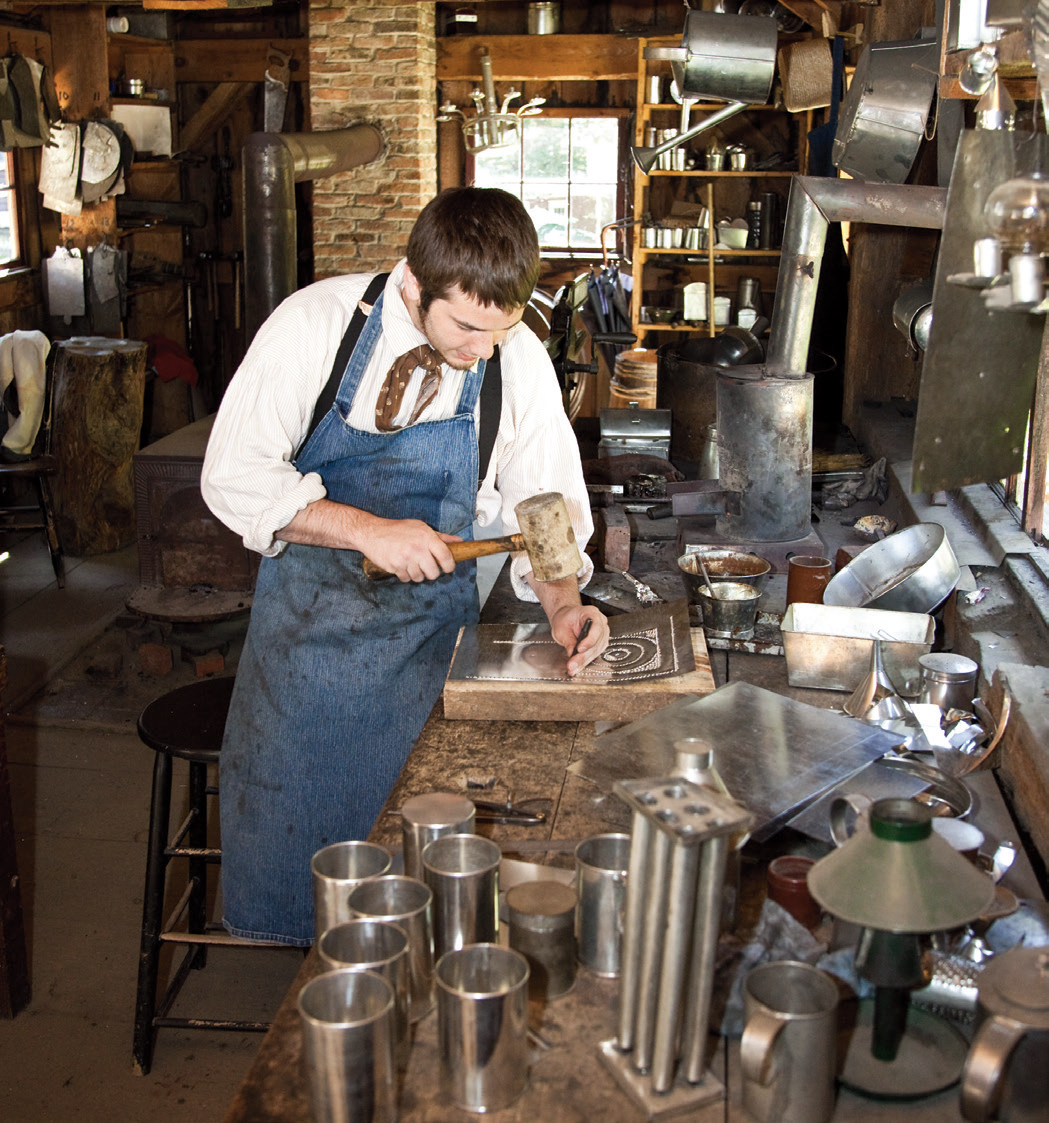
Old Sturbridge Village represents the beating heart of an early-19th-century New England town and is flanked by heirloom gardens and an idyllic countryside. Dirt pathways wind through a bevy of meticulously restored structures—working farms, old homes, trade shops, water-powered mills, and the like—all of which stand alongside the waters of the Quinebaug River. Be sure to stop by the Quinebaug River Reservoir to see two of Massachusetts’s last remaining covered bridges.
Conner Prairie, Indiana
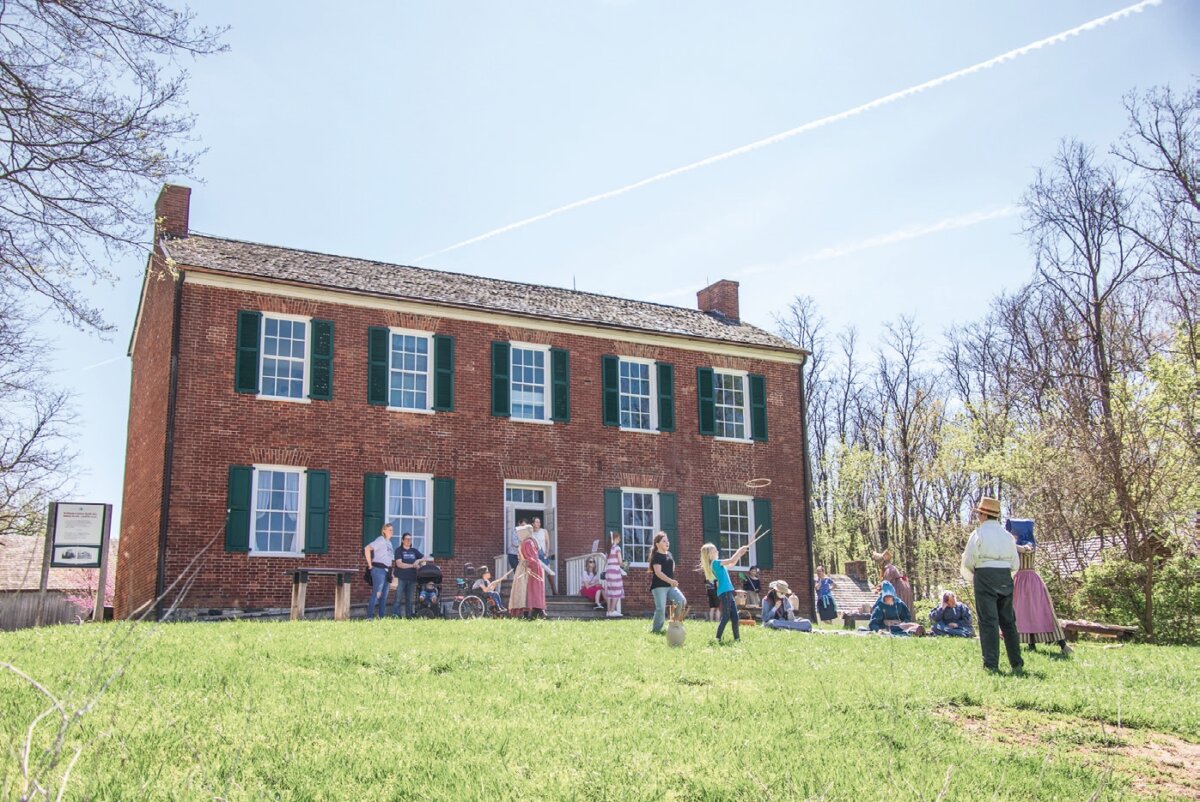
Once the riverside home of fur trader and statesman William Conner, this Federal-style house now anchors Conner Prairie—Indiana’s first Smithsonian-affiliated museum. The two-story red brick house, perched atop a hill on the east bank of the twisting White River, blends history with hands-on exploration. Stroll through the village of Prairietown, meet rare breeds of heritage livestock, and climb the museum’s towering tree house.
This article was originally published in American Essence magazine.