



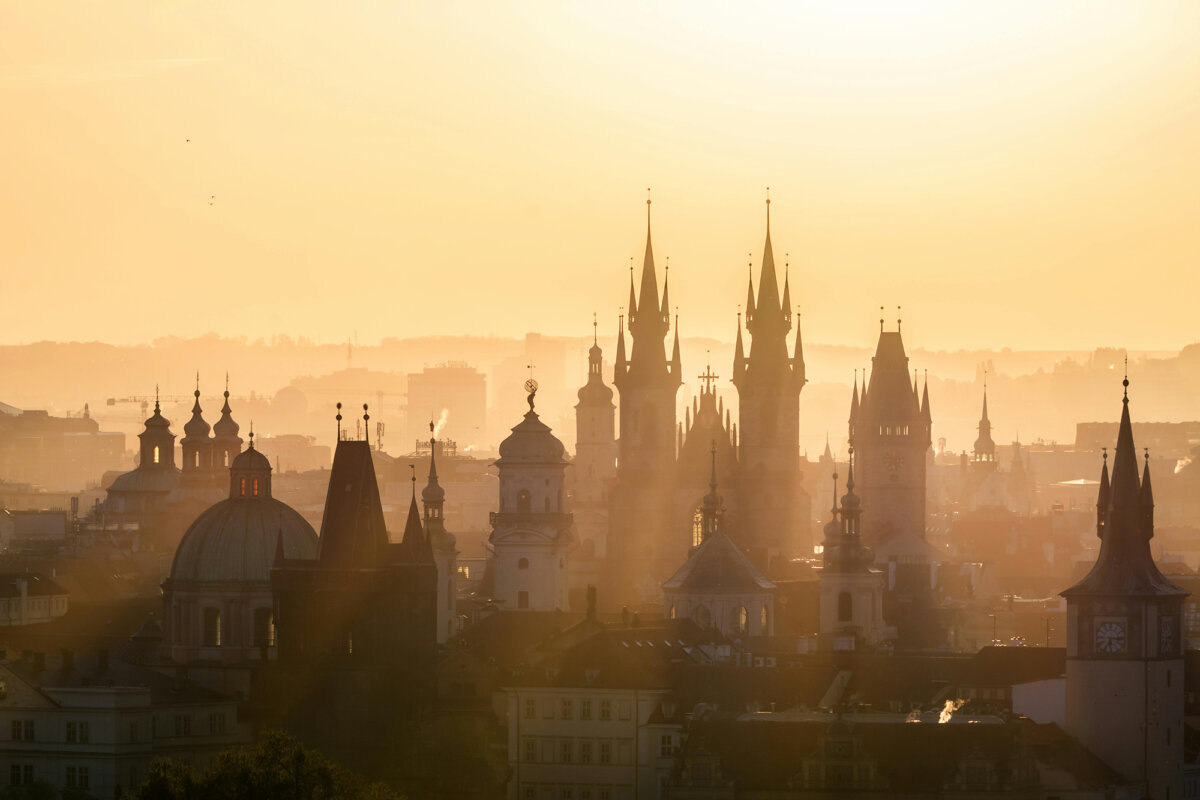
“They call this the city of a hundred spires,” the guide told me as we walked the cobblestones of Old Town. But the truth is, there’s more. A lot more. Estimates vary, but Prague probably has between 500 and 1,000 towers, steeples, and other lovely spires reaching into the sky.
The capital of the Czech Republic is, in so many ways, a living, breathing, open-air museum. Spared most of the bombing that devastated so many other historic European cities during the Second World War, much of the medieval and baroque architecture here has been preserved. But it’s not just the buildings.
The World’s Weirdest Elevators
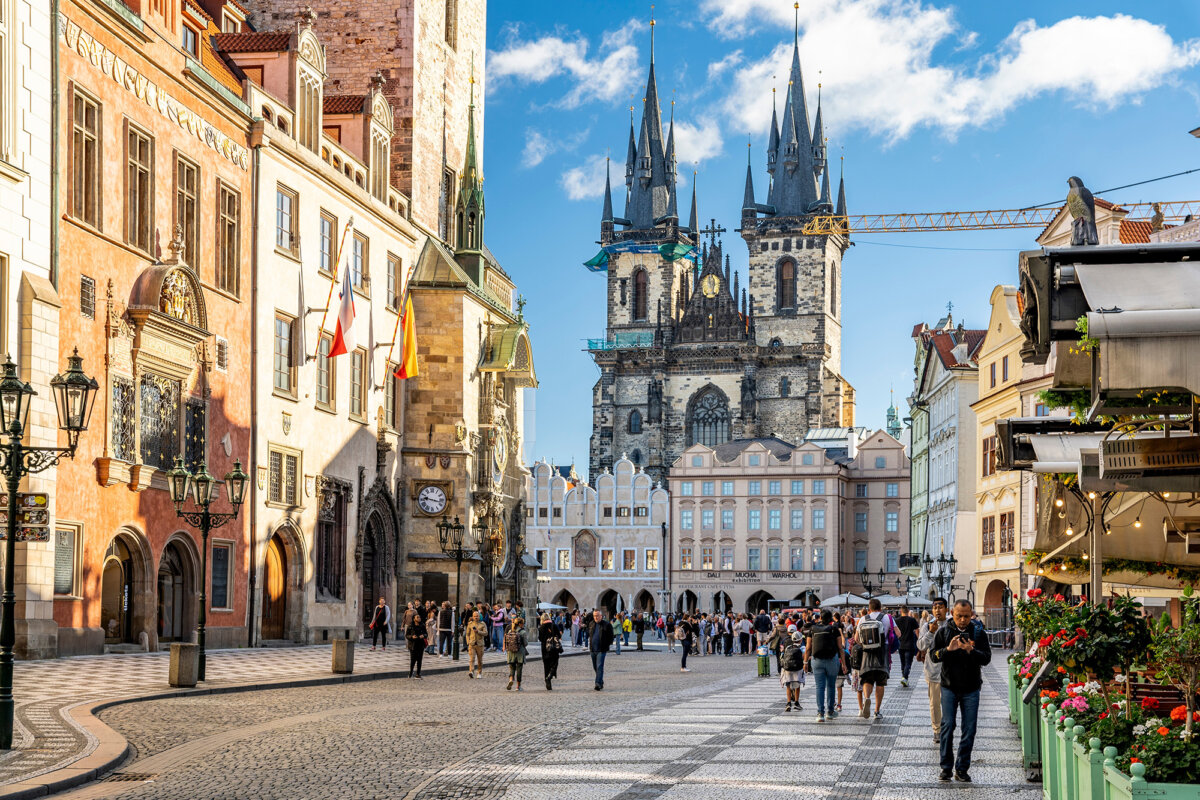
Over the course of perhaps a dozen visits, I’ve learned that Prague’s a city that rewards those who wander. Where you can find so many wonders, away from the crush of the crowds. So, yes, start with the main attractions. Go to Old Town Square, and marvel at the Astronomical Clock and its procession of the 12 apostles. Ride to the top of the Old Town Hall Tower and enjoy sweeping views. A visit to the square at dusk or after dark is particularly dramatic. The twin gothic towers of the Church of Our Lady Before Tyn rise more than 250 feet over the crowds—they also glow slightly ominously.
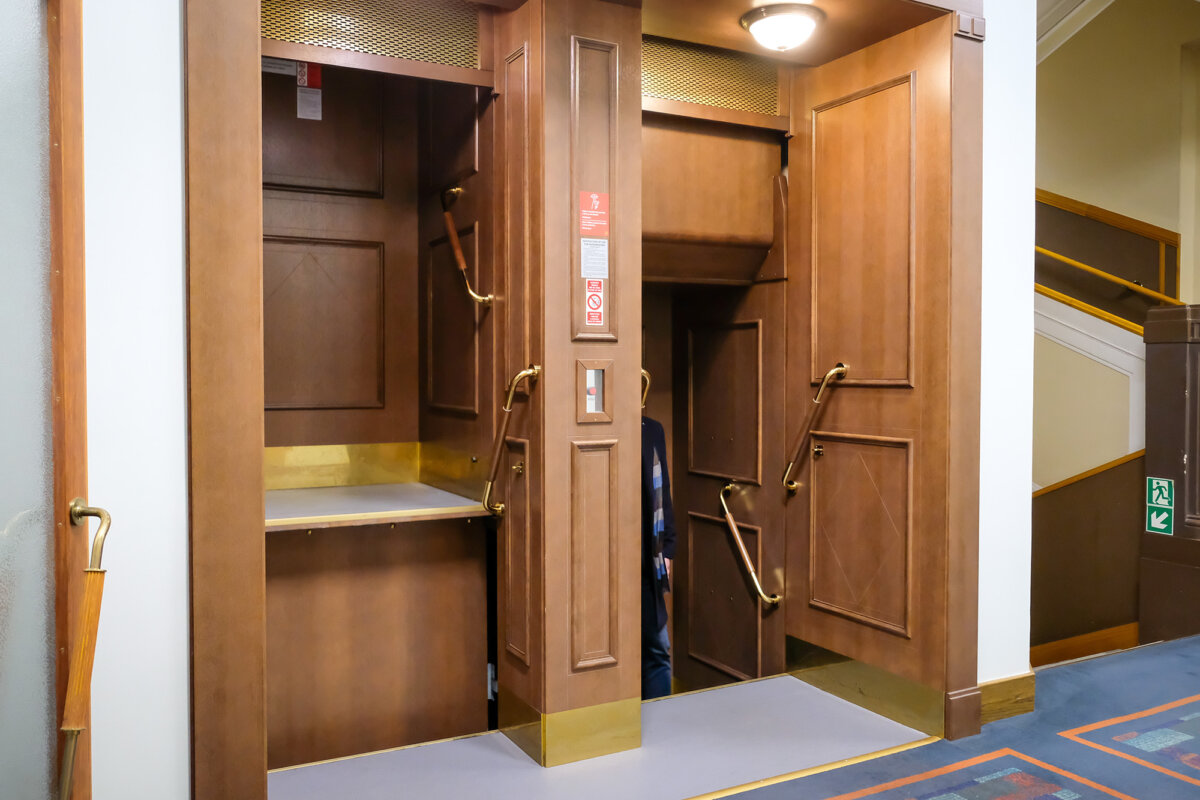
But then, escape to less-explored corners of the city—starting with one of the quirkiest attractions I’ve ever visited. Just a couple blocks away from Old Town Square, you can take a 45-minute guided tour of city hall. While the building itself is graceful, the main draw here is definitely the paternoster.
These elevators exist almost exclusively in Germany and Czechia. Few, if any, have been built since the 1970s because of safety concerns. Compartments rotate constantly, without stopping.
There’s no need to press any buttons because the chambers have no doors. You simply step on, say, on the ground floor, and step off when you reach floor seven or eight or wherever you’re going. Timing up entry and exit can be a slightly adrenaline-enhancing experience. (The name, paternoster, means “our father” in Latin, and is rooted in the physical similarities between the loop pattern of the elevator, and the look of rosary beads.)
Famous Composers and Ancient Bridges
Once you’ve had a couple rides, continue toward the Charles Bridge, just a couple blocks away. If it’s not too early, pop into the Four Seasons Hotel Prague. This low-key, super-upscale hotel unites several historic buildings. Even if you don’t stay the night, pull up to the bar and ask about the absinthe ritual. This storied and sometimes infamous spirit has a long history in the city, and the ritual is a flaming, unforgettable way to consume it. (I won’t say more, lest I ruin the surprise.)
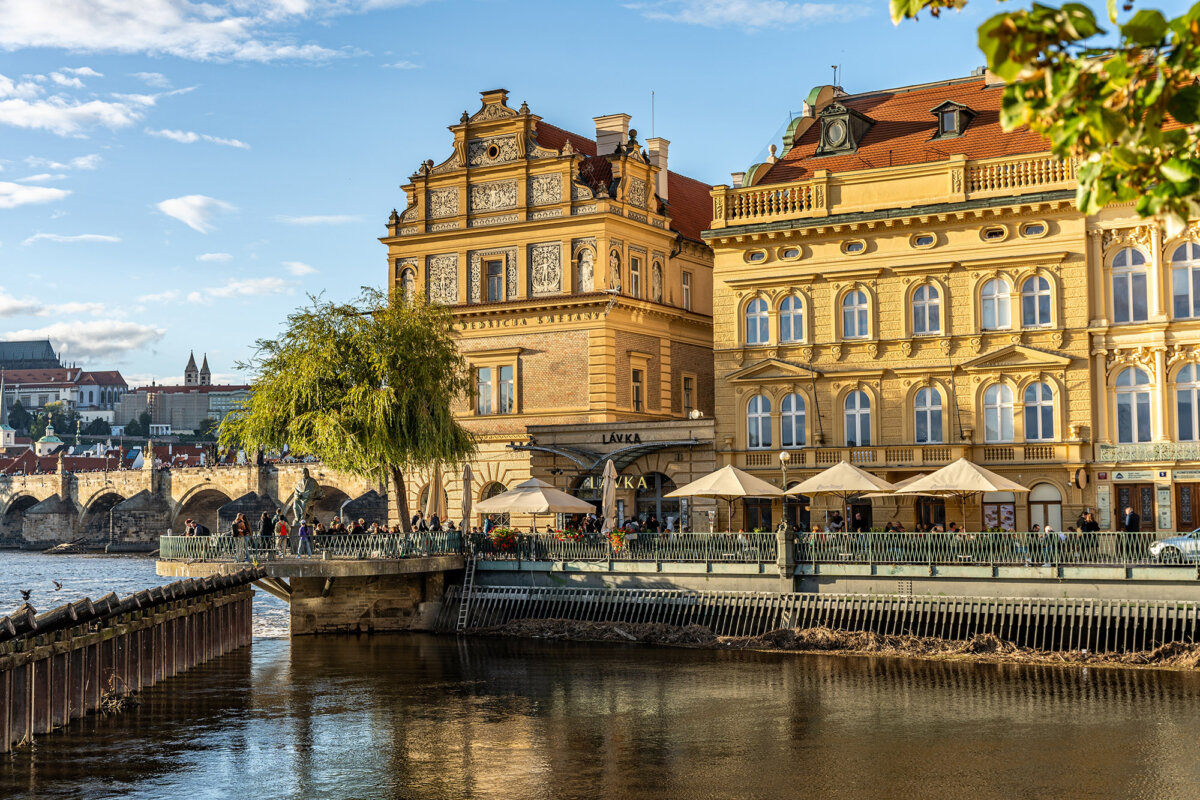
Take a few minutes to visit the nearby Bedrich Smetana Museum. We all know about Wagner and Mozart and Strauss and Beethoven, but Smetana remains under the radar even for avid fans of opera and symphony. The building itself is worth the visit—it’s a former waterworks station that remains one of the loveliest Neo-Renaissance buildings in Prague.
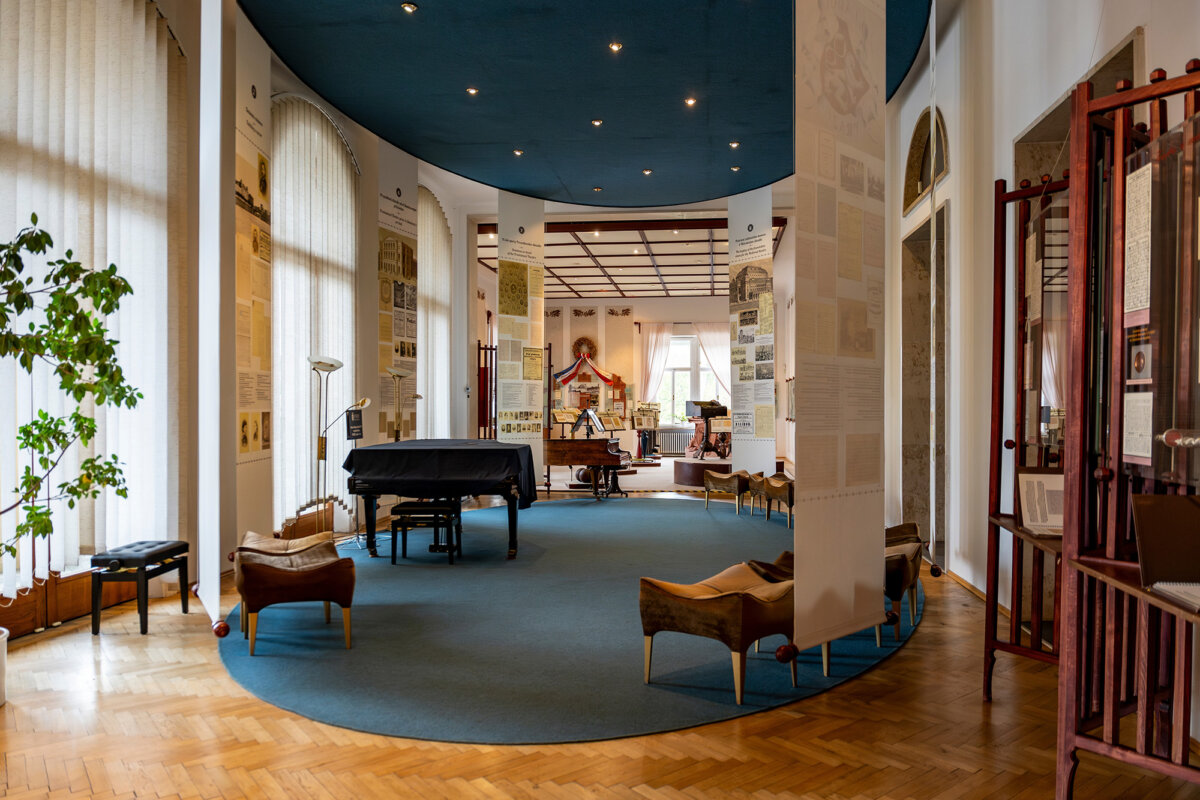
Smetana was a fascinating man. He is still generally regarded as the father of Czech music. In the second half of the 19th century, after success abroad, he returned to cultivate and champion opera in his home country. His best-known work in the genre is called “The Bartered Bride.” And his six symphonic poems, “Ma Vlast (My Fatherland),” are often presented together in six movements. It is a work beloved by Czechs. The museum itself contains musical instruments and handwritten compositions and other elements from a remarkable life.
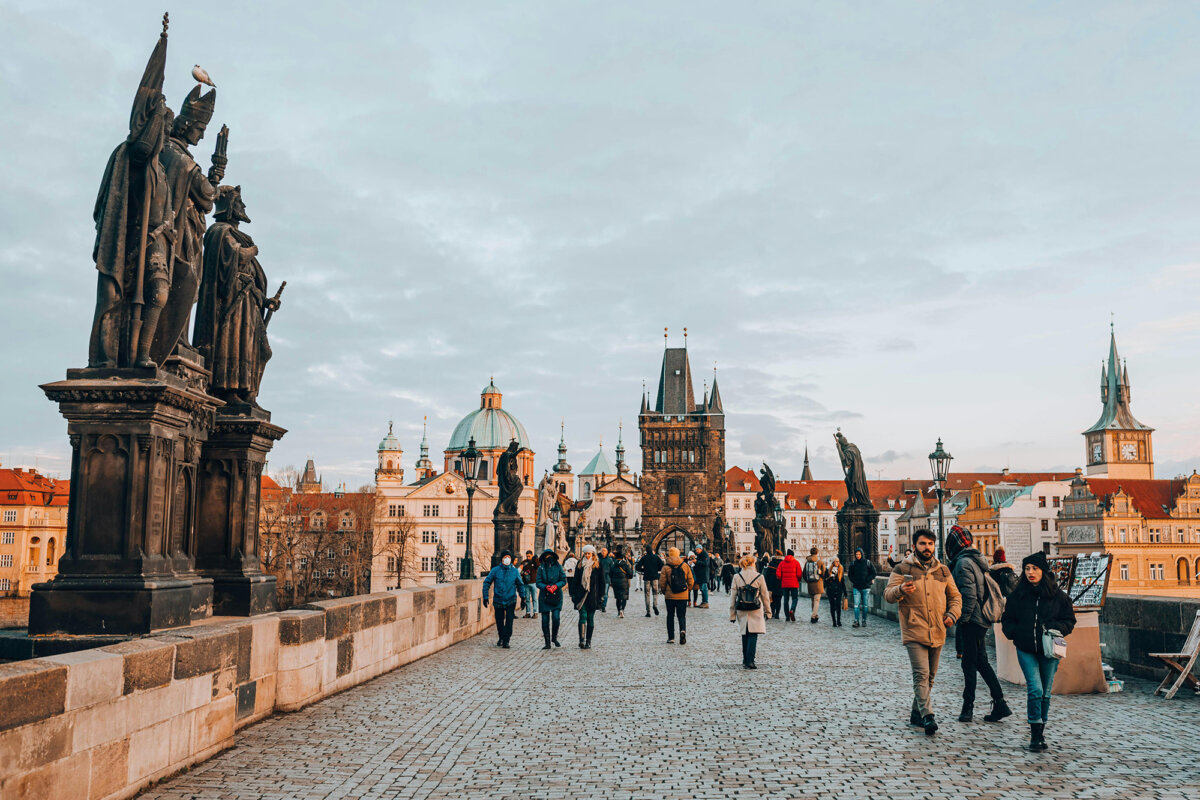
Just a couple minutes away on foot, the Charles Bridge is definitely one of the city’s biggest attractions. And for good reason, really. Still a proud son of the city, the man who would go on to become Charles IV, Holy Roman Emperor, and King of Bohemia, was born in Prague in 1316.
Construction on the bridge that bears his name began in 1357. While many tourists stride out on this stone span, snap a couple photos, and then continue onward, it’s worthwhile to tarry here. Appreciate the Gothic and Baroque architecture. Do a little research online beforehand to fully understand the 30-plus statues that line the sides and the stories behind them.
Cruising the Vltava
And then, head for the water. The Vltava River (often known by its German name, the Moldau) might be one of Europe’s most underappreciated rivers. While an evening cruise on the Danube is an essential part of any Budapest visit, similar to the bateaux mouches in Paris, few visitors to Prague get a chance to experience the aquatic heart of the city.
It’s a shame, because a boat cruise on the Vltava is really cool. It is the longest river in the country, running almost its entire width. A tour with a company like Prague Boats will give a fresh perspective on those hundreds of spires and the city’s famous castle, high up on a promontory overlooking everything.
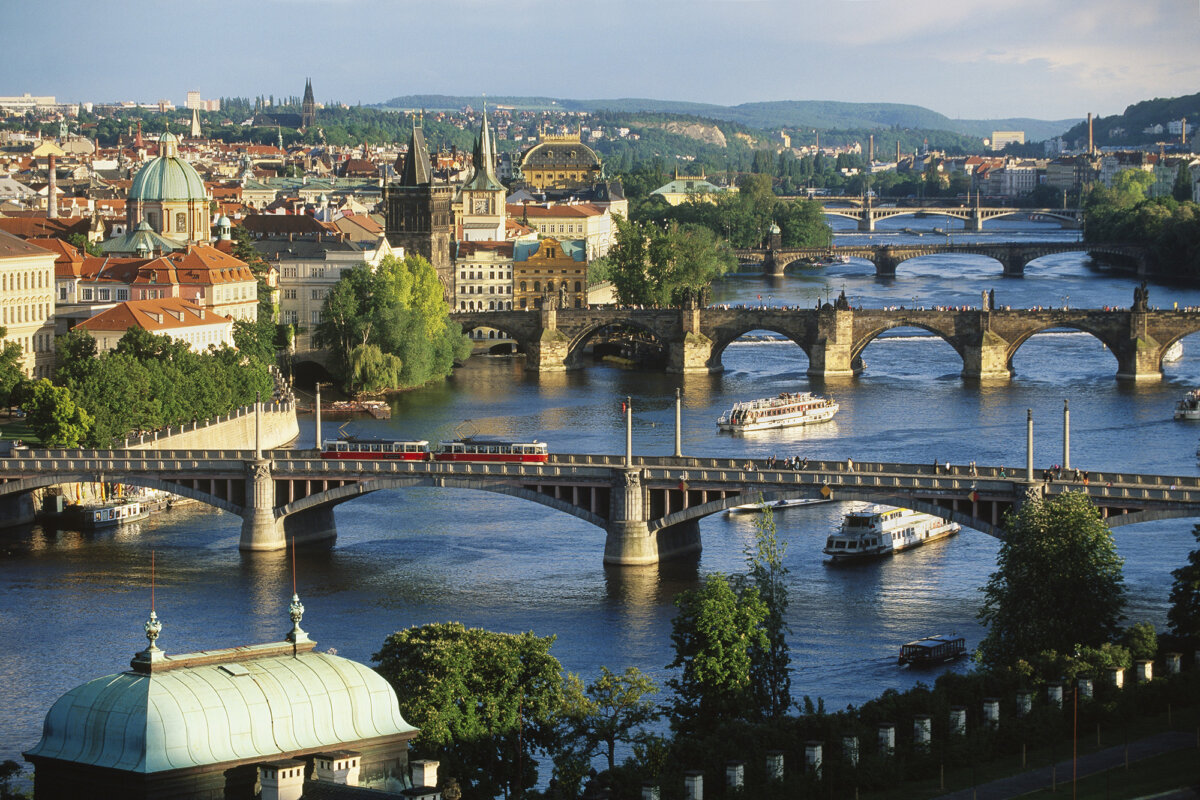
You’ll cruise under the sandstone arches of the Charles Bridge and to hidden corners of the river, including the Devil’s Channel and tucked-away tunnels. If you’re lucky, they’ll play the second movement of Smetana’s “Ma Vlast”—which is dedicated to this very river and is the most adored part of the whole piece.
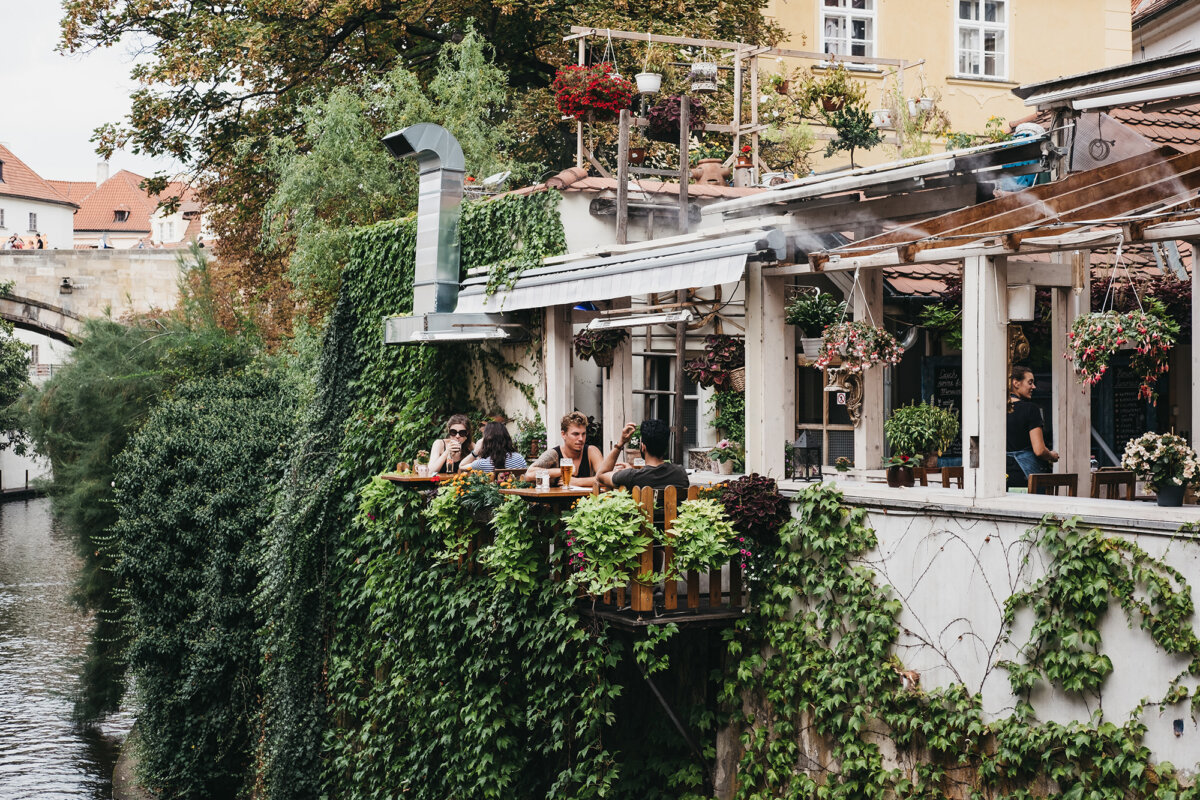
Then, wind down in the Lesser Town, on the far side of the bridge. Since it’s far less touristed, you’ll have a chance to bump into real Prague citizens. Browse the used bookstores and pop into small chapels. Then find a favorite local pub for a pint of the famous Czech pilsner and a steaming plate of bread dumplings, which will help you recharge for more adventures.
If You Go
Arrival: Prague’s Vaclav Havel Airport (PRG) is about 10 miles from the center of the city. Compact and easily navigable, the airport was named for the poet, playwright, and key figure in the Velvet Revolution. Most flights arrive from other European capitals, although an increasing number of seasonal nonstops are flying from North America—including New York, Philadelphia, and a new route from Toronto.
Stay: A few nights at The Julius is worth the trip to Prague. Right on the edge of Old Town, the hotel was created within a marvelous neo-Renaissance building. Each room is really a stylish apartment, with separated living and sleeping spaces and kitchens. (And, noteworthy, it houses some of the best soaking tubs you’ll find anywhere.) Tarry at the bar for a craft cocktail, then enjoy dinner at the Brasserie.
Getting Around: Prague’s public transit system, which includes a subway, buses, and lots of trams, is safe, fast, and efficient. A 24-hour day pass is worth it, with unlimited rides for a little more than $5.
Take Note: While you could spend weeks in Prague and never run out of fun things to do, I’d recommend getting out of town as well. A company called DayTrip will pick you up at your hotel, organize all the details, and pair you with an expert guide. Three popular options include medieval Cesky Krumlov, the spa town of Karlovy Vary, and Pilsen, the famous birthplace of Pilsner.
