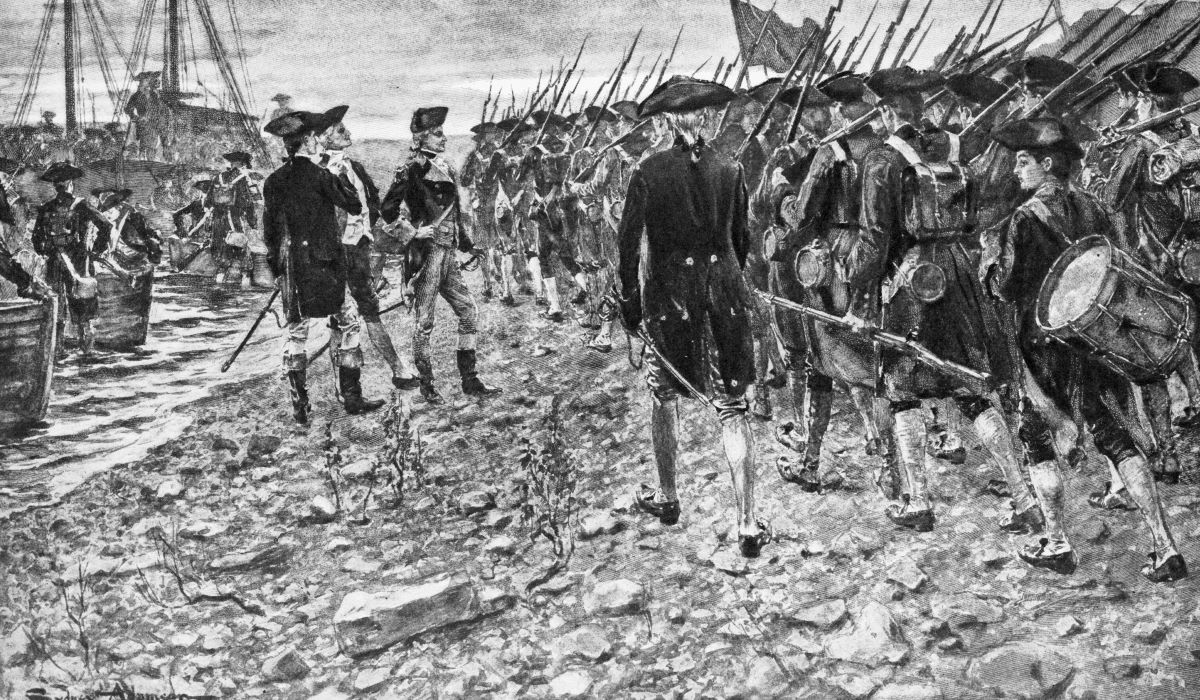
Gen. Thomas Gage—governor of Massachusetts Bay and commander-in-chief of British military forces in North America—was about to become one of the Revolutionary War’s earliest casualties. In the wake of the Battle of Bunker Hill, Gage sent Lord Dartmouth, Britain’s secretary of state for the Colonies, an account detailing the June 17 engagement and the horrific losses his command had suffered. Three days after receiving Gage’s report, Dartmouth issued orders recalling him to London.
“Captain Chadds arrived with your Dispatch of the 25th of June, containing an Account of the Action on the 17th,” Dartmouth wrote to Gage. “The King is led to conclude that you have little Expectation of effecting any thing further [from] this Campaign, and has therefore commanded me to signify to you … after you receive this Letter, return to England, in order to give His Majesty exact Information of every thing … to prepare as early as possible for the Operations of the next year.”
Four days after receiving Dartmouth’s letter on Sept. 26, 1775, Gage replied, “I shall [obey] His Majesty’s Commands by embarking for England as soon as possible.” After transferring his authority to Gen. William Howe in the American colonies and to Gen. Guy Carleton in Quebec, Gage sailed home from Boston on Oct. 11. His 20-year military career in North America—one that included serving alongside George Washington in the disastrous Braddock Expedition—had come to an end. But Gage’s departure neither eased tensions nor ended hostilities; instead, the Revolutionary War continued expanding across the continent—dividing friends, families, and loyalties.
Dr. Benjamin Church: American Traitor
Dr. Benjamin Church had been everything the Patriot movement needed: a surgeon, organizer, and respected leader within the Sons of Liberty, the Massachusetts Provincial Congress, and the Committee of Safety. In July 1775, the Second Continental Congress appointed him the first “Director General and Chief Physician of the Hospital of the Army.”
He was also a traitor: a spy for Gen. Gage.
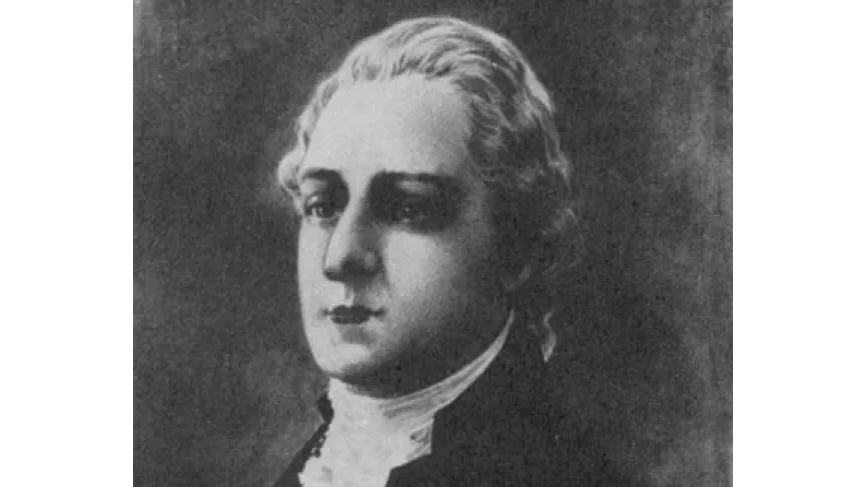
Church’s deception was exposed in October 1775, when an encrypted letter addressed to Maj. Cane, a British officer in Boston, was intercepted and delivered to Gen. Washington. Once deciphered, it revealed sensitive intelligence about Continental Army strength and movements around Boston, as well as earlier attempts that Church had made to contact Gage.
Church admitted to sending the letter but denied treason, insisting he sought only to prevent a British attack. Few believed him. He was arrested, court-martialed, convicted, briefly imprisoned, and later confined under house arrest. Maintaining his innocence, Church was eventually banished from the United States in 1778 and exiled to the Caribbean. The ship—and all aboard—were lost at sea.
Some wondered whether Church had been wrongly condemned. But any lingering doubt vanished after 1930, when Gen. Gage’s documents, maps, correspondence, and intelligence reports—left behind after his recall from Boston and preserved by his descendants—were acquired by the University of Michigan. Among the collection housed at the school’s William L. Clements Library were records confirming Church’s direct involvement in espionage and treason. By the end of the war, however, his notoriety would be eclipsed by a far more infamous turncoat.
Benedict Arnold: American Hero
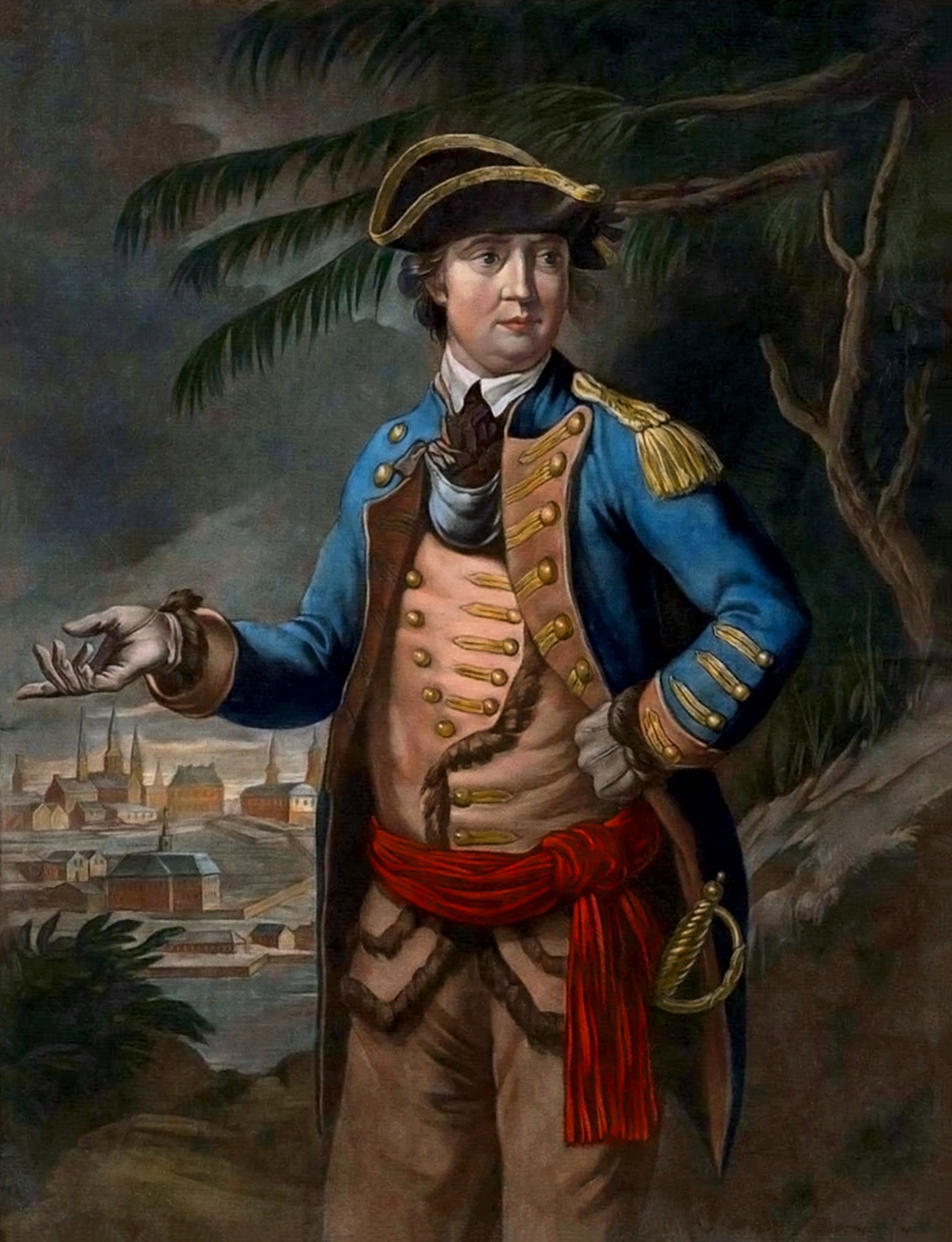
Long before his treasonous activities were uncovered in 1780, Benedict Arnold ranked among the Revolutionary War’s most daring and courageous officers. After helping seize Fort Ticonderoga and conducting a successful raid on Fort Saint-Jean in Quebec, Col. Arnold believed he was the natural choice to lead an invasion of Quebec—thereby denying Britain its northern base of operations. Many believed the French-speaking Canadians would rally to the Patriot cause—perhaps as a “14th colony”—and fight alongside the Continental Army.
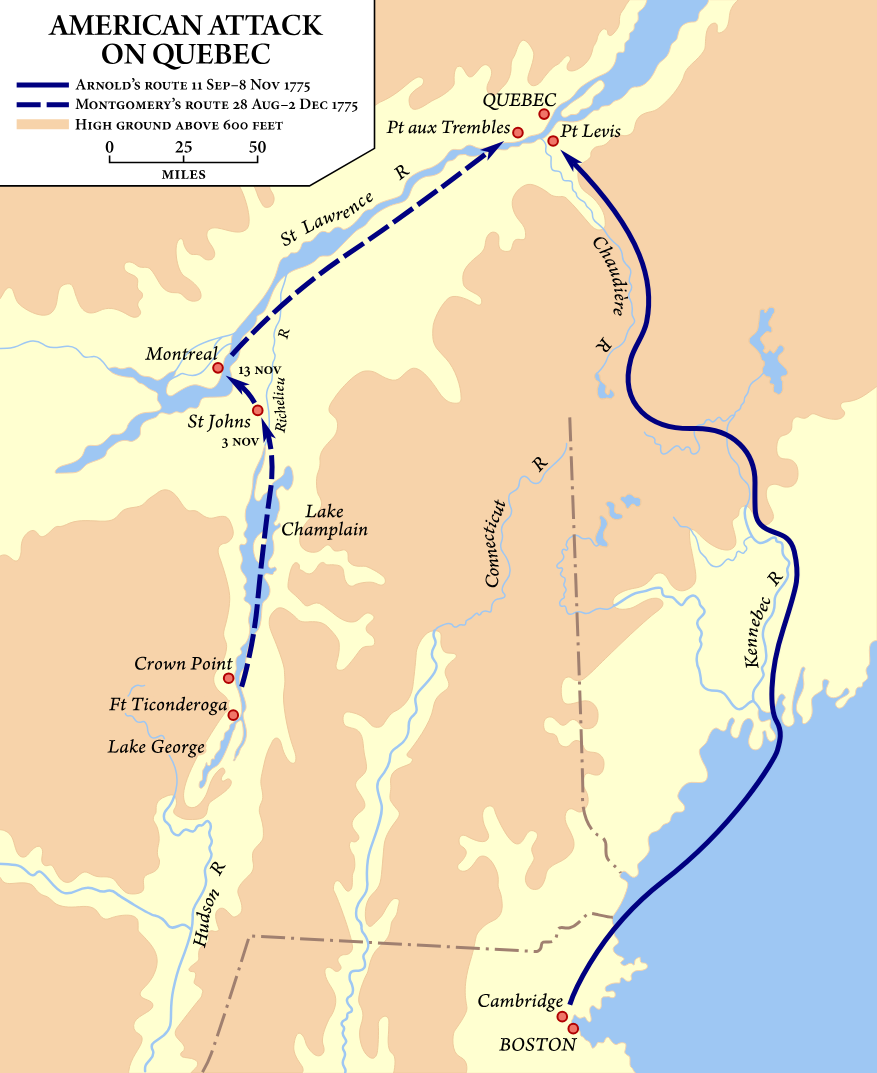
Much to Arnold’s disappointment, the Second Continental Congress assigned command of the invasion force to Gen. Philip Schuyler. Refusing to be sidelined, Arnold approached Gen. Washington with an ambitious proposal: While Schuyler’s main force advanced toward Montreal along the Richelieu River, he would lead a second force by way of a more unorthodox route through Maine’s treacherous wilderness, navigating a chain of rivers in shallow-draft boats and striking Quebec City from the direction the British least expected. Arnold estimated the 180-mile journey would take 20 days. Once both forces seized Montreal and Quebec City, the province would fall.
Impressed with the proposal, Washington approved the plan. Arnold gathered his force of 1,100 Continental soldiers—among them Daniel Morgan and a young Aaron Burr—and departed Cambridge, Massachusetts Bay on Sept. 11 for the Kennebec River.

Along the Richelieu River
On Sept. 4, Gen. Philip Schuyler led the invasion force north into Quebec along the Richelieu River, securing Ile aux Noix. For the next three months, the force was hampered by swampy terrain, disease, exposure, and raids by Native American warriors. Schuyler soon fell ill and relinquished command to Gen. Richard Montgomery.
Gen. Montgomery pressed on until he encountered strong resistance from Fort Saint-Jean, now heavily reinforced following Arnold’s raid in May. On Sept. 17, the Continental Army initiated a siege on the fort that stretched into November despite reinforcements from the Green Mountain Boys under Seth Warner. Concerned that the British might attempt to break the siege with a relief column from Montreal or nearby Fort Chambly, Montgomery dispatched Col. Ethan Allen and Maj. John Brown to assist Col. James Livingston, a New York patriot living in Quebec, in recruiting local militia.
Allen Attacks Montreal
According to “The Narrative of Colonel Ethan Allen’s Captivity,” after a week of recruiting, Allen and Brown believed they had gathered enough volunteers to seize Montreal themselves. Many historians dispute this account, suggesting Allen resented losing command to Warner and sought to restore his reputation by single-handedly capturing the city.
What is undisputed is that Montgomery never authorized an assault on Montreal.
On the night of Sept. 24, Allen and 110 men crossed the St. Lawrence River from Longueil and landed at Longue-Pointe on the Isle of Montreal. Brown’s force, Allen claimed, was supposed to cross upriver from La Prairie with 200 Americans and Canadians, but they never made the attempt—leaving Allen isolated with his small detachment.
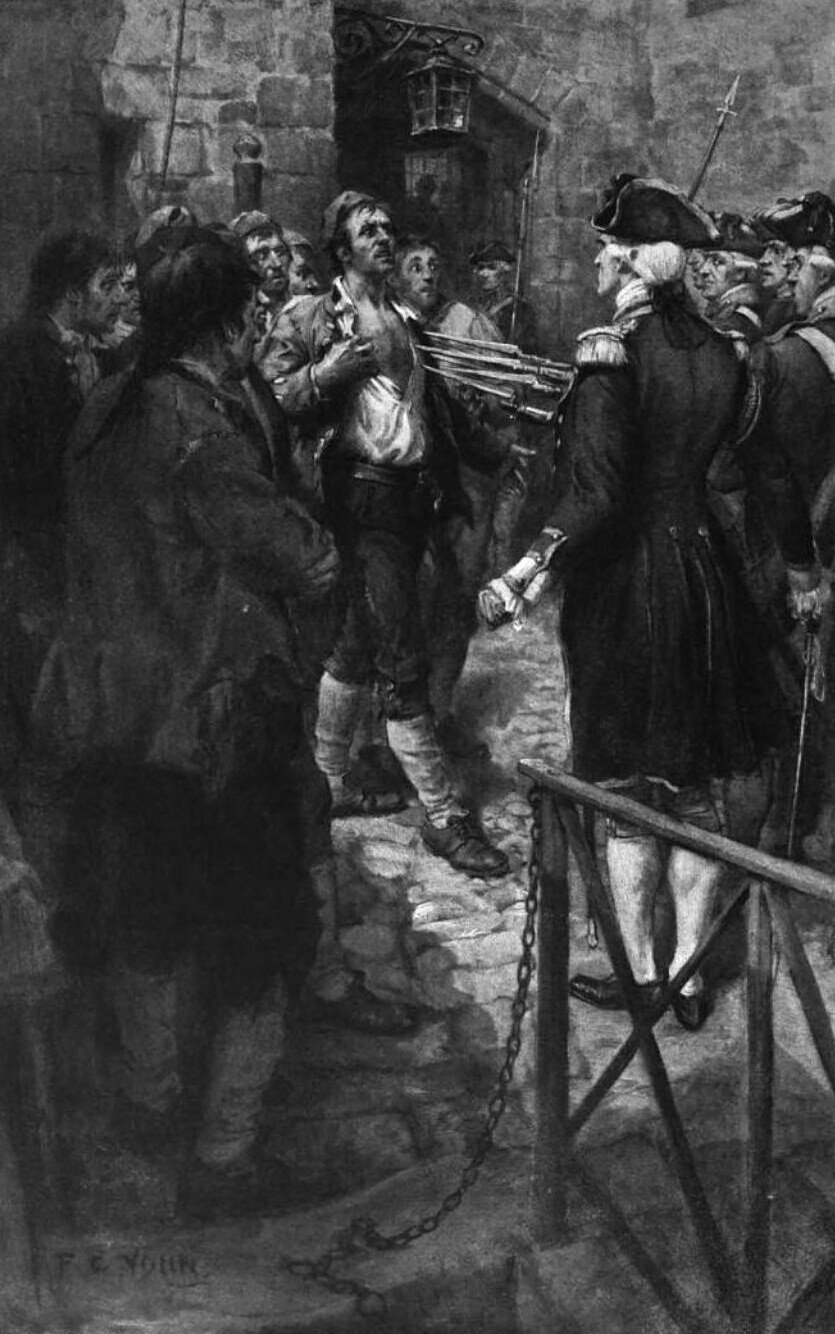
Gen. Carleton soon learned of the incursion and quickly marched out with a superior force of regulars, militia, and Native Americans. When his troops fired a volley, about 60 Canadian militiamen fled without firing a shot, leaving Allen with roughly 50 men. After a fierce 90-minute fight, Allen surrendered with only 30 men still standing. When the Canadian prisoners were threatened with execution, Allen reportedly bared his chest and demanded the bayonets be driven into him instead. The Canadians were spared, and Allen remained a prisoner until 1778.
Montgomery Takes Montreal
In October, Carleton prepared a force to relieve Fort Saint-Jean. Before they could depart, however, units from the Canadian militia under Col. James Livingston and Continental Army under Col. Timothy Bedel and Maj. Brown forced nearby Fort Chambly to surrender on Oct. 18 after two days of artillery bombardment.
Meanwhile, Montgomery’s noose tightened around Fort Saint-Jean. American reinforcements under Gen. David Wooster arrived to strengthen the siege, and Carleton’s relief force was repulsed as they attempted to cross the St. Lawrence River.
Seeing no hope of being relieved, British Maj. Charles Preston surrendered the fort and its 750 defenders. Among those taken prisoner was a young lieutenant named John André, who was destined to play a pivotal role in Arnold’s future downfall.
Eight days later, Carleton abandoned Montreal and narrowly escaped capture during his retreat to Quebec City. On Nov. 13, Montreal fell to Montgomery, who—hailed as a liberator—proclaimed Congress’s desire that the people of Quebec elect delegates and join the Continental cause. He and Col. Livingston then marched toward Quebec City to complete the conquest.
Arnold Emerges from the Wilderness
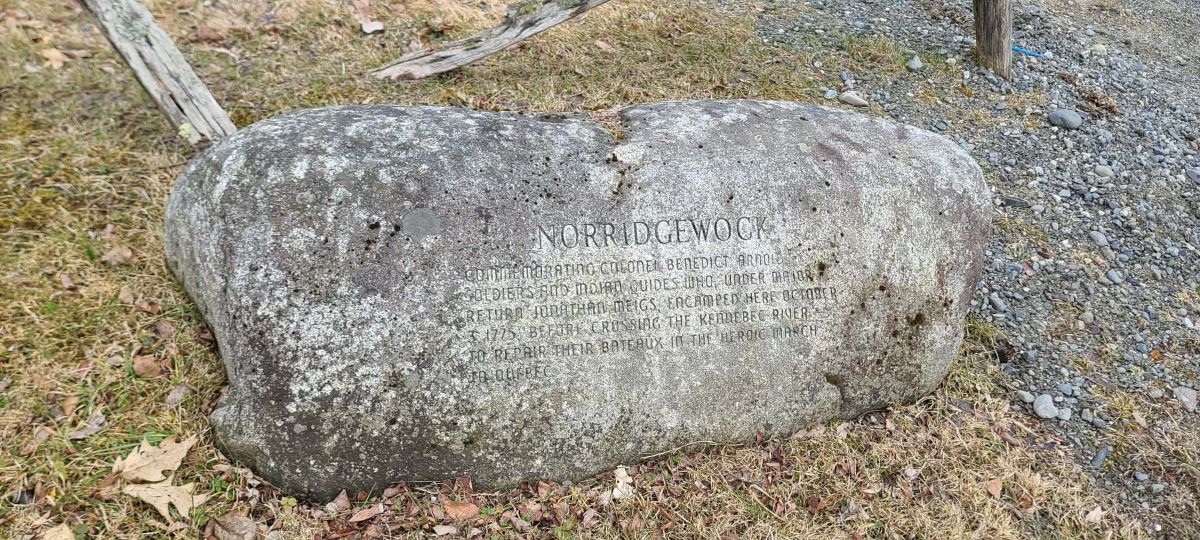
Just days earlier, on Nov. 9, Arnold and the shattered remnants of his command—600 starving men out of the original 1,100—had reached the St. Lawrence River. Faulty maps, violent river rapids, freezing temperatures, and even a hurricane had turned the 180-mile journey into a brutal 350-mile nightmare that stretched far beyond 20 days. On Oct. 31, several boats overturned in the raging waters, sweeping away men and most of the remaining provisions. With their food exhausted, the desperate men resorted to eating leather, candles, soap, and even Capt. Henry Dearborn’s dog. Approximately 200 died, and hundreds deserted; those survivors who remained steadfast staggered on.
Too weakened to storm Quebec City—despite a failed attempt to demand its surrender on Nov. 14—Arnold’s exhausted men dug in, recovered what strength they could, and awaited Montgomery’s arrival.
By year’s end, the two invasion forces—consisting of soldiers and militiamen from Canada and the American colonies—would unite to launch one of the most daring assaults of the entire Revolutionary War.
What arts and culture topics would you like us to cover? Please email ideas or feedback to features@epochtimes.nyc