
While out for my regular walk a few weeks ago, I was excited to notice that a house I’ve long admired was for sale and open to visitors. Snoopy neighbor that I am, I shamelessly went to check it out.
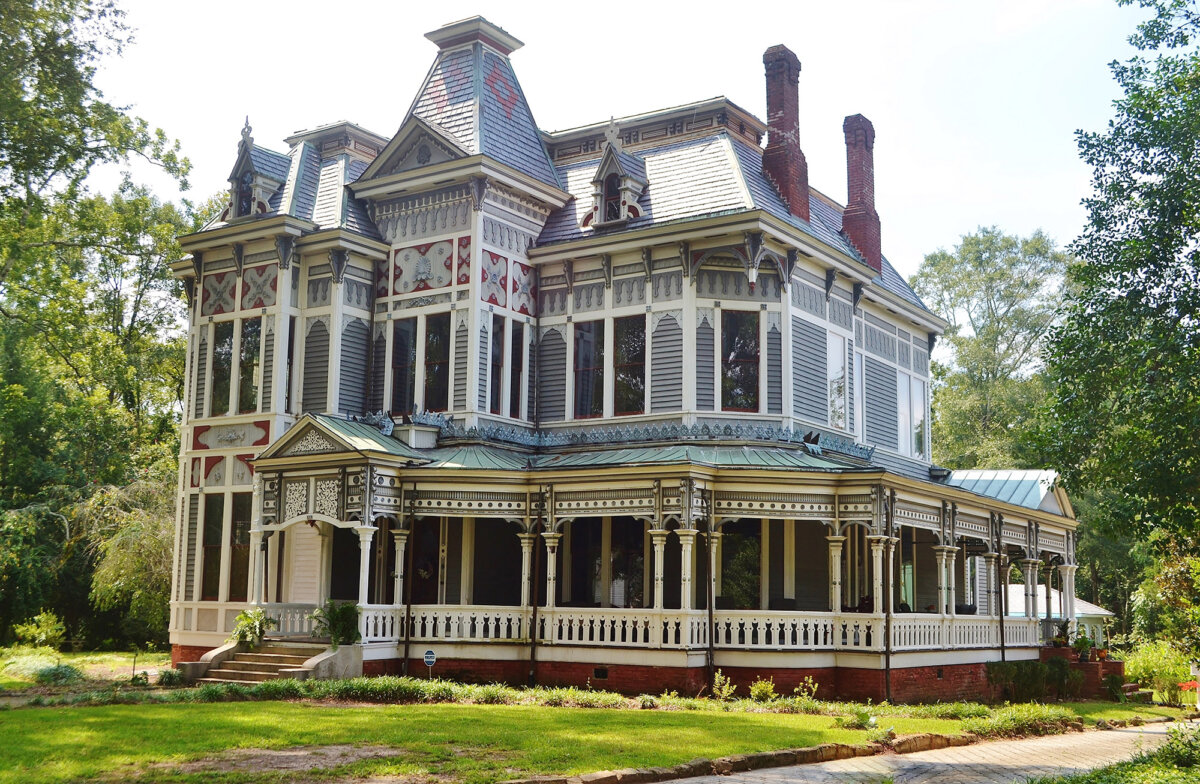
I was not disappointed. Built in the early 1900s and reminiscent of a Victorian farmhouse one might see in an “Anne of Green Gables” movie, the house featured a sunny front porch, an open staircase, a multi-paned bay window, and many other architectural features that are rarities in more recent buildings. I found myself wishing I was in the market for a house because I would have strongly considered that one, even though it didn’t have some of the amenities we now consider necessities.
Not everyone is drawn to old architecture. Indeed, some would far prefer a brand-new house to one with creaking stairs and slightly settled floorboards. Yet even if people don’t choose (or can’t afford) a vintage house, there still seems to be a deep respect for old homes and buildings.
Why is this? Three possibilities come to mind.
Beauty in the Building
The house mentioned above is just one example of such beauty. It abounds in simplicity, but the sweet architectural touches sprinkled throughout the house make individuals sigh with happiness and lift their chins a bit higher because of the dignity and respect such beauty lends to all those surrounded by it.
Unfortunately, we lost beauty sometime after 1930, philosopher Roger Scruton asserted in a 2009 BBC documentary.
“Not only has art made a cult of ugliness,” Scruton said. “Architecture, too, has become soulless and sterile.” Such ugliness extends from our buildings into other aspects of life, including our “language,” our “music,” and our “manners,” according to Scruton, a fact he attributes to the central focus on ourselves: “my profits, my desires, my pleasures.”
“I think we are losing beauty, and there is a danger that with it we will lose the meaning of life,” Scruton concluded.
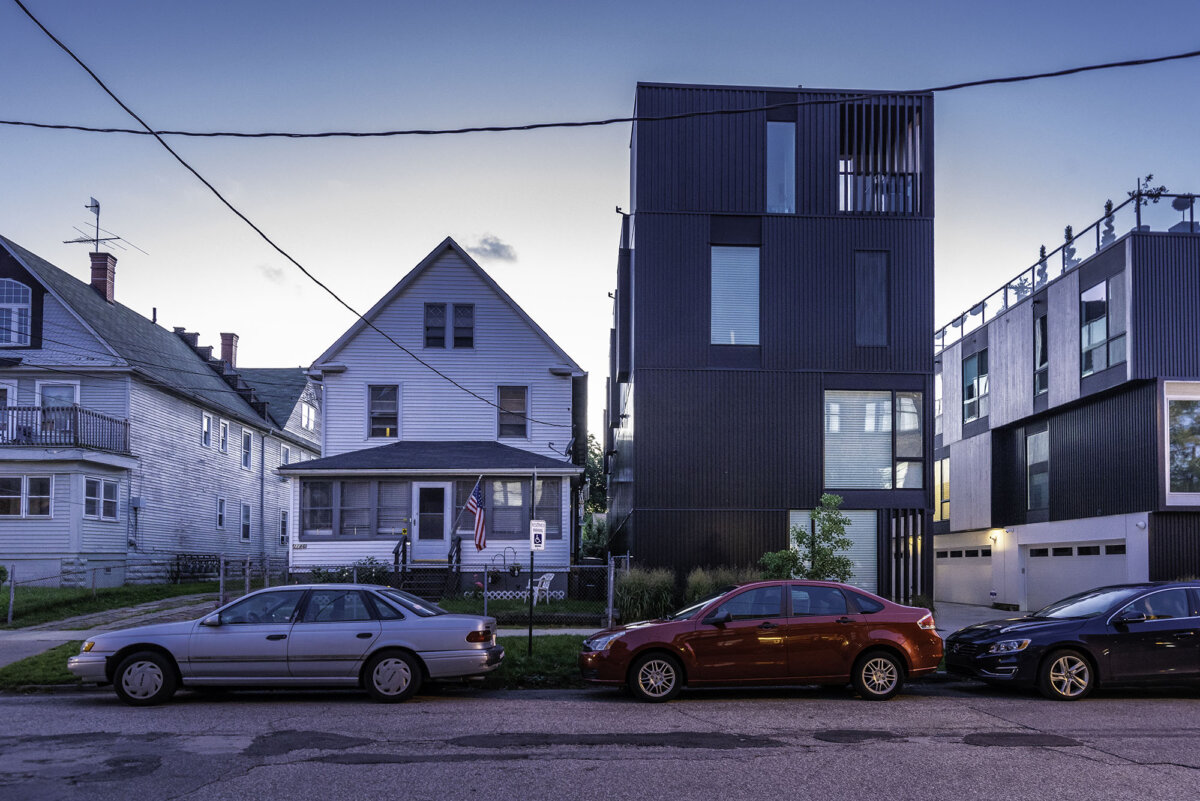
His closing fear raises an interesting question. Few will deny that there isn’t much true beauty in the architecture erected nowadays, residential or otherwise. Indeed, as I and many others have observed, many new buildings seem no more than prefabricated pole barns erected for their utility and inexpensive nature. That means that such buildings are constantly in our lives, influencing our thoughts, our attitudes, and our actions. And if they’re not equipped with beauty, do they starve something within us—something that would otherwise challenge us to greatness?
Beauty in the Belonging
As mentioned previously, that old Victorian farmhouse tugged at my heartstrings so much that I wanted to buy it. It was homey, filled with welcoming spaces that dripped with hints of hospitality and the laughter of family and friends. In other words, it promised a sense of place or belonging.
Good architecture should do just that, Scruton wrote in his work “The Aesthetics of Architecture.”
“We expect an architect to build in accordance with a sense of place, and not to design his building—as many a modern building is designed—so that it could be placed just anywhere,” he wrote.
“It is true that the architectural instinct can show itself even in the dwellings of nomadic tribes, but the impulse to which we owe most of the fine architecture that we have inherited is an impulse founded in the sense of place—the desire to mark a sacred spot or place of martyrdom, to build a monument, church or landmark, to claim possession and dominion of the land.”
Many Americans today, regardless of where one falls on the political spectrum, bemoan the loss of community and connectedness that once pervaded society. Given Scruton’s statement, I can’t help but wonder whether we’ve contributed to this decline with the way we build our structures. If they seem transitory, ready to blend in rather than make a statement of beauty or significance, then why should we be surprised when those who live in or work around such buildings are quick to follow suit, failing to put down roots or take pride in their communities?
Beauty in the Building Blocks
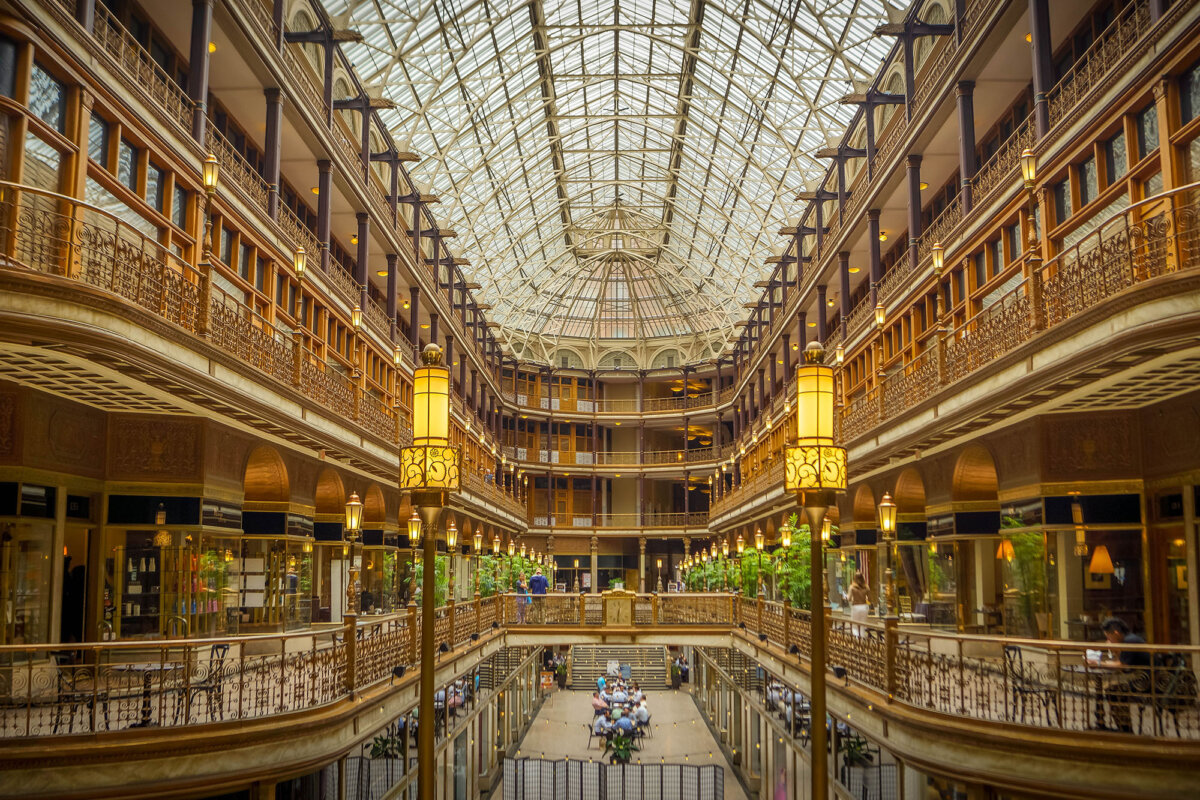
“They don’t make ’em like they used to,” the old saying goes, meaning that craftsmanship is pretty much nonexistent these days. But that craftsmanship is exactly what made buildings of the past solid heirlooms, able to outlive generations of individuals because those who built them put effort and care into their construction.
The good news is that interest in the craftsmanship of the past may be on the rise, a fact evidenced by schools such as North Bennet Street School, where students are trained in the carpentry and building skills of the past, learning techniques that make buildings more durable and long-lasting.
“That’s our future, guys, that’s the way we get better,” master builder Brent Hull said in a video on his YouTube channel. “The way we build better houses is training, education, and encouraging young people so that they can go earn an amazing living, not get into any debt going to school, and build a career practicing a trade that you can practice for an entire life.”
We often go along with today’s bleak and utilitarian architecture, believing that it’s just a consequence of a fast-paced, postmodern society eager to save a buck anywhere possible. But does our complacency in accepting such architecture do more harm than we realize? Has it squelched meaning, community, and quality in our lives? And if we sought to restore beauty in our buildings, would we see these things revive as a consequence?