This year, I reviewed nearly 40 books ranging all the way back from the ancient period of the Mesopotamians to the modern period of American foreign policy. As with the two previous lists of 2023 and 2024, I have assembled a list of the best history books that were published this year. As I’ve written before, of the many books I’ve read, there were “some good, some better than others, some a chore to finish, and some so wonderful they belong in my top five.”
Without further ado, here are my top five history books of 2025 (along with a few honorable mentions), in ascending order:
5. ‘Crescent Dawn: The Rise of the Ottoman Empire and the Making of the Modern Age’
By Si Sheppard
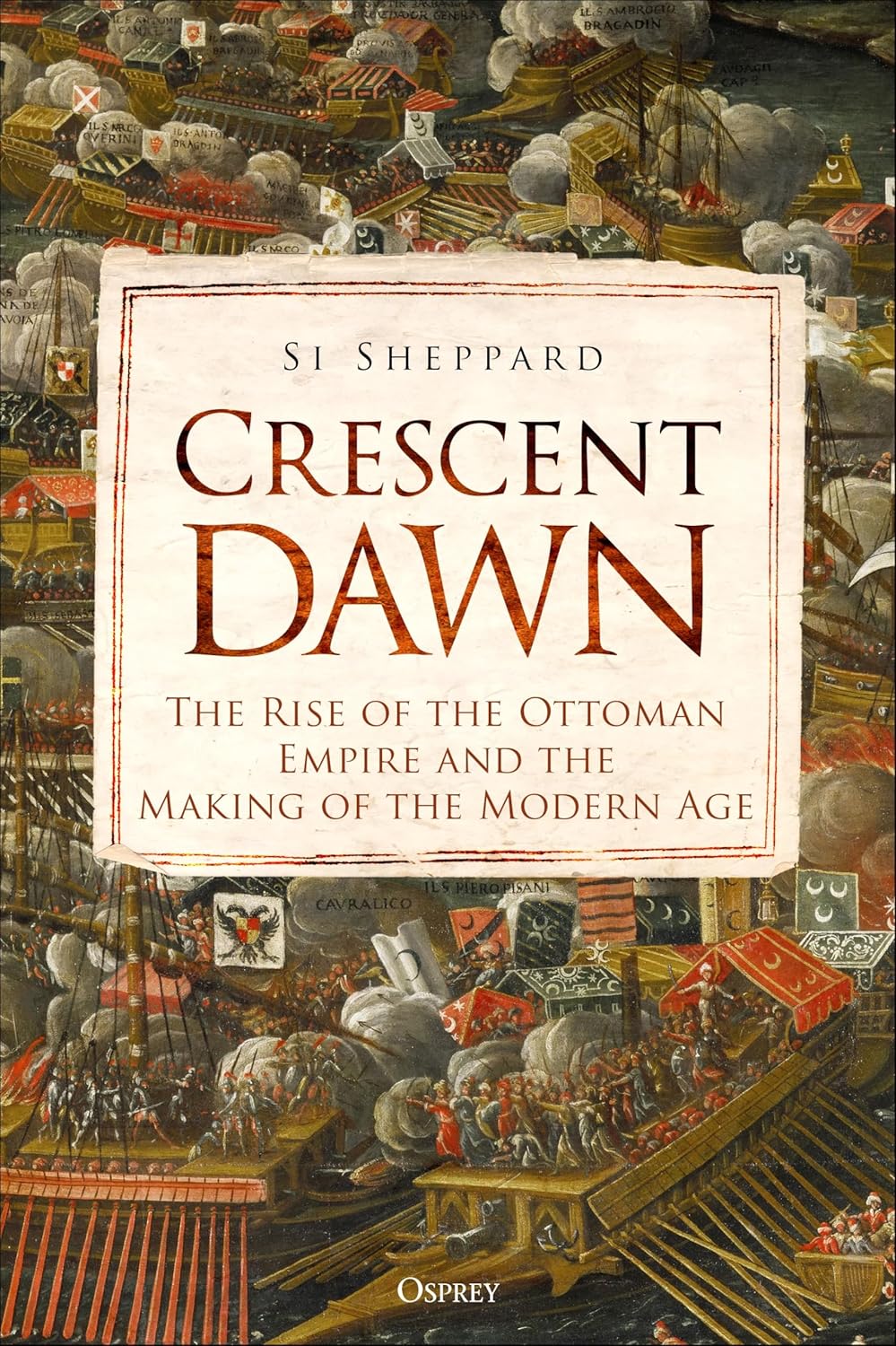 The rise of the Ottoman Empire was one of blood, chaos, and war—a trinity of reasons to read “Crescent Dawn.” The battle between Christendom and Islam is one of the great epics of human history. Si Sheppard brings us to the frontlines of countless battles, introduces us to the heroes and villains of this multicentury struggle, and gives us an appreciation for the warriors on both sides that perhaps we never thought possible.
Popes, kings, pashas, knights, admirals, and assassins scour the lands and waters of Africa, Europe, the Atlantic, and the Mediterranean. It is war and conquest through and through, and the author leaves no gruesome detail unheralded. It is the perfect history book for readers who want to see the collision of chivalry and treachery, heroism and fear, all done in the name of God.
Osprey Publishing, 528 pages
4. ‘Gems of American History: The Lecturer’s Art’
By Walter A. McDougall
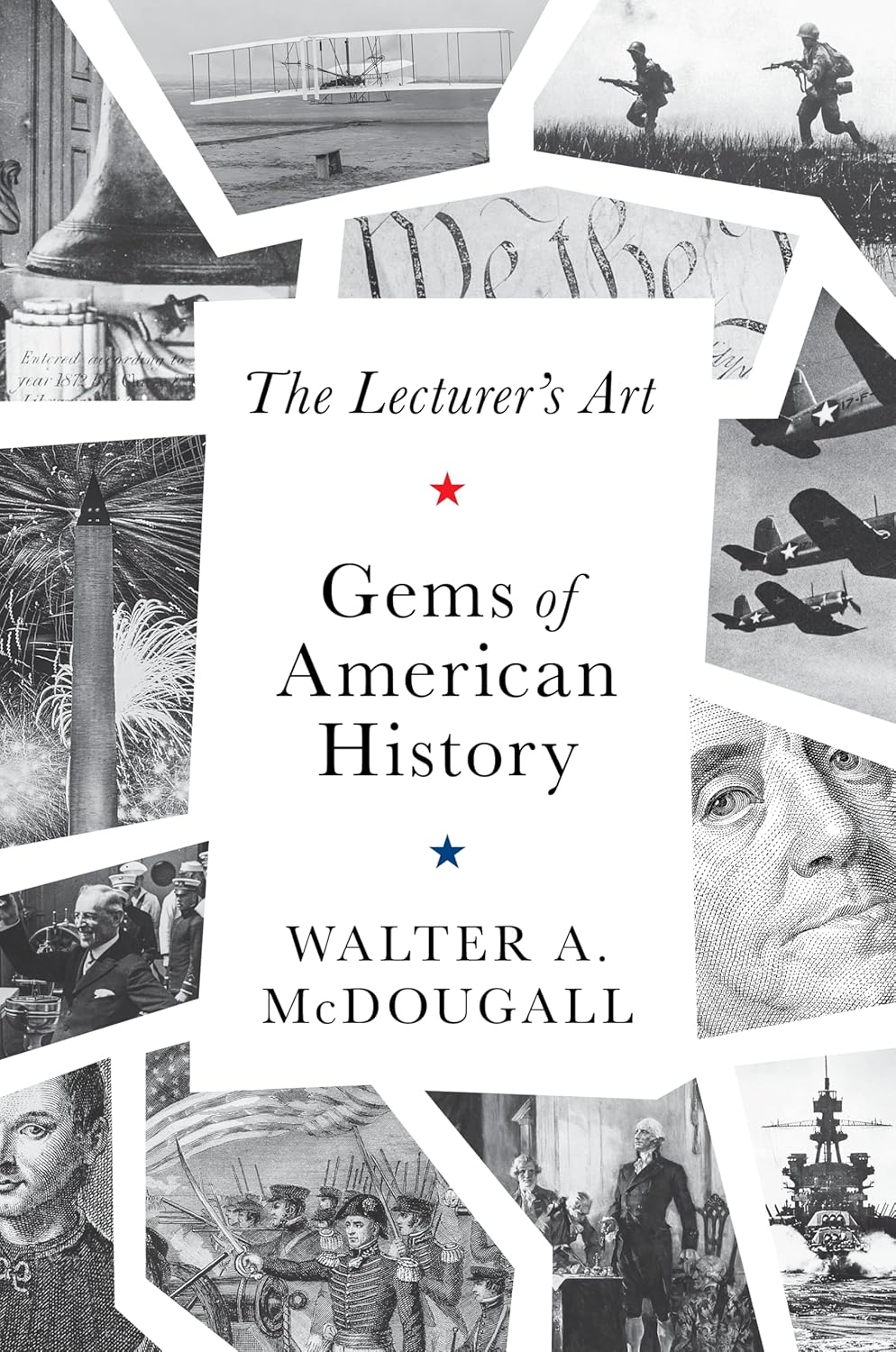 Over the past three years, this is the first history book selection that is a collection of essays. The essays, which were first lectures, are written by Walter A. McDougall, the longtime professor of history and international relations at the University of Pennsylvania and a Pulitzer Prize-winning author. Covering a 200-plus-year period of American history, these essays are full of insight into our leaders’ domestic and foreign policy decisions that have had a cascading effect right up to today. Even with the more common topics, like the American Revolution or the Cold War, McDougall presents information and perspectives that will be new to readers.
In the opening of the book, McDougall quotes Rudyard Kipling: “If history were taught in the form of stories, it would never be forgotten.” In his 12 essays, the author and lecturer has proven that this statement holds true. This is short-form history at its best.
Encounter Books, 336 pages
3. ‘The Writer’s Lot: Culture and Revolution in Eighteenth-Century France’
By Robert Darnton
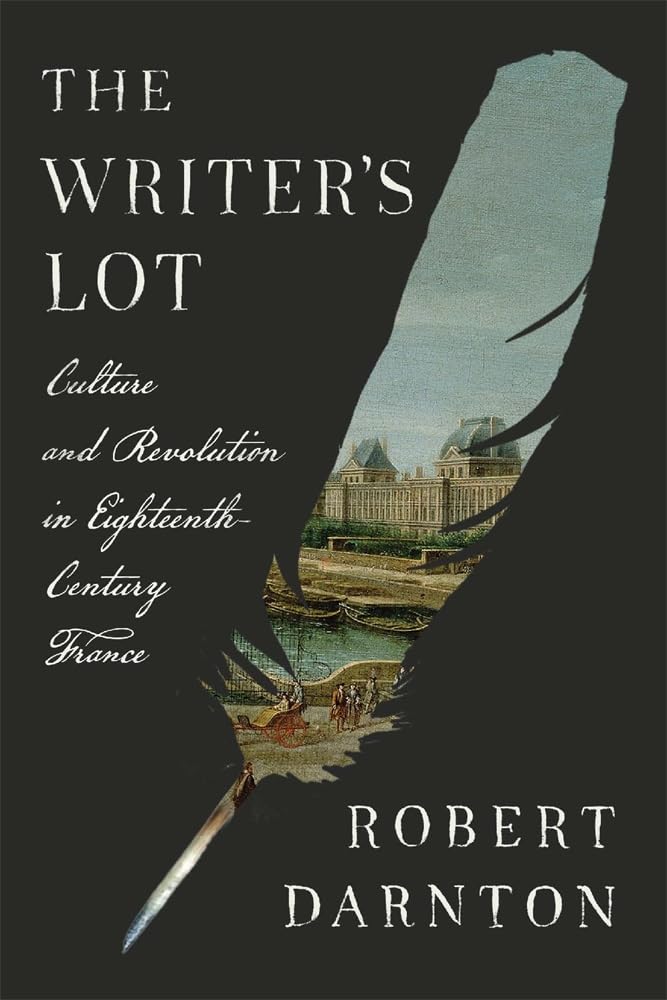
The French Revolution is a fascinating period of world history. For historian and author Robert Darnton, it’s his specialty. The French Revolution upended centuries of societal norms and class structure, ultimately leading to chaos, bloodshed, a new system of government, and the rise of Napoleon Bonaparte. But among the gunpowder and guillotines, how much of a role did the pen play? As a literary device to answer this question, Darnton uses the careers of three writers whose lives begin and end in very different ways.
The author demonstrates how being on the right side of a political movement can empower the mundane and talentless while destroying the brilliant and gifted. The book is, in a sense, a warning to readers about the dangers of fools wishing to be perceived as intellectuals and the means they will pursue to reach that end. It’s a lovely book about a historical period that continues to permeate the modern world.
Belknap Press, 240 pages
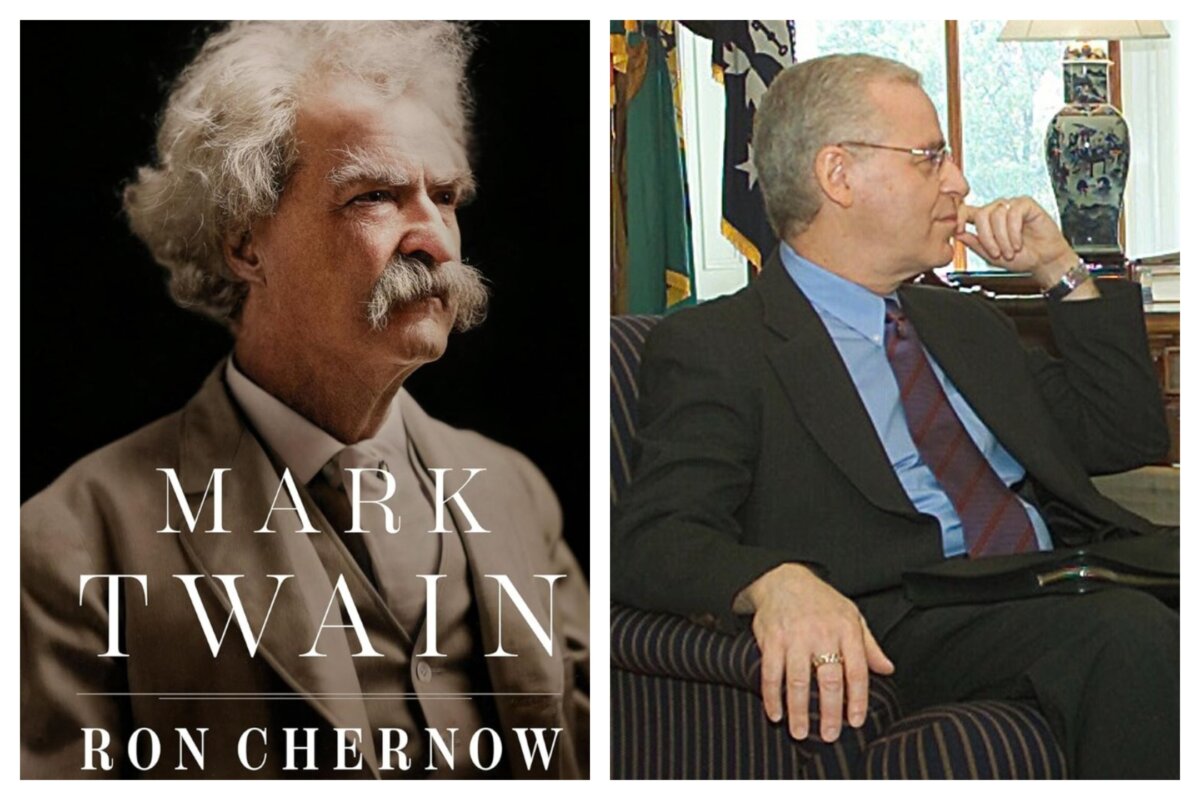
2. ‘Mark Twain’
By Ron Chernow
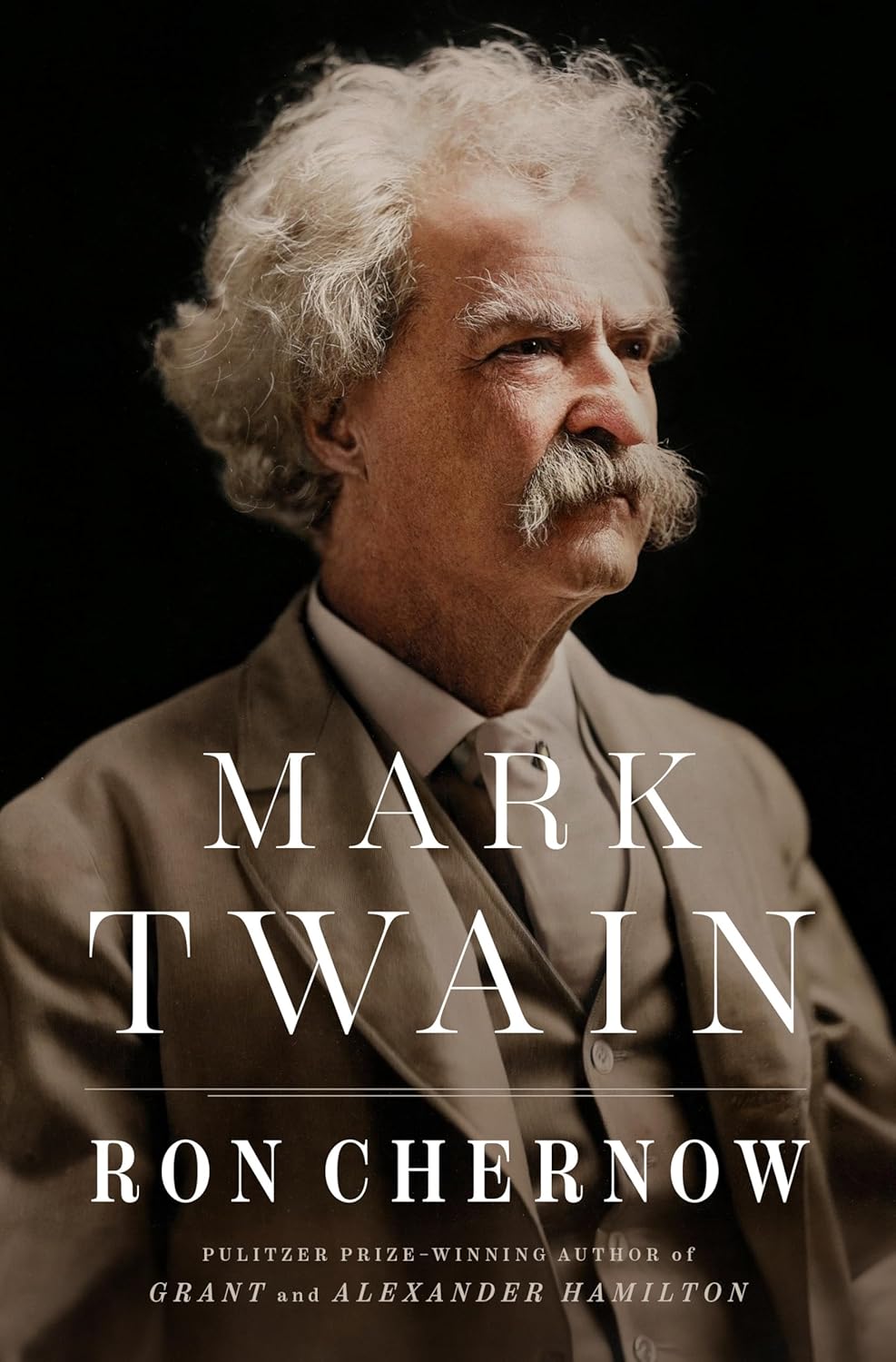 It seemed inevitable that arguably America’s greatest writer would be covered by arguably America’s greatest single-volume biographer. Mark Twain is an American household name for many good reasons. His literary works are practically unparalleled, and as Ron Chernow indicates, he was unparalleled in many other ways. Twain’s personality, social and political views, and personal philosophies were reflected in his many works. In Chernow’s biography, we witness the origins of those views and philosophies, as well as his fears, quirks, and wit.
Chernow’s work presents a larger-than-life figure and makes him relatable, irritating, confounding, and worthy of both praise and pity. The author has produced a long list of single-volume biographies, including on George Washington, Ulysses S. Grant, and John D. Rockefeller, each exhaustively researched and wonderfully written. His Mark Twain biography is no different. A grand work worthy of its subject.
Penguin Press, 1,200 pages
1. ‘Lawless Republic: The Rise of Cicero and the Decline of Rome’
By Josiah Osgood
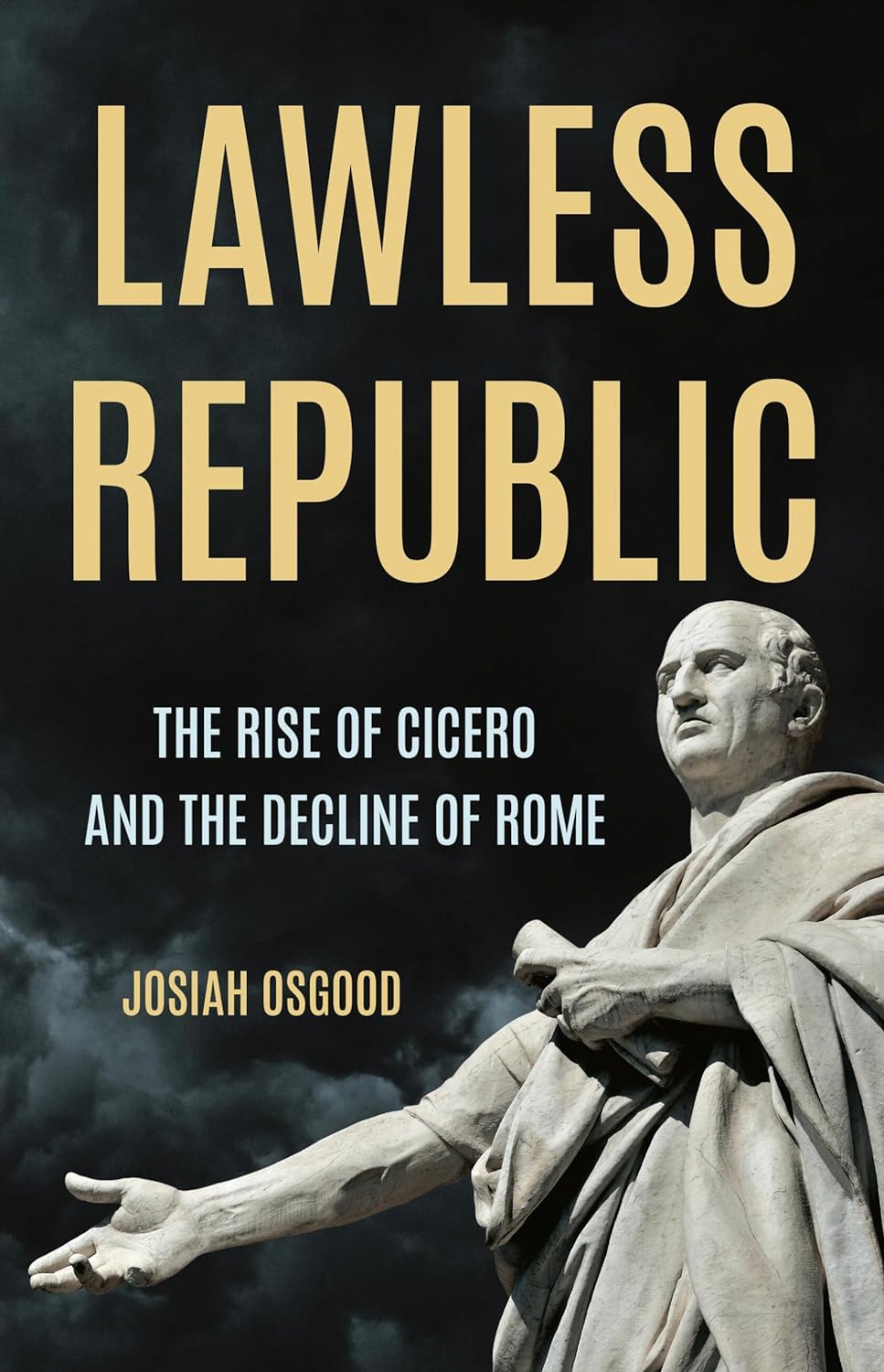 Why did the Roman Republic devolve into the Roman Empire? That’s a question with many answers. Josiah Osgood, one of the nation’s leading scholars on the waning years of the Roman Republic, provides several of the more convincing answers via the actions of one of the city-state’s most important figures: Marcus Tullius Cicero. Osgood seamlessly weaves together several of Cicero’s court cases—either as defender or prosecutor—to present how the vices of Rome caused it to cave in on itself.
What is so fascinating about Osgood’s work is how Cicero and the Republic reflect each other. “Lawless Republic” provides an illuminating timeline of the final years of the Roman Republic as well as the life of Cicero, ultimately ending in the demise of both. It is a book that will give readers vast insight into arguably the most important empire in history and one of the most important statesmen of the past 2,000 years.
Basic Books, 384 pages
Honorable Mentions
‘Baseball’s First Superstar: The Lost Life Story of Christy Mathewson’
By Alan D. Gaff
Babe Ruth? Ty Cobb? Honus Wagner? Who was baseball’s first superstar? Alan Gaff’s discovery of long-thought-lost literature makes a case for the pitcher of the early 1900s.
University of Nebraska Press, 248 pages
‘Korea: War Without End’
By Richard Dannatt and Robert Lyman
Both a history of the Forgotten War’s action and an analysis of the costly mistakes from the military brass, Dannatt and Lyman’s book about the Korean War proves a case study that must be remembered.
Osprey Publishing, 352 pages
‘Between Two Rivers: Ancient Mesopotamia and the Birth of History’
By Moudhy Al-Rashid
Discover the world of history’s first known civilization. Al-Rashid’s passion for the ancient Mesopotamians comes through in the pages.
W.W. Norton & Company, 336 pages
‘Nemesis: Medieval England’s Greatest Enemy’
By Catherine Hanley
King Philip Augustus of France may have been a medieval king, but his brilliant political maneuverings stand as a masterclass for today’s world.
Osprey Publishing, 304 pages
‘Shadow Cell: An Insider Account of America’s New Spy War’
By Andrew and Jihi Bustamante
When a married couple in the CIA are tasked with uncovering a mole, failure is the expectation. Their successful methods completely alter the agency.
Little, Brown and Company, 261 pages