
In the medical world, many say that a newborn baby is first seen through the eyes of Dr. Virginia Apgar. In the early 1950s, Apgar came up with a test that could give information to a physician about the infant’s health just minutes after birth. Today, her Apgar score has saved thousands of lives, as it is used in most hospitals across the world.
Apgar was born on June 7, 1909, in New Jersey to insurance executive Charles Apgar and his wife, Helen. Her father was an amateur inventor and astronomer, which must have inspired Apgar with a passion for science and math. Perhaps because she lost her eldest brother to tuberculosis when he was only 5, while her other brother suffered from a chronic childhood illness, she grew fascinated with medicine.
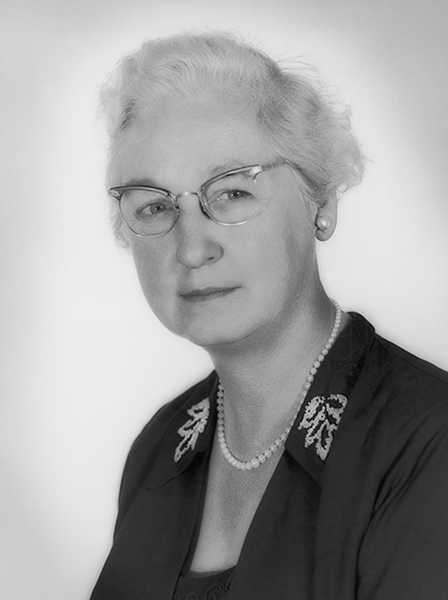
Throughout her school years, Apgar played multiple sports, wrote for the school newspaper, acted in school plays, and played the violin. In 1929, she graduated from Mount Holyoke College with a degree in zoology, having minored in physiology and chemistry. That same year, she started medical school at Columbia University College of Physicians and Surgeons.
Apgar graduated from medical school fourth in her class in 1933 and continued her education with a surgical internship at Columbia-Presbyterian Medical Center. She studied surgery under Allen Whipple, who persuaded her against becoming a surgeon. This was during the Great Depression; Whipple had trained many female surgeons who found it difficult to find work.
Instead, Apgar took Whipple’s suggestion and studied anesthesiology, which was just starting to be conducted by doctors instead of nurses. She became a board-certified anesthesiologist in 1937, and she returned to the Columbia-Presbyterian Medical Center to practice.
While at Columbia-Presbyterian, Apgar began to research obstetrical anesthesiology, which is anesthesia administered to mothers while giving birth. She observed over 17,000 deliveries and soon focused on how to prevent infants’ deaths.
The Test
Dr. Apgar’s big moment came one day in 1949, when she was having breakfast with some medical students. One student asked her how she could tell how healthy an infant was directly after birth. She wrote down five points on a napkin.
Apgar wrote a test of what could help to gauge a newborn’s health. She improved her test and presented it to the medical community in 1952 at a joint meeting of the International Anesthesia Research Society and the International College of Anesthetists; the test was published in 1953 in the medical journal “Anesthesia & Analgesia.”
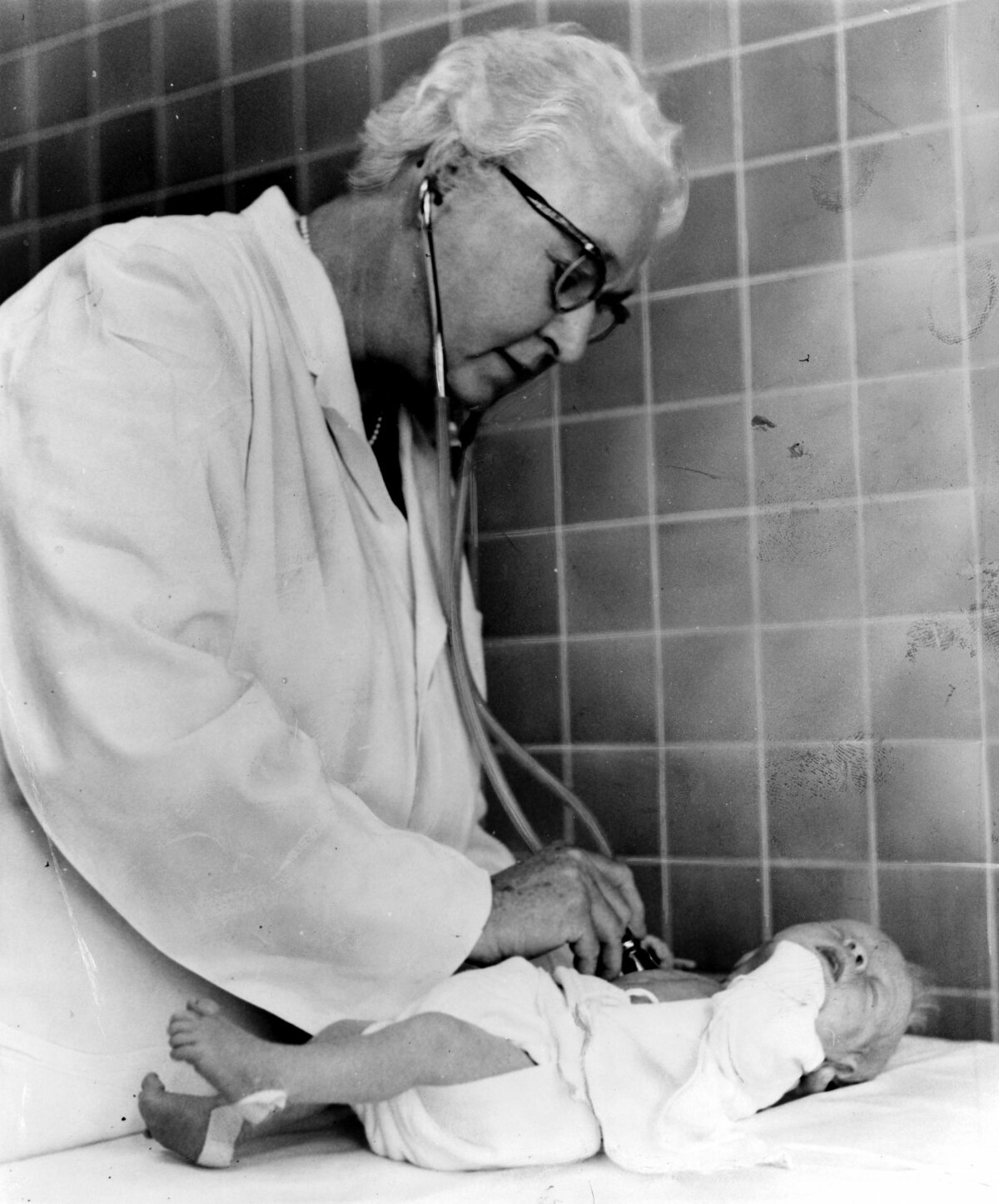
The Apgar’s test evaluates the infant’s color, muscle tone, heart rate, respiration, and reflex irritability to come up with a score. This provides a good measure of whether the child needs immediate medical attention or not.
A nurse administers the test in two stages: the first one a minute after birth and the second five minutes after delivery. The newborn is given a 0, 1, or 2 score in each of the five categories.
For example, if the child’s skin were blue, he would get a 0 score in color. The scores are then added up. If the total score is 3 or lower, the child needs immediate medical attention. A score between 4 and 6 means the baby is in fair health, and 7 or higher means he is healthy.
Apgar Score
It was never Apgar’s intention to name the test after herself. The name Apgar Score came about after some physicians cleverly formed the perfect acronym (Appearance, Pulse, Grimace, Activity, Respiration) around 10 years later to help them remember it. Apgar was delighted when she found out, and the name stuck.

Even though she never had her own private practice, Apgar continued learning and researching for the remainder of her life. In 1959, Apgar left Columbia-Presbyterian to earn a Master of Public Health degree from the Johns Hopkins School of Hygiene and Public Health.
That same year, she started working for the March of Dimes Foundation, where she researched and advocated ways to detect and prevent birth defects. She stayed with the March of Dimes for the rest of her life.
After receiving several awards and honors over two decades, Apgar co-authored the book “Is My Baby All Right?” with Joan Beck in 1972. Apgar died of cirrhosis of the liver in 1974.
What arts and culture topics would you like us to cover? Please email ideas or feedback to features@epochtimes.nyc