



Samuel Barber’s “Adagio for Strings” may be the saddest piece ever written. Voted the “saddest classical” work ever in 2004 by the listeners to the BBC Radio’s Today program, this lament is one of the greatest works of music in all of the 20th century.
Arranged from the slow movement of his String Quartet Op. 11, the desolate, anguished harmonies of Barber’s “Adagio” are simple yet profound. What’s more, the origin of this piece comes from one of America’s brightest musical minds.
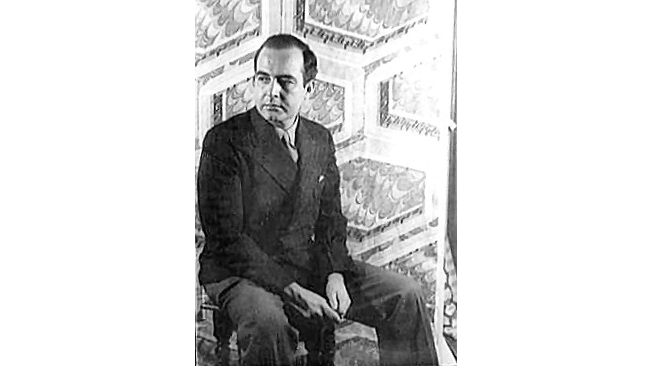
Samuel Barber
Samuel Barber (1910–1981) was born in West Chester, Pennsylvania. Despite showing remarkable musical talent from a young age, his parents insisted he play football and become a professional athlete. The young composer, however, was eerily cognizant of his destiny. According to biographer Barbara Heyman, at the age of 9, he wrote:
“Dear Mother: I have written this to tell you my worrying secret. Now don’t cry when you read it because it is neither yours nor my fault. … To begin with I was not meant to be an athlet [sic]. I was meant to be a composer, and will be I’m sure. I’ll ask you one more thing.—Don’t ask me to try to forget this unpleasant thing and go play football.—Please—Sometimes I’ve been worrying about this so much that it makes me mad (not very).”
Suffice to say, the classical music world did not lose one of its finest talents to football. After graduating from the prestigious Curtis Institute of Music in Philadelphia, Barber won the Joseph H. Bearns Prize for both his violin sonata and his overture for the comedy “The School for Scandal.” He went on to become one of the most important figures in 20th-century American music.
The Sound of Sorrow
Barber’s “Adagio for Strings” is performed by Leonard Bernstein and the New York Philharmonic Orchestra. (Listen)
The opening chords are solemn and monolithic. As hushed strings build in tension, they climb in achingly deliberate steps, reaching upward yet never quite arriving. In this fashion, the harmonies seem to never resolve, only becoming more and more complex as they progress. By suspending notes from previous chords, Barber maintains an atmosphere of struggle and constant tension.
Catharsis finally arrives at 6:44. From 6:00, the melodic steps upward become desperate, unyielding. When the violins finally reach their highest register, a keening cry, the dissonance morphs into consonance. Suddenly the sound dissipates. The finale is mournful. The concluding chords blur, ebbing into silence.
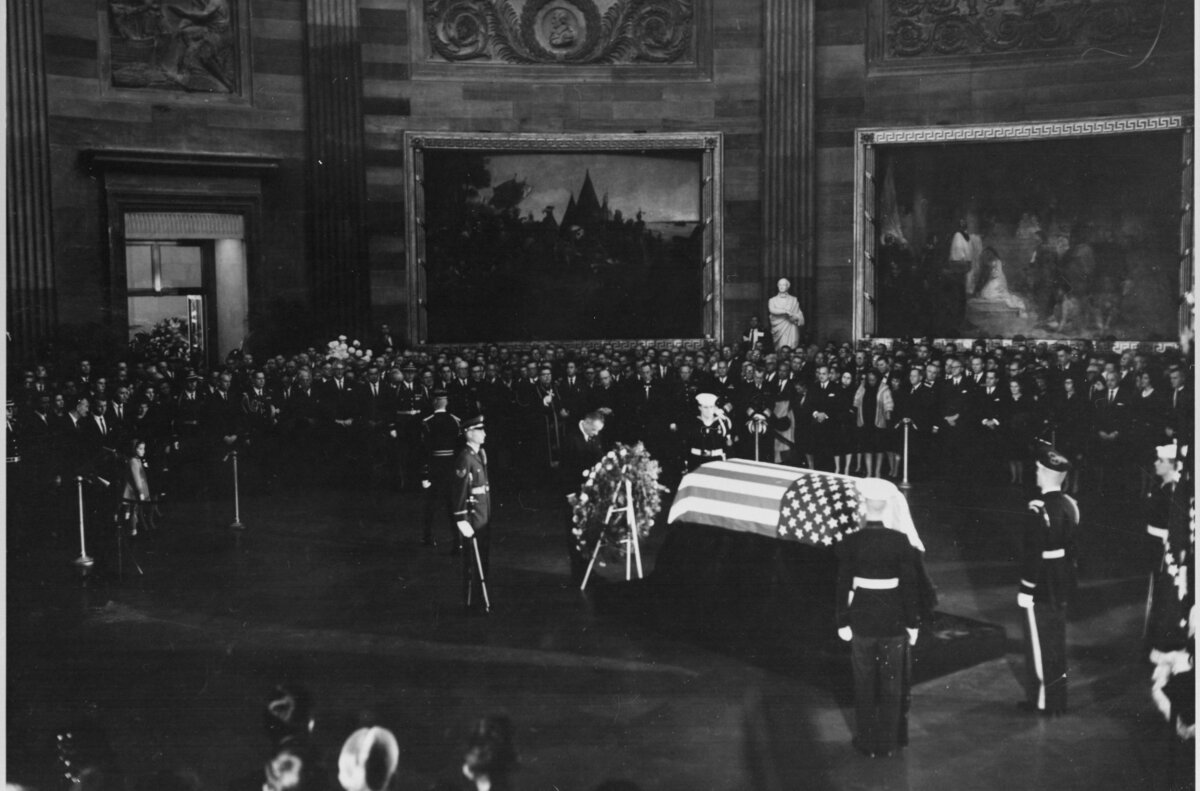
The “Adagio for Strings” has become an emblem of grief and loss in American culture. From the funerals of John F. Kennedy and Albert Einstein to commemorative performances for 9/11, Barber’s “Adagio for Strings” gives voice to sorrows of the world that words cannot express.
What arts and culture topics would you like us to cover? Please email ideas or feedback to features@epochtimes.nyc
