In the long procession of figures who transformed the American frontier from lived experience into mass entertainment, Gordon William Lillie—known to audiences as “Pawnee Bill”—stands out. Lillie was one of the most influential yet perhaps the least closely studied.
If William F. “Buffalo Bill” Cody became the iconic face of the Wild West, Lillie was its tireless builder. As a producer, organizer, and innovator, Lillie helped shape the varieties of American circus, rodeo, and trendy spectacle that endures long after the frontier had faded.
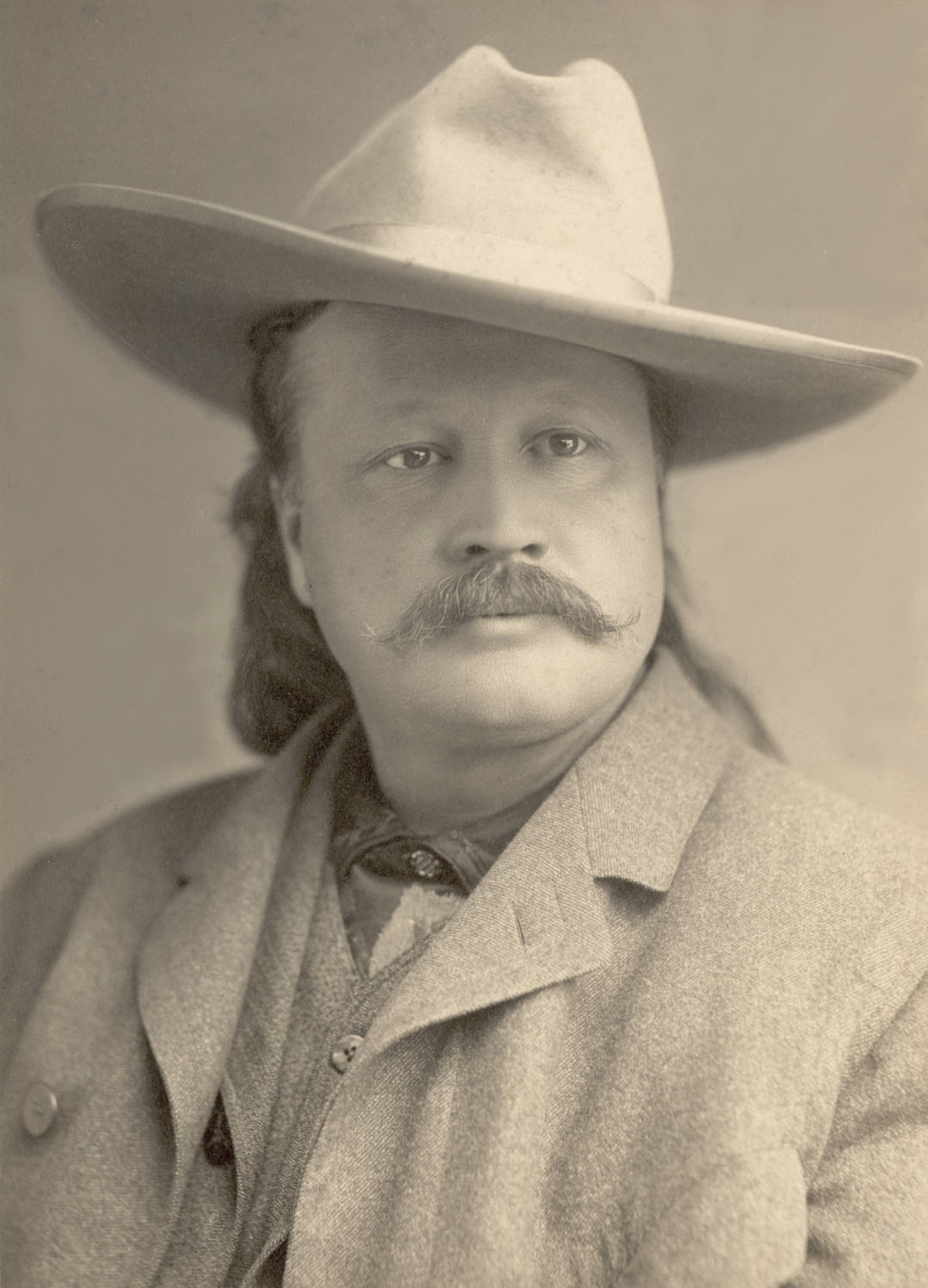
The son of a flour miller, Gordon Lillie was born on Feb. 14, 1860, in Bloomington, Illinois. This was a period when westward expansion still dominated the American imagination. As a teenager, he moved west and found work in Indian Territory, present-day Oklahoma. There, Lillie developed a lasting association with the people of the Pawnee tribe.
Lillie worked primarily as a government interpreter and liaison, learning the Pawnee language and Plains Indians customs. He eventually became the leader of the “Boomer Movement,” a nickname for white settlers of disputed Indian territory. He also helped organize thousands of settlers into Oklahoma’s “Unassigned Lands” in the Land Rush of 1889.
‘Pawnee Bill’
From this direct involvement, he acquired the nickname “Pawnee Bill,” a name that reflected both familiarity and trust, and which he would later transform into a recognizable stage identity.
Unlike many showmen who trafficked solely in secondhand legend, Lillie was grounded in well-defined experience from his early years. His relationships with American Indian performers were personal as well as professional; they became a central element of his later productions.
Although his shows doubtless oversimplified and overdramatized tribal cultures for popular audiences, Lillie’s proximity to the people he portrayed lent his work a degree of contemporary credibility that distinguished it from purely fictional frontier amusements.
‘Buffalo Bill’
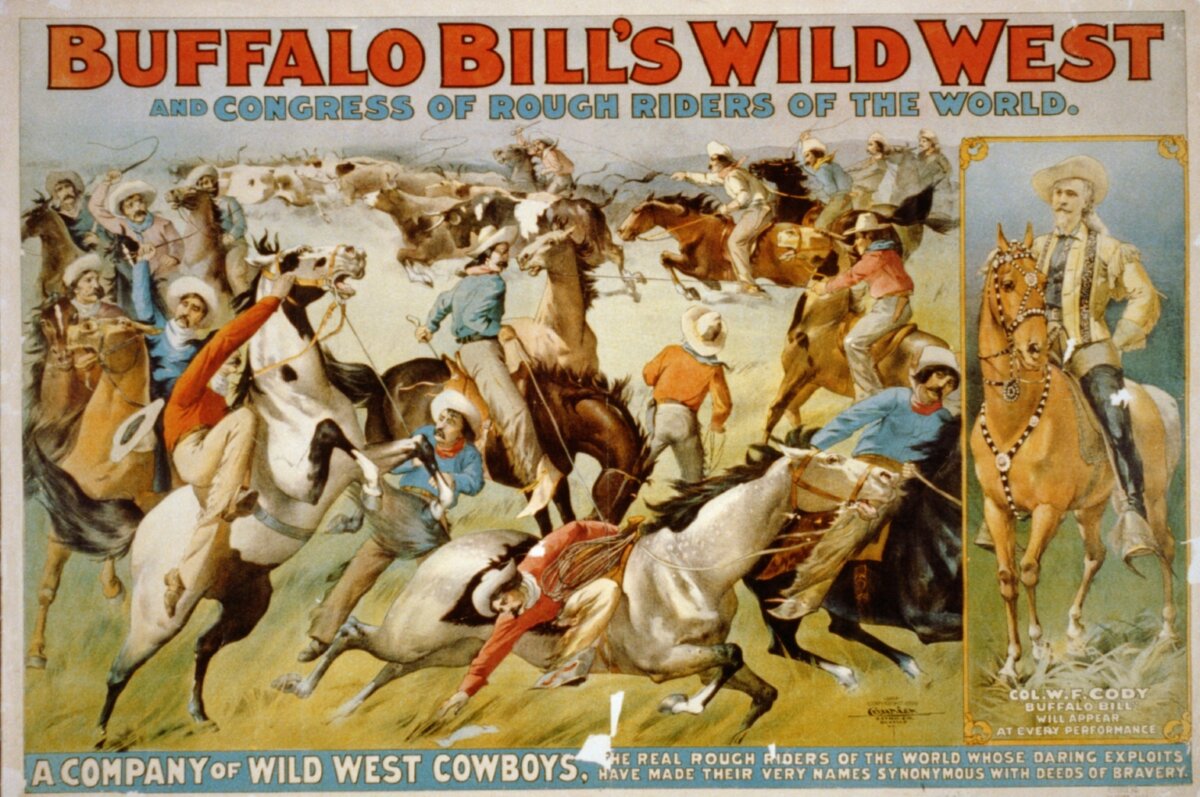
By the late 19th century, Wild West shows had emerged as one of the most popular forms of mass entertainment in the United States and abroad. At their center stood Buffalo Bill Cody (1846–1917). His traveling spectacle combined sharpshooting, horsemanship, reenactments of frontier clashes, and Native American performances.
Pawnee Bill first entered Cody’s world as a Pawnee interpreter for “Buffalo Bill’s Wild West Show,” but he would later become both a competitor and collaborator. The two men shared performers, business connections, and a belief that the story of the American West could be staged as a national epic.
In 1888, Lillie and his wife, May, launched their own enterprise, “Pawnee Bill’s Historic Wild West.” The show toured extensively across the United States, presenting cowboys, Indians, sharpshooters, musicians, and trick riders in fast-paced arena programs.
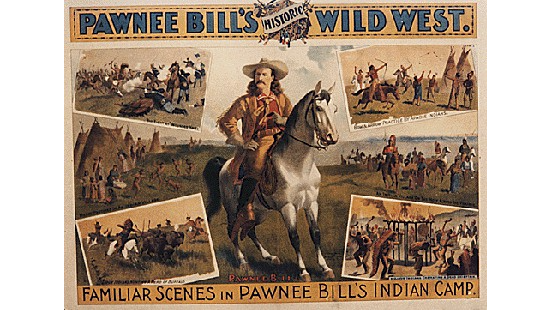
Lillie expanded the Wild West format. He incorporated elaborate costuming, theatrical staging, and performers from outside the American frontier, broadening the genre’s appeal.
Cody and Lillie’s relationship was never simple. Indeed, Cody possessed fame, personal myth, and international recognition; Lillie brought organizational skill, adaptability, and a willingness to experiment. Whereas “Buffalo Bill’s Wild West” emphasized martial heroism and frontier triumph, Pawnee Bill’s productions leaned toward variety, pageantry, and cultural display. Each man influenced the other, even as they competed for audiences and resources.
Wild West Circus
One of Pawnee Bill’s most lasting contributions was his embrace of change. As public tastes shifted at the turn of the 20th century, he blended Wild West material with thrilling elements drawn from the circus: acrobats, clowns, exotic animals, and novelty acts.
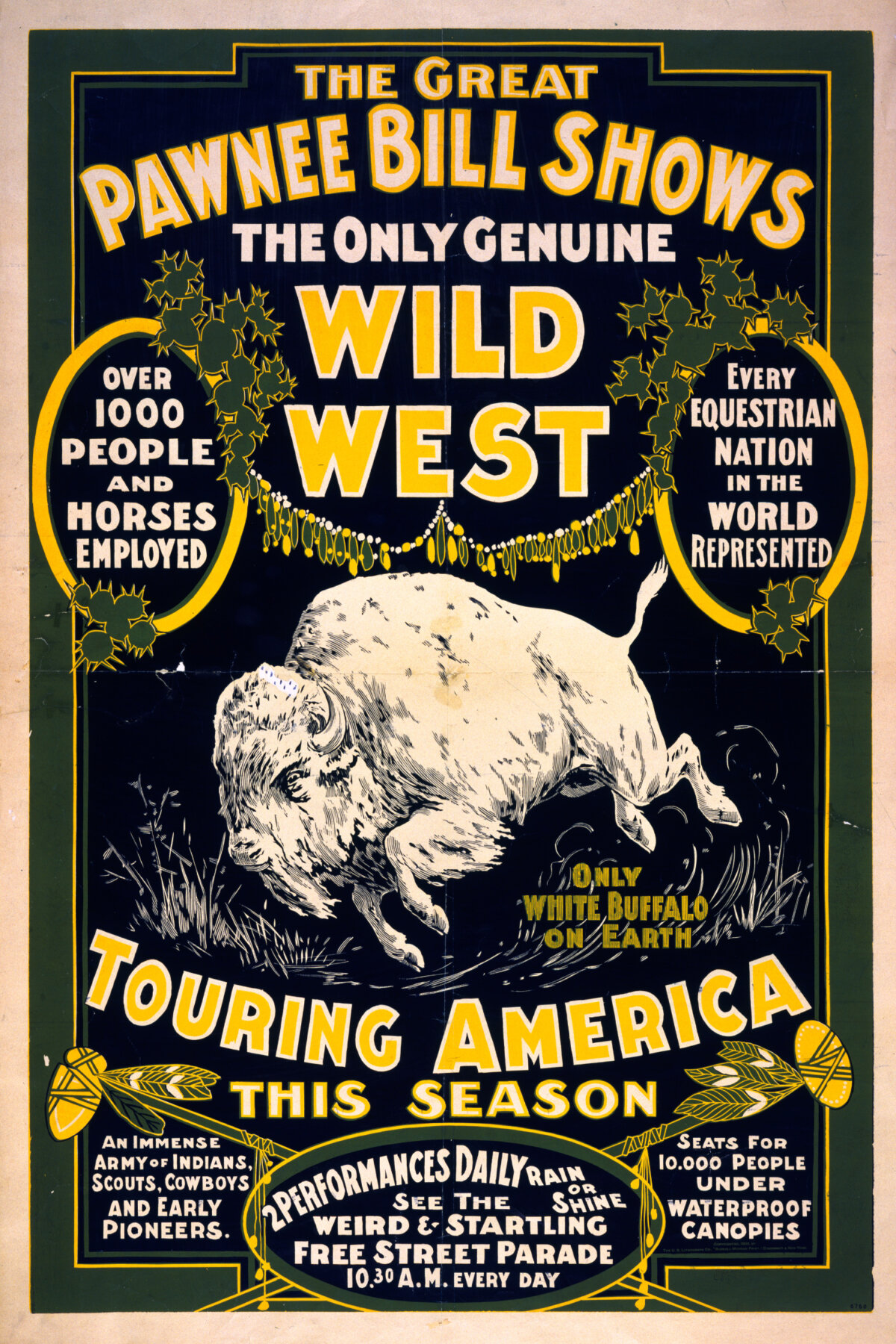
This hybrid approach helped shape a new style of entertainment that emphasized continuous action and visual variety. Skills once associated with ranch work—such as bronco riding, roping, and trick riding—were increasingly formalized as performance events, contributing to the development of the modern rodeo as a spectator sport.
In 1908, Pawnee Bill and Buffalo Bill formally combined their operations, creating “Buffalo Bill’s Wild West and Pawnee Bill’s Great Far East.” The merged show, sometimes dubbed the “Two Bills Show,” was ambitious in scope, featuring performers from Asia, Europe, and other parts of the world alongside American cowboys and Native Americans.
The production framed the Wild West within a global context, presenting frontier history as part of a broader chronicle of exploration, empire, and cultural encounter.
Despite its scale and popularity, the partnership was short-lived. Mounting expenses, logistical challenges, and financial pressures strained the enterprise. By 1913, the combined show dissolved. Buffalo Bill’s health declined in the years that followed, and he died in early 1917. Pawnee Bill, however, continued to adapt to changing times.
Recognizing that the era of massive traveling Wild West shows was coming to an end, Lillie shifted his focus toward more permanent attractions. In Oklahoma, he established a ranch that functioned as both a working operation and a public destination.
‘Heritage Tourism’
The site, later known as the Pawnee Bill Ranch, housed artifacts, costumes, and animals associated with the Wild West era, preserving the memory of frontier entertainment for future generations. It became an early example of “heritage tourism” rooted in popular culture.
Pawnee Bill’s legacy isn’t defined by a single performance or invention but by the structures he helped build. He played a central role in shaping the visual language and pacing of Western entertainment.
The dramatic entrances, the mixture of danger and skill, and the blending of authenticity and exhibition would be echoed in rodeos, circuses, films, and television Westerns throughout the 20th century.
At the same time, his career reflects the contradictions of his age. Wild West shows provided employment and visibility for performers even as they reduced complex traditions to simplified images. Perhaps Pawnee Bill navigated these tensions with more awareness than many contemporaries, but he remained a product of his time, balancing entertainment, commerce, and popular expectation.
Gordon W. “Pawnee Bill” Lillie died on Feb. 3, 1942. He was buried in a similar manner to how he’d lived, “with colorful frontier pageantry,” as one obituary noted. His funeral included “cowboys in 10-gallon hats and Pawnees wearing brilliantly-colored costumes and feathered headdresses.”
The world he had helped create had largely passed into history, yet the leisure forms he shaped endured. Rodeo arenas, circus rings, and Western films all still carry traces of his influence today. Pawnee Bill helped design the spectacle that made the frontier itself unforgettable.
What arts and culture topics would you like us to cover? Please email ideas or feedback to features@epochtimes.nyc