



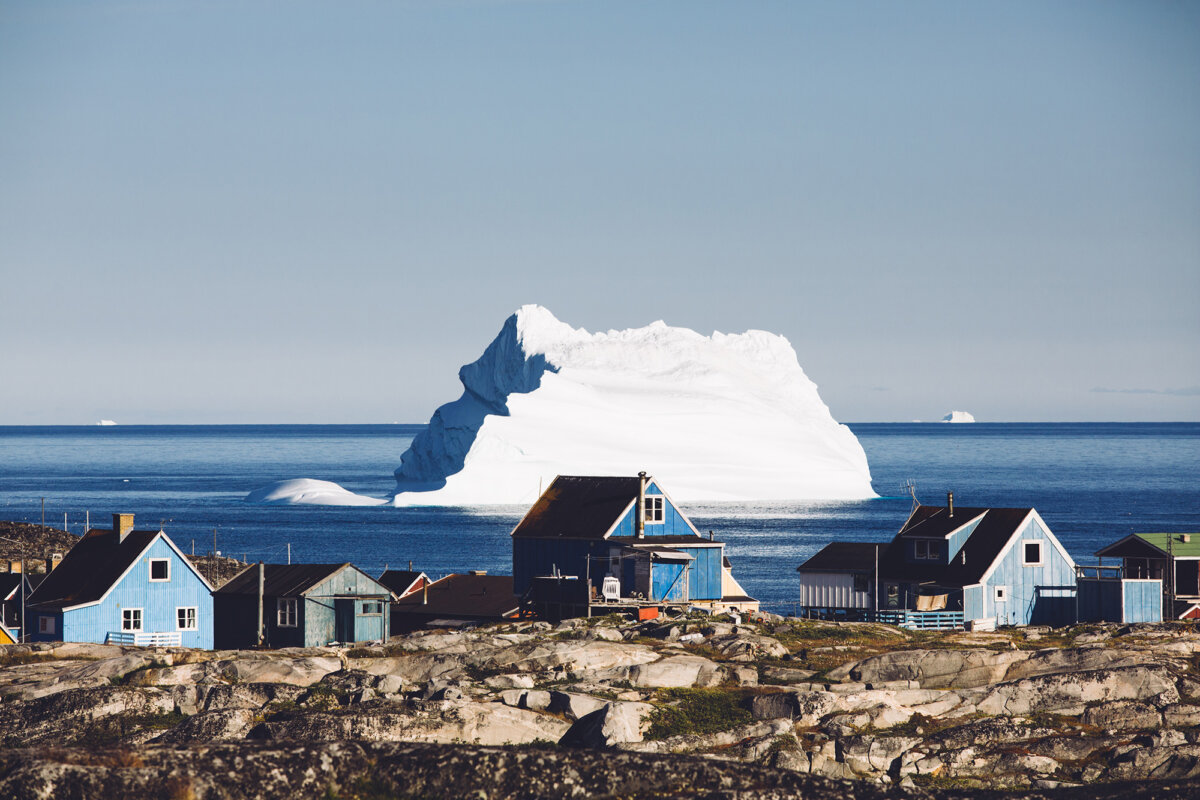
In a world where everything seems to get more crowded by the day, where every public place and business is jammed with people and patrons, the value of solitude is immeasurable. And it’s not just being alone—it’s being really and truly away. It’s the feeling of sailing off the map and stepping where, perhaps, no other human has set foot.
Over the course of traveling to more than 120 countries over a span of decades, I have found that my favorite destinations are remote places. From the Mongolian sands of the Gobi Desert to the farthest reaches of the polar regions, I’ve discovered the joy of the distant and faraway. Here are some of the best, remotest spots I’ve encountered—and how to get there.
Antarctica
The driest, highest, windiest, and coldest continent on earth remains almost wholly undiscovered. Antarctica is, in so many ways, a mind-boggling place. Some 98 percent of the landmass is sheathed in ice, which is, on average, more than a mile thick (and more than three miles deep at its thickest). This ice sheet contains more than 90 percent of the world’s surface freshwater.
The continent has no permanent residents—only research stations, which are run by about 30 countries. (The United States has three: Palmer Station on the Peninsula, Amundsen-Scott South Pole Station, and the huge McMurdo base, which grows to about 1,200 scientists and workers during the polar summer.) It’s hard to believe, but no human being actually landed on this huge landmass until the 19th century, and Roald Amundsen was the first to reach the South Pole in 1911—both fairly recent events.
Although a couple of companies offer opportunities to fly here, your most likely transportation and accommodation will be aboard an expedition cruise ship. I’ve visited Antarctica a total of eight times, and every time is unique and special. You’ll spend time zooming around in a Zodiac and spotting seals and icebergs and, if you’re lucky, orcas or humpback whales. If you land on the shore, prepare to be immediately surrounded by curious rookeries of gentoos or chinstraps or king penguins. You may even see emperor penguins.
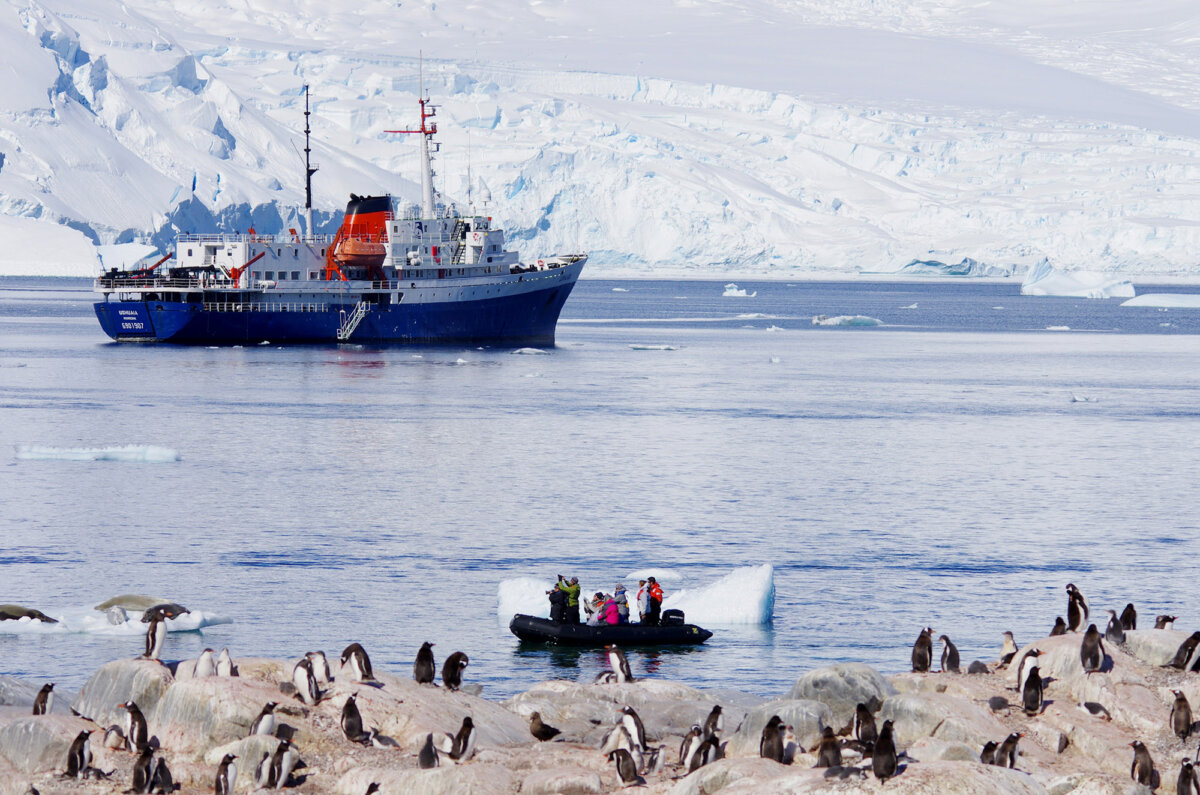
Although Antarctica is a busy place, especially with all the wildlife, it’s definitely worth taking time for moments of solace. Stay on the marked paths, but find a place to be silent. Look out on the snow-capped mountains and consider how many have been climbed—or even named. Let the enormity of this place overwhelm you in all the best ways.
Feel like an explorer, then get back on your ship for a hot shower, a steak dinner, and a good sleep so you can do it all over again the next day.
Mongolia and the Gobi Desert
You can’t quite appreciate the endless dimensions of the Gobi until you land right in the middle of it. This, the largest desert in Asia, covers more than 500,000 square miles. But somehow, it feels even bigger when you get right there on the ground.
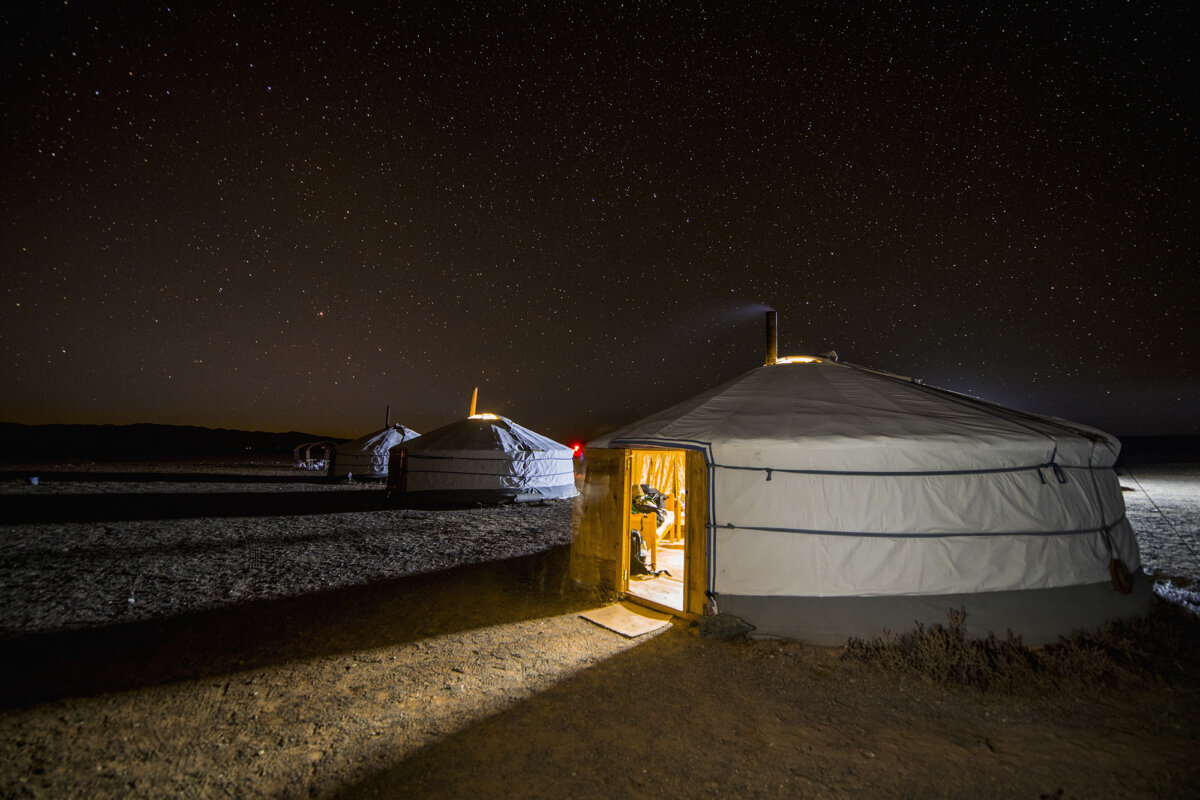
I’ll never forget my visit to the famed Three Camel Lodge. Our small plane from Ulaanbaatar, Mongolia’s capital, landed at a lonely airstrip where a line of four-wheel-drive jeeps waited to pick up guests. From there, we sped out onto the sand, long tails of dust trailing the vehicles as we left the roadway and rolled across the vast, arid landscape.
The lodge provided a comfortable place to relax after busy days, each room built like a traditional nomadic ger—a round tent—but with modern amenities, including a rain shower in the bathroom and a nice fireplace to warm nippy nights.
The lodge’s standard three-night package includes a number of things, including meals, horseback and camel riding, and ground transportation in those jeeps, and they can arrange and include airfare for an additional charge. Days were busy, spent exploring nearby Gobi Gurvan Saikhan National Park, climbing sand dunes, and searching for dinosaur bones, which still pop up below the famed fossil site at the Flaming Cliffs.
The best moments, for me, were the minutes I took here and there to contemplate the enormity of the desert. I felt the warm wind on my face, looked to the faraway horizon, and pictured the nomads who have roamed these lands for many thousands of years amid a completely timeless landscape.
Arctic
People sometimes confuse the Ultimate South with the Far North, but Antarctica and the Arctic are very different places. Are there similarities between the two polar regions? Of course. For starters, snow and cold define both.
But although human history in the Antarctic has been both recent and scant, the North is full of ancient, Indigenous culture. Traditions and languages have been passed down through the generations and vary across the endless expanse that stretches out north of 60 degrees.
Think: throat singing and drum dancing, storytelling, oral histories, and Inuit games. Some bonds are shared across the Arctic, while others are unique to individual communities. Add in later European arrivals—such as Greenland’s Norsemen—and the cultural tapestry only grows thicker.
There are so many natural wonders, from Greenland’s polar ice cap, which covers some 660,000 square miles, to the fearsome polar bears stalking the ice in Svalbard, the sea cliffs at the North Cape in Norway, and Iceland’s geysers, lava tubes, and hot springs. And so much more.
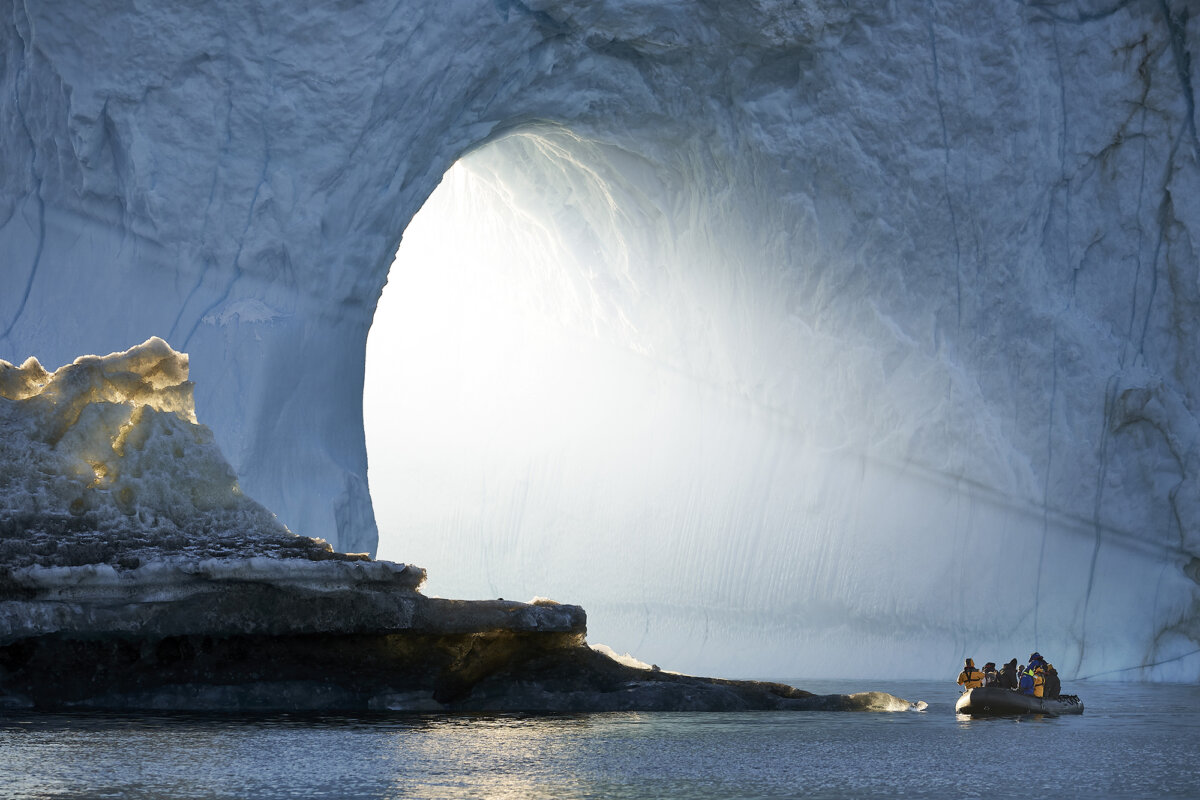
Again, the easiest way to reach these attractions is aboard an expedition ship—sailing along rugged and absolutely ageless landscapes. You’ll feel like Amundsen in the Northwest Passage or the Vikings in the fjords of Prince Christian Sound. But there’s value in staying awhile in one community, too, to experience the fullness of the culture and the warmth of its people in this cold and remote—and truly wonderful—place.
__________________
Five Spots for Solace and Solitude in the US
Yellowstone National Park: Yes, this famed park attracts its fair share of visitors—some 4 million people every year are drawn to its amazing wildlife and spellbinding geothermal wonders. But you can have all of that to yourself on its 1,000-or-so miles of backcountry trails.
Route 66 (Arizona): Sometimes, the best way to get away from it all is behind the wheel of a car, with your favorite playlist on the speakers and stunning landscapes rolling toward you. Stretches of the United States’ historic and legendary “Mother Road” persist. One of the best remaining segments traces a line through northern Arizona’s quirky towns and the Sonoran Desert, the blacktop stretching out of sight ahead.
Appalachian Trail: “The mountains are calling, and I must go.” There’s nothing like a good hike to clear the mind and reset. Yes, the full length of the Appalachian Trail—stretching 2,200 miles from Maine to Georgia—is probably a little ambitious. But picking a section and strolling for a few hours, or a couple of days, is a fantastic experience.
Big Bend Country, Texas: West Texas is an excellent place to get away from it all. Feel your energy returning as you hike the Lost Mine Trail or kayak the fresh water through canyons along the Rio Grande. Finish the day admiring the cosmos with some of the finest stargazing on earth.
Great Smoky Mountains National Park (Tennessee and North Carolina): Bisected by the state border, this popular park is home to some of the highest peaks east of the Mississippi. Avoid the crowds by hiking the trail to Grotto Falls. Or maybe just climb into an inner tube and float down Deep Creek, leaving your worries behind you.
