TV-14 | Action, Drama, Thriller | 2024
“Homestead: The Series” arrives at a moment when end-of-world thinking has moved from fringe talks to full-on dinner table debates. A large share of the public now treats a future catastrophe as plausible, sometimes even likely.
Some point to internal fractures and a slide into civil war. Others look outward toward foreign invasion. One of the older fears never left the conversation at all: nuclear weapons and the thin margin between policy and catastrophe. “Homestead: The Series” features how a nuclear blast affects a small community and commits to it with great effect.
The series, much like the movie of the same name, is also explicitly rooted in a Christian faith-based worldview. That faith shapes how many characters approach duty, mercy, family, and responsibility once the collapse has occurred.
The series approaches the disaster without chasing panic for its own sake. It understands that viewers already bring their own concerns to the party.
That awareness invites attention through a focus on the characters and a sense of continuity after the blast. Life doesn’t auto-reset into some sort of myth or fantasy. Living continues with people making choices that feel recognizably human even as the world closes in around them.
Conflict inside the homestead perimeter emerges from personal codes and loyalty, not external pressure alone. Residents hold firm ideas about duty and order and decide who merits protection. Those beliefs collide once daily choices carry consequences. Survival begins to hinge on trust and follow-through, with authority shaped by action instead of rank.
Holding Order Inside
The series opens with life already established inside the fortified homestead compound. Jeff Eriksson (Bailey Chase) works security alongside Evan Lee (Jesse Hutch), protecting residents under rules shaped by preparation and concerns about the outside world.
Jeff’s home life with Tara Eriksson (Kearran Giovanni) and their children, Abe (Tyler Lofton) and Georgie (Georgie White), shows what survival looks like once normal society is gone. Leadership remains unsettled due to the declining health of Ian Ross (Neal McDonough); his past authority still influences decisions even as others step in to manage daily operations.
In the first episode, into this closed system arrive Jacq Reynolds (Jill Wagner) and her husband, Tom Reynolds (Sam Page), with their family. Their arrival forces the compound to weigh compassion against security, policy against instinct.
Tom’s background as an engineer makes him immediately relevant, while Jacq’s presence affects the social balance inside the walls. Jenna Ross (Dawn Olivieri) works to maintain internal order, while younger residents like Claire Ross (Olivia Sanabia) begin to see cracks in the structure meant to protect them.
Preparation Meets Reality
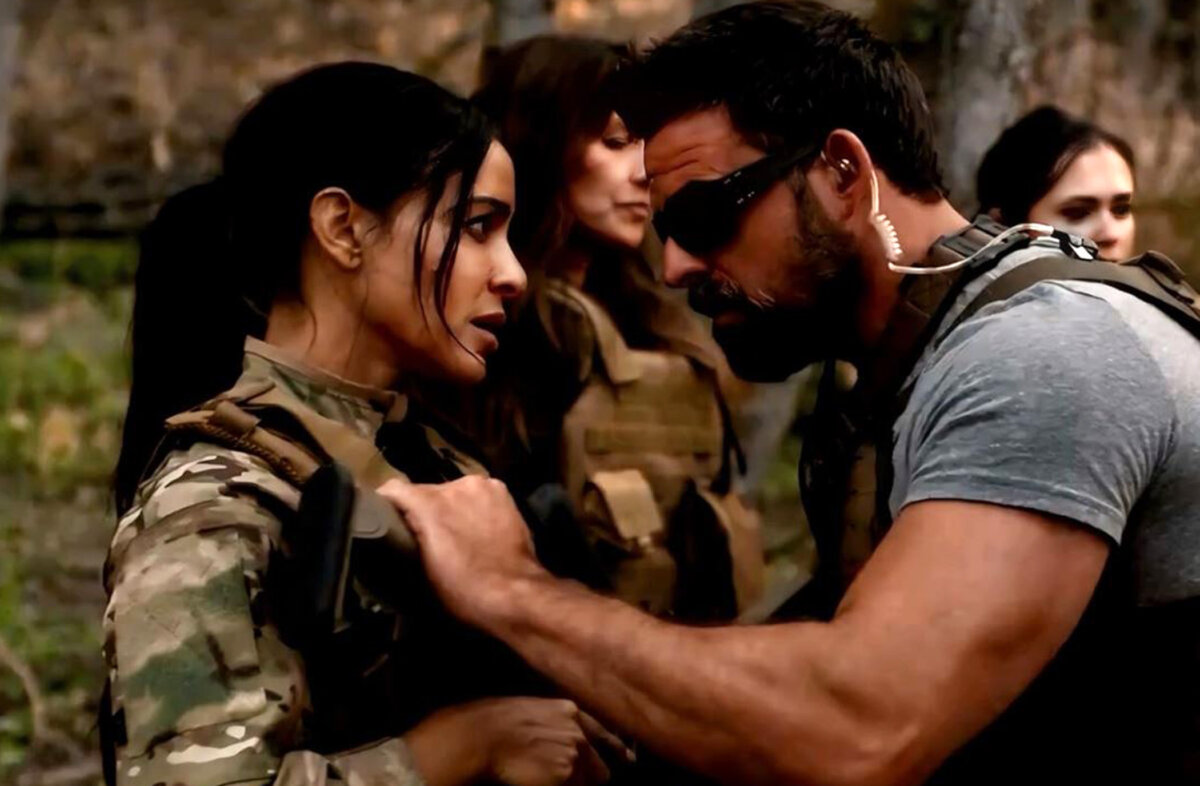
One of the strongest elements of this show is its attention to practical behavior once survival becomes routine. People argue. Cliques form. Authority gets tested in small ways before it ever breaks in big ones. The show understands that a fortified refuge doesn’t create unity by default. It creates friction, especially when everyone believes that they’ve prepared for such a disaster scenario the right way.
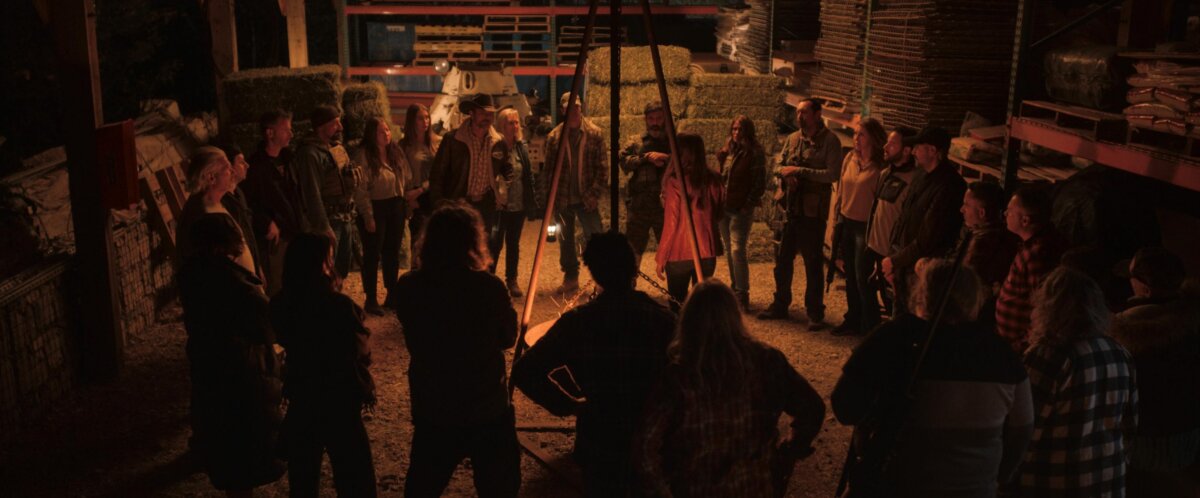
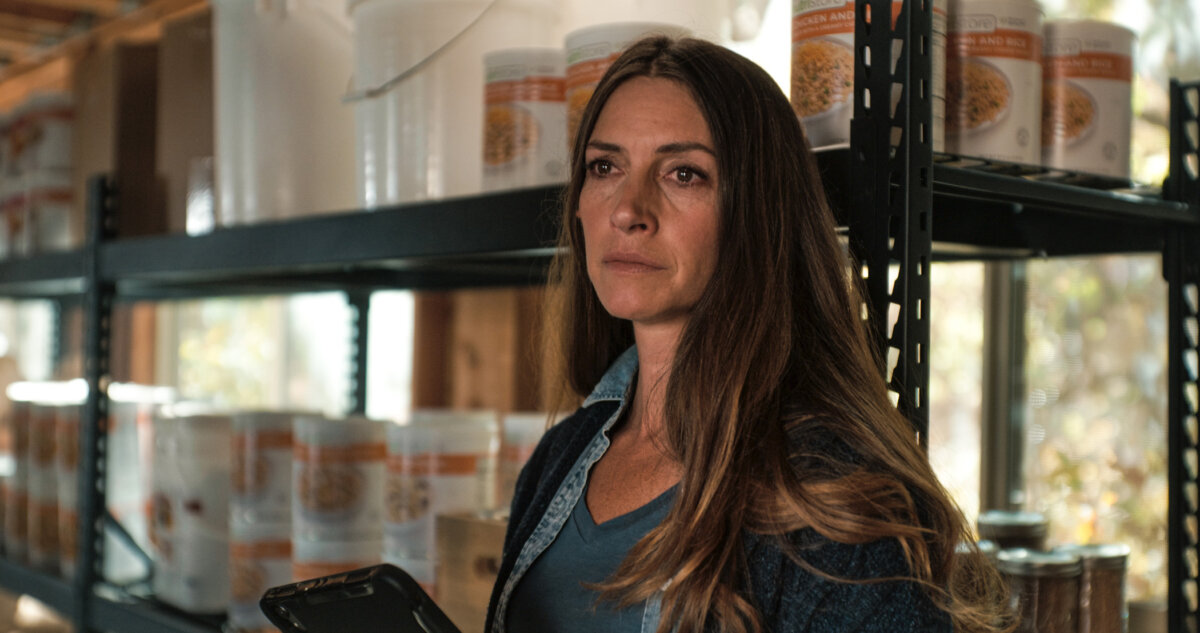
The physical details sell that idea. Food storage areas are watched closely and accessed with caution. Security teams do not just carry weapons; they maintain them. There are scenes where rifles are stripped down, bolts wiped clean, and magazines checked. Those moments matter because they show habits formed long before the first episode began. This is a community that trained for collapse. Now it has to live inside that training. Homestead feels like a true prepper paradise.
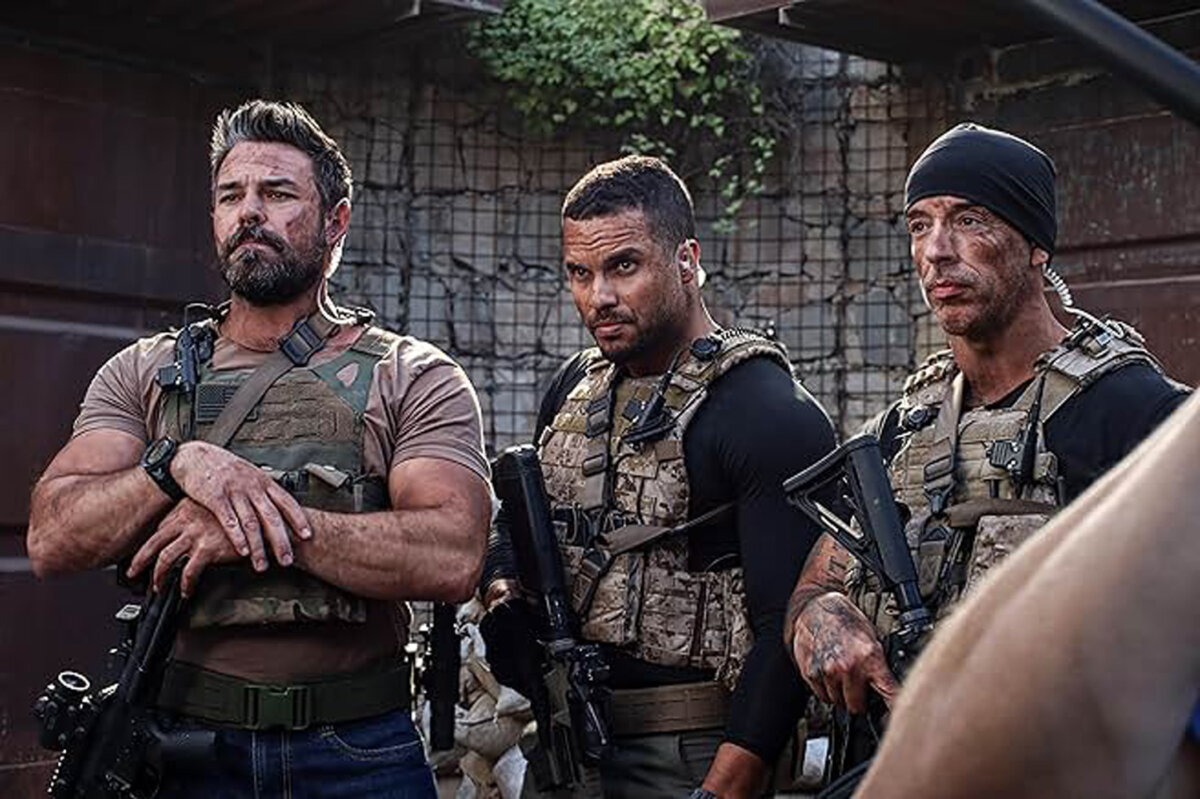
Security work is portrayed as labor, not chest-puffed-out-hero posing. Men rotate patrols, clear areas, check angles, and move with coordination that reflects real military tactics, with some allowance for suspense.
When threats appear, responses feel planned even when they fail. That gives the series credibility without turning it into a technical manual. There is the sense that someone behind the camera has seen how real units operate under stress.
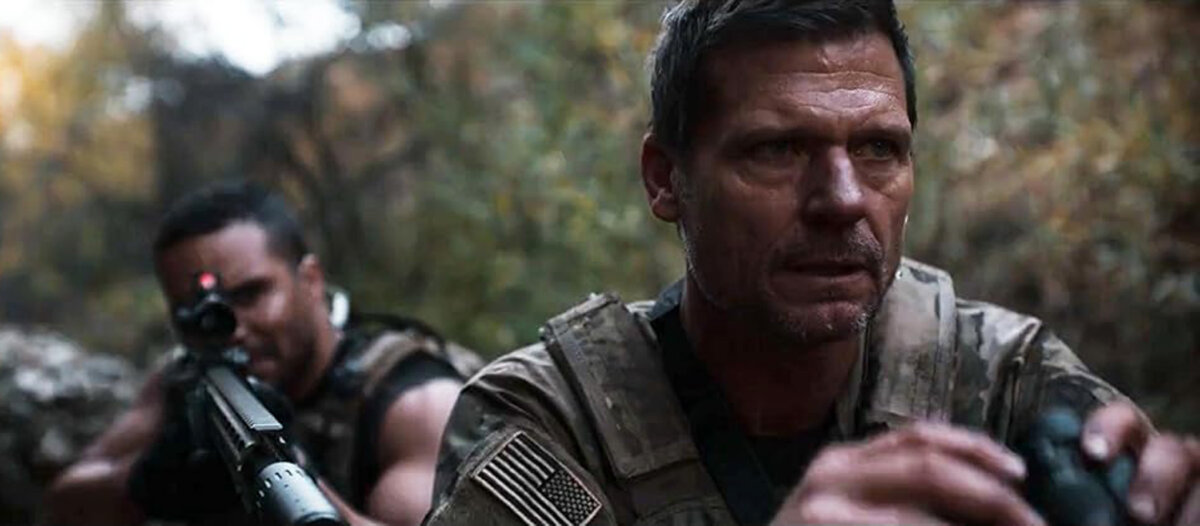
The infighting inside the compound feels just as important as anything outside the walls. Disagreements over rules, access, and authority build gradually. People remember who helped them yesterday and who didn’t. That memory drives future choices in ways that feel human and occasionally frustrating.
There is also room for dry humor in how people cling to their routines. Some folks still insist on procedure, while others ignore it and cause problems. There are also those who believe that planning solves everything, until it doesn’t.
That contrast gives “Homestead: The Series” a fascinating sense of perspective. The series succeeds because it treats survival as a long process shaped by people, their habits, and the various consequences that result from their choices; larger issues are unresolved enough to prompt viewers to stay with it.
“Homestead: The Series” is available on Angel Studios.
‘Homestead: The Series’
Creators: Ben Kasica, Jason Ross
Starring: Jesse Hutch, Bailey Chase, Olivia Sanabia
Episodes: 8
Rating: TV-14
Release Date: Dec. 20, 2024
Rated: 4 stars out of 5
What arts and culture topics would you like us to cover? Please email ideas or feedback to features@epochtimes.nyc