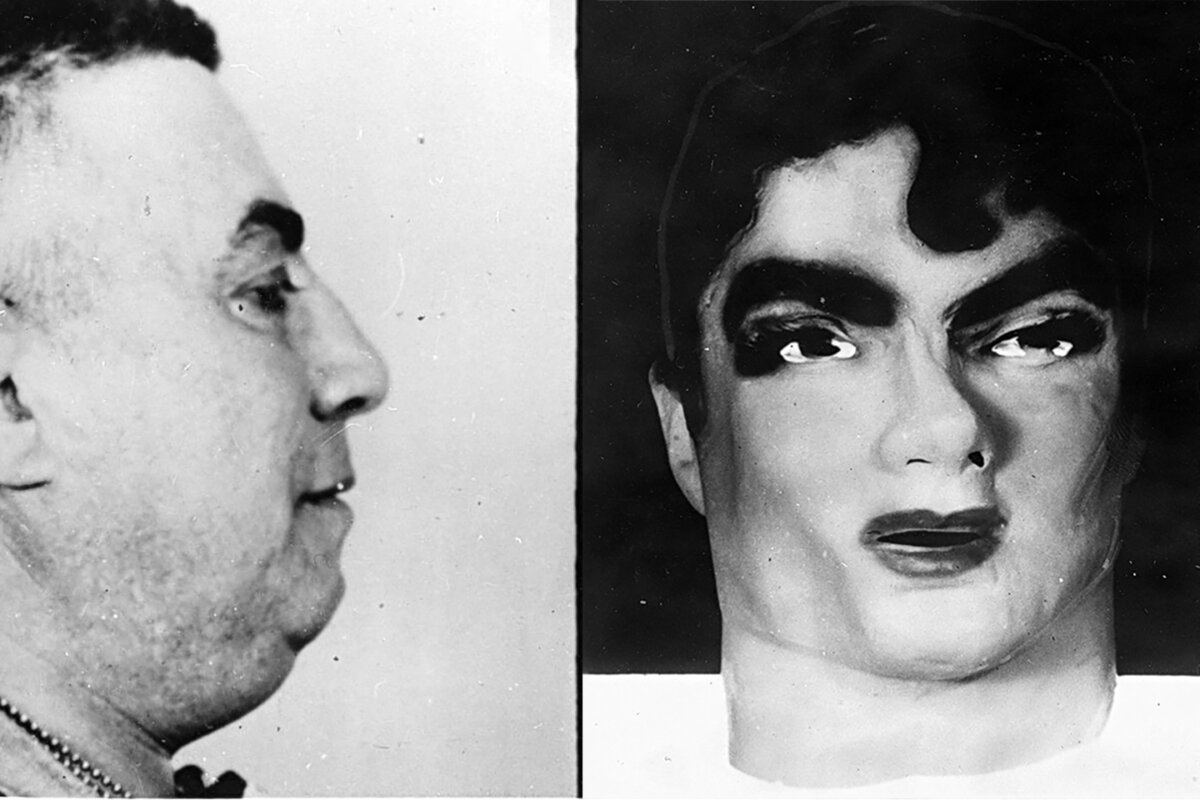
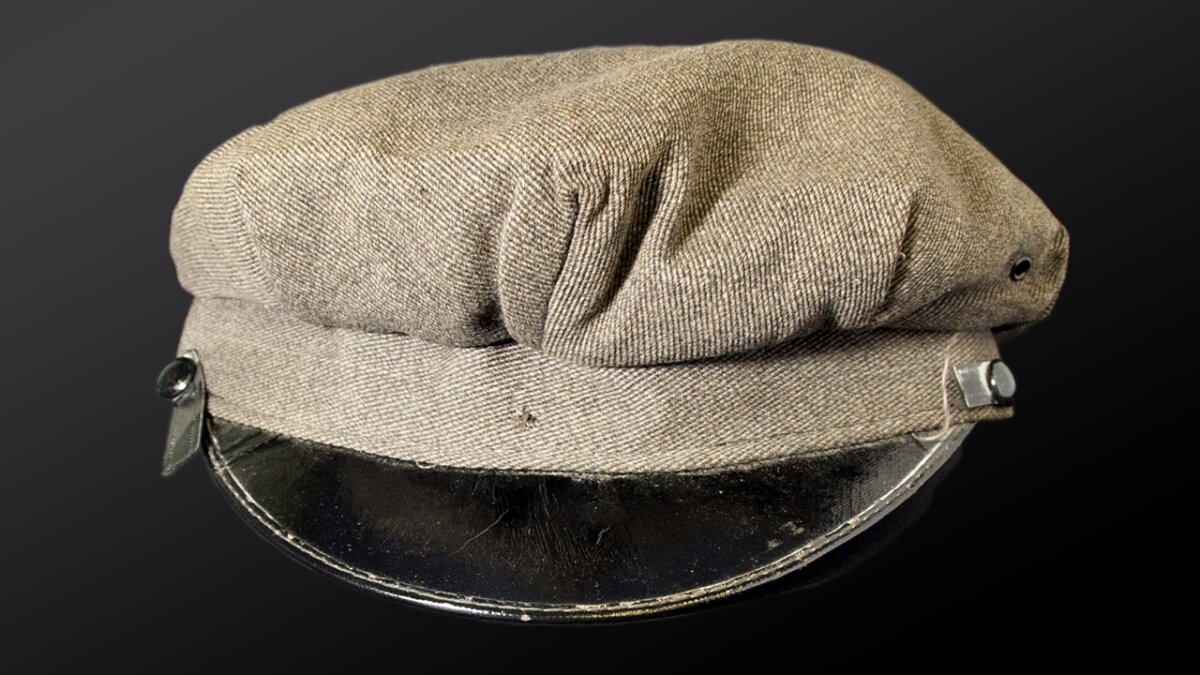
The lights were out on Prince Street. In the darkness, a flashlight flashed off and on several times. The all-clear had been given. Seven men in peacoats, chauffeur’s caps, and gloves emerged from the back of a 1949 Ford stake-body truck. The “crime of the century” was about to take place.
The heist of Brink’s in Boston had been more than two years in the making. Anthony Pino had eyed the Brink’s building in 1947 when it was located on Federal Street. The move to Prince Street in December 1948 proved a Christmas gift to the well-known Boston thief. The new location simplified the hit.
It came down to accruing the right team and creating a plan. Pino recruited wheelman, Joseph Sylvester Banfield; Vincent James Costa as a lookout and signal man; Joseph James “Specs” O’Keefe and Stanley Albert Gusciora as two “strong-arms suspects”; and Michael Vincent Geegan, Adolph “Jazz” Maffie, Henry Baker, James Ignatius Faherty, and Thomas Francis Richardson, who were known in the city’s underworld as competent thieves.
When recruiting was complete, casing the joint began. The men found spots along the surrounding rooftops to watch Brink’s employees through binoculars. Soon the men made excursions inside the Brink’s building after hours when the employees were gone. The purpose was to locate the vault, but, more importantly, to note how many doors had to be opened.
The thieves were not planning to force the employees to open the doors. Instead, over the course of months, keys were made for each lock cylinder. To create a key, the thieves removed the lock cylinder, took it to Pino, who took it to a local keymaker. After making the key, Pino returned the cylinder to his men, and they would replace it the same night. No Brink’s employee was the wiser.
Perfect Timing
Over the course of about a month beginning in mid-December 1949, the thieves made several “false approaches” to break into the building, but each time it was called off. The opportunity, for whatever reasons, was not right. On this dark January night with the street lights fortuitously off, the right opportunity had arrived.
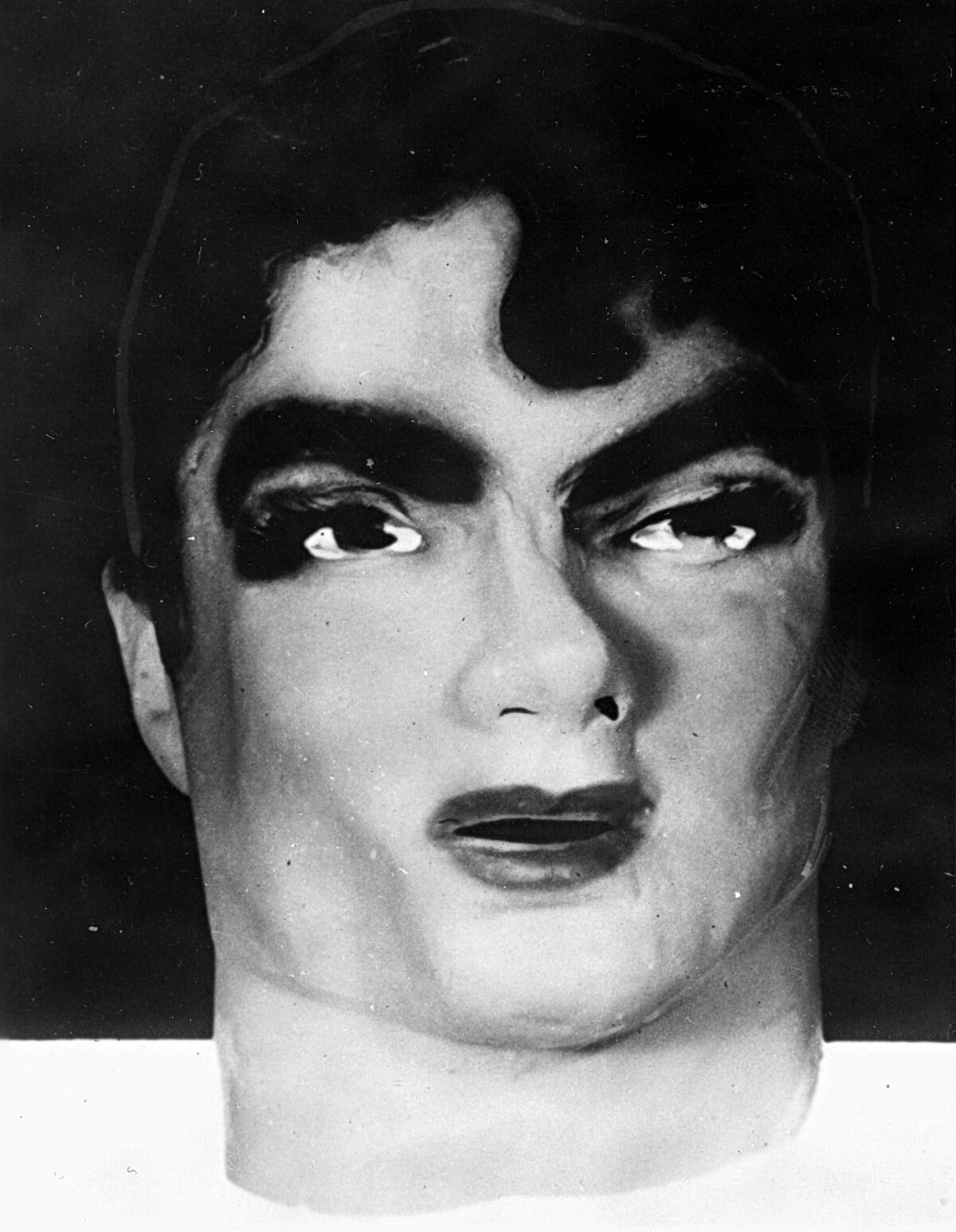
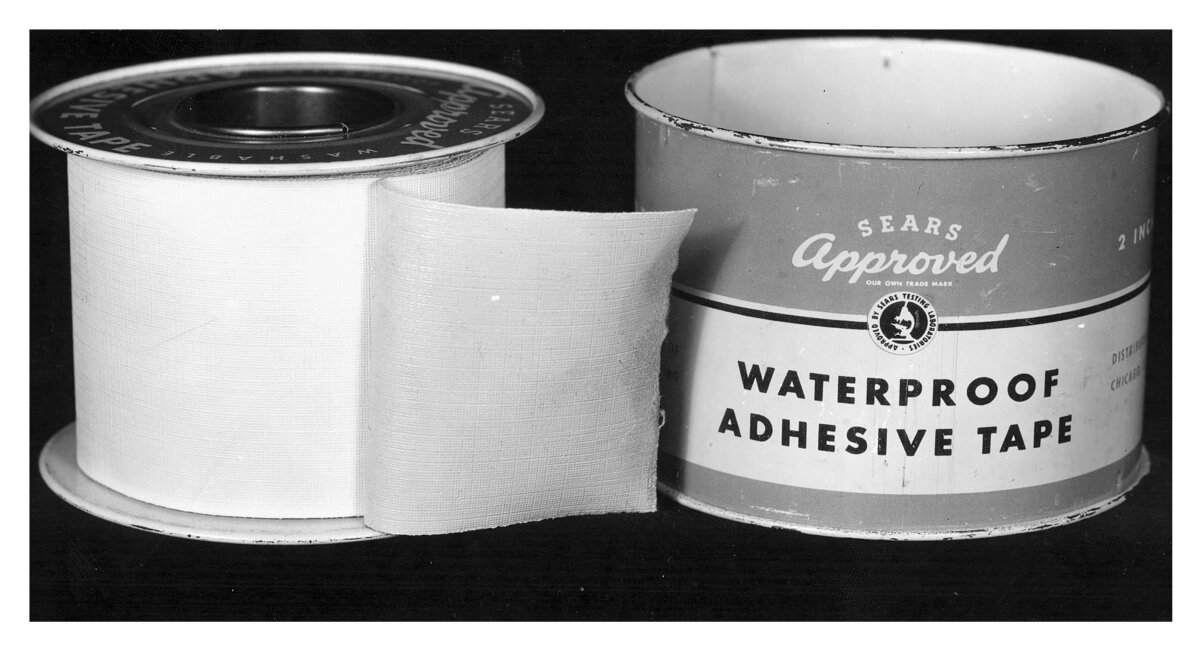
Donning Halloween masks and carrying several guns, adhesive tape, and rope, the seven men walked to the front door of the Brink’s building, turned the key, and opened the door. It was during this week in history, on Jan. 17, 1950, at around 7:30 p.m. that the largest heist in U.S. history, up to that time, took place.
The following morning, The Boston Daily Globe’s headline read “$1,500,000 HOLDUP.” The thieves had waltzed in quietly, taken the five employees by surprise, covered their mouths with tape, and tied their hands behind their backs. Using their keys, the thieves opened the vault and filled their bags with $1,218,211.29 in cash, and $1,557,183.83 in checks, money orders, and other securities.
They attempted to open the metal payroll box belonging to General Electric, which had $1 million, but the effort proved fruitless. The thieves spent all of approximately 20 minutes pulling off the heist. They then quietly grabbed the bags, walked out, jumped into the truck, and sped off.
‘The Perfect Crime’
The Brink’s employees were able to untie themselves and immediately sounded the alarm. The Boston police arrived on the scene. The employees could not identify any of the culprits. No fingerprints were left behind. The only clues left were the ropes, the tape, and one of the chauffeur caps. Theories of how the heist transpired quickly swirled.
“There is no doubt it was an inside job,” proclaimed Boston police superintendent, Edward W. Fallon, to reporters. Fallon’s theory was wrong.
The Massachusetts State Police and the local FBI joined the case in hopes of uncovering new evidence or finding a lead.
Locals reported seeing a truck outside the Brink’s building the night of the robbery. On March 4, the truck, or what was left of it, was discovered at a dump in Stoughton, about 20 miles south of Boston. The truck had been cut into pieces by an acetylene torch with many other parts smashed by sledge hammer. Pieces of the truck were found, but it did not help piece together the puzzle.
The heist was truly inexplicable and was heralded as “the perfect crime.” Luckily for local detectives and agents, those capable of undertaking such a robbery were known commodities. Law enforcement knew who to talk to and how to apply pressure. If they couldn’t find the evidence, perhaps the evidence would come to them.
A Waiting Game
FBI agents began putting the screws to numerous criminal organizations in Boston, placing their activities under a microscope. The underworld became anxious, but apparently either no one knew who committed the crime, didn’t care that it was committed, or both.
Tips came in by the hundreds but all led nowhere. Authorities continued to scour the area, questioning every known criminal in and out of jail. Finally, the crosshairs pointed to Pino, who was known in Boston as a “case man.” His alibi, however, was solid. He claimed to have been at home and then walked to a liquor store owned by Joseph McGinnis where he spoke with McGinnis and a local police officer around the time of the robbery. The officer corroborated the story.
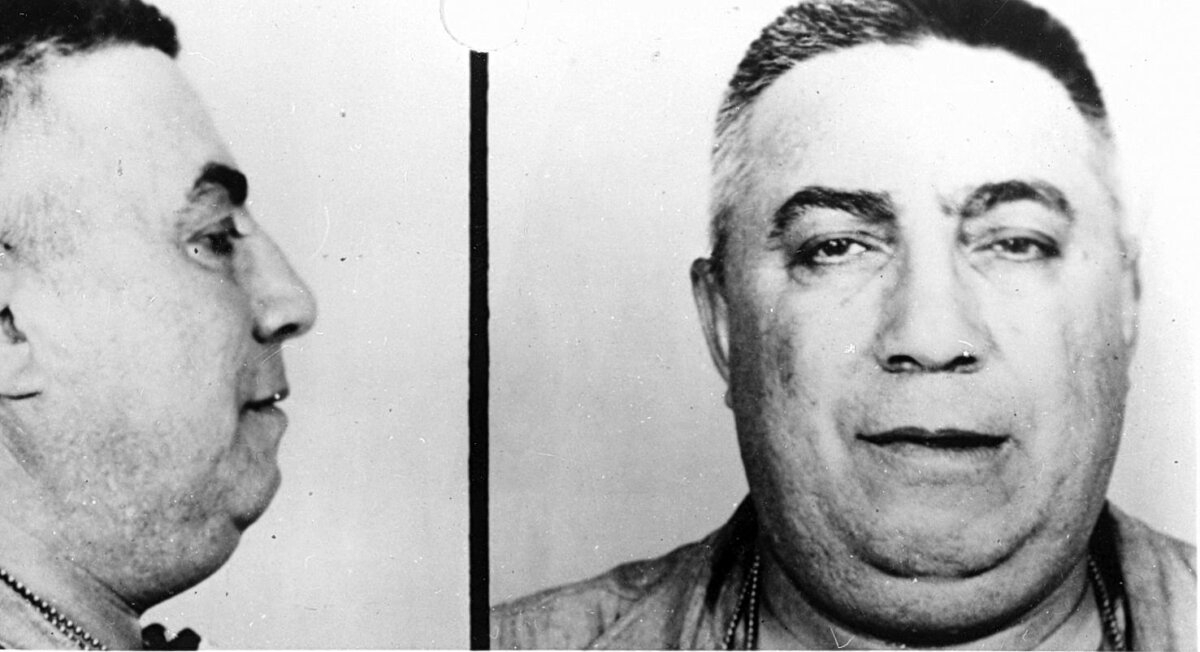
Pino’s known associates, like O’Keefe and Gusciora, also had reliable alibis. Although the authorities believed they knew at least some of the culprits, they couldn’t prove it.
For Pino and the rest of the gang it was a waiting game. If they had indeed conducted the “perfect crime,” then no evidence would be found and they would eventually be home free. The night after the robbery, the members of the gang had gathered to divide the money. It was agreed that each would receive $100,000 (more than $1.3 million today), but they would wait six years to spend it. By then, the statute of limitations would expire.
For the FBI and the police, the clock was ticking. They knew the longer the case took, the more difficult it would become to solve. On June 12, though, they caught a break. Luckily for the officers, they were dealing with career criminals, and with so many involved in the heist, at least one would slip up eventually. In this case, it was two.
Dodging Indictment
O’Keefe and Gusciora had left Boston, heading for Missouri to visit Gusciora’s brother’s grave. The two made numerous burglaries during the trip. One night they were pulled over for speeding in Towanda, Pennsylvania. When their car was searched, stolen guns and clothes were discovered. O’Keefe was sentenced to three years on firearms charges. Gusciora, who was convicted of burglary, was also tried in a different Pennsylvania county and convicted for burglary, larceny, and receiving stolen goods.
While in jail, O’Keefe agreed to leave his share of the money for safekeeping with “Jazz” Maffie. Trusting a thief with $100,000 was a decision that would haunt him and the gang.
As O’Keefe and Gusciora sat in their respective jail cells, the rest of the gang was hardly at ease. The FBI believed they had their culprits. They presented evidence against all 10 members to a federal grand jury on Nov. 25, 1952. The evidence, unfortunately, was flimsy. It was during this week in history, almost to the day of the Brink’s robbery, on Jan. 16, 1953, that the grand jury decided not to indict.
The FBI knew it had its men. They also knew time was of the essence. It now became a waiting game for the federal agents. Waiting to see who would slip up or crack.
Dodging Bullets
After serving his three-year sentence, O’Keefe was sent to McKean County, Pennsylvania, to stand trial for a burglary charge. He also had to return to Boston to stand trial for violating probation. He posted bond for both trials, which cost him about $19,000. While in Boston in early 1954, authorities observed him making contact with several of the suspects. When O’Keefe returned to McKean, he was found guilty, to which he quickly appealed and was released on a $15,000 bond.
O’Keefe was bleeding money. When Maffie told O’Keefe that all of his money was gone due to his legal fees and that the rest had been stolen, O’Keefe was beside himself. When other members of the heist suggested Maffie spent it all, he was enraged. It was O’Keefe and his decision to leave his money with Maffie that proved to be the criminal gang’s loose end.
Awaiting the ruling on his probation violation in Boston, O’Keefe demanded his money. His demands soon turned to threats against the others. With less than two years before the statute of limitations expired, the members of the gang feared O’Keefe would blow it for all of them. A decision was made to snuff out the problem.
In the early morning of June 5, 1954, in Dorchester, Massachusetts, a car slowly pulled up beside O’Keefe’s car. Gunshots broke the morning air, but somehow he survived. Nine days later, O’Keefe confronted Baker, one of the thieves. The confrontation led to gunfire. Baker fled. Neither were hit.
Members of the gang resolved to hire a professional: Elmer “Trigger” Burke. On June 16, Burke found O’Keefe in Dorchester. He fired more than 30 machine gun rounds, hitting O’Keefe in the wrist and chest. Most of the bullets missed their target and somehow O’Keefe fled and survived his wounds. The following day, Burke was arrested. O’Keefe was nowhere to be found.
The Beginning of the End
At the scene of the shooting, police found O’Keefe’s wristwatch, which had been shot off. They also found a .45 caliber pistol. O’Keefe had again violated his probation. The police just needed to find him.
Less than two months later, he was arrested in Leicester, Massachusetts. On Aug. 5, he was sentenced to 27 months in prison. The walls had literally and figuratively closed in on him. His share of the money apparently spent, his associates trying to kill him, and now facing another prison sentence, O’Keefe had reached his end, and the local FBI agents knew it.
By the end of 1955, agents began making regular visits to O’Keefe. There were only weeks left before the FBI could no longer bring charges. They needed a confession. O’Keefe fought the concept of betraying his comrades, but by early January, his resolve began to wane, and on Jan. 6, 1956, he looked at the two visiting FBI agents and said, “All right. What do you want to know?”
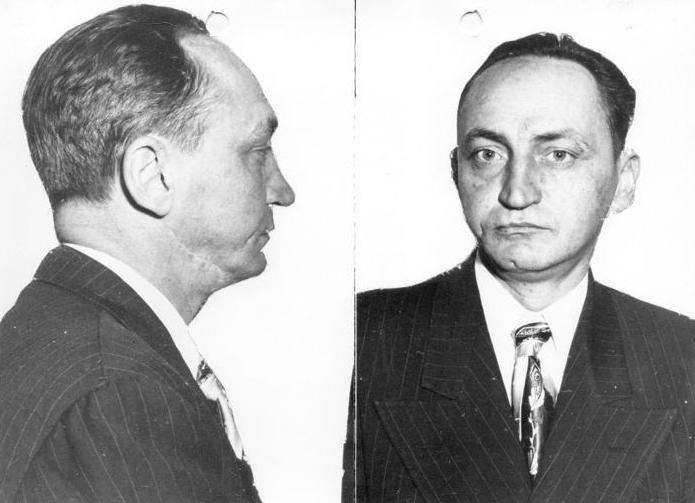
District Attorney Garrett H. Byrne of Suffolk County sat with O’Keefe for more than three hours getting his confession. The case immediately went before the grand jury. It was during this week in history, on Jan. 11, 1956, with six days to spare before the statute of limitations expired, that the grand jury indicted all the members of the Brink’s robbery. This included the previously unknown associate, Joseph McGinnis (by this time, Banfield had died of natural causes).
Each surviving member was sentenced to life in prison for the Brink’s crime (Gusciora also actually died of natural causes before the indictment). O’Keefe, however, was sentenced to four years for his cooperation. When he got out of prison, his name was changed, and he was removed to California where he died in 1976.
It took six years and cost $29 million to bring the criminals to justice. None of the members of the gang confessed to where the money was hidden. To this day, hardly any of it has ever been recovered.
Never miss a This Week in History story! Sign up for the American History newsletter here.
What arts and culture topics would you like us to cover? Please email ideas or feedback to features@epochtimes.nyc