




With America’s 250th birthday celebration just beginning, this is the perfect time to remember the past as we focus on the future.
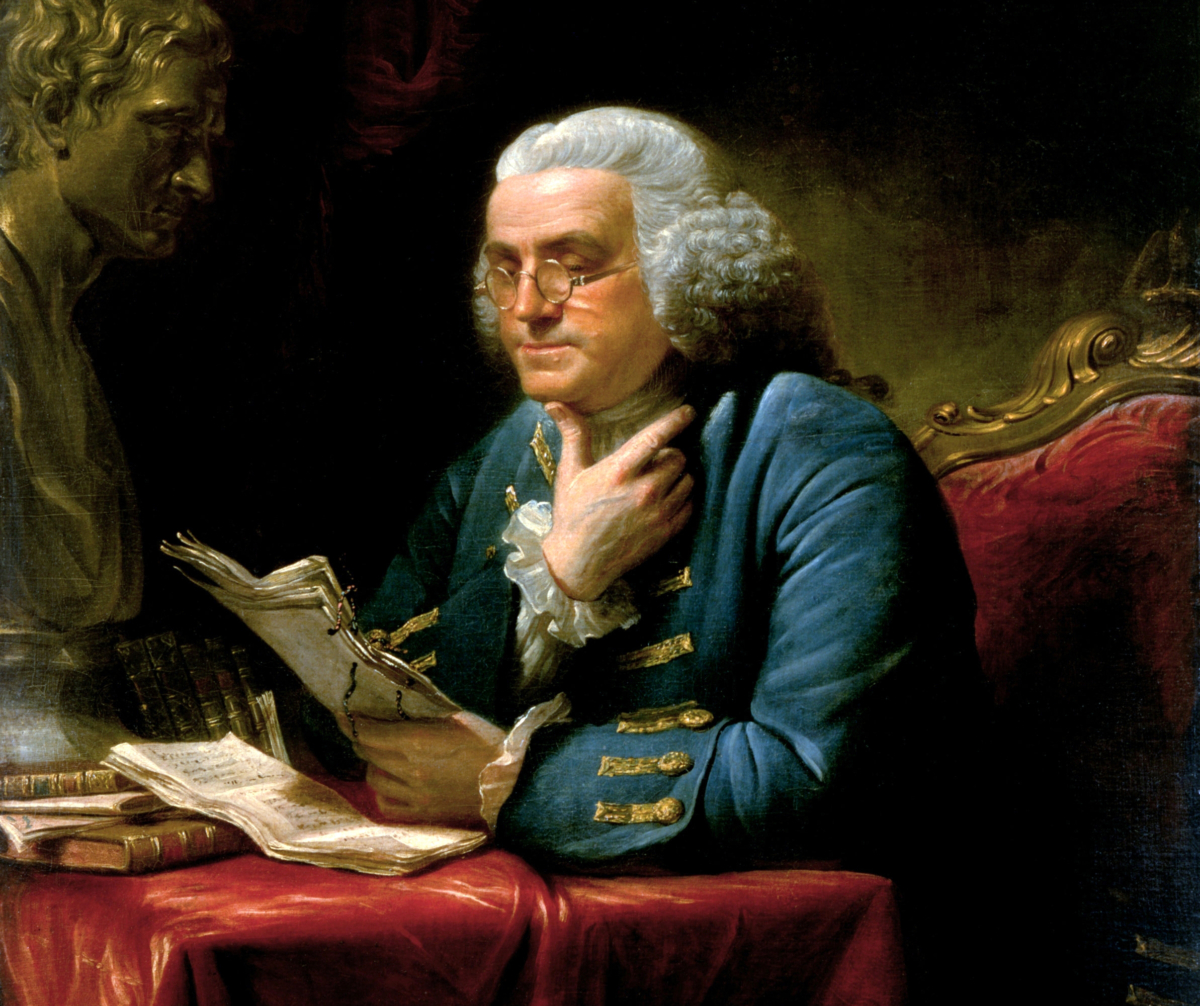
Many Founding Fathers studied Latin, Greek, philosophy, history, and rhetoric, often through private tutors or at early American colleges. This “classical education” was considered essential for leadership and included strong grounding in classical literature, history, law, and Enlightenment philosophies. Reading heavily influenced their political thought.
Literacy, that is, the ability to read, write, speak, listen, and use numbers to understand, communicate, and function effectively, was high. Some scholars believe that in the northern colonies 70 percent to 95 percent of men were literate. It was not limited to the Founding Fathers.
Today, literacy is on the decline. U.S. math and reading scores have reached historic lows for some grades, especially since the pandemic. According to The Nation’s Report Card, the nation’s reading and math scores dropped sharply from 2020 to 2022. A sweeping new study from the University of Florida and University College London has found that daily reading for pleasure in the United States has declined by more than 40 percent over the last 20 years.
Some key factors include the impact from increased screen time on both adults and children, inclusion of inappropriate content in books, busy schedules, and the perception of reading as a chore rather than a leisure-time activity.
The truth is that reading hasn’t vanished; it’s just lost its popularity. The benefits are still enormous, but the competition is louder. As a retired teacher and a voracious reader, I hope to play a small role in reigniting the Founding Father’s passion for reading today by recommending children’s literature that is enjoyable and relevant.
The Read-Aloud
Adults may not not realize that reading aloud increases vocabulary and comprehension, stimulates imagination, promotes empathy, and fosters a love for reading. All these factors lead to success in school and life. Most of all, reading together is great bonding experience for parents and their children.
Read-aloud books are good quality literature that you read orally with others for fun. While any book can technically be read aloud, some are better suited than others. There are those I consider the crème de la crème of literature to be read aloud to children. These are often above the children’s reading level but should not be above their listening level. Some of these “read-aloud books” are appropriate for all ages, including teenagers.
The last verse of one of my favorite poems “The Reading Mother” by Strickland Gillilan expresses my fondness for this type of book.
You may have tangible wealth untold;
Caskets of jewels and coffers of gold.
Richer than I you can never be—
I had a Mother who read to me.
The best book that I know to help parents, teachers, and interested adults explore the joy and power of read-aloud books is the “Jim Trelease’s Read-Aloud Handbook: Eighth Edition Paperback” by Jim Trelease and Cyndi Giorgis. Recommended by “Dear Abby” when it first came out in 1982, it was updated and revised in this eighth book iteration by education specialist Giorgis. Trelease, the reading guru of the read-aloud world died in 2022.
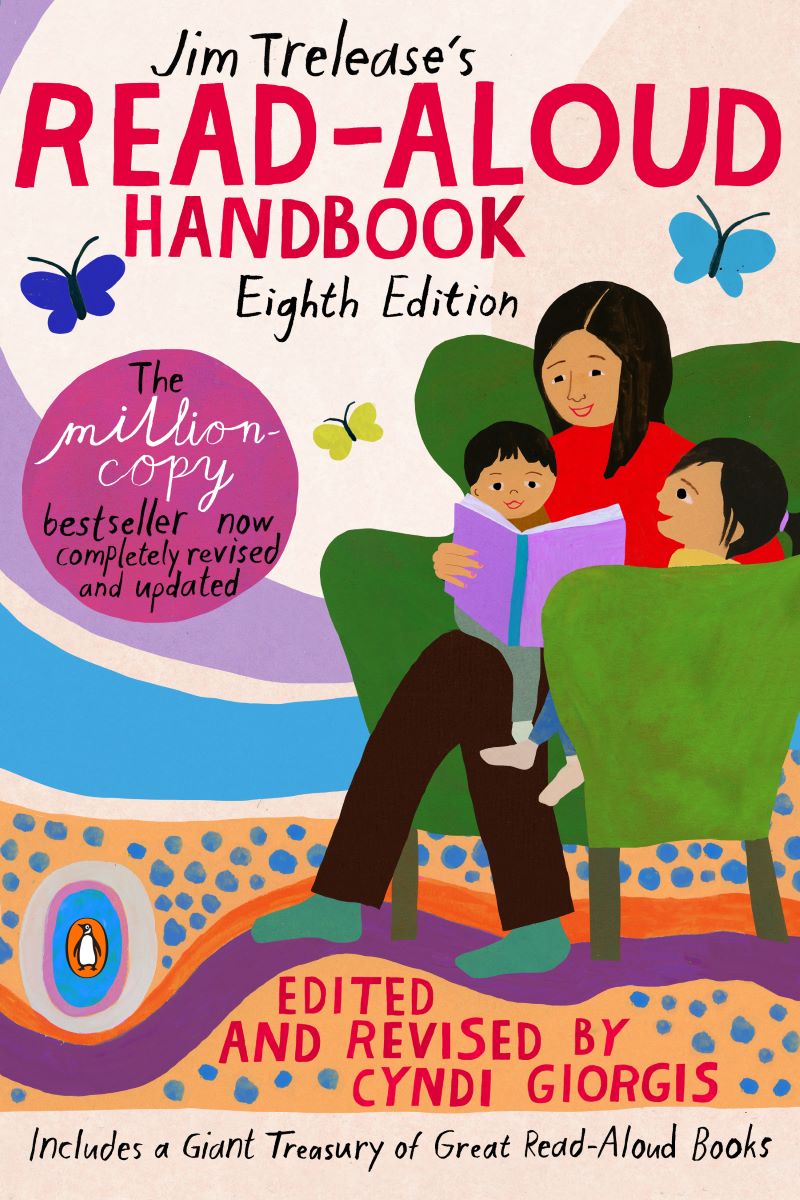
Trelease’s edition is like an encyclopedia in that it answers many questions on this topic. The intriguing facts in the book are augmented by interesting tales. The rest of the treasury lists books and their summaries according to “listening level” (not the child’s reading level). These levels are just guides and vary from child to child.
Many other books that are enjoyable, reinforce the positive nature of reading aloud: “Honey for a Child’s Heart: The Imaginative Use of Books in Family Life“by Gladys Hunt and Mark Hunt, “Raising Kids Who Read: What Parents and Teachers Can Do” by Daniel T. Willingham, and “The Read-Aloud Family: Making Meaningful and Lasting Connections with Your Kids” by Sarah Mackenzie.
I hope you enjoy reading aloud. I believe you will find this activity to be one of the most important investments we can make in our children and in our future, just as the Founding Fathers did.
What arts and culture topics would you like us to cover? Please email ideas or feedback to features@epochtimes.nyc
