Musical travelogues are plentiful in classical repertoire. Mozart takes us to his favorite city with the “Prague” symphony. Mendelssohn invites us to Scotland with his “Hebrides Overture.” And the American composer Ferde Grofé takes listeners to Arizona with the “Grand Canyon Suite.”
“My dear, incomparable Italy,” Russian master Pytor Ilyich Tchaikovsky once wrote, in a letter to a friend, expressing his deep affection for the country.
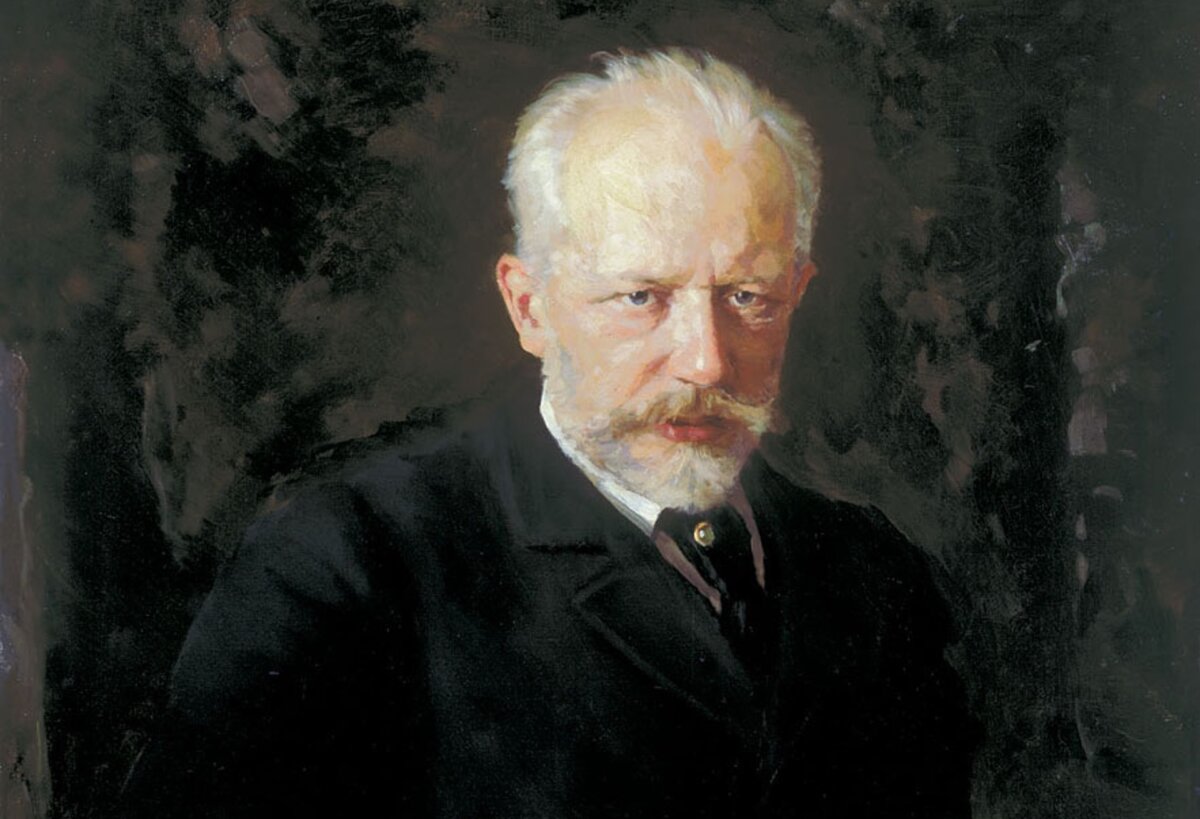
Tchaikovsky provided one of music’s most vivid evocations of travel to a foreign city. He made six trips to Rome between 1874 and 1890. His third sojourn, from December 1879 to early March the following year, was an extended stay during which he combined sightseeing with work on various compositions, including a revision of his Symphony No. 2 and a transcription of his Piano Concerto No. 2.
He gained inspiration from visits to the Forum, the Appian Way, and the Vatican, where he proclaimed: “I sat for a long time in the Sistine Chapel—an absolute miracle. For almost the first time in my life I was enraptured by the art of painting.”
It was also Carnival season, and the air was resonant with the sound of folk music and street songs. Each evening when he returned to his room at the Hotel Constanzi, Tchaikovsky wrote down the tunes he had heard in the city. He then combined these with material from printed anthologies of Italian traditional music, at length assembling them into a 15-minute orchestral cornucopia by turns noble, whimsical, soaring, raucous, and triumphant. Its name: “Capriccio Italien,” or “Italian Capriccio.”
Featured on both standard classical concerts and pops programs, it’s one of the composer’s most enduringly popular shorter compositions. It suggests a day in Rome, as heard here. (Listen)
We are awakened by the sound of trumpets. This is the bugle call Tchaikovsky heard every morning issuing from a military building adjacent to his hotel. It ends with a triplet figure that continues into the next section.
At 0:46 comes a somber melody in the strings punctuated by those brass triplets. The day has begun. At 1:59, the somber tune is given over to oboe and flute. Supported by intensifying strings, the melody builds and builds until at 2:43, a cymbal crash announces the return of the bugle call. Dressed and breakfasted, we are out on the streets at last.
It’s back to the somber tune again, this time given over to the lower woodwinds of English horn and bassoon. At 3:44, we start out on a gentle stroll through the beauties of Rome with a pleasant march tune, medium tempo, first in the oboes, then the trumpets. This is the central melody associated with the piece.
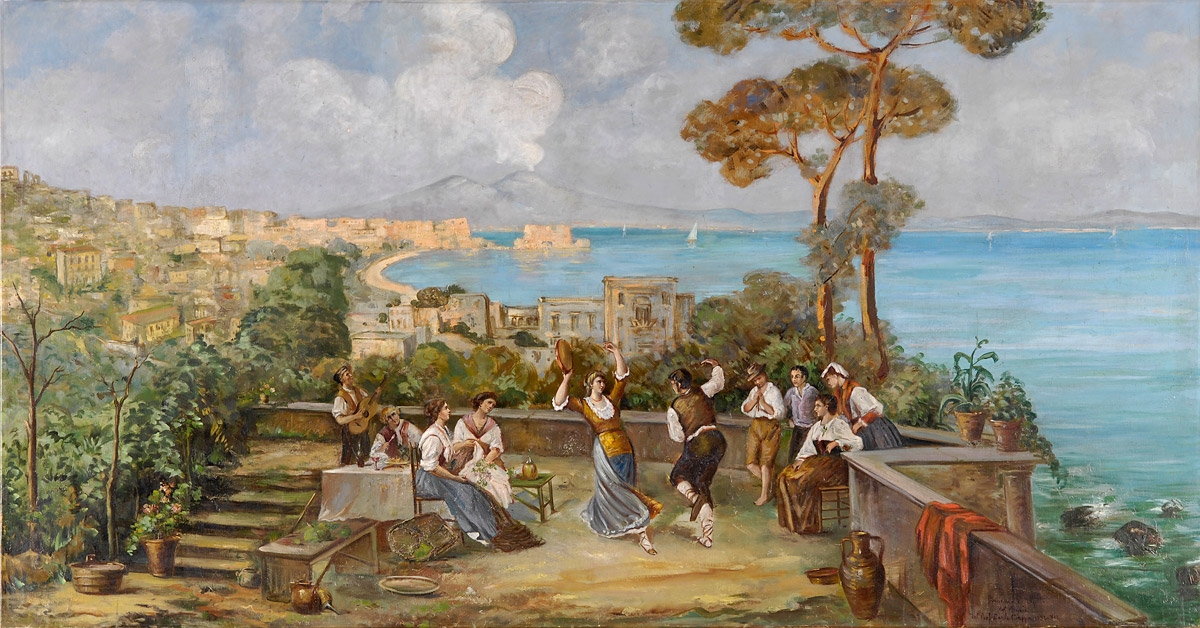
At 6:44, we come upon a group of Carnival celebrants dancing the characteristic dance of Italy, the vivacious tarantella. A sweeter tune ensues and then another. “Capriccio Italien” is nothing if not a treasure box of melodies.
At 9:14, our somber tune returns, as if we have walked full circle. This is followed by yet another tarantella-type melody.
The central melody (with the oboes and trumpets) comes back full force at 12:37 and takes us to the closing.
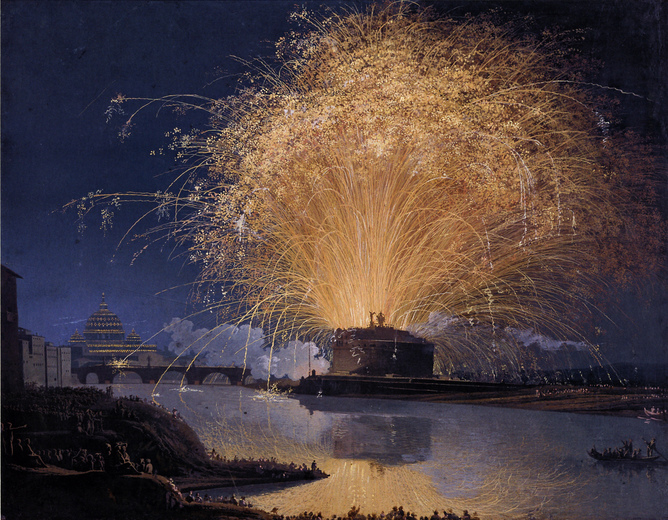
We’ve enjoyed a whirlwind trip of quickly changing melodies and dance tunes! Unlike most everything else this composer wrote, “Capriccio Italien” cares nothing for formal niceties. It’s like fireworks that go off overheard with no discernable pattern.
What arts and culture topics would you like us to cover? Please email ideas or feedback to features@epochtimes.nyc