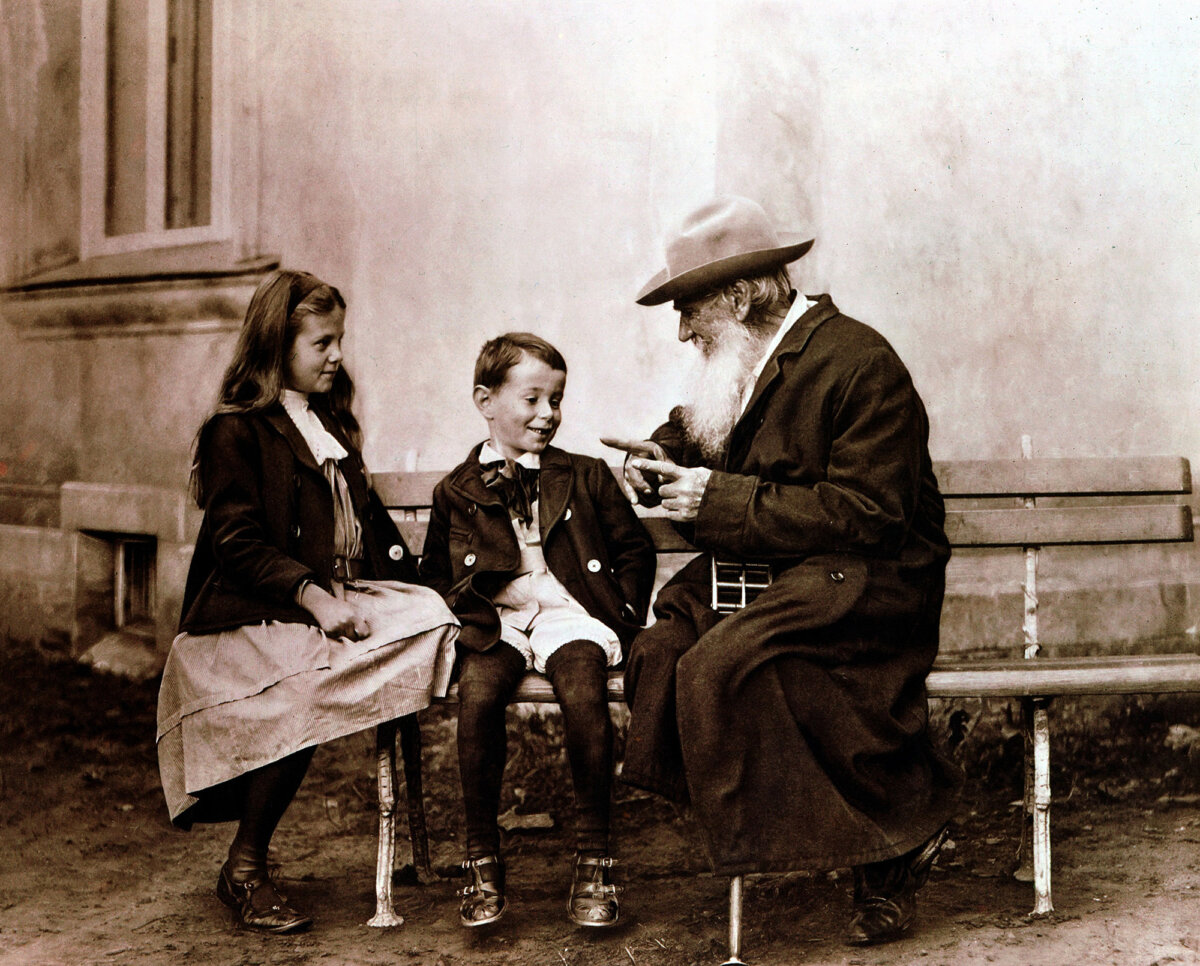
Leo Tolstoy established elaborate rules and rituals for himself—and often failed to keep them. The Russian novelist’s extensive journaling habit, which he maintained faithfully for most of his life, chronicles an intense struggle to understand his inner self and raise his actions to the level of his moral standards. At age 18, he wrote a list of rules for himself such as rising at 5 a.m. each day, living frugally, and trying not to chase women.
In his journal, Tolstoy marked out two columns. On one side, he wrote his planned routine for the following day. On the other side, he wrote the results of how the day actually played out. Spoiler: It generally did not play out according to plan.
In a series of journal entries from 1851, we see this tug-of-war at play. On March 24, 1851, Tolstoy reviewed his actions from the previous day, complete with names for all his vices.
“Arose somewhat late and read, but did not have time to write,” he wrote. “Poiret came, I fenced, and did not send him away (sloth and cowardice). Ivanov came, I spoke with him for too long (cowardice). Koloshin (Sergei) came to drink vodka, I did not escort him out (cowardice). At Ozerov’s argued about nothing (habit of arguing) and did not talk about what I should have talked about (cowardice).
“Did not go to Beklemishev’s (weakness of energy). During gymnastics did not walk the rope (cowardice), and did not do one thing because it hurt (sissiness). … At Gorchakov’s lied (lying). Went to the Novotroitsk tavern (lack of fierté). At home did not study English (insufficient firmness). At the Volkonskys’ was unnatural and distracted, and stayed until one in the morning (distractedness, desire to show off, and weakness of character).”
Undefeated, Tolstoy wrote out his planned schedule for the next day.
“From 10 to 11 yesterday’s diary and to read,” he wrote. “From 11 to 12—gymnastics. From 12 to 1—English. Beklemishev and Beyer from 1 to 2. From 2 to 4—on horseback. From 4 to 6—dinner. From 6 to 8—to read. From 8 to 10—to write. … To translate something from a foreign language into Russian to develop memory and style. … To write today with all the impressions and thoughts it gives rise to.”
He then failed again to keep to it.
“Awoke late out of sloth,” he wrote. “Wrote my diary and did gymnastics, hurrying. Did not study English out of sloth. With Begichev and with Islavin was vain. At Beklemishev’s was cowardly and lack of fierté. On Tver Boulevard wanted to show off. I did not walk on foot to the Kalymazhnyi Dvor (sissiness). Rode with a desire to show off. For the same reason rode to Ozerov’s. … Did not return to Kalymazhnyi, thoughtlessness.
“At the Gorchakovs’ dissembled and did not call things by their names, fooling myself. Went to L’vov’s out of insufficient energy and the habit of doing nothing. Sat around at home out of absentmindedness and read Werther inattentively, hurrying.”
Tolstoy’s interior struggle easily resonates with readers of his journals. We recognize in them our own failures to live up to the standards we set. There’s something very human about this repeating pattern of optimistic resolutions followed by repeated setbacks. His wrestling also provided the basis for the psychologically and morally rich fiction he wrote later in life, as Maria Popova pointed out at The Marginalian.
Finding a Rhythm
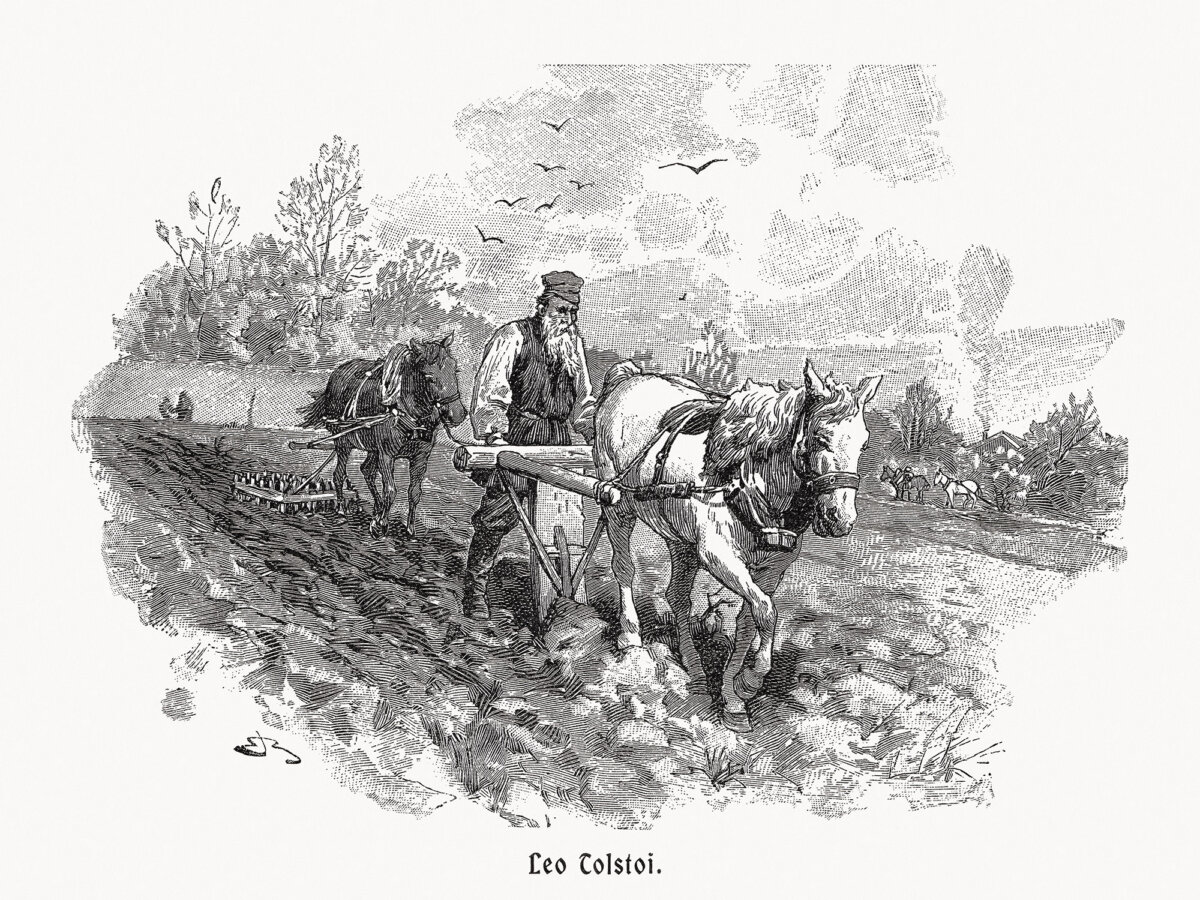
Tolstoy’s dissolute youth eventually evolved into a more stable adult life when he married in 1862 and began to write his greatest literary works. Still, Tolstoy’s spiritual anguish was not over: His marriage would later encounter stormy waters, and he experienced a kind of existential crisis after he finished one of his masterpieces, “Anna Karenina.” This eventually led to a religious conversion of sorts, although Tolstoy never found peace in any organized form of Christianity.
However, Tolstoy did establish something of a more consistent routine during the years of his most productive writing. In his book “Daily Rituals: How Artists Work,” Mason Currey sketched the outlines of Tolstoy’s life after his marriage, based on the testimony of his children.
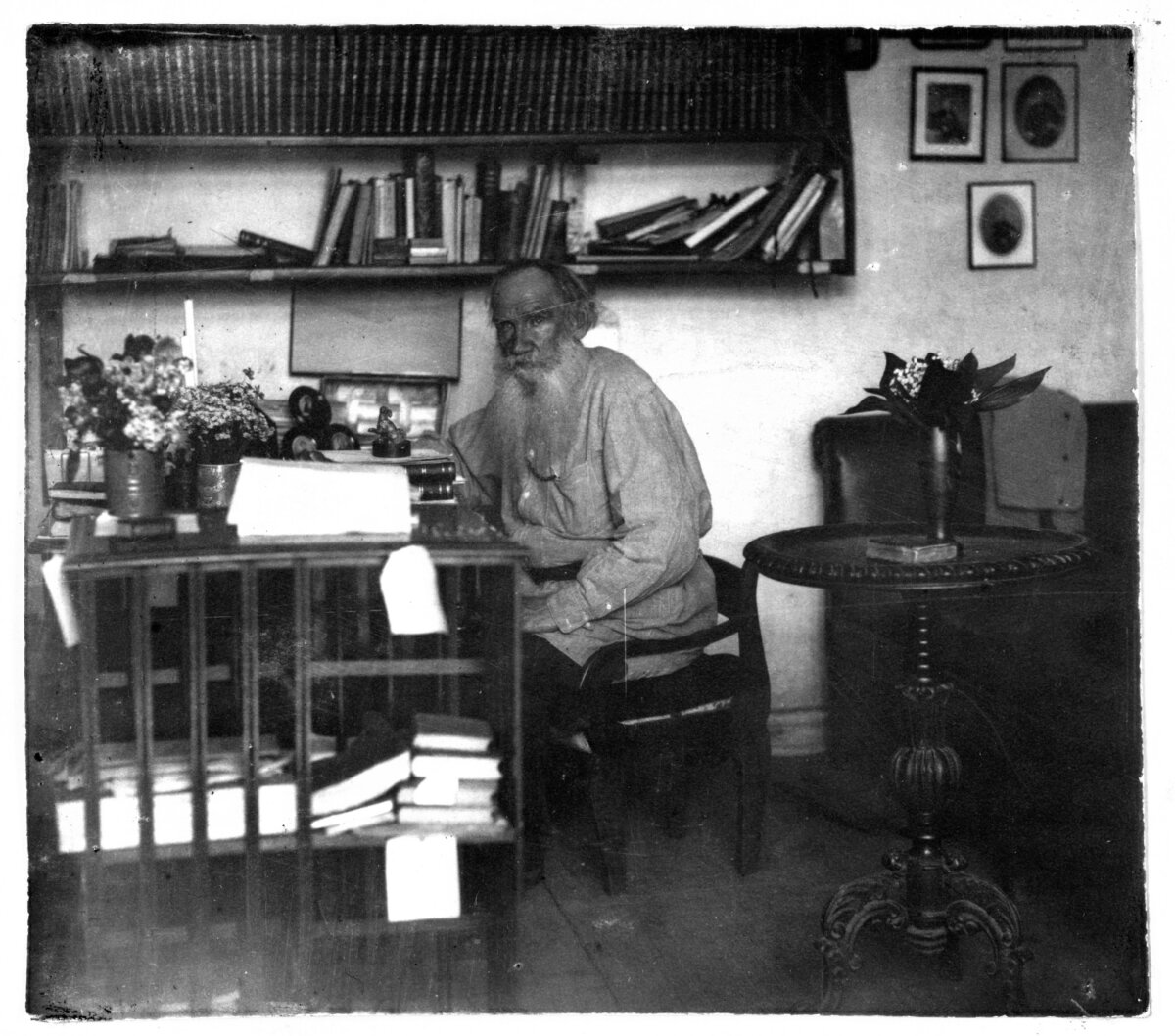
Tolstoy would emerge from his bedroom some time after 9 a.m., still in his dressing gown and unwashed, with beard askew. He would greet the family with reluctance. The children used to say, “Papa is in a bad temper until he has washed.” Once he washed and groomed himself, Tolstoy sat down to a breakfast of two boiled eggs. For many years, this was his only sustenance until a meal at about 5 p.m. After breakfast, Tolstoy disappeared with some tea into his study and didn’t emerge until dinner.
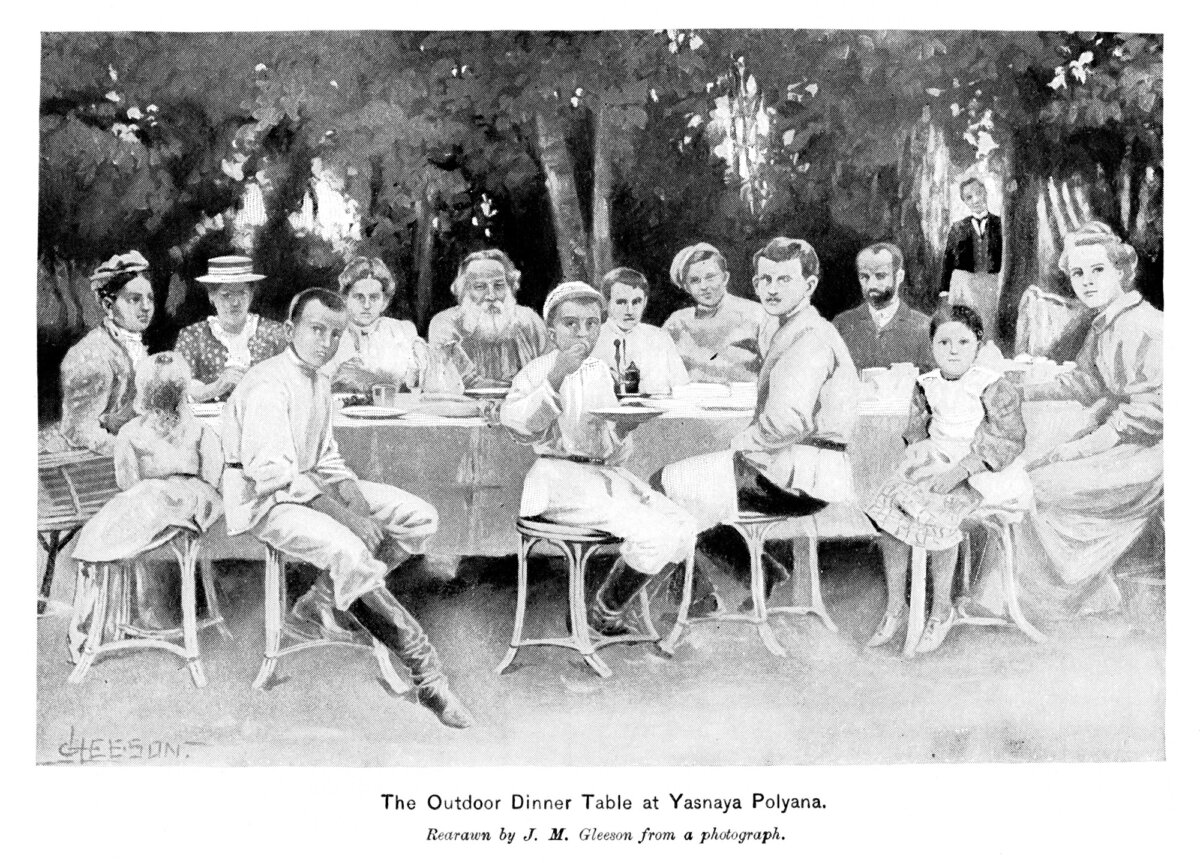
No one was permitted to enter Tolstoy’s study or disturb him as he worked. To that end, the doors to the study were locked. Before dinner, he went outdoors for a walk or a ride or to manage matters on his estate, and then he socialized with the family in a more cheerful manner. After dinner, he read or conversed with guests or looked over the children’s lessons. At 10 p.m., another round of tea was served, followed by more reading or perhaps music. At last, Tolstoy went to bed at about 1 a.m.
Although not exactly the Spartan regimen he’d envisioned in his youth, Tolstoy had established a rhythm of life that worked for him—and allowed him to create works of fiction that take their place among the greatest stories ever written.
Pointing to the power of a daily ritual, Tolstoy observed, “I must write each day without fail, not so much for the success of the work, as in order not to get out of my routine.”