



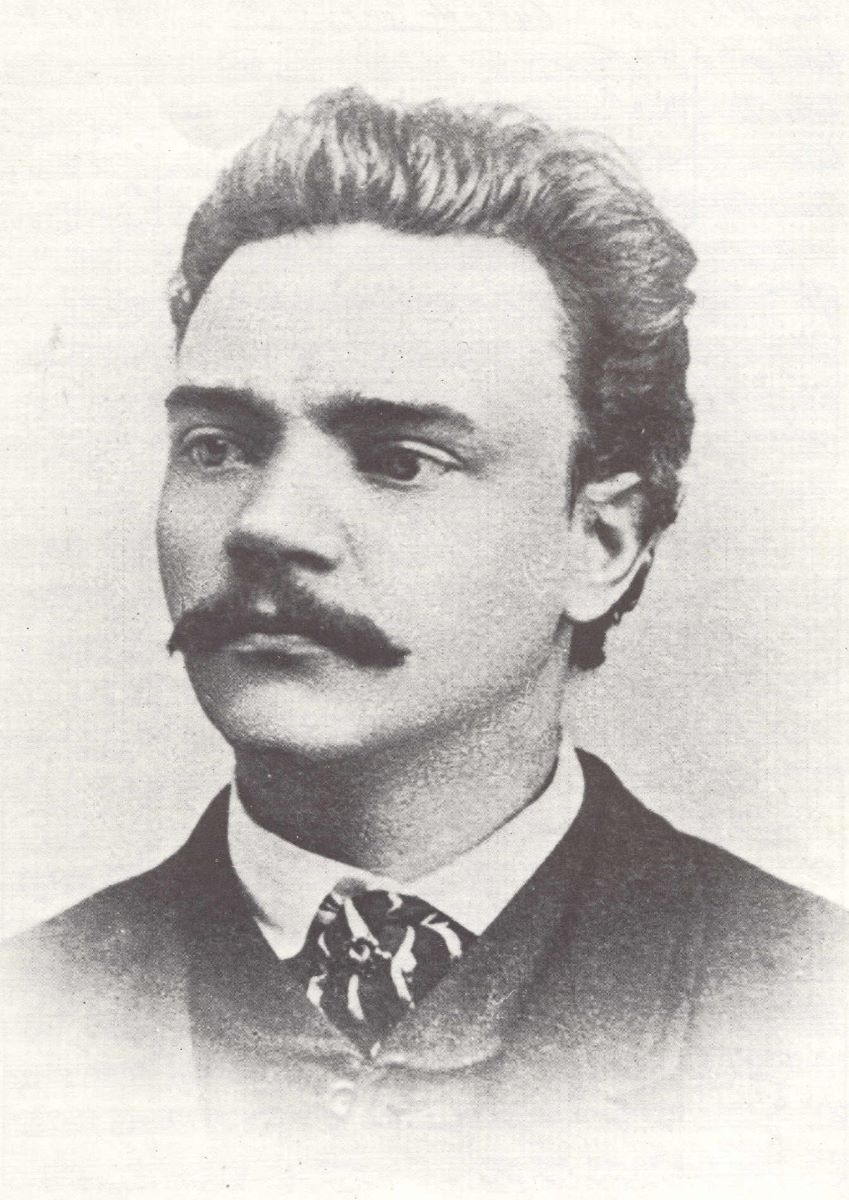
In 1891, Antonin Dvorak was invited to the United States to become director of the National Conservatory of Music of America. Located in New York and founded by the wealthy philanthropist Jeannette Thurber, the National Conservatory was searching for a blockbuster hire to lead the institution in fostering a “distinctly American musical sound.” Dvorak was the target.
Signing one of Europe’s foremost composers was no easy task, especially in the case of the deeply patriotic, soil-bound Dvorak. Yet with an extravagant annual contract of $15,000, the deal was too good to refuse. Dvorak left for America, initiating a fruitful cultural exchange and one of the most productive periods of his career.
Over the next three years, Bohemia’s most distinguished composer produced some of his greatest works, among them the “New World Symphony” and the “American Quartet.” These works were inspired by Dvorak’s exploration of the countryside and his teaching experiences at the conservatory. Among his students was Harry Burleigh, an African American baritone and composer, who introduced Dvorak to the African American spirituals. Dvorak would later declare these melodies to be the foundation of a future national American music.
A Homecoming and a New Quartet
Despite his success, Dvorak longed for home. He ended his contract with the conservatory and returned to Bohemia in 1895. After leaving America, he didn’t compose for several months. His first two works after returning home were a pair of string quartets, which reflect a return to the Central European tradition. String Quartet No. 13 in G Major, the successor to the popular “American Quartet,” is harmonically dense and symphonic in scope. Yet even amid its grandeur, the quartet brims with flowing melodies and rhythmic vitality that define the spirit of his American-inspired music.
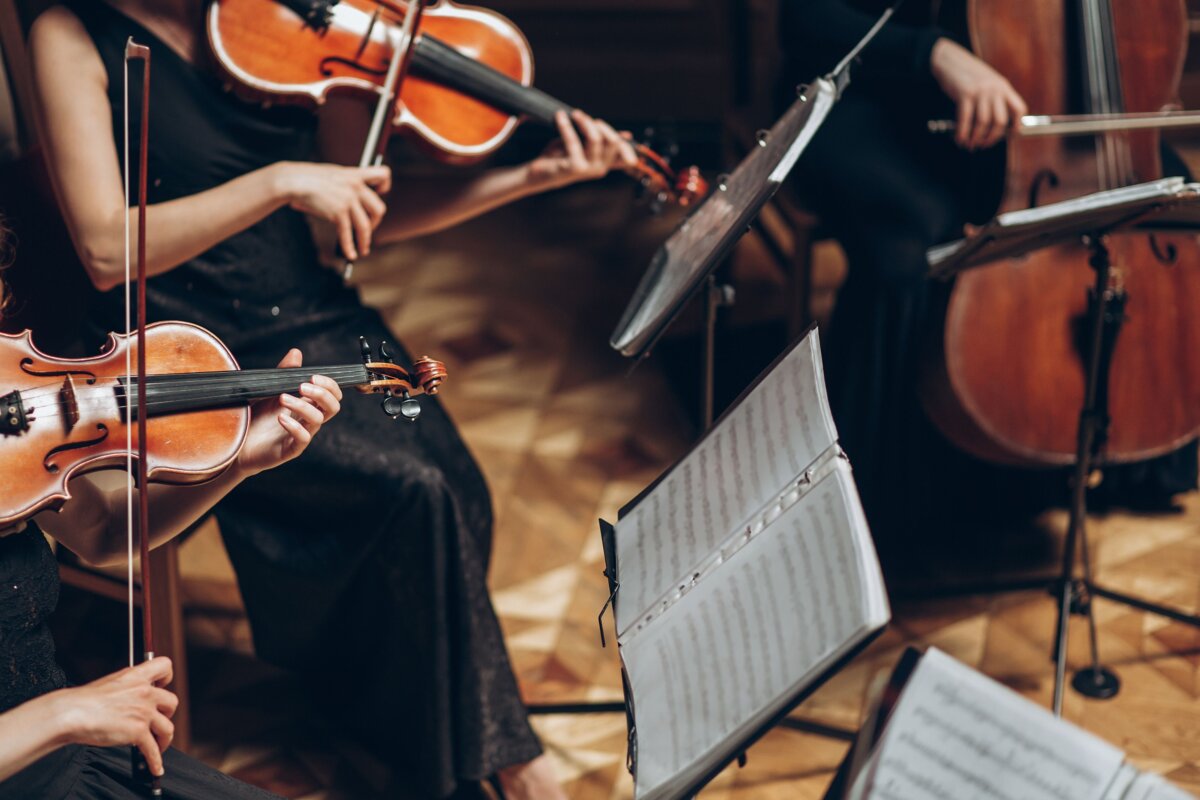
Dvorak is celebrated for his gift of melodic invention. Like Schubert, his chamber works are lyrical and songlike while remaining rigorously structured. Today’s work, Dvorak’s String Quartet No. 13 in G major, performed by the Guarneri Quartet, represents the very best of Dvorak’s string writing. (Listen)
Inside String Quartet No. 13
The first movement, Allegro moderato, opens with a motif based on an interval of a sixth, promptly restated in minor. The idea broadens and grows in scale, with the violins playing chords over the cello’s triplet figure. At 2:00, we are introduced to a more melodic line, traveling from instrument to instrument. Dvorak uses rhythmic variation to keep the accompaniment lively and fresh, as heard at 3:00. The music wanders before entering a complex development section.
At 4:20, earlier motifs are fragmented, woven and knitted together. The mood grows somber and contemplative, darkening as the strings lower in register. At 5:50, a moment of revelation brightens the harmonies, building to a triumphant climax. The music returns to the opening theme in a heroic recapitulation.
The second movement, Adagio ma non troppo, unfolds with brooding chords. The melody is tragic and forlorn. Pizzicato in the viola and an ostinato cello figure drive the music forward. Suddenly, at 13:00, the music lightens. The beaming melody provides a welcome contrast to the gloom.
At 15:40, the violin issues an almost desperate plea, growing ever more distressed. The tension mounts until a plummeting descent in the cello triggers a choral-like moment of catharsis at 16:42.
The third movement, Molto vivace, is rustic in character. Crisp strings articulate this folk-like tune. While the melody is buoyant and untamed, Dvorak packages the tune within a traditional scherzo-and-trio form, contrasting the playful outer sections with a lyrical inner passage.
The final movement, Finale, combines themes and motifs from earlier movements in a cyclical form. In his later works, Dvorak frequently quoted sections from previous movements in the final movement, lending the work a sense of cohesion. Listen for the return of the fourth movement’s opening at 31:24, which trails into a reference to the first movement at 32:05. The once-sprightly tune at 2:03 is transformed into a somber march with characteristics of the second movement. Suddenly, the triplet figure reappears in the viola. The interlude doesn’t last long, and soon the animated character of the fourth movement returns. The quartet ends with an energetic finale at 36:38.
What arts and culture topics would you like us to cover? Please email ideas or feedback to features@epochtimes.nyc
