



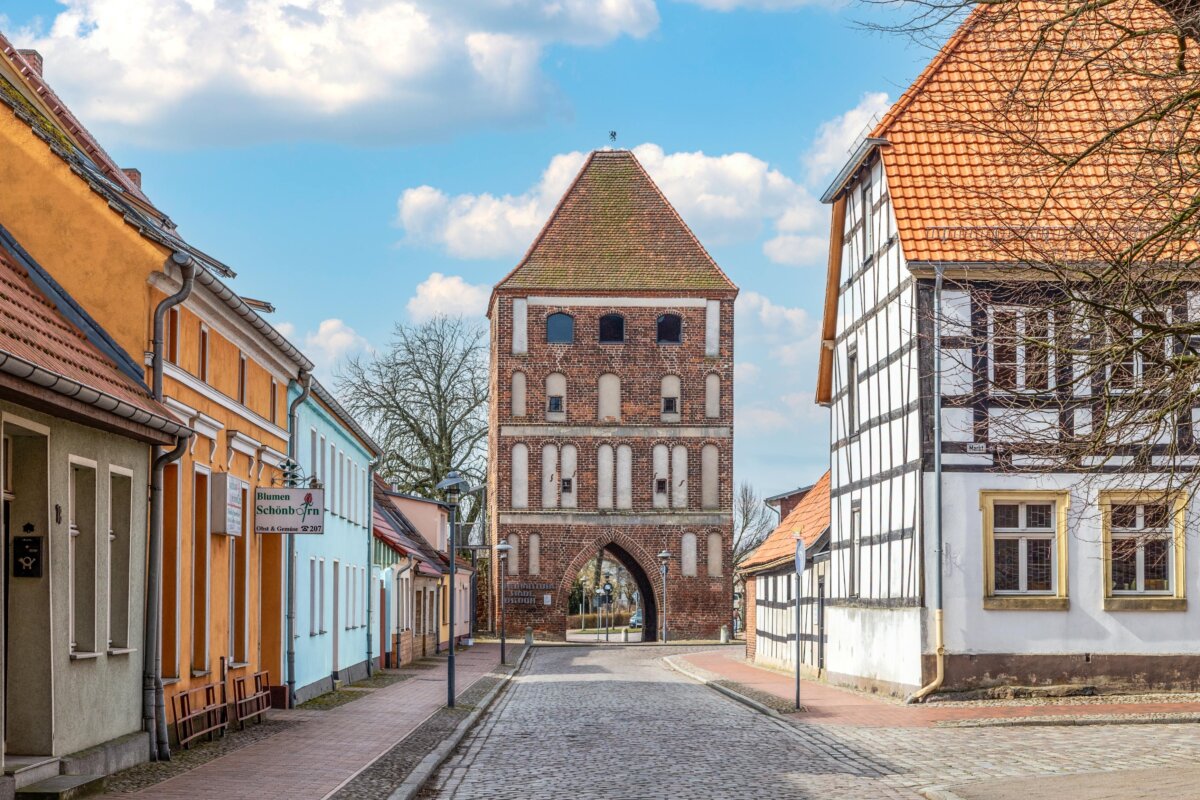
A superb example of vernacular, or local, architecture sits within Germany’s scenic Peene River Valley. Anklam is a picturesque community 112 miles due north of Berlin and not far from the Baltic coast.
Century after century, Anklam was rebuilt again and again on the basis of that local heritage. The town has been battered, occupied, and destroyed repeatedly by one devastating military conflict after another. Decades after the tradition of rebuilding was seemingly killed in the post-World War II era, Anklam is once again rising from the ashes.
Anklam’s Hanseatic Heritage
Three factors determined Anklam’s architectural heritage. Never more than a small provincial town, its historic architecture was almost exclusively regional. Proximity to the Baltic Sea determined its building materials.
Anklam was a member of the Hanseatic League. This international network of Baltic cities and towns from Holland to Estonia significantly influenced each other’s cultures.
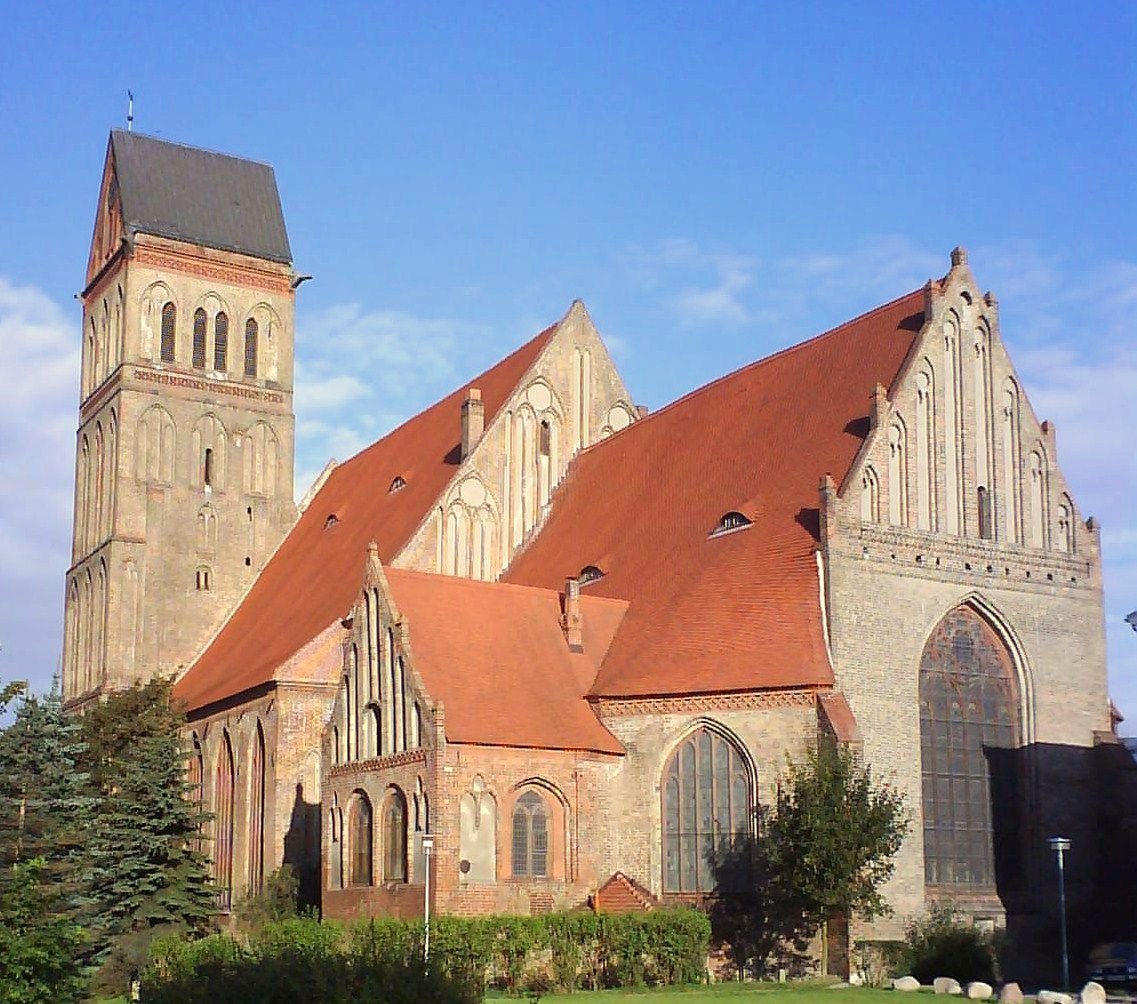
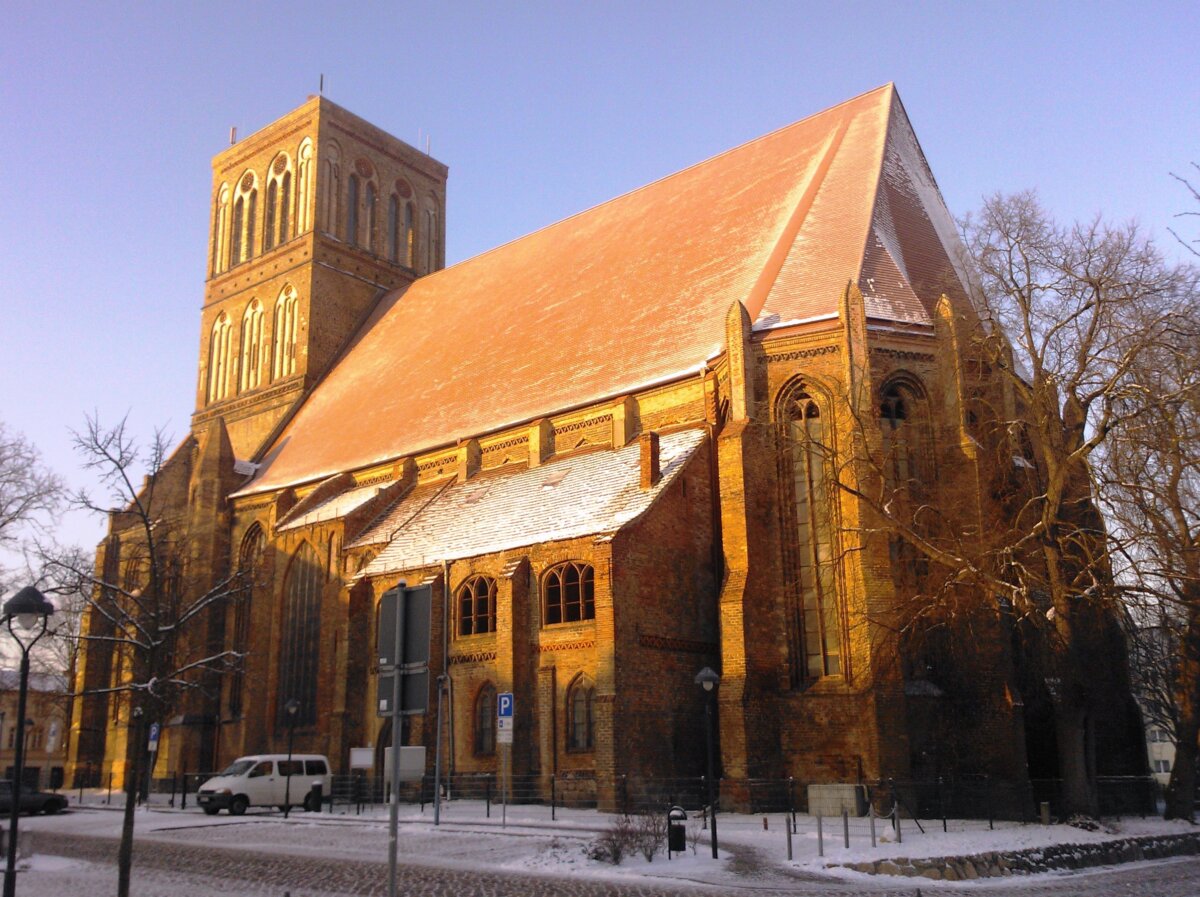
Anklam’s earliest surviving architectural works date from the Middle Ages. The buildings were built in the “Red Brick Gothic” style typical of Hanseatic League towns.
Emblematic of the style’s relative simplicity, the bricks were locally made. The community used bricks for everything from churches and public buildings to the homes of the mildly affluent to the shops of tradesmen. Because they were used everywhere, the bricks minimized the gap between high and local architecture.
Gothic Beginnings
Four important and extant structures date from between the late-13th and early-15th century: Saint Mary’s Church, Saint Nicholas Church, the Stone Gate, and the Gothic Gables.
Saint Mary’s Church exemplifies the transition from Romanesque to Gothic, with many elements common to both styles. Pointed arches, steep gables, and high ceilings emphasize interior verticality; rib vaulting were late Romanesque developments that became Gothic standards.
Saint Nicholas Church largely shares that style, though 16th-century modifications accommodated the then-new Lutheran Church’s emphasis on preaching; this includes an ornate centrally located pulpit and galleries with additional pews.
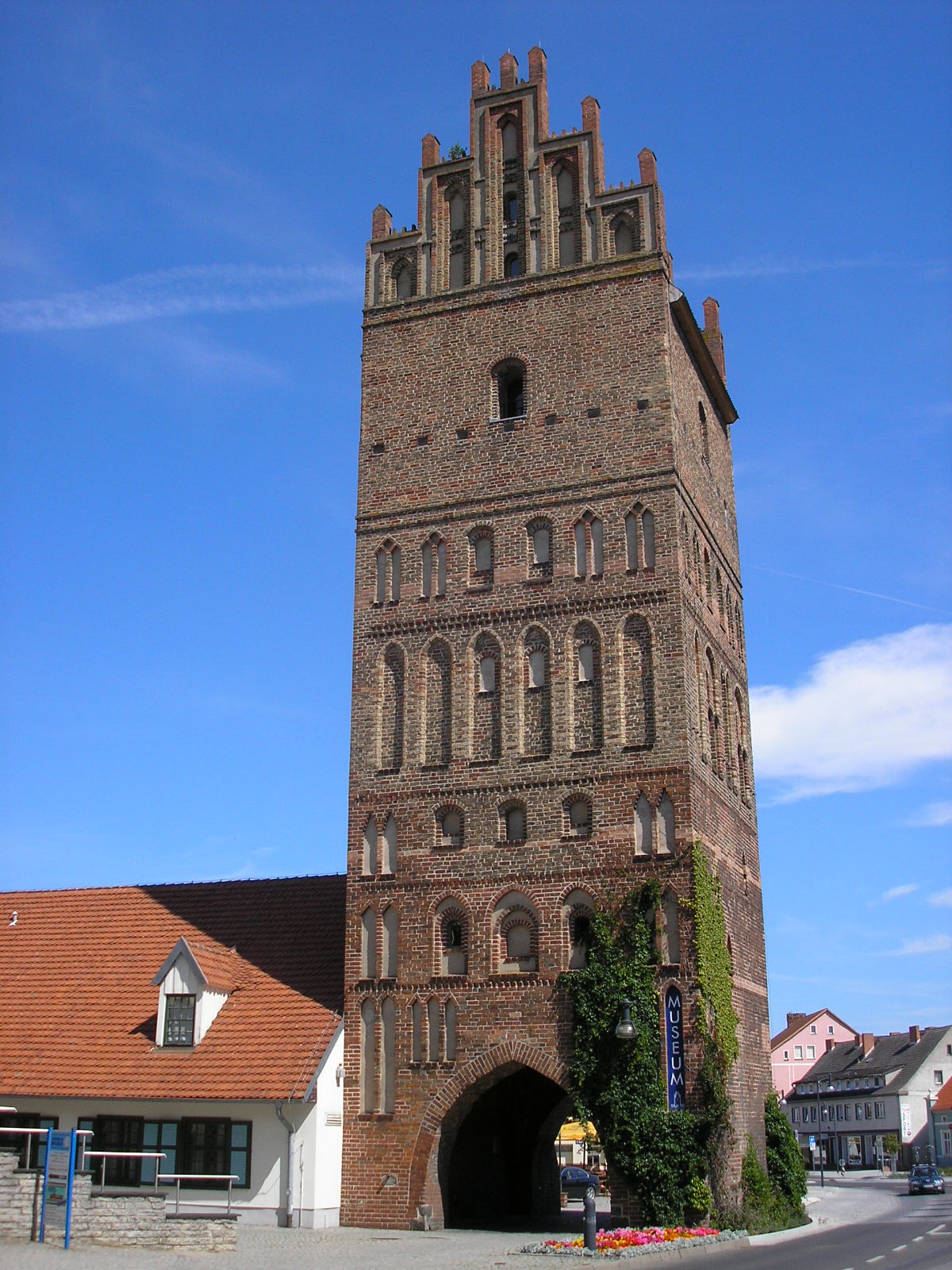
The Stone Gate, originally one of six and last of the four original stone gates, is the tallest in the region of Pomerania. Stepped gables, a common feature regionally, top the gate. The stepped gables are really façades covering gables. They have the appearance of steps, increasing in height from each side until reaching a pinnacle at the center.
Once homes to moderately affluent merchants, the Gothic Gable houses are larger than the average domestic architecture of the era. They are rectangular three-storied buildings with considerable window space and steep gables.
Pilasters supporting their gables are another unique feature. A space separates the pilasters from each other; they rise like stepped gables and are reminiscent of chimneys.
While the popularity of these styles later fluctuated, two important works of later eras—the 19th-century Old Grammar School and early 20th-century Luisa Lyceum—are superb examples of their revival.
Localized Classical and Baroque
Changing tastes and wartime damage led to 17th- and 18th-century repairs, renovations, rebuilding and expansion. During this time, classical and baroque aesthetics influenced the local style.
Among the earliest surviving are Holy Spirit Monastery and the nearby Garrison Church. Classical proportions and symmetry feature prominently in the designs of both.
The monastery is more traditional; it has the local style’s low gables. The Garrison Church exhibits elements of the semi-classical baroque. This includes the fluidity of its curving roofs and the boldness of its proportionately large tower.
A superb building used as Anklam’s post office from 1878 to 1997 is the most notable of the later works in this style to survive.
Restoring Anklam
In the immediate aftermath of World War II, the community showed little interest in restoring its historic beauty. The war had severely damaged most buildings, and some were destroyed.
The residents rescued the structures that could be easily repaired. The town left buildings of historic significance in their dilapidated state rather than tearing them down.
Newer utilitarian buildings soon dominated the town. The structures were hastily thrown together and not designed to endure.
One improvement, paradoxically caused by wartime bombing, occurred during that period. The bombings only slightly damaged Saint Mary’s. Minimal repair work uncovered magnificent early 14th-century frescoes of biblical stories and lives of the saints that the early Lutherans had painted over.
Restoration of other historic buildings began in the 1990s. The community rebuilt Saint Nicholas Church, the Stone Tower, the Garrison Church, and Holy Spirit Monastery, restoring them back to their original beauty.
The population of Anklam, however, continued to decline for key reasons. The post-war buildings were falling apart and high unemployment caused residents to leave.
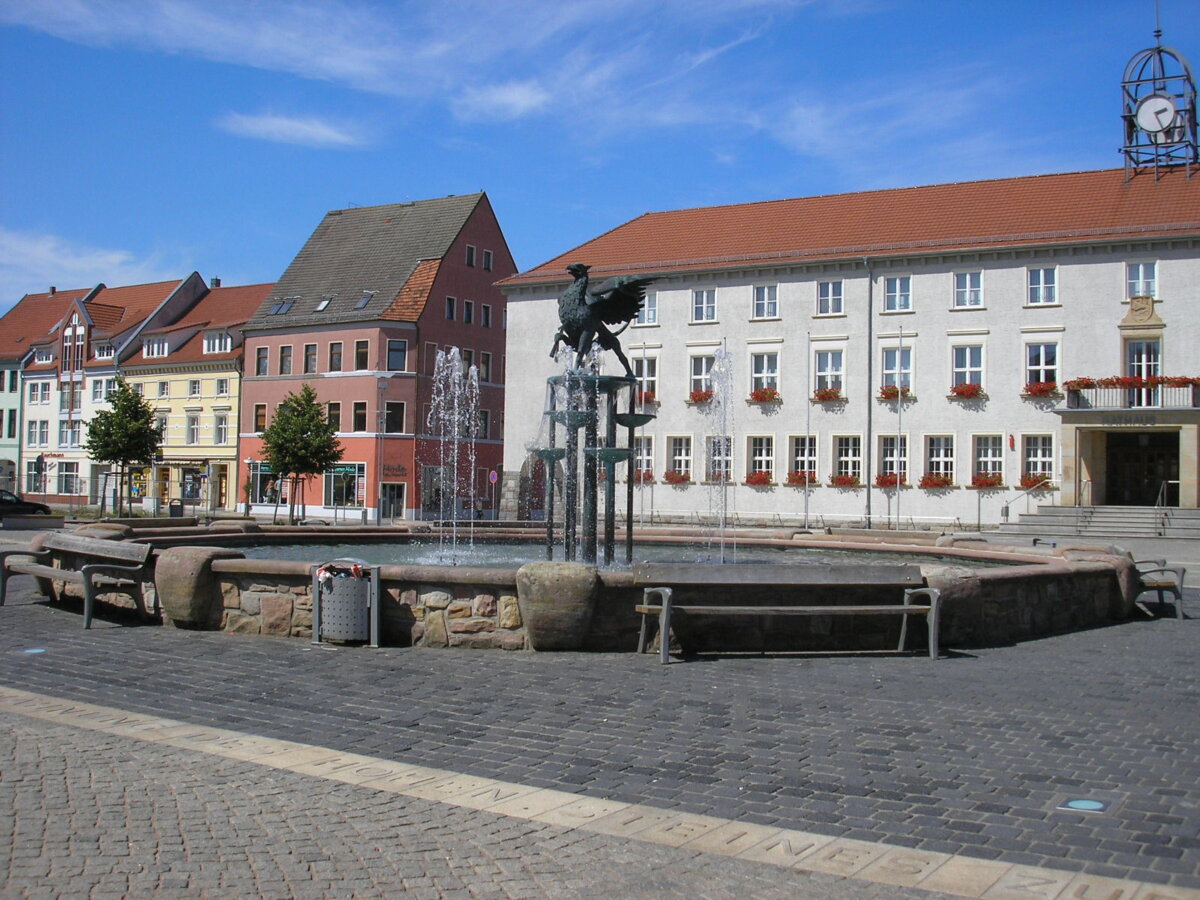
In the early 2000s, Anklam residents finally decided to restore their traditional local architecture. Except for the few remaining historic structures, the town demolished everything within the old Market Square and along the Peene River waterfront. In their place, the residents put up buildings inspired by Anklam’s Gothic and Classical heritage.
These buildings comprised a mix of small businesses and residences, and have contributed to a rapid revitalization of the town. The new businesses have encouraged tourist traffic linked to interest in the old Hanseatic League.
Today that success is fueling initiatives to further extend the restoration of Anklam’s traditional beauty. In 2022, the German Savings Banks Association chose Anklam as “municipality of the year” based on its remarkable recovery.
What arts and culture topics would you like us to cover? Please email ideas or feedback to features@epochtimes.nyc
