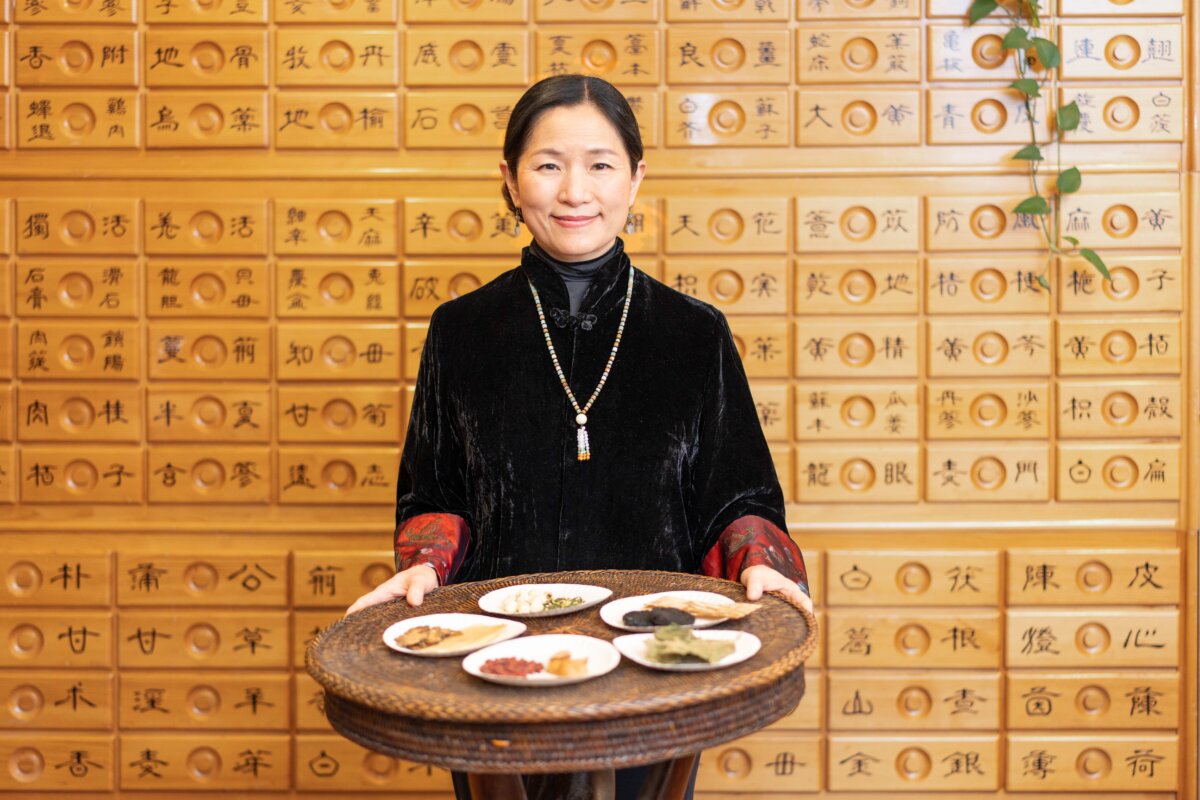
Traditional Chinese Medicine gives a whole new meaning to the idea that there’s a time for everything under the sun. According to its principles, there is a proper time to conduct daily activities, from waking up in the morning to going to sleep at night.
In her own practice, Serene Feng, a New York-based doctor of Traditional Chinese Medicine (TCM), treats night owls. Their energy kicks into high gear later in the day and they don’t fall asleep till 3 a.m. or 4 a.m.
“The reason I’ve met all those people is because they’re sick and they come to see me,” she said. “They have fatty liver, glaucoma. Some have high blood pressure at a young age—in their 20s or 30s—and they don’t know why. I tell them, ‘Because you didn’t follow nature. Every organ has its time.’”
The Principles: Following Nature
Ancient Chinese healers closely watched the ebb and flow of nature season by season, the succession of day and night, and how these rhythms were interconnected with the human body.
“If as human beings, we follow what nature tells us—a regular routine—then you’re a part of nature. When you’re part of nature, you breathe with nature, and you can achieve longevity more easily,” she explained.
Through meticulous observation, these healers found that “qi,” which can be understood as life force or energy, cycles through the body through pathways (also known as meridians), peaking in each of 12 major organs at two-hour intervals. This “body clock” concept goes back millennia. By aligning with it, we tap into nature’s rejuvenating energy. As we age, it’s important to align with natural rhythms and make the most of our limited energy reserves.
Each organ is also said to correspond to a specific element (wood, fire, earth, metal, and water) and emotion (for example, lungs with water and grief, respectively).
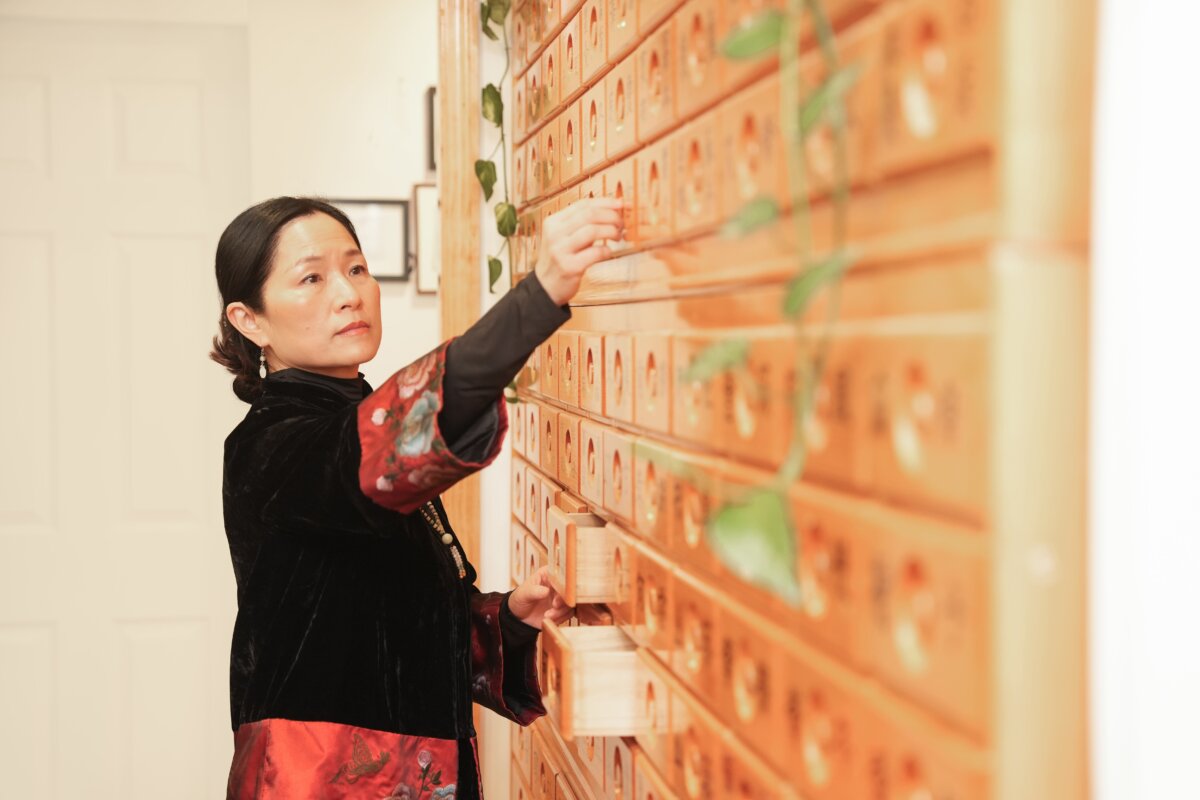
The Body Clock in Action
Below is a breakdown of a schedule detailing the intervals, corresponding organs, and activities most suitable during those times. “Respect the organ, and you make it happy. Then your whole body will be happy,” Feng explained. “It makes a huge difference to follow that routine: You’ll feel how refreshed your body is.”
5 a.m.–7 a.m.: Large Intestine (Releasing and Cleaning)
Morning sets the foundation for the whole day to come. Just as in springtime you might plant seeds for the year, in the morning you set in motion the plans for the entire day.
“Follow the sun: Wake up, eat a nice breakfast, you’re full of energy, get everything ready, and go to work,” Feng said. For students, “learn everything you can because you have the best memory then.”
This is the best time, in Feng’s words, to “make the large intestine happy.” She said, “If you can, try to wake up during that time, drink some water, and do a little exercise, you will feel you have the urge to go.” Add a little honey or salt to your water, or drink it pure.
Older people, she explained, have less energy; their bodies have “less fluids, and the large intestine becomes drier.” That can cause slow digestion and constipation. But in her experience, if they drink enough water during the day, go to sleep early, wake up during this time window, and partake in light exercise, 60 to 70 percent of constipation cases will resolve naturally.
7 a.m.–9 a.m.: Stomach (Nourishing Your Body)
This is an important time for the stomach. “What makes the stomach happy? Breakfast,” Feng said. “It’s the most important meal of the whole day.” All too often, many people tend to skip it in the rush to get to work or school. Choose nutrient-rich foods with good proteins to fuel your day with energy.
9 a.m.–11 a.m.: Spleen (Transforming and Absorbing)
Another reason it’s critical to not skip breakfast: During this time interval, the spleen swings into action, digesting and transforming nutrients.
“We say it transports and transforms food into energy and blood,” explained Feng. “If you don’t give the spleen anything, it has nothing to work with. So then people become tired and lack energy.” In other words: Don’t skip breakfast!
“7 a.m. to 11 a.m. is the golden time of the whole day. Four hours for eating and then absorbing the [nutrients] from food, and transforming them.” For anyone doing intermittent fasting, she recommends they don’t skip eating during this time interval.
In terms of daily activities, the spleen is also linked to processing thoughts, and to the emotion of worry. This is prime time to focus on work and do some deep thinking.
11 a.m.–1 p.m.: Heart (Peak Vitality and Joy)
At midday, the heart becomes energized. Known as “the emperor of organs,” it governs circulation in our body as well as our spirit. “It’s like summertime,” the hottest part of the day: Eat lunch, connect socially (it nourishes the emotion of joy), and rest a little. If your heart is weak, take a half-hour nap to strengthen it, Feng advised.
1 p.m.–3 p.m.: Small Intestine (Discernment and Assimilation)
Digestion time. The small intestine filters and sorts nutrients. This is a good time to get organized and work on sorting-related tasks.
3 p.m.–5 p.m.: Bladder (Fluid Balance and Flow)
With the afternoon comes a transition, just as summer gives way to autumn. Finish your most intense work by 3 p.m., or 5 p.m. at the latest, Feng advised.
If your urine is yellow during this time, Feng said, it means you didn’t drink enough water earlier in the day, so it’s a good time to hydrate.
5 p.m.–7 p.m.: Kidneys (Root Essence and Willpower)
As we shift to the evening, wind down gently. The focus is on the kidneys and storing energy. Finish your work, go home, and have a light meal. Feng said, “Don’t have dinner too late. [It’s] better to finish by 6 p.m.”
7 p.m.–9 p.m.: Pericardium (Protecting the Heart)
The pericardium corresponds to the protective barrier around the heart, both on a physiological and emotional level. This time is for relaxation and intimacy. “Don’t do too much heavy thinking. It’s time to relax and spend time with your family,” Feng said. Take a walk, do some chores together as a family, share stories and lessons learned from your day. By 9 p.m. the kids should be asleep. For couples looking to grow their families, this time window is considered particularly good for conception.
9 p.m.–11 p.m.: Triple Burner Time (Systemic Harmony)
The triple burner consists of various organs responsible for balance and regulation throughout the body. At this time, it’s time to prepare for sleep. Make sure to avoid screens!
11 p.m.–1 a.m.: Gallbladder (Courage and Decision-Making) and 1 a.m.–3 a.m.: Liver (Detoxification and Vision)
Deep sleep is essential for rest and aids judgment. “We say the gallbladder and the liver are like brothers,” Feng said. In TCM, the gallbladder is associated with determination and courage. In Chinese, when you say that a person has a good gallbladder, it means he or she is brave and decisive. But to fulfill that function, you need to give it rest at night. If not, the result is timidity and hesitation.
It’s often emphasized in TCM that we need to be asleep by 11 p.m. The interval between 11 p.m. and 3 a.m. is dominated by the gallbladder and the liver. To do their job, “you need to lie down,” she said—and not while catching up on the latest shows, either. “When you’re watching TV, you have to use your brain and think a lot.” The blood flow increases to the brain rather than the liver, while the liver’s energy is being consumed, because the eyes are associated with the liver. Make sure you lie down, close your eyes, and rest.
3 a.m.–5 a.m.: Lungs (Respiration)
After detox and restoration, starting at 3 a.m., qi now moves outward to prepare for the upcoming day. The lungs are associated with the emotions of grief and sadness—if you harbor these feelings, you might wake up during this time.
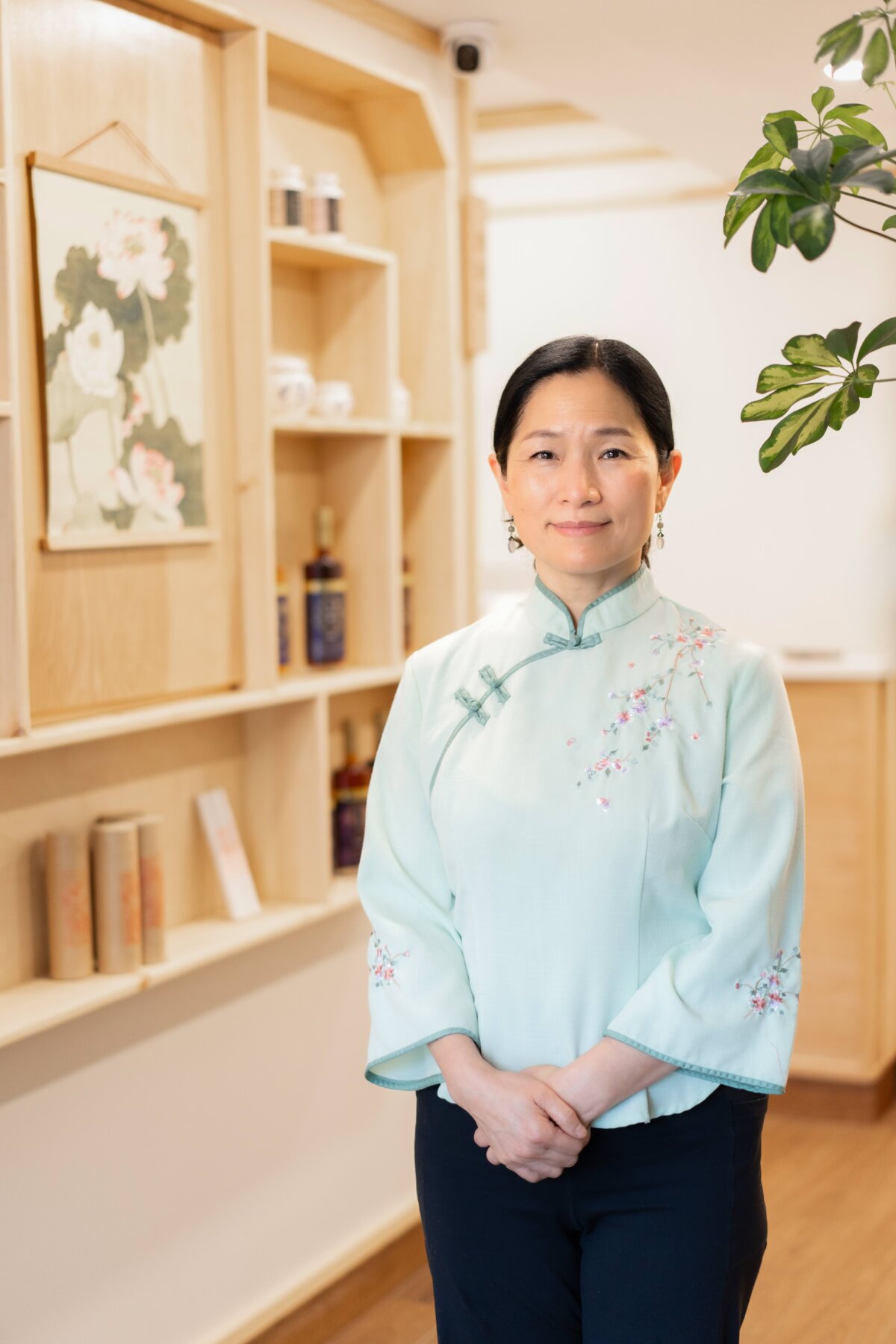
Meet the Expert: Serene Feng
Feng is 56, but you’d never guess by looking at her. The mother of three children has a radiant glow and the energy of a 26-year-old, as she tends to the six clinics in New York that she either runs or works at as a doctor of TCM.
She went into medicine as a result of seeing her mother struggle with illnesses due to radiation exposure over many painful years. As a student studying Western medicine at a top university in Beijing, she was part of a volunteer medical support team assisting students at the Tiananmen Square protests on June 4, 1989. She could never have imagined the events that would ensue. Classmates and faculty who took part in the protests were expelled; she herself was barred from joining the Chinese Communist Party (CCP)—membership in which was considered a must for anyone with ambition.
While listening to Voice of America, Feng made a decision: “I need to find my freedom. I will go to the U.S.,” she told herself. She made her way to Melbourne, Australia, with her family. (A few years later, she moved to Florida, thanks to her husband’s work relocation.)
In the meantime, after years of seeking out Western medical practitioners and Chinese doctors, Feng’s mother found wellness in Falun Gong, a mind-body practice rooted in Buddhism and based on the tenets of truthfulness, compassion, and tolerance. After seeing her mother heal, she also adopted the practice. When the CCP launched an illegal persecution of Falun Gong, Feng’s mother was jailed for her beliefs and fell ill. Feng took on the role of human rights activist, working closely with the Australian government. She eventually succeeded in rescuing her mother from China.
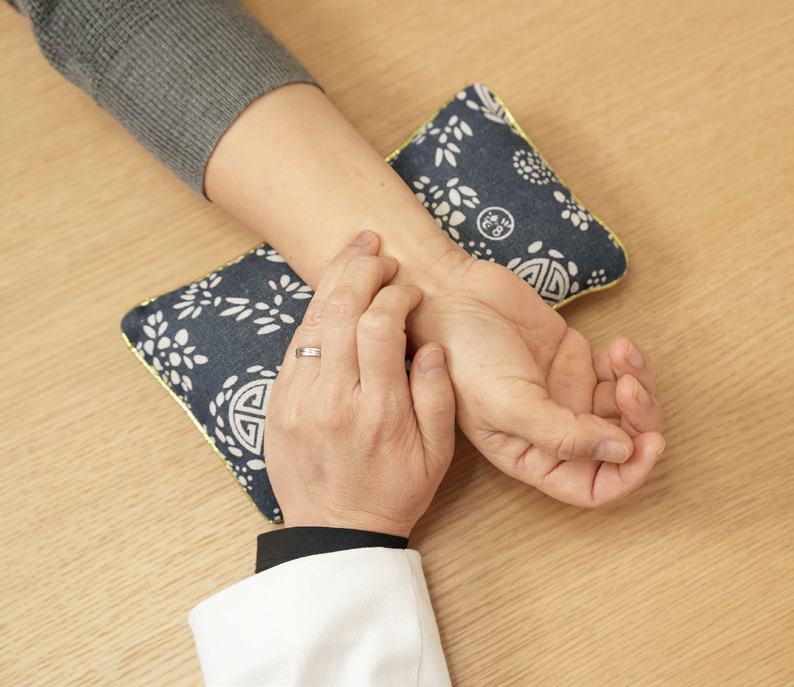
Today, her medical practice in New York, PhoenixCare, integrates acupuncture, herbs, and holistic care—and a deep understanding of Western medicine. “Chinese medicine is not just for Chinese people,” she said. “It’s a treasure from ancient people for all human beings.”
This article was originally published in American Essence magazine.