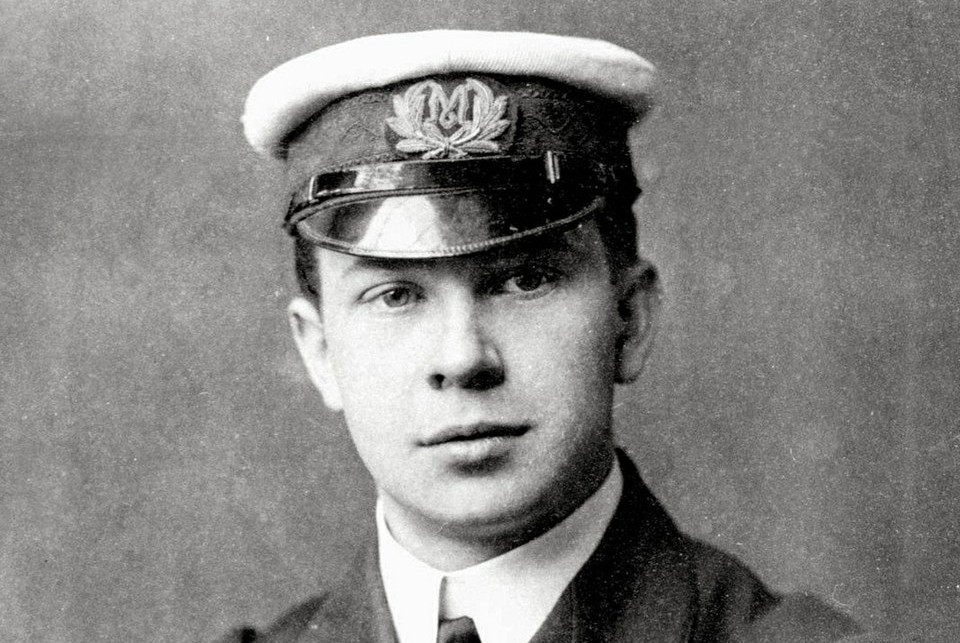
Even after the Titanic’s senior wireless operator, John “Jack” Phillips, knew his ship was doomed, he ignored orders to leave his post and stayed at his radio. Phillips was determined to send as many distress messages as possible before the ship sank. He was able to alert a rescue ship, but he did not survive.
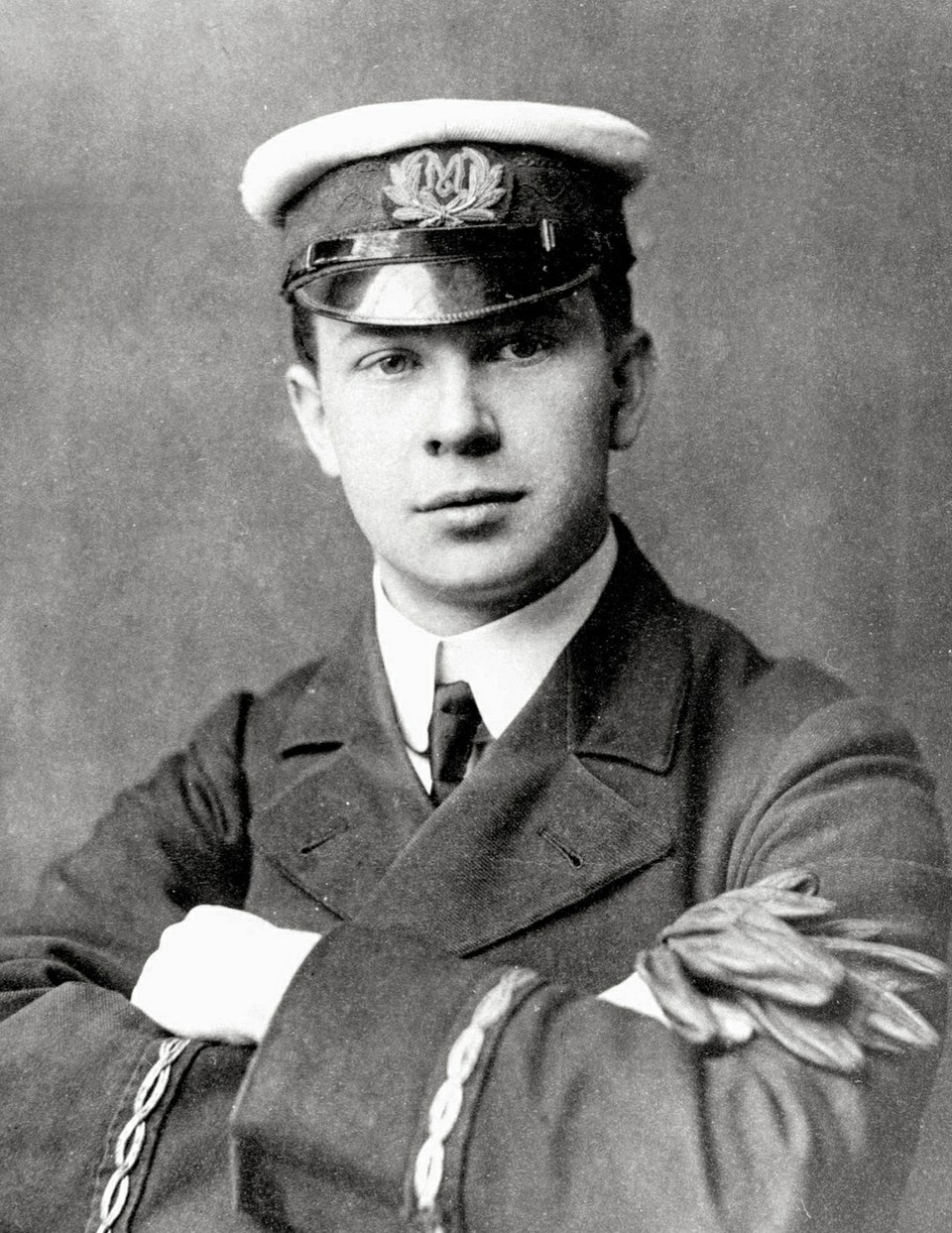
A Young Telegraph Operator
Phillips was born in Farncombe, Surrey, England, on April 11, 1987, to a shop owner. He attended school and sang in the church choir while living with his siblings above his father’s drapery store.
After finishing school in 1902, Phillips began working at a local post office. He soon learned Morse code and trained as a telegrapher under Postmaster Walter Williams. In March 1906, Phillips joined the Marconi Co. to train in wireless communications, graduating the following August.
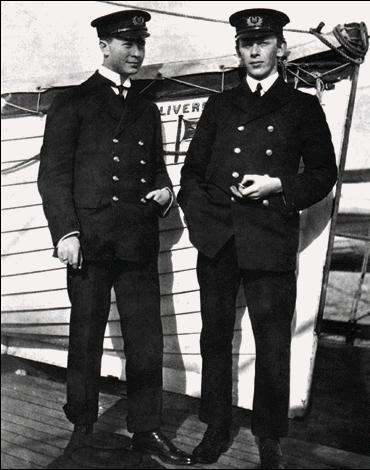
Phillips’s first job was operating wireless communications aboard a White Star Line ship, Teutonic. He worked on several ships before taking a position at a Marconi radio station in Ireland in 1908. In 1911, Phillips returned to sea to work aboard the Oceanic and the Adriatic.
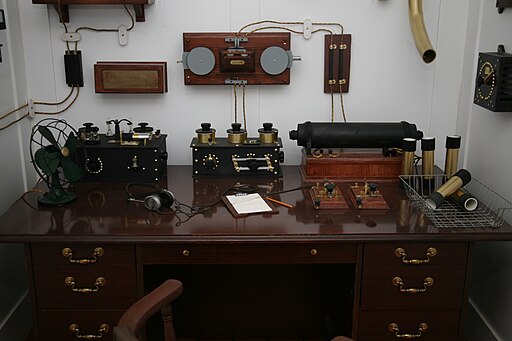
In 1912, Phillips received the opportunity of his career. That March, he was selected as senior wireless operator of the brand-new, “unsinkable” Titanic. The ship was equipped with the most powerful and modern wireless communication system of its time. Although proud of the promotion, Phillips reportedly told a friend he would rather work on a smaller vessel. He evidently dreaded icebergs.
A Coveted Post on the ‘Unsinkable’ Titanic
After the ship departed England on April 10, 1912, the trip went smoothly for Phillips and his junior wireless operator, Harold Bride, during the first few days. Their main duty was sending and receiving passenger messages. They were also responsible for relaying warnings from other ships to Capt. Edward Smith.
On April 13, the wireless system malfunctioned. The Marconi Co. had a strict policy prohibiting operators from attempting repairs. Instead, they were to switch to the ship’s backup system and wait for a Marconi technician at the next port.
However, Phillips insisted he could fix the problem. Defying company policy, he and Bride worked through the night to repair a fault in the transmitter. After hours without sleep, they managed to restore the system on the afternoon of April 14 using rubber tape. Had Phillips not repaired the radio, rescuers might never have reached the more than 700 surviving passengers.
Phillips then manned the post while Bride slept. Because Phillips was sleep-deprived Bride offered to relieve him at midnight instead of the usual 2 a.m.
Once Bride went to rest, Phillips became inundated trying to catch up on all of the backlogged messages that had come in while the communications system was down. Throughout the trip, he and Bride had received several iceberg warnings from other ships and had relayed many of them to Capt. Edward Smith, including one that afternoon from the Antillian. The captain posted lookouts to watch for ice, but the ship stayed the course at full speed—22.5 knots, or about 25 mph.
Warnings Missed
Then at about 9:30 p.m., Phillips received another message from the ship Mesaba reporting several icebergs and an ice field directly in Titanic’s path. However, Phillips failed to forward the message to his captain because he was busy relaying passenger messages to Cape Race, Newfoundland.
At 10:55 p.m., the SS Californian tried to warn Titanic, saying it had stopped because it was surrounded by ice. But after being interrupted while trying to connect with Cape Race, Phillips told Californian’s radio operator, Cyril Evans, to “shut up,” as he was sending other messages. Evans then turned off his ship’s wireless system for the night.
Once Titanic struck the iceberg at 11:40 p.m. and began to sink, Bride woke up shortly before midnight to relieve Phillips. Capt. Edward Smith soon entered the wireless room and told the operators he believed the ship had struck an iceberg. He instructed them to prepare to send a distress signal on his command.
Staying at the Post Until the End
Just after midnight, Smith returned and told the operators to call for help. Phillips began sending CQD — the distress signal used at the time — to any ship nearby. At one point, Bride jokingly told Phillips he should try the new distress call, SOS, because it might be their last chance to use it. Phillips eventually contacted the RMS Carpathia, which promptly headed toward Titanic to assist in the rescue.
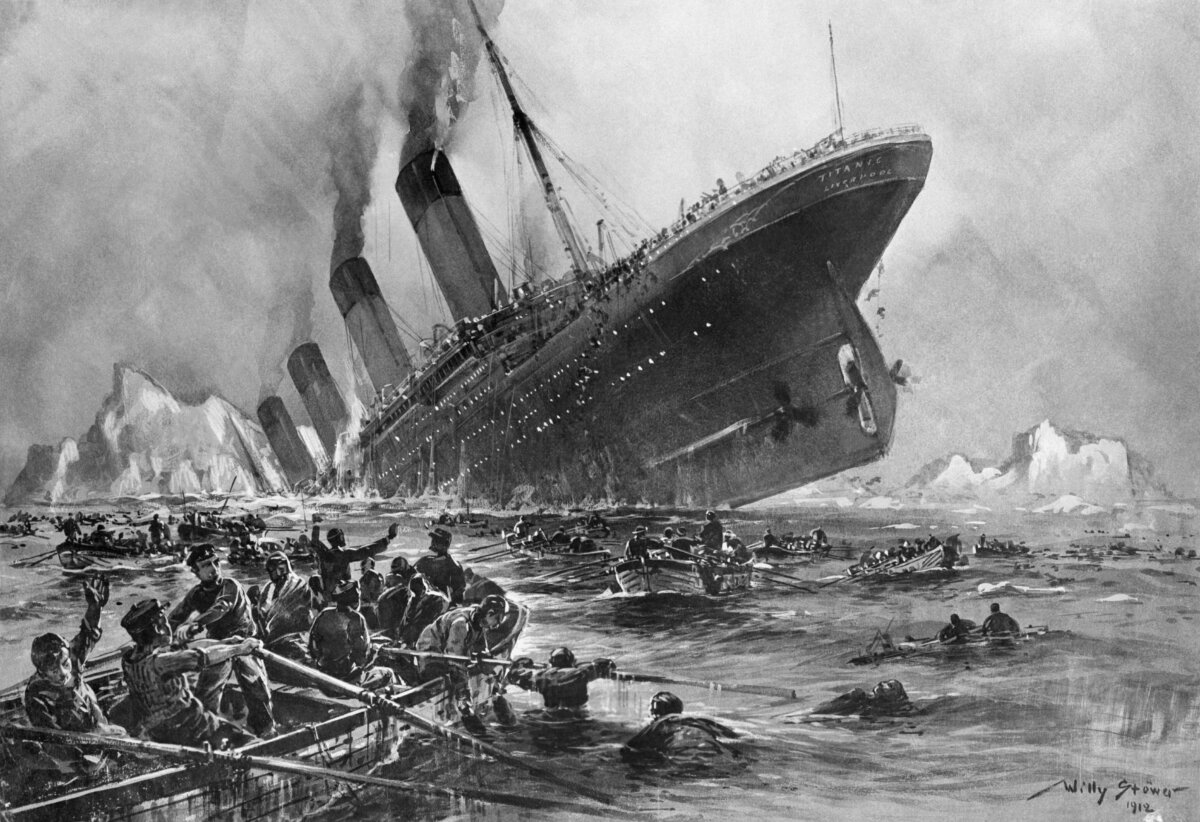
Just after 2 a.m., Bride began putting on clothes to leave the ship while Phillips continued sending messages. Smith entered the room and told the men their work was done and they could leave. Phillips, however, continued sending distress calls for about 15 more minutes, even as the power was failing and water was flooding the decks. His final message was received at 2:17 a.m. by the Virginia of the Allen Line. Titanic sank at 2:20 a.m.
In the ship’s final moments, Bride saw a man try to steal Phillips’s life belt. Bride knocked him unconscious so Phillips could flee the radio room. The two men then ran in opposite directions. Phillips was never seen again.
What arts and culture topics would you like us to cover? Please email ideas or feedback to features@epochtimes.nyc