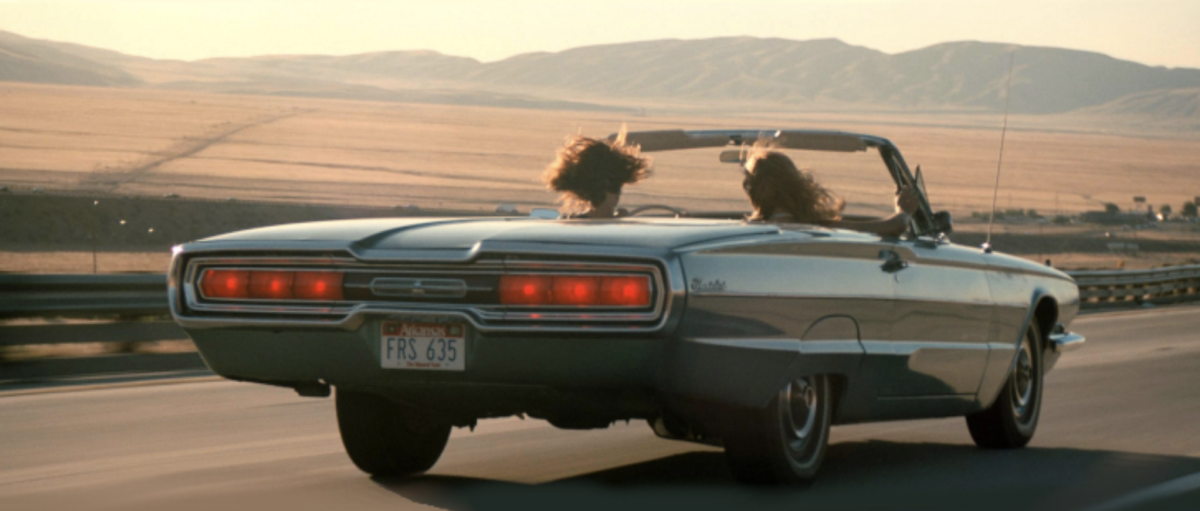
R | | Adventure, Crime, Drama | 24 May 1991 (USA)
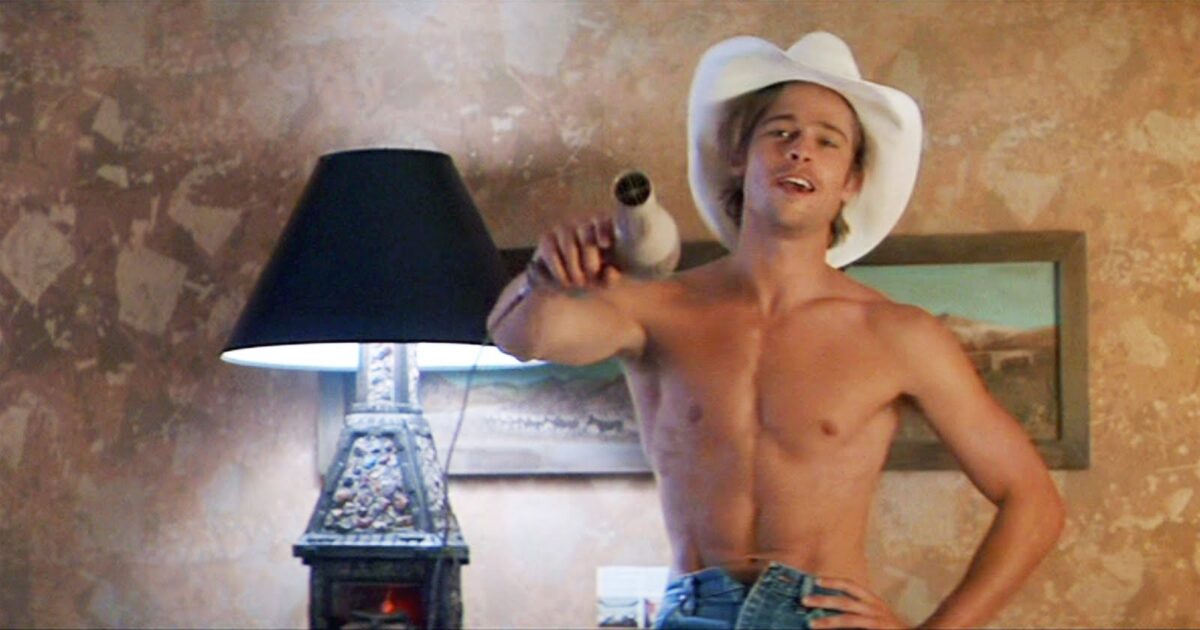
I saw Ridley Scott’s 1991 paean to feminism, “Thelma & Louise,” with a female acting school classmate. When I observed the euphoric effect that one of the film’s minor characters had on her, I made a note to keep an eye on the career of this unknown actor with the ripped abs.
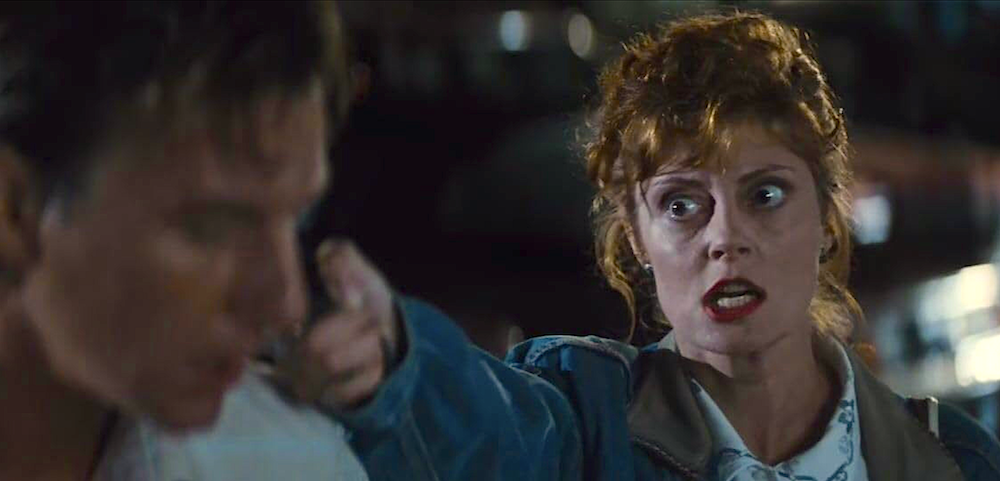
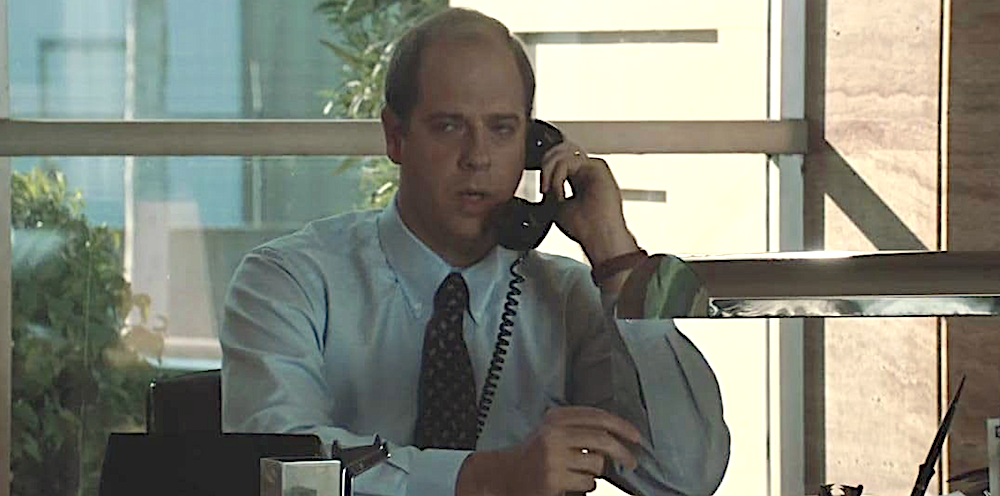 FBI agent Max (Stephen Tobolowsky) is on the trail of two female suspects wanted for homicide, in “Thelma & Louise.” (MGM)
It’s fun spotting a star being born, like Scarlett Johansson in “Ghost World” and Tim Robbins in “Bull Durham.” As actor Stephen Tobolowsky (Ned Ryerson in “Groundhog Day”) later jokingly said of the then-unknown Brad Pitt: “He was hot!”
Evoking heat of a different kind, director Scott’s panoramic lensing of drop-dead-gorgeous Utah and Arizona’s red-rock mesas, buttes, otherworldly desert dream-scapes, and the glorious highways that bisect them, are like potent drugs to bikers. Like “Easy Rider” before it, I immediately needed to own this movie.
I owned it on VHS, then DVD, had the soundtrack on my iPod, still own it, and still want to ride those red-rock canyons on two wheels with a couple of extra gas cans strapped to the bike.
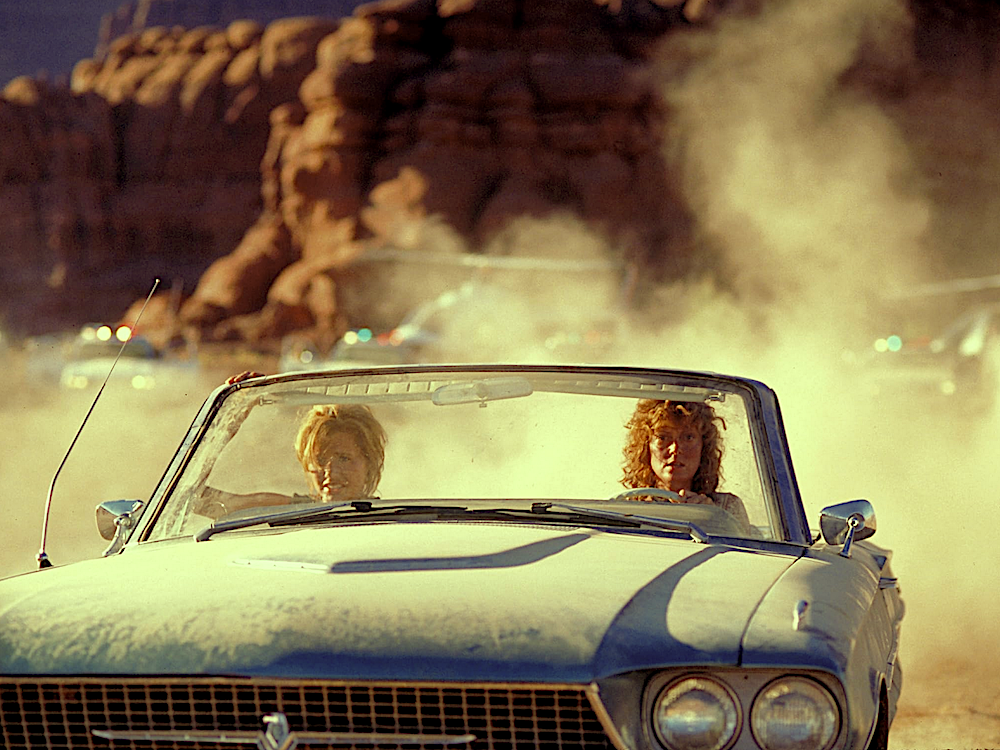
“Thelma & Louise” was a zeitgeist film with a powerful influence that has long since entered the American cultural lexicon. However, I’ve since realized a few things about it. Ridley Scott’s feminism wins the fight here, but it’s not a fair fight, and the message is completely rigged. It’s right up there with communist countries staging idyllic village market scenes overflowing with fabulous produce, all for the benefit of visiting journalists.
Sweet Southern Gals
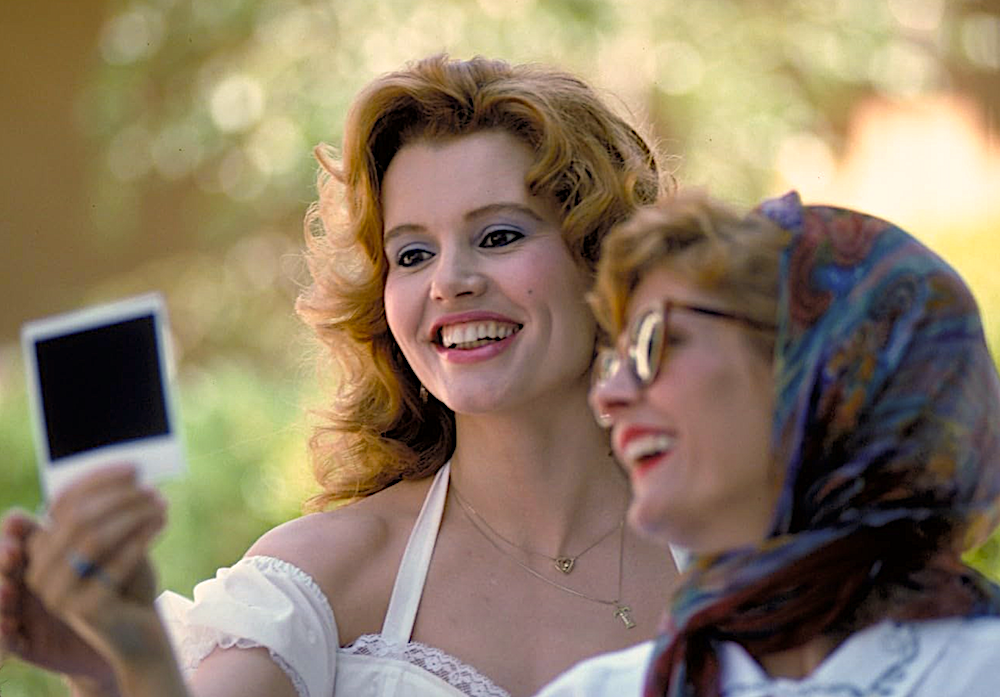
Beautiful, sweet, and easily-cowed Thelma Dickinson (Geena Davis) and her older and significantly shrewder diner-waitress friend Louise Sawyer (Susan Sarandon) are bosom-buddies who decide they need to get out of town and go fishing.
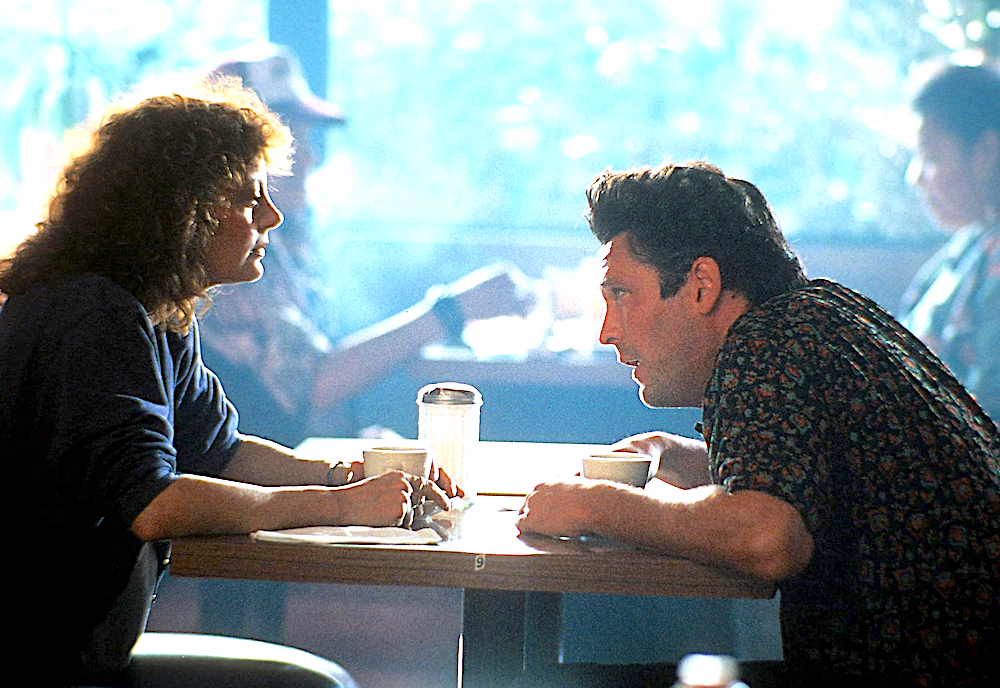
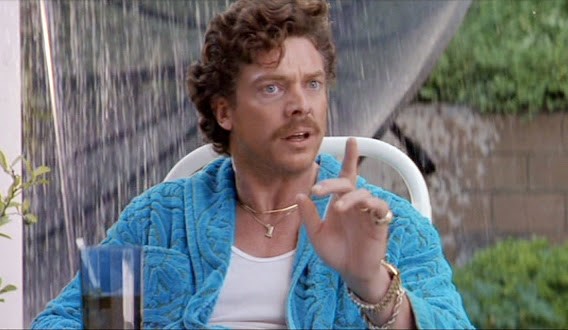
They’re due for a vacation from waitressing, housewifery, and the two idiots they’re involved with. That would be 1: Thelma’s Corvette-driving, philandering, rug-salesman hubby, Darryl (Christopher McDonald). McDonald’s hilarious character-study of a cartoonishly stereotypical male chauvinist nearly steals the whole movie. And 2: Louise’s eternally sighing, louche, noncommittal, lounge-musician boyfriend, Jimmy (Michael Madsen).
The girlfriends don’t know much about fishing. Louise packs her entire wardrobe. Thelma drops the snub-nose revolver gifted by her husband daintily into her luggage as an afterthought, and off they go in Louise’s 1966 faded-turquoise Thunderbird convertible, leaving sleepy Arkansas quickly fading in the rearview mirror. Mostly due to McDonald’s comedic shenanigans, the audience finds itself well-primed for a screwball road-buddy comedy.
Horrible Harlan
Thelma and Louise make a pit stop, decide to throw back a couple of margaritas and Cuervo shots and do a little boot-scootin’ to the rousing country band. Then here comes sweet-talking local sexual predator Harlan (Timothy Carhart), who before long, is slapping Thelma around and attempting to rape her in the parking lot. Suddenly, the movie isn’t cute anymore.
Louise thankfully arrives in time to rescue Thelma with Thelma’s handgun; however, Harlan is so insufferably and sneeringly unapologetic that Louise caves in to her omnipresent PTSD (due to her own similar past experience), pulls the trigger, and ventilates Harlan’s black heart. A crime of passion. How can we not cheer?
Back in the car, they head for Mexico across the Oklahoma flatlands, and into the Chihuahuan high desert of southeastern Arizona—all of which, again, looks hugely romantic when seen from a classic Ford T-bird.
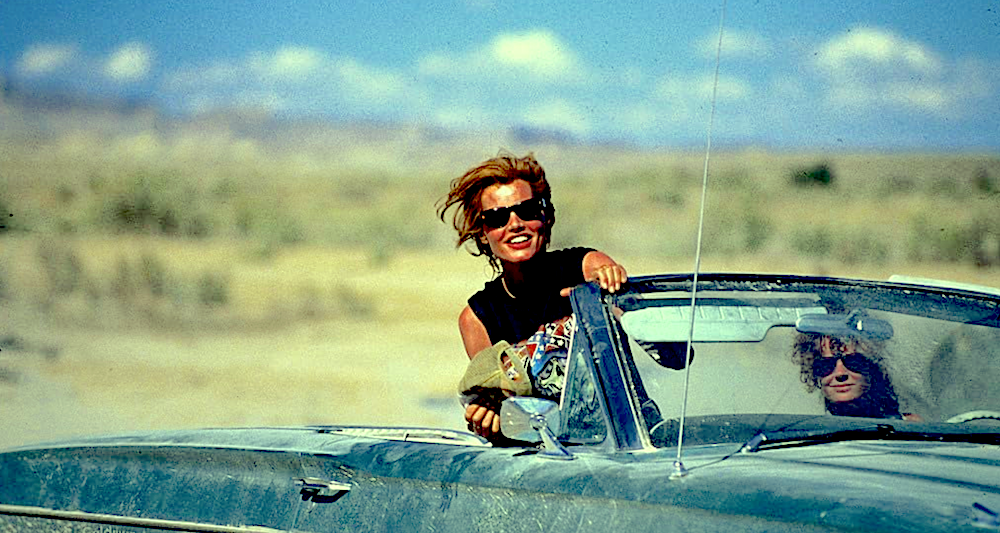
What began as a weekend romp segues into a wild (and Wild Turkey-fueled) transformative odyssey with hell-hounds of law enforcement on their trail. Theirs is a tragically snowballing metaphorical acid trip; a shadow rite of passage to liberation, maturation, and empowerment, begat by a fateful descent into criminality.
Males of Cartoonish Toxicity
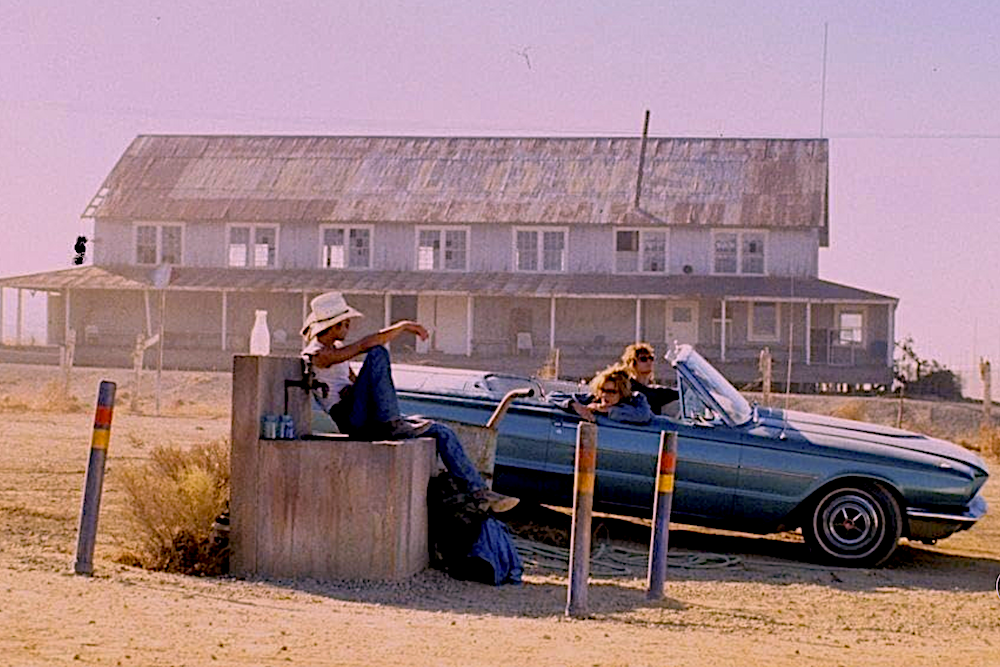
There are further signposts, way stations, and pit stops along the way, all of which manifest as various forms of despicable men. One such Pitt-stop is the hitchhiking, cowboy-hatted, hayseed-hottie juvenile delinquent, conveniently named J.D. (Brad Pitt). He romances naïve Thelma till she’s cross-eyed, teaches her how to rob a convenience store, and then robs her blind and leaves the girls strapped for cash.
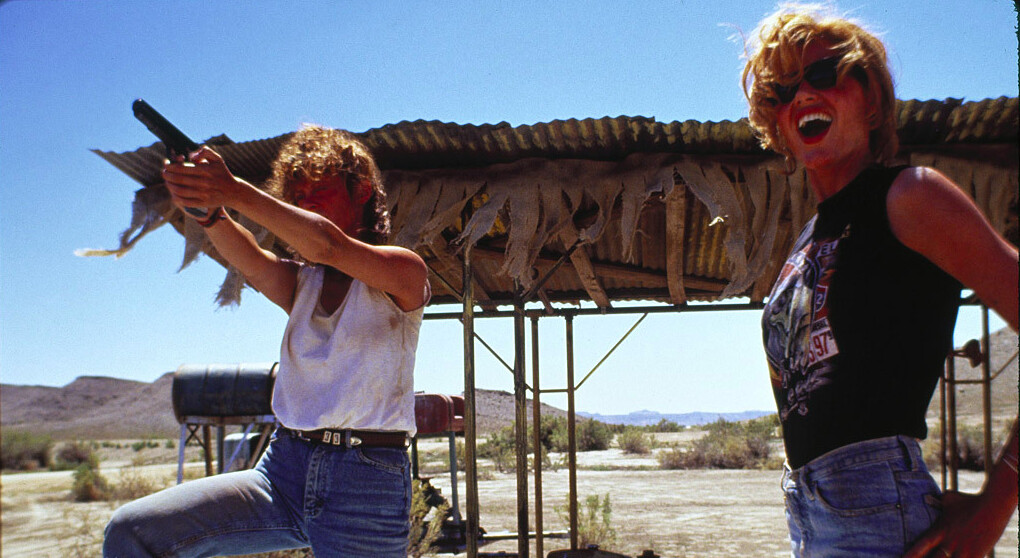
Then there’s the redneck “suicide jockey” (fuel-tank trucker) whom they pass and re-pass out on the highway. When he refuses to curb his disgusting catcalls and obscene gesticulations, they seduce him off the road and, using their “Learned it off the TV!” firearm skills, flatten his tires and blow his 18-wheeler sky-high. How can we not cheer?
What’s even more fun is that director Scott didn’t tell trucker-actor Marco St. John that the rig was going to actually blow—the ensuing unrehearsed, spontaneous reaction is priceless.
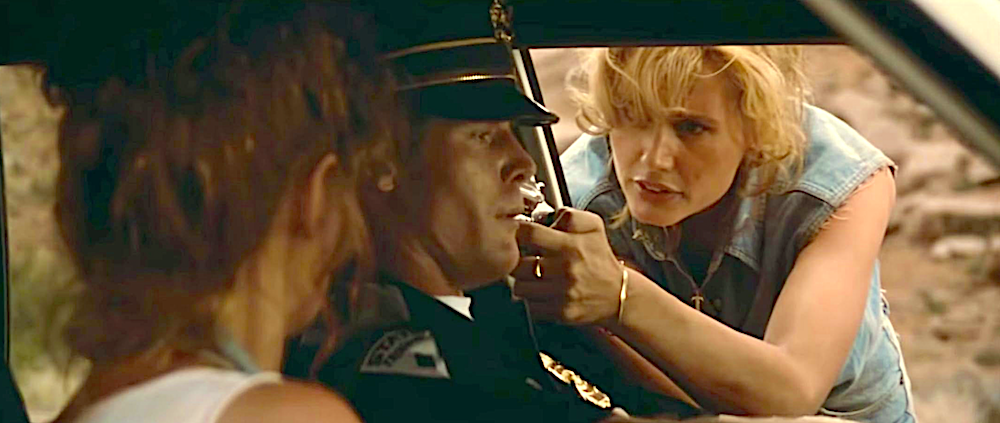
Soon after follows a Nazi-like highway patrolman (Jason Beghe) who pulls them over for speeding. Normally nice Thelma’s latent talent for commandeering dicey situations via authoritative cop-speak blossoms forth, full-blown, like Pallas Athena springing from the brow of Zeus. Nazi-cop starts bawling like a baby. Thelma: “Blam!!” Louise: “Why’d you shoot the car?” Thelma: “Air holes.” Thelma orders the cop politely and apologetically into his patrol-car trunk.
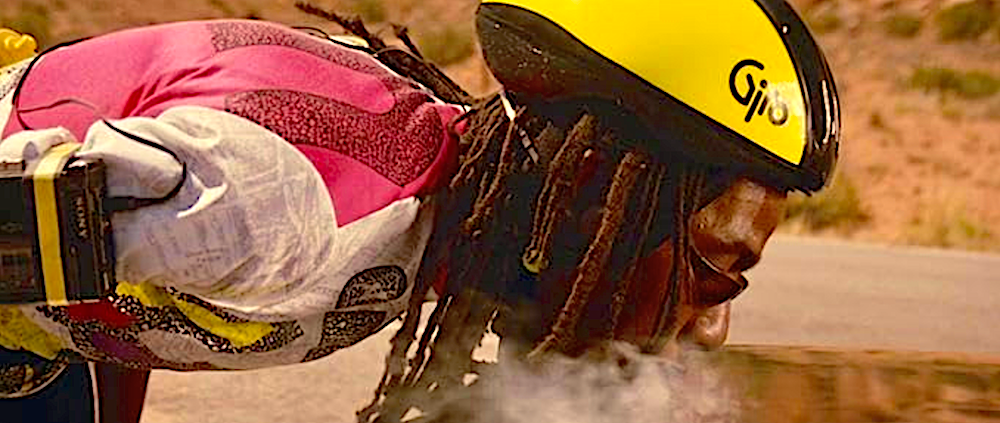
Then, there’s a hysterical MTV-music-video-like follow-up scene that I actually thought was a commercial for some power drink showing up out of nowhere. In it, a weed-addled Rastafarian bicyclist (Noel L. Walcott) in full race-sponsored spandex regalia, with water bottle and giant spliff in hand, sees the cop car stopped in the middle of the desert. He fancies in his blissed-out stupor, that he hears an agitated, disembodied voice coming out of the trunk, and, wishing to share his easy-skanking joy, blows marijuana smoke down that selfsame air-hole.
So. That’s Darryl, Jimmy, Harlan, J.D., the nasty trucker, and the Nazi cop, whose despicable-ness all conveniently contribute to the outlaw desperation, moral demise, and eventual martyrdom of two lovely ladies.
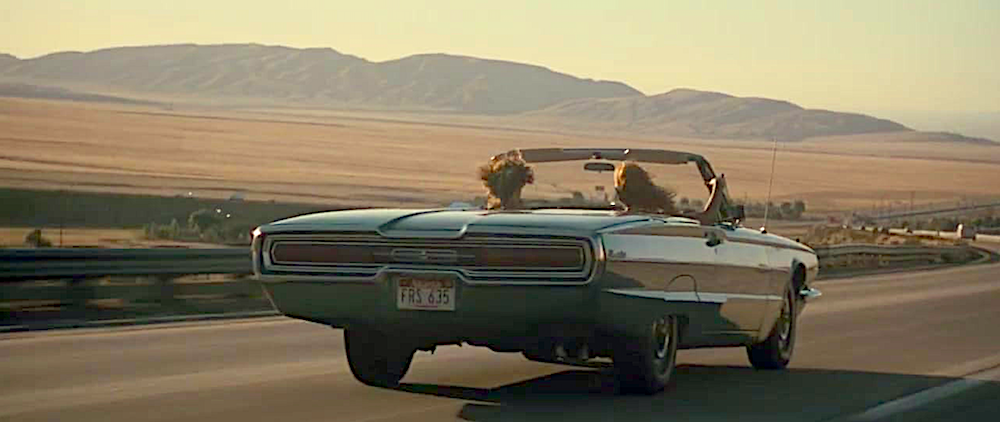
Combine that with the scenic road trip and binge drinking, which allow Thelma and Louise to feel liberated and alive as never before. Stir in the fact that they get to blow away bad guys. It all presents as a veritable scorecard of various high-fiveable comeuppances to delight feminist audience members everywhere. And it is fun. Instant karma for those who deserve it is always big fun. How can we not cheer?
What Women Want
What women want is the classic question mark that sits above every man’s head. Women don’t appear to have figured it out either. Does feminist action-fantasy “Thelma & Louise” answer it?
This stylized, half-comic, half-tragic saga of desperado heroines on the lam begins realistically, goes all anarcho-outlaw-gonzo, swipes the ending off “Butch Cassidy,” and then pretends to the throne of late 1960s, early 1970s feminism by facilely laying the blame at the feet of six mediocre-to-bad men.
Jimmy isn’t really a bad guy. Neither is the cop—he’s just a family man doing his job. So, four toxic males. Actually, Darryl and J.D. aren’t really toxic either, but more “ugh” and “meh.” Anyone can see, deep down, that J.D.’s a misguided kid with a good heart. And a lonely, frustrated, uneducated trucker with no manners? Blow up his entire truck because he made a public fool of himself by admitting he was attracted to them? Maybe just flatten one tire?
So only one truly toxic male.
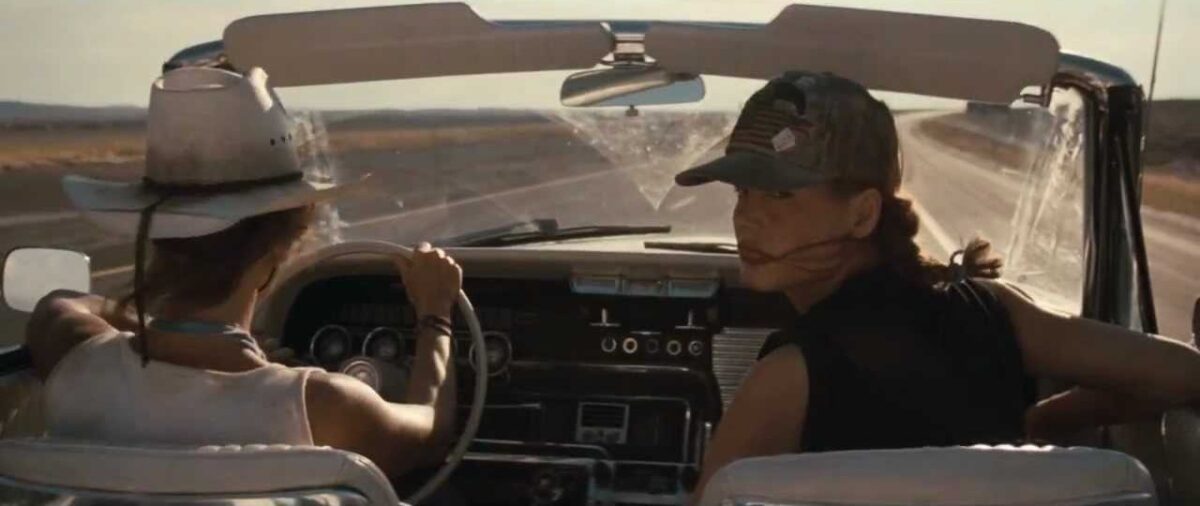
What do women want? Currently, there are a few female YouTubers whose content espouses traditional femininity. They’re blowing the whistle on the divide-and-conquer havoc that Soviet-communist-spawned feminism has caused in America. It begat the needless jealousy of the so-called “patriarchy,” which begat the victim mentality, which begat a sense of entitlement.
Is it perhaps an underlying sense of entitlement that makes the lawlessness on display here feel like a legit state of affairs? This business of two perfectly normal women executing men for having bad intentions, robbing gas stations, destroying livelihoods, holding law enforcement at gunpoint, flipping the bird at the FBI, and committing suicide by driving off a cliff because they don’t want to go to jail?
Ridley Scott’s leftist “Thelma & Louise” didn’t play fair and stacked the deck with some semi-bad men, but regardless—”Thelma & Louise” is a guilty pleasure and still one of the most fun enjoyable movies you’ll ever see.
Susan Sarandon and Geena Davis both earned Oscar nominations.
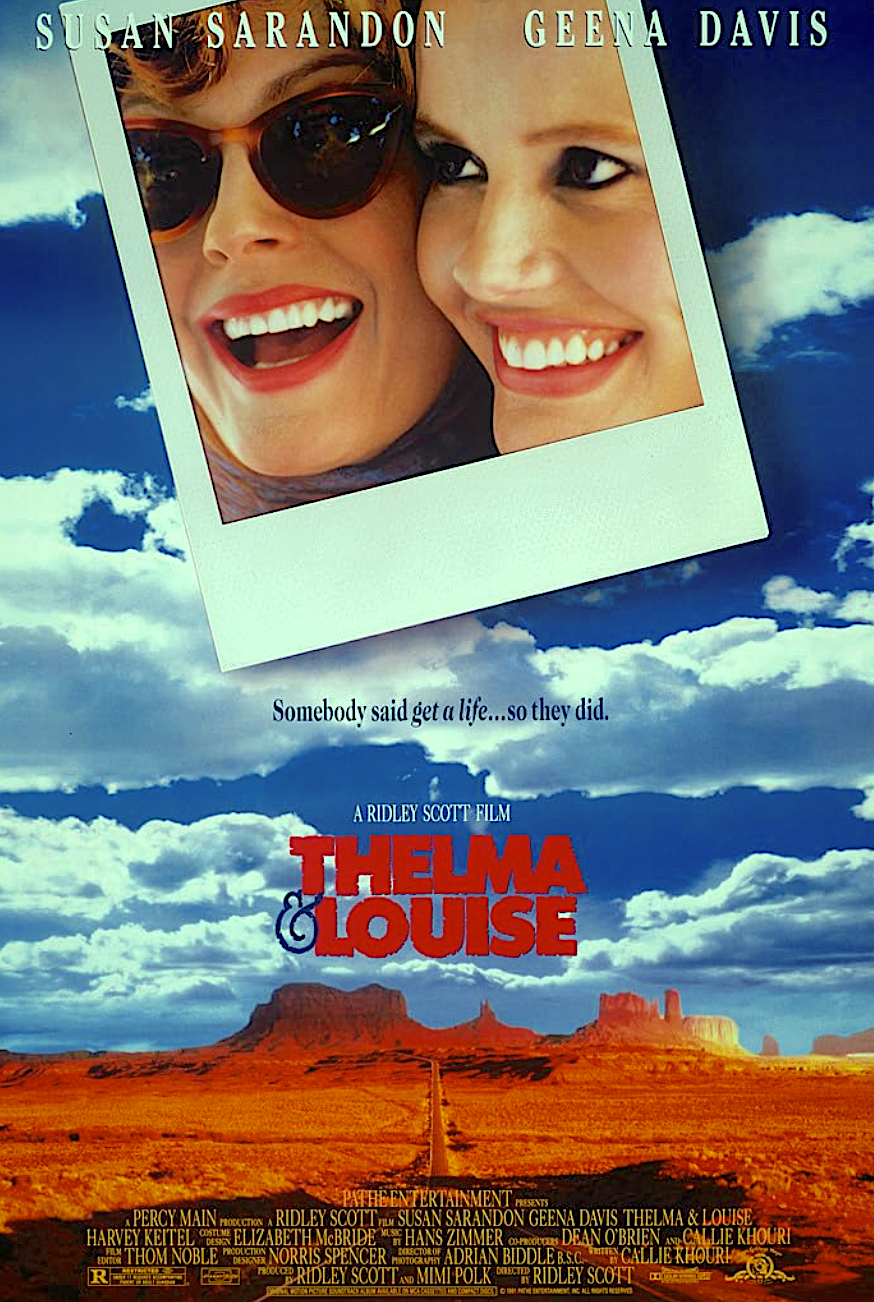
‘Thelma & Louise’
Director: Ridley Scott
Starring: Susan Sarandon, Geena Davis, Brad Pitt, Harvey Keitel, Stephen Tobolowsky
Rating: R
Running Time: 2 hours, 10 minutes
Release Date: May 24, 1991
Rated: 5 stars out of 5 for fun, 1.5 stars for promoting toxic feminism