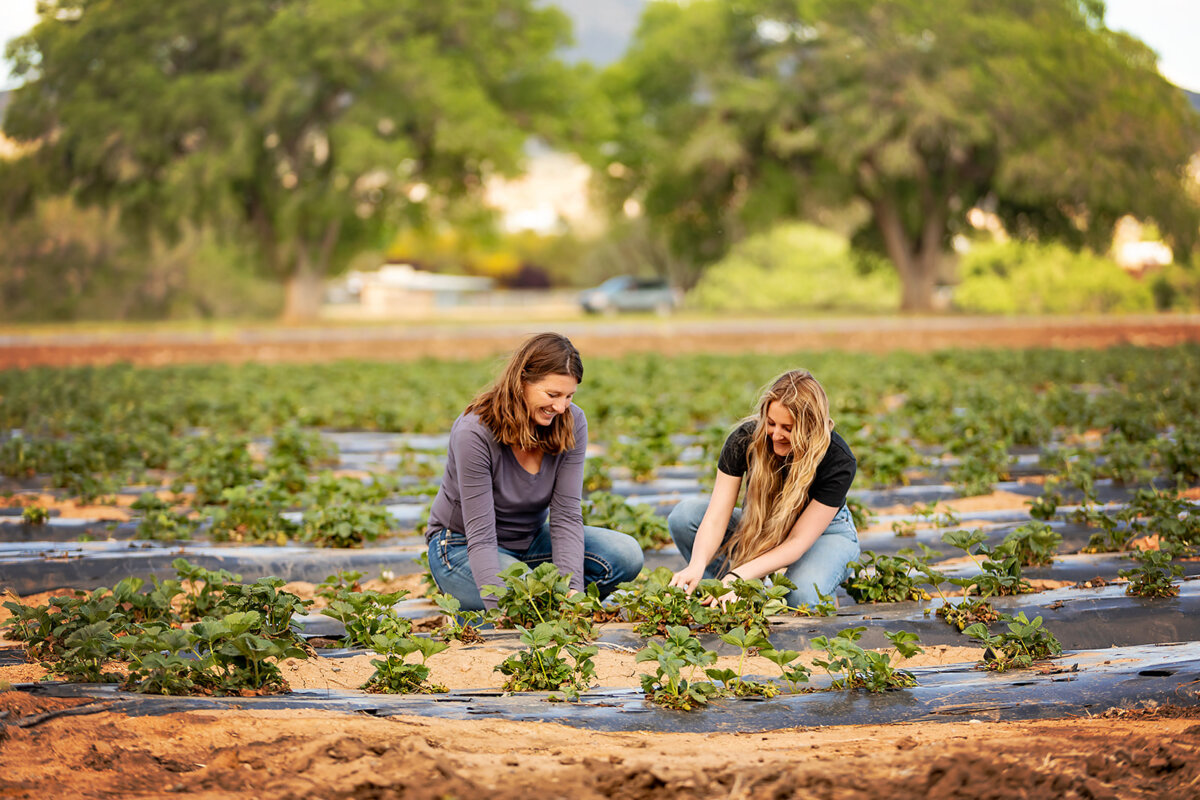
Imagine waking up to a box on your doorstep brimming with just-picked heirloom tomatoes, vibrant bunches of arugula in eight to 10 varieties, and exotic greens you have never tried before—all straight from a Phoenix farm that honors ancient Native American crop rotation traditions and heirloom seeds. That is the kind of magic Frank Martin, founder of Crooked Sky Farms, has been delivering to Arizona families since he pioneered Community Supported Agriculture (CSA) here in the 1990s.
Inspired by Prescott College students who shared stories of an Indiana farm’s CSA model, Martin launched what became Arizona’s largest CSA program. Today, he grows 120 to 140 different crop varieties each fall and winter season, often tailoring heirloom and specialty items for local chefs.
Julie Murphree, director of strategic communications for the Arizona Farm Bureau, said, “Frank Martin was really the genesis of CSA in Arizona and even the U.S.” His work shows how one farmer’s vision can connect city dwellers to the soil.
This spirit aligns perfectly with the new Dietary Guidelines for Americans, 2025–2030, released jointly by the Department of Health and Human Services and the Department of Agriculture. With the clear message “Eat Real Food,” the guidelines urge Americans to prioritize whole, nutrient-dense foods—high-quality proteins, full-fat dairy, vegetables, fruits, healthy fats, and whole grains—while limiting highly processed items, added sugars, and refined carbs. They emphasize real food from American farmers, ranchers, and producers, calling for a food system that supports those who grow it.
Arizona is uniquely positioned to answer that call. Its diverse climates let farmers plant and harvest year-round, producing more than 200 different fruits and vegetables—the only major exception being soybeans, which do not fully mature here. From the low desert to high-elevation valleys, Arizona agriculture thrives on family operations—about 95 percent of U.S. farms are family-owned, and Arizona closely mirrors that, with thousands of family-run operations across the state, according to recent U.S. Agriculture Department data.
These include small urban plots, organic growers, conventional farms, and tribal farms. Arizona boasts the nation’s largest number of Native American farms, many of which are subsistence-based and led by women in matriarchal traditions, as on Navajo lands. Groups such as Native Seeds/SEARCH in Tucson preserve ancient crops through a heritage seed bank. It spans the Southwest and extends into Mexico.
Momentum for local eating has grown since Martin’s early days. The Arizona Farm Bureau estimates about 95 farmers markets, plus CSAs, on-farm markets, and food hubs—mostly in central and southern Arizona around Phoenix and Tucson.
The good news? Arizonans don’t need to look far to eat real food. Below are simple, attainable ways to bring more local, fresh produce to your table.
Shop Local and Seasonal
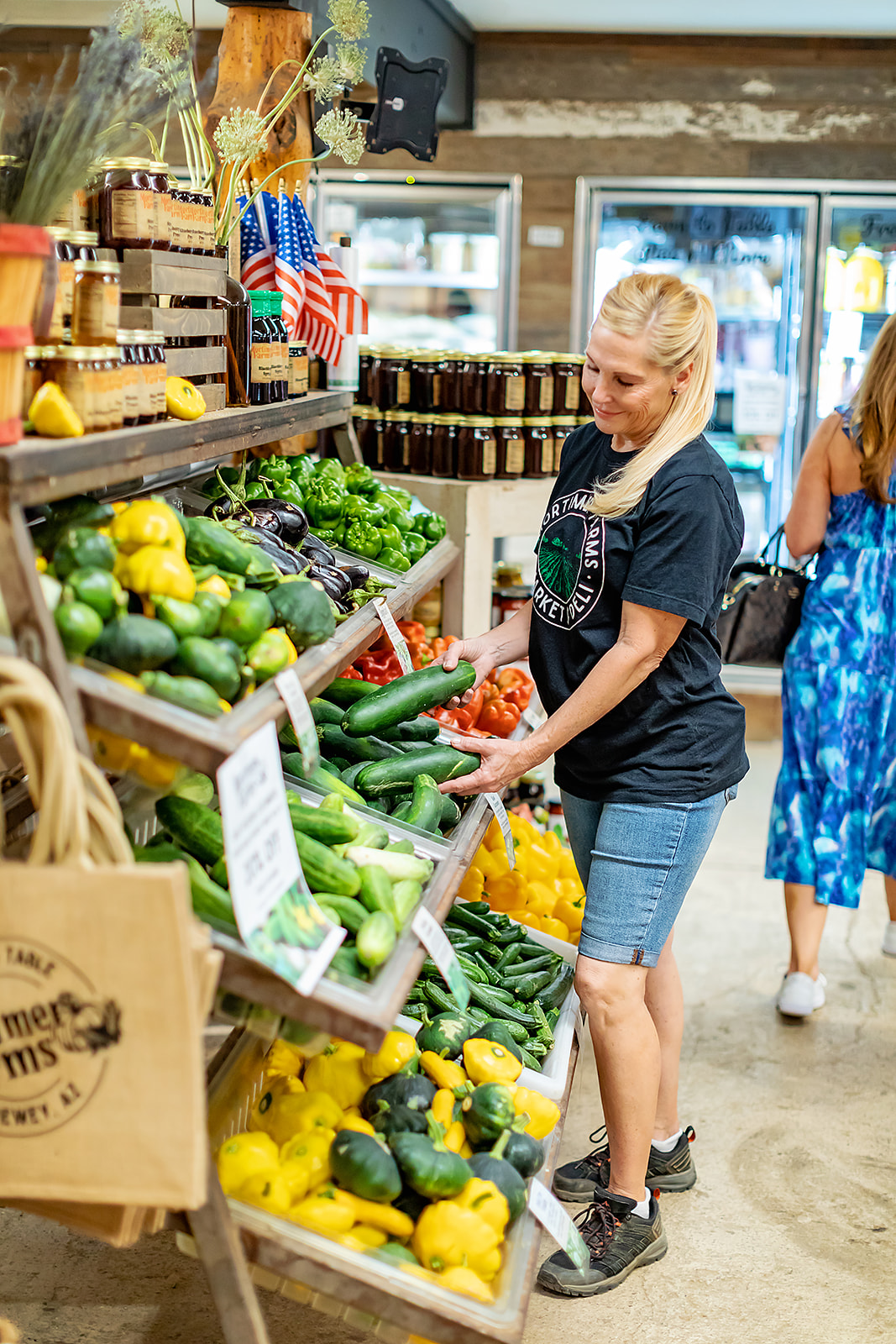
Head to nearby farmers markets for the freshest picks. Mortimer Farms, for example, delivers produce to eight markets weekly and sells meat boxes, jarred goods, and dairy partnerships at its on-site market, calling it “the local grocery store.” Use Fill Your Plate (FillYourPlate.org), a one-stop Arizona resource from the farm bureau, to find markets, farms, products, and even recipes. Stick to grocery outer aisles at places such as Bashas’ or Albertsons—88 percent of milk in Arizona stores comes from local dairies (look for codes starting with 04).
Join a CSA
Buy a share in a farm and get weekly boxes of seasonal produce, often with recipes to try new veggies. CSAs cut out long-distance shipping, so food tastes better—picked ripe, not early. Arizona led the way in the 1990s, and options abound. Find one near you at LocalHarvest.org.
Connect With the Arizona Farm Bureau
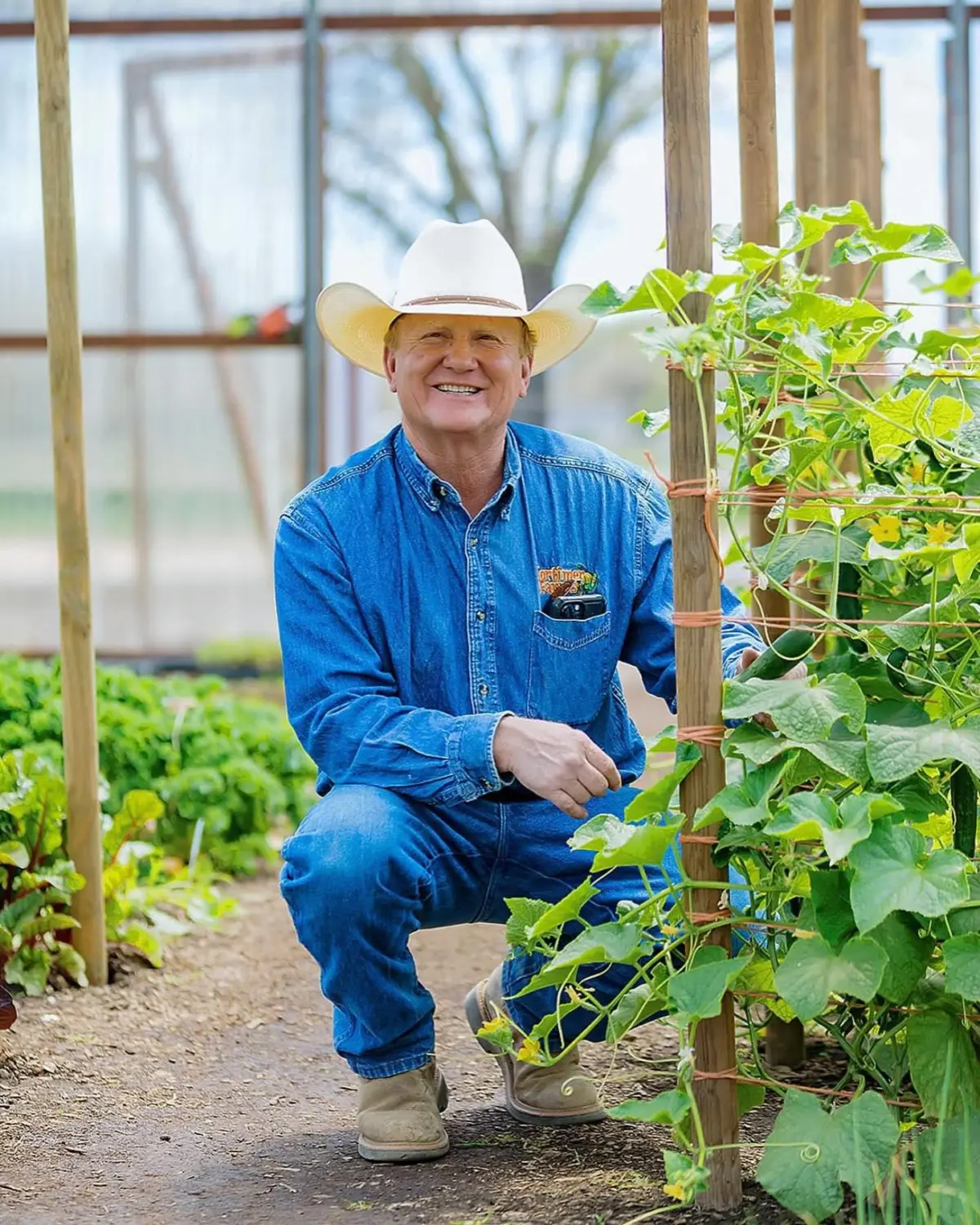
It is not just for farmers—everyone is welcome. The organization offers gardening courses, scholarships, teacher resources, and information on eating local. Visit AZFB.org for details.
Start Your Own Urban Garden
You do not need acres. Patio pots or garden boxes grow hearty veggies and herbs to feed a family. For help, check Rustick Roots in Prescott Valley—it offers grow classes, farmscape design, heirloom seeds, starters, and setup consulting. Free seed libraries at many local libraries let you “check out” packets (up to three per month) and donate back after harvesting.
Learn Desert Gardening
Arizona’s climate is unique—hot, dry, and marked by intense sun—so tap experts. The University of Arizona Cooperative Extension, with offices in every county, provides free and online resources on soil health, composting, irrigation, and more. Its low-cost Master Gardener courses teach desert-specific skills.
Murphree advised: “Start small, maybe with herbs and a vertical garden. Sit at the feet of the master gardeners and learn.”
Living in Arizona, we should not have food deserts—even in cities—with year-round abundance nearby. By supporting local farms through CSAs such as Crooked Sky’s, markets, or your own backyard plot, you are eating real food that nourishes your body and strengthens our communities. As the new guidelines remind us, real food starts with real farmers.
Next in the series: Discover hands-on farm experiences that bring families closer to where food comes from—right here in Arizona.