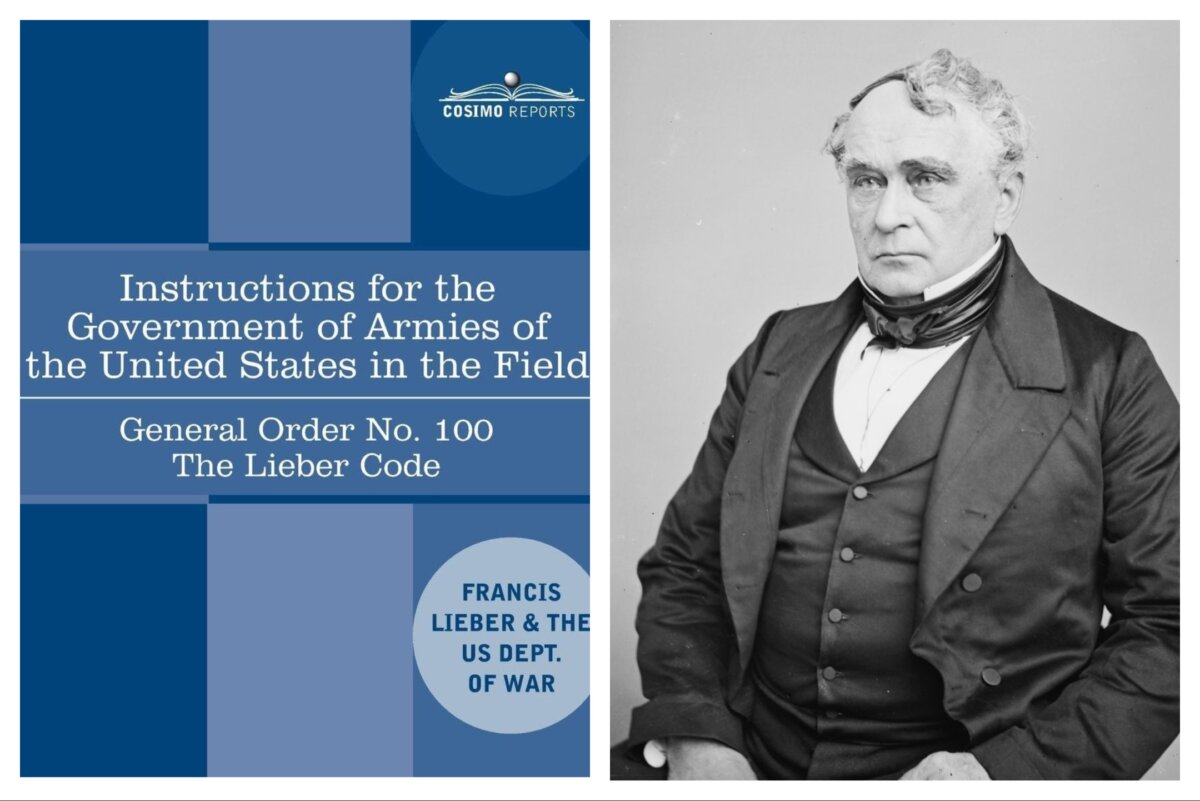
Francis (Franz) Lieber (1798–1872) wept as he stared out his window in Berlin. Napoleon Bonaparte’s Grande Armée had just defeated the Prussian army at the Battle of Jena-Auerstedt on Oct. 14, 1806. The French army was now marching in Berlin. The Napoleonic Wars would leave a lasting impression on the German boy; he would grow up to help defeat Napoleon and guide a young nation in formulating its military’s code of conduct.
Lieber, born in Berlin, was the 10th of 12 children born to an ironware dealer. In the spring of 1814, the man who had brought him to tears was defeated. Napoleon abdicated and went into exile at Elba. The teenaged Lieber had not been involved in the fight against Napoleon. But when the French military leader escaped from exile and roused his troops, Lieber did join the war effort.
It was his father who informed him and his brothers that Napoleon was back and that they were to fight. Lieber recalled,
“My heart beat high; it was glorious news for a boy of fifteen, who had often heard with silent envy the account of the campaigns of 1813–14 from the lips of his two brothers, both of whom had marched in 1813. … One of those, cured of his wounds, rejoined his regiment; another of my brothers and myself followed the call of government to enter the army as volunteers, though our age would have exempted us from all obligation.”
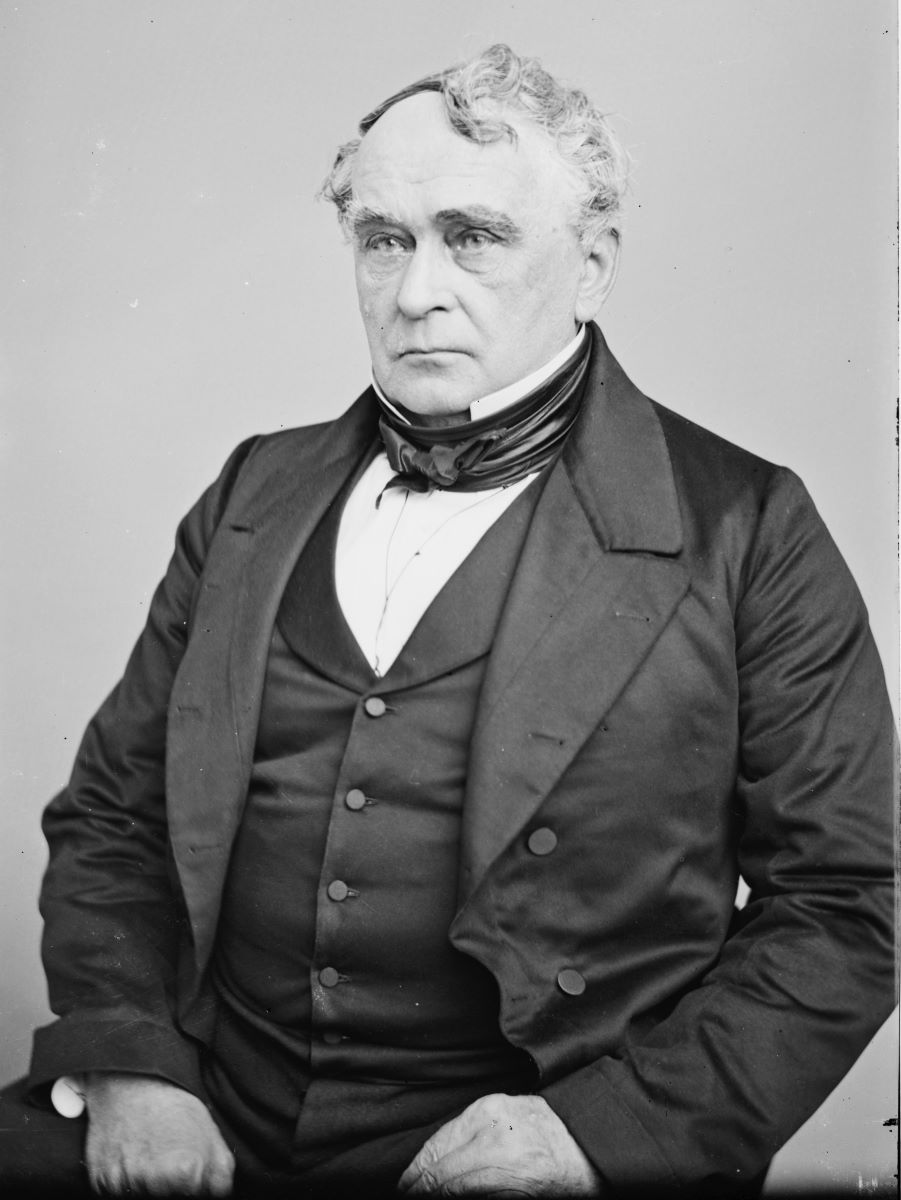
In 1815, near Waterloo, where Napoleon was finally defeated, Lieber was shot through the neck. He noted:
“I thought I should die and prayed for forgiveness of my sins as I forgave all. I recollect I prayed for Napoleon, and begged the dispenser of all blessings to shower His bounty upon all my beloved ones, and if it could be, to grant me a speedy end of my sufferings.”
He thought his prayer had been immediately answered as another bullet went through his chest. Despite these severe wounds, he recovered. By the end of his recovery, Napoleon was back in exile on the island of St. Helena, where he remained until death.
Imprisonment and Immigration
Lieber was caught up in republicanism and anti-monarchism that continued to sweep through Europe. He was arrested and sent to prison for several months. The authorities finally released him without ever giving him a trial. He was informed that his crimes had never been proved, but that he was considered a suspicious person.
In 1820, he received his doctorate in mathematics from the University of Jena. He remained opposed to monarchism but also was against communism and what he termed “democratic absolutism,” which enabled the majority to wield absolute power. He strongly advocated for German unity and believed it could only be achieved by a revolutionary leader. He would only see this achieved well after he immigrated to America.
Upon witnessing the progression of German unification in the late 1860s and early 1870s, he recalled, “I have this very moment read in the German papers that Bismarck said in the chamber the very thing for which we were hunted down in 1820 and 1821.”
Indeed, Lieber was constantly hassled by police surveillance and was refused public employment. Despite this, he was able to rub shoulders with some leading German intellectuals and historians, like Barthold Niebuhr, Leopold von Ranke, and Alexander and Wilhelm von Humboldt. He briefly moved to Greece, where he fought in the Greek War of Independence against the Ottoman Empire. He wrote of his experiences in “Journal in Greece,” published in 1823.
He was arrested again shortly after returning home to Germany. He then fled for London, where he got married. Then, in 1827, he immigrated to Boston.
An American Influencer
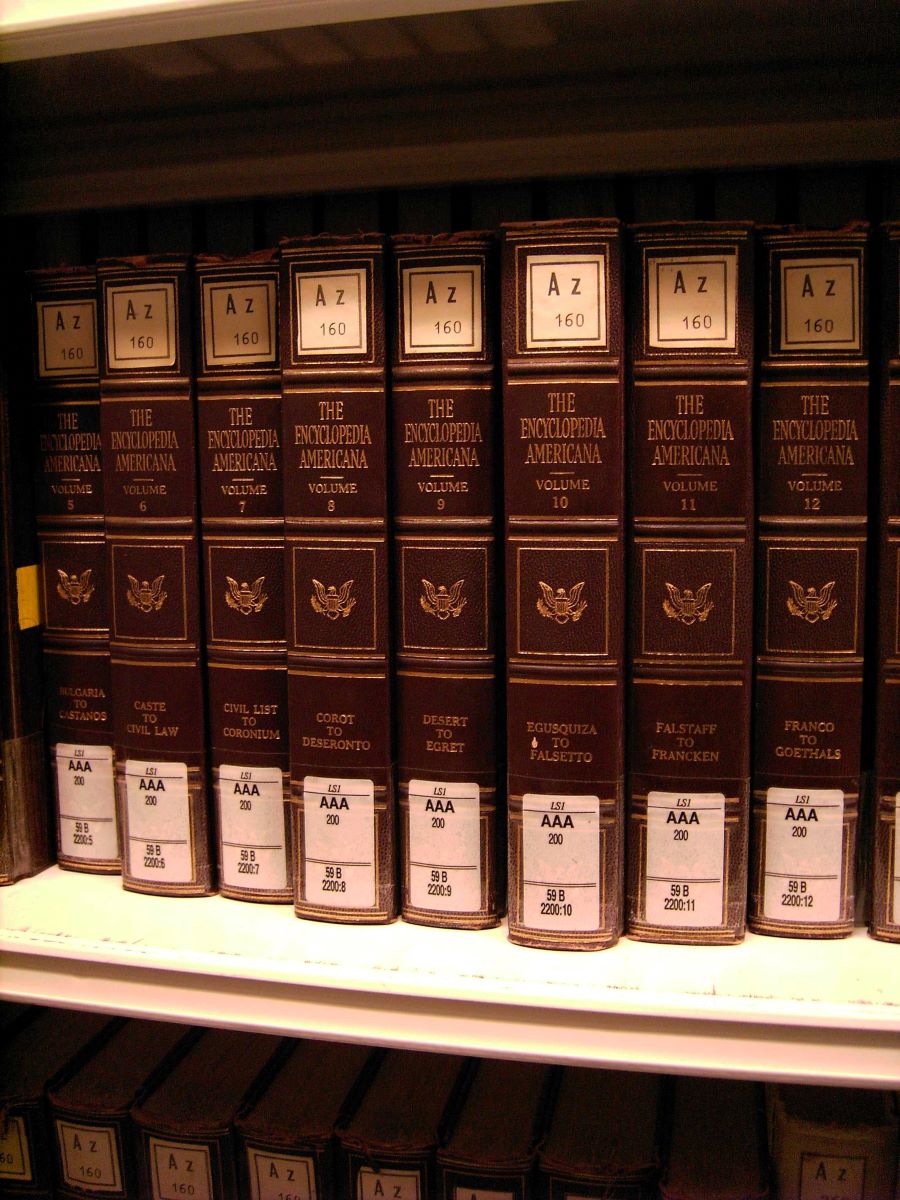
In Boston, he worked at a local gymnasium. One of the members was John Quincy Adams. This acquaintance placed him in an excellent position to meet American intellectuals. Now well connected, he found upon an idea to create a massive work on American history. Inspired by the German publisher Friedrich Arnold Brockhaus, who compiled a 12-volume German encyclopedia, Lieber began a five-year project where he solicited the work of numerous prominent authors and edited and published the 13-volume Encyclopedia Americana. The multivolume effort proved a massive success, selling more than 100,000 copies.
During this period, he also translated several French and German works. In 1832, he moved to New York and was responsible for publishing the work on the American penitentiary system written by Gustave de Beaumont and Alexis de Tocqueville. He was also a primary source for de Tocqueville’s “Democracy in America.” He was then asked to formulate a plan of education and instruction for Girard College in Philadelphia. This led to his remove to the City of Brotherly Love in 1833.
In 1835, he accepted a professorship at the College of South Carolina (now the University of South Carolina) where he taught history and political economy. By 1839, he had written a two-volume work entitled “Manual on Political Ethics” and the single volume “Legal and Political Hermeneutics.” Both his works and his theories were well received, receiving positive reviews from prominent American jurists Joseph Story and James Kent.
The Lieber Code
Five years later, in 1844, Frederick William IV, the king of Prussia, pardoned Lieber and requested he be a royal consultant. Lieber obliged the king for a year before returning home to South Carolina. His next work was entitled “On Civil Liberty and Self-Government,” which proved very influential in America. But his most influential work was still a decade away from being published.
As political tensions in America escalated, Lieber accepted a professorship at Columbia College (now Columbia University) to teach history and political science. The move was well-timed, as the Civil War broke out only a few years later, with his former home state South Carolina being the leading voice for what would become the Confederacy.
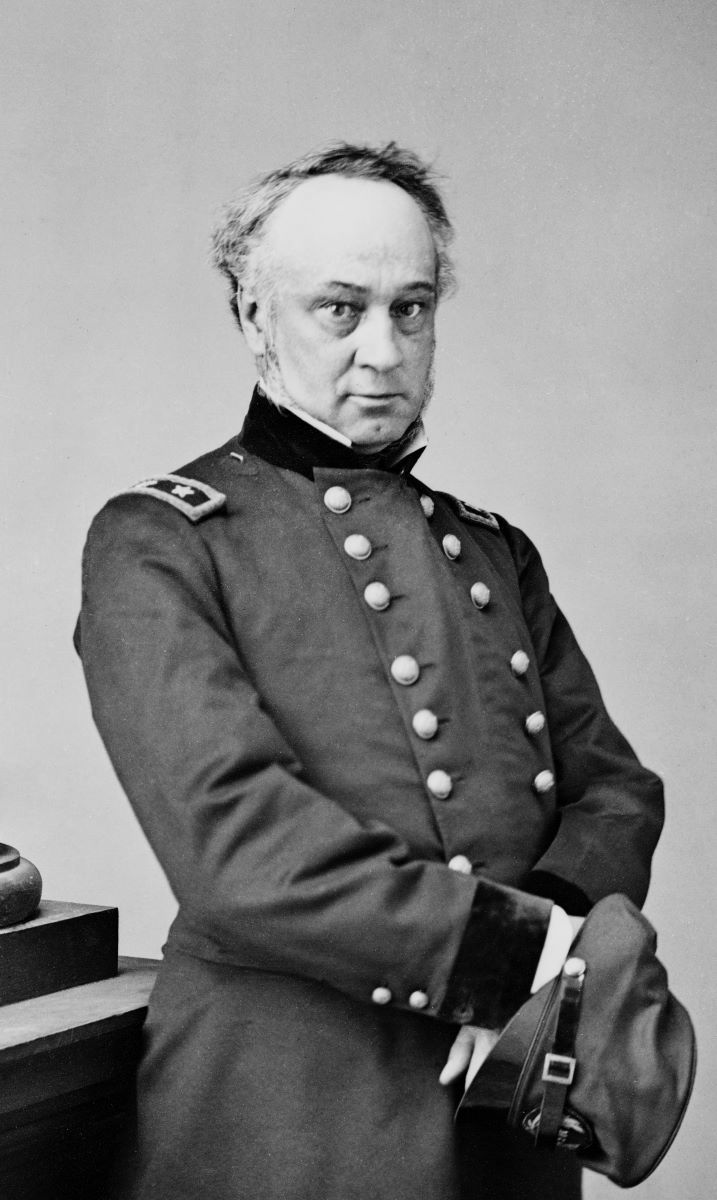
Maj. Gen. Henry W. Halleck, the general-in-chief of the United States Army, requested Lieber, who was a consultant for the War Department, to formulate a written code of conduct for the Union Army. On April 24, 1863, the United States War Department issued General Orders No. 100.
The War Department cited:
“The following ‘Instructions for the Government of Armies of the United States in the Field,’ prepared by Francis Lieber, LL.D., and revised by a Board of Officers, of which Major General E.A. Hitchcock is president, having been approved by the President of the United States, he commands that they be published for the information of all concerned.”
General Orders No. 100 quickly became known as the Lieber Code.
A Global Influence
According to Lt. Gen. Charles Pede and Col. Joshua Berry at the United States Military Academy at West Point, writing for the Academy’s Lieber Institute, “the promulgation of the Lieber Code is generally regarded as the first time in modern history that a nation has codified the law of war to regulate the conduct of its forces in battle.”
Fittingly, in 1871, the year before Lieber’s death, the Lieber Code was adopted by the Prussian Army as its official code of conduct. Several other countries followed suit. According to the Oxford Public International Law, “Lieber’s work lies at the heart of many subsequent efforts to devise binding rules of international humanitarian law.”
The Lieber Code was foundational to the late 19th-century and early 20th-century Hague and Geneva conventions, which established international agreements on the laws of war.
Elihu Root, who had been President Theodore Roosevelt’s secretary of state, noted in 1913, the year he received the Nobel Peace Prize, that he considered Lieber the “patron saint of American international law.”
What arts and culture topics would you like us to cover? Please email ideas or feedback to features@epochtimes.nyc