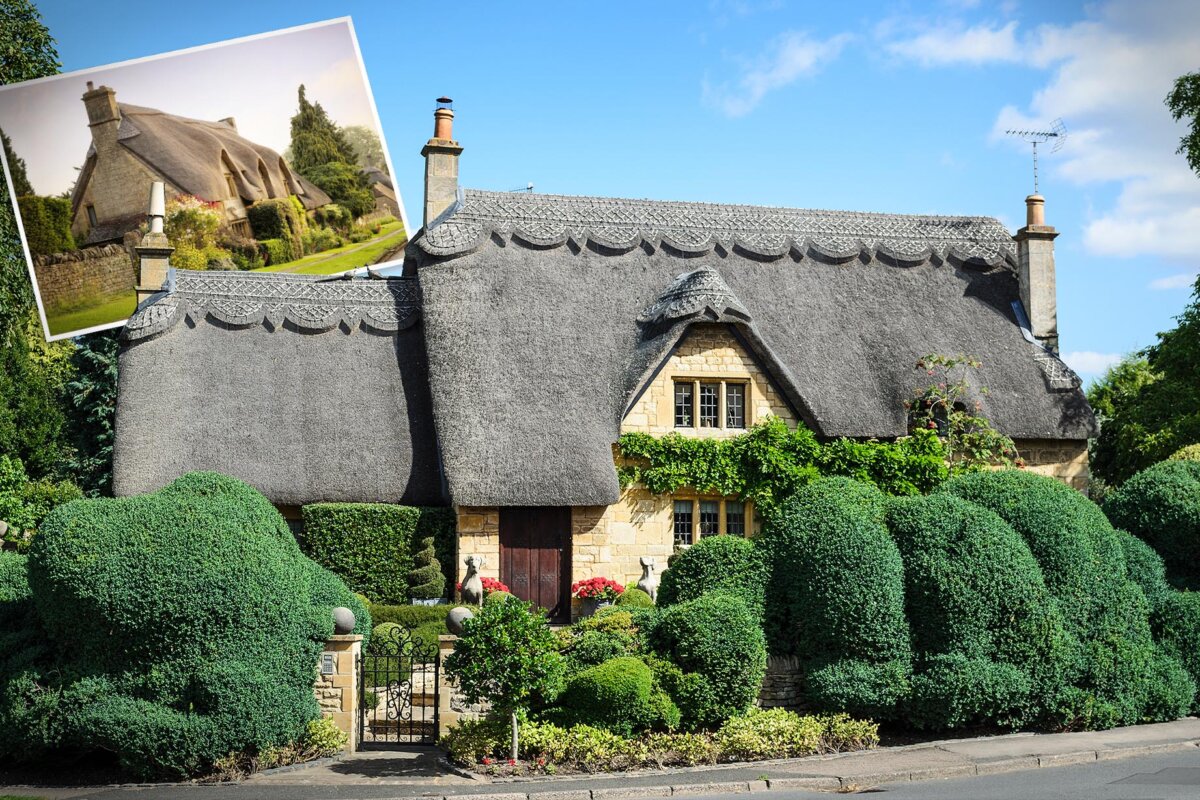
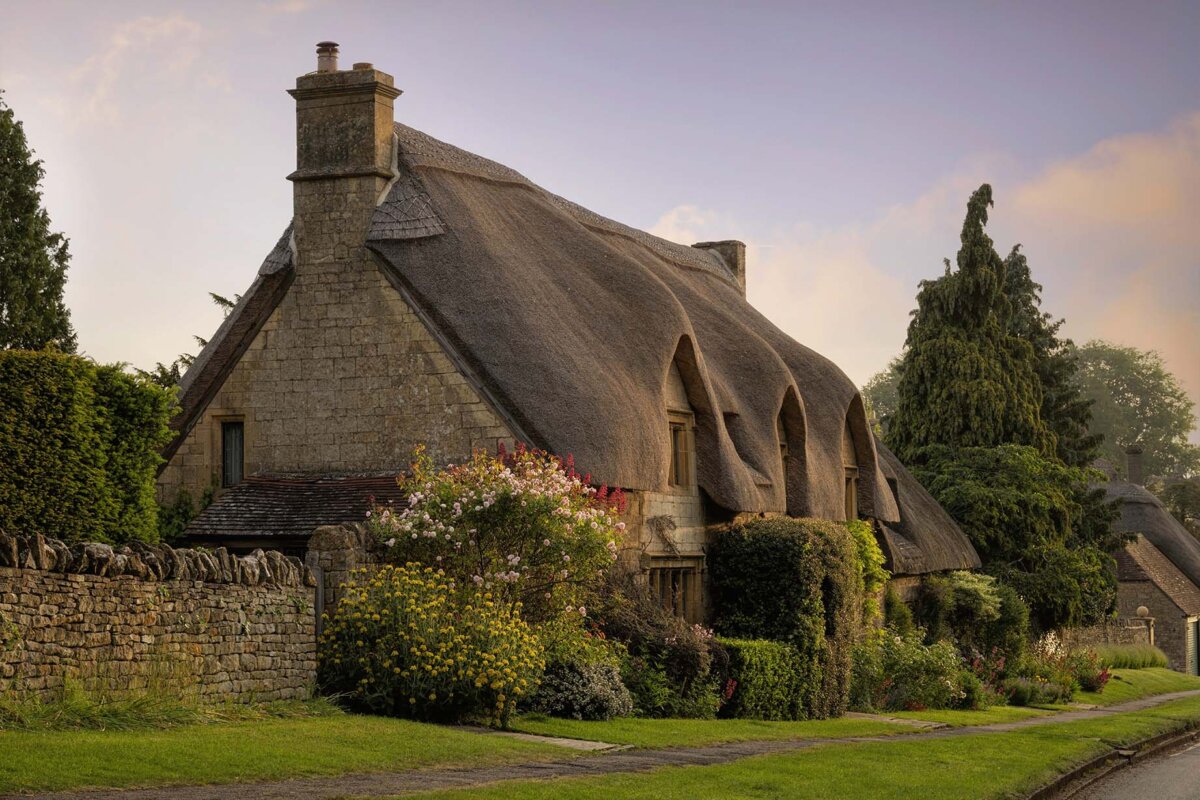
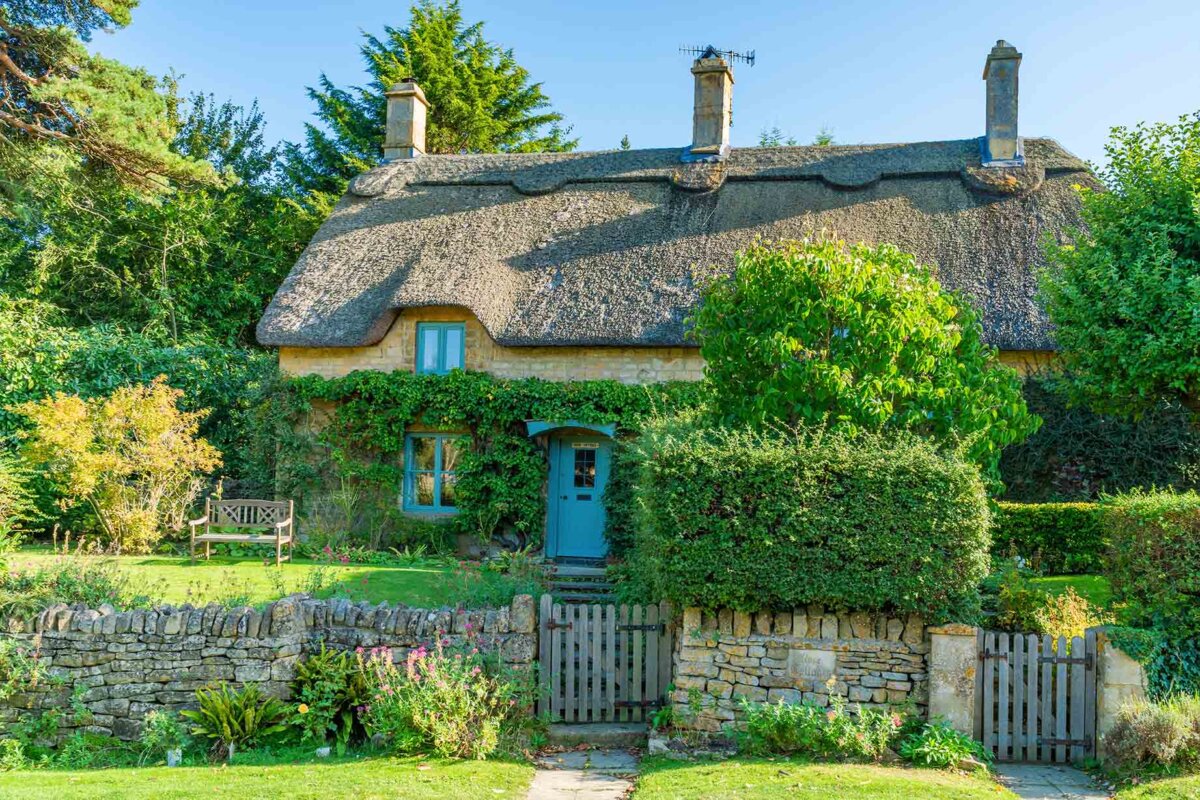
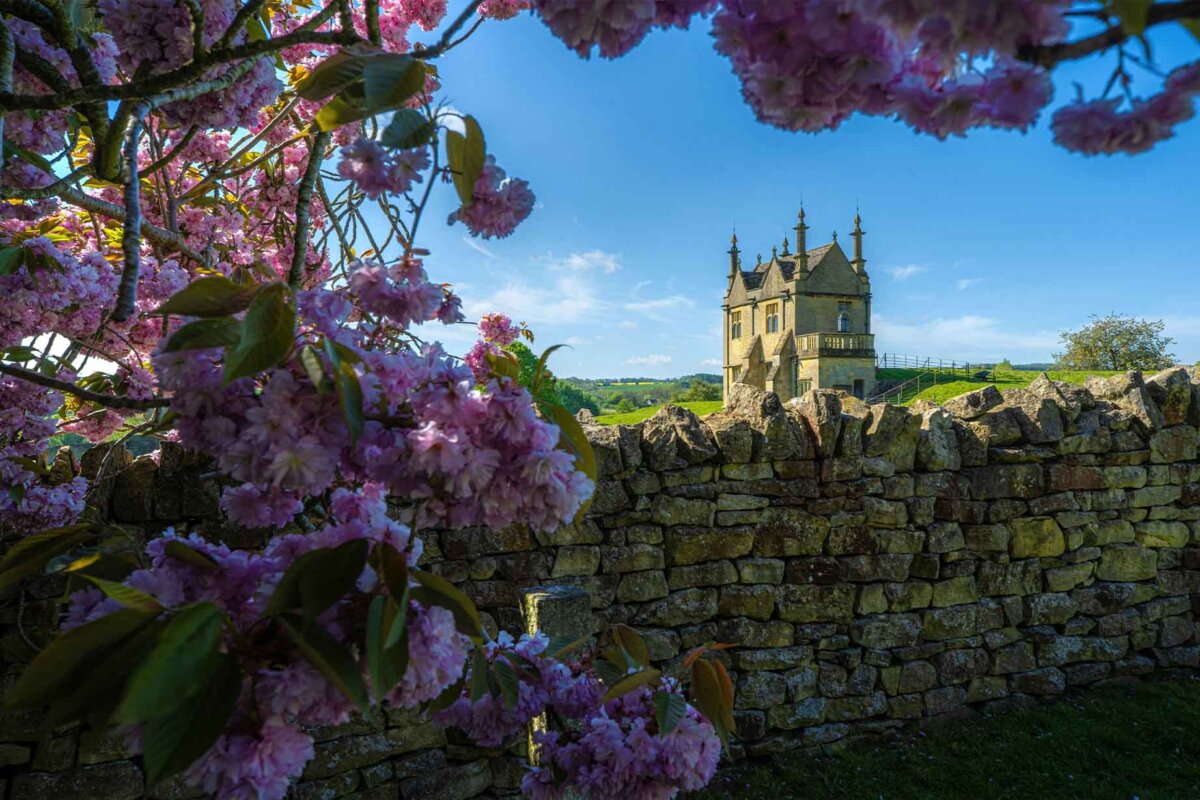
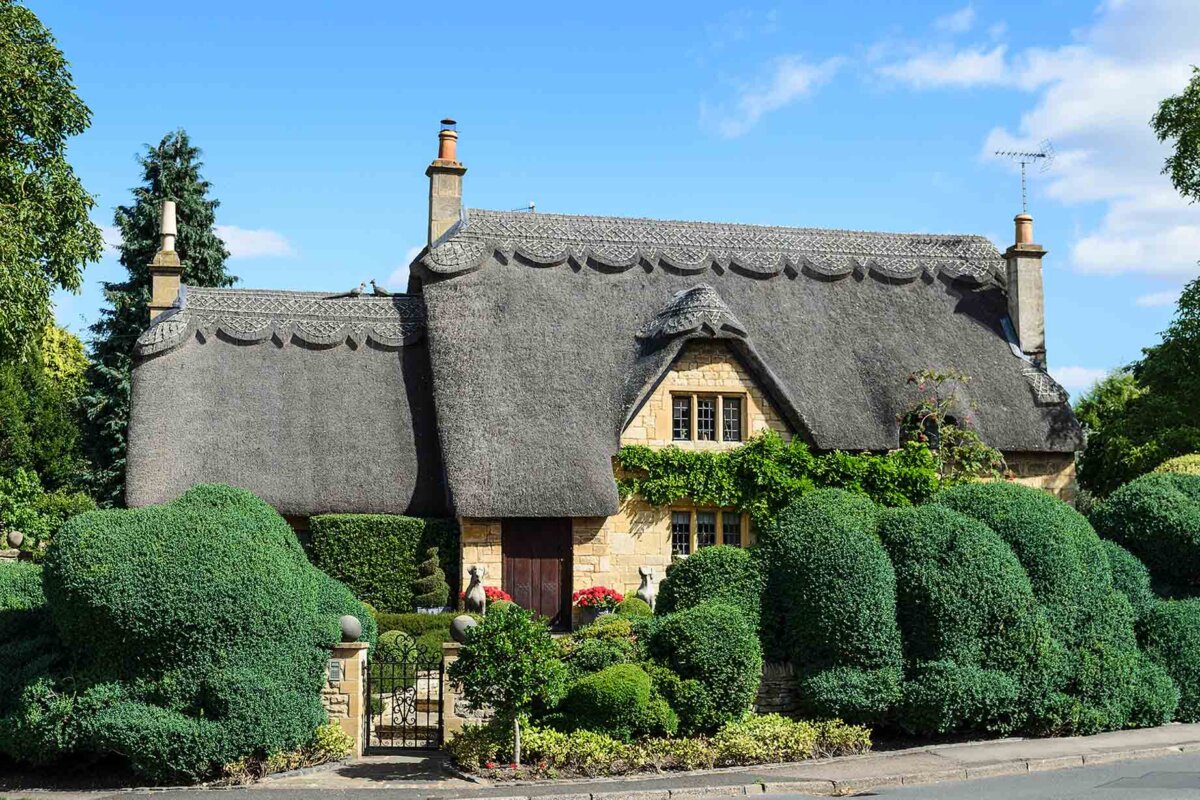
It looks like a picturesque village from that whimsical storybook “The Wind in the Willows.” The thatched cottages and moss-covered stone walls conjure a page out of “Peter Rabbit” or a painting by Thomas Gainsborough.
Hardly touched by time, Chipping Campden is prized as a “hidden jewel” in the Cotswolds of southwest England. It’s no wonder tourists flock here to stroll along the stone row homes and stop in at centuries-old pubs for a pint or chat with locals in this historically rich market town. And the well-to-do will pay more than a million pounds to call this quaint lifestyle home.
Traveling by car from London, one will transition from the noisy, fast-paced motorways into ever narrower and quieter country lanes, weaving through the rolling Cotswold countryside. Some among the town’s roughly 3 million annual visitors may stop to visit Shakespeare’s childhood townhouse in Stratford-upon-Avon along the way.
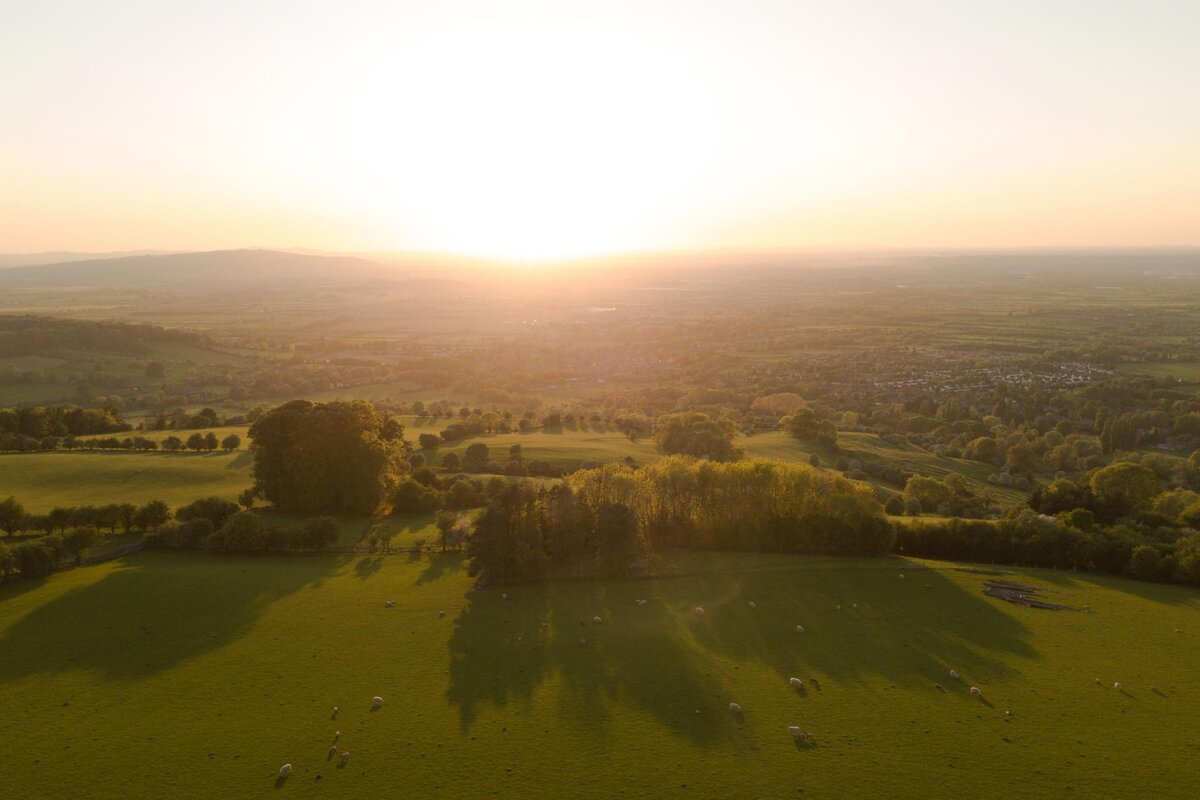
Nestled in one of those classic Cotswold folds in the landscape with steep access roads and unforgiving terrain, Chipping Campden was once the grounds of Bronze Age and Iron Age settlements and later sat at the confluence of several Roman roads. But the village we know today was built later in medieval times as a sort of “new town.”
On arrival there is parking along High Street, whose central feature is Market Hall, which began as a wool traders’ haven in the late 12th century. It was King Henry II who originally granted a charter to allow a weekly market and yearly fairs here for merchants to peddle the product this town is historically most famous for—wool.
Historic buildings such as Woolstapler’s Hall and Grevel House—both from the 13th century and still standing today—attest to this prosperous wool industry.
That changed with England’s textile boom in the 16th century. Without a robust water supply, Chipping Campden failed to convert its core business into the newly successful cloth trade, leading to the decline of its raw wool exports. The town was almost left behind but was saved by the first of several figures over the centuries who had the power, money, and vision to revive it.
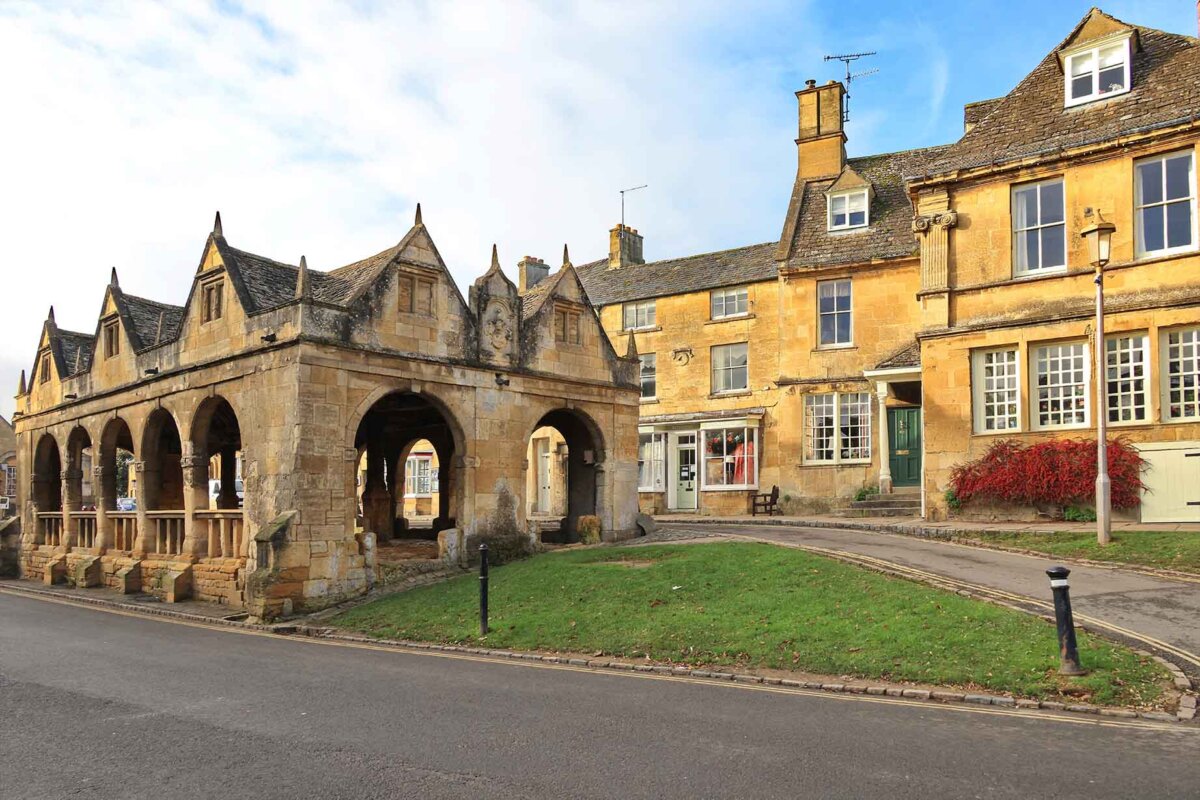
Sir Baptist Hicks, a moneylender and silk dealer from London, arrived in 1609 and felt it was essential to maintain this remarkable community. The arched, open-air Market Hall still standing on High Street attests to his legacy. Its rusticated masonry somehow echoes the town’s own grit.
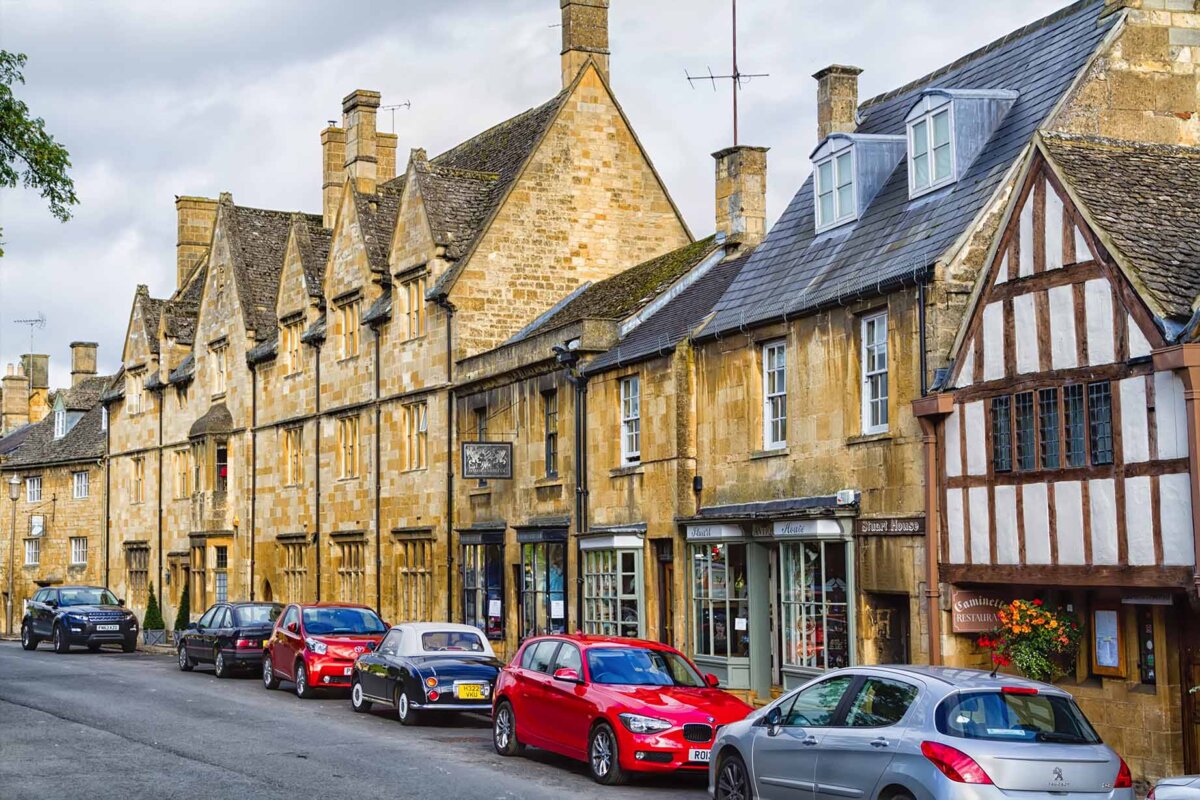
Today, much has changed in Chipping Campden, as tourism has become its main business. High Street offers sightseers the ultimate fairy tale experience with its long, gently curved row of honey-colored stone buildings lining both sides, all full of whimsical nooks and boutiques, as well as watering holes and hotels.
The town’s main street can get downright crowded sometimes, with more traffic than it was designed for. But the locals by and large understand there’s a give-and-take relationship between the outside world throngs and their idyllic English town.
Tim Sexton, manager of the Chipping Campden Tourist Information Centre, pointed to the pros and cons of living here.
“The perks are peace and tranquility,” he told The Epoch Times.
But he also said, “The town and its service area was not built to accommodate the amount of traffic, both private and commercial, that need to access it.”
Many of the shops on High Street would likely “soon disappear” without all the tourism, Sexton said.
“So, like many other UK locations, locals put up with it,” he said.
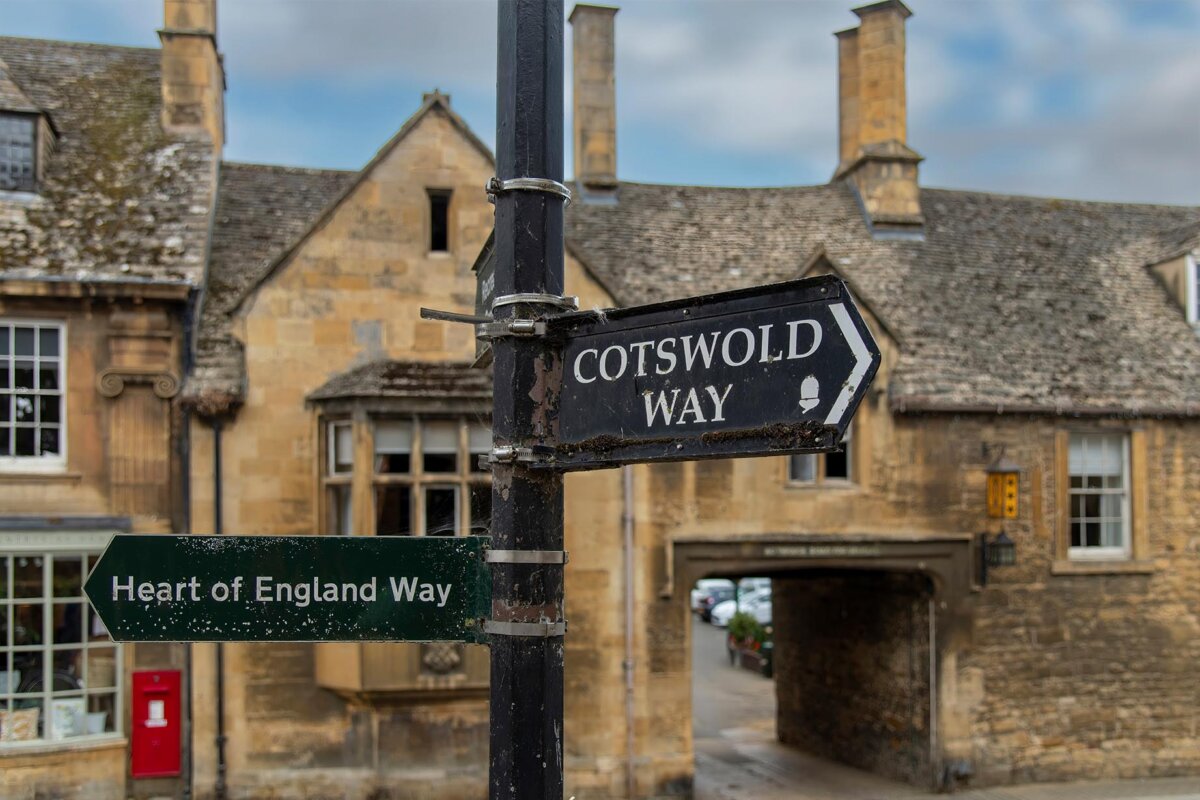
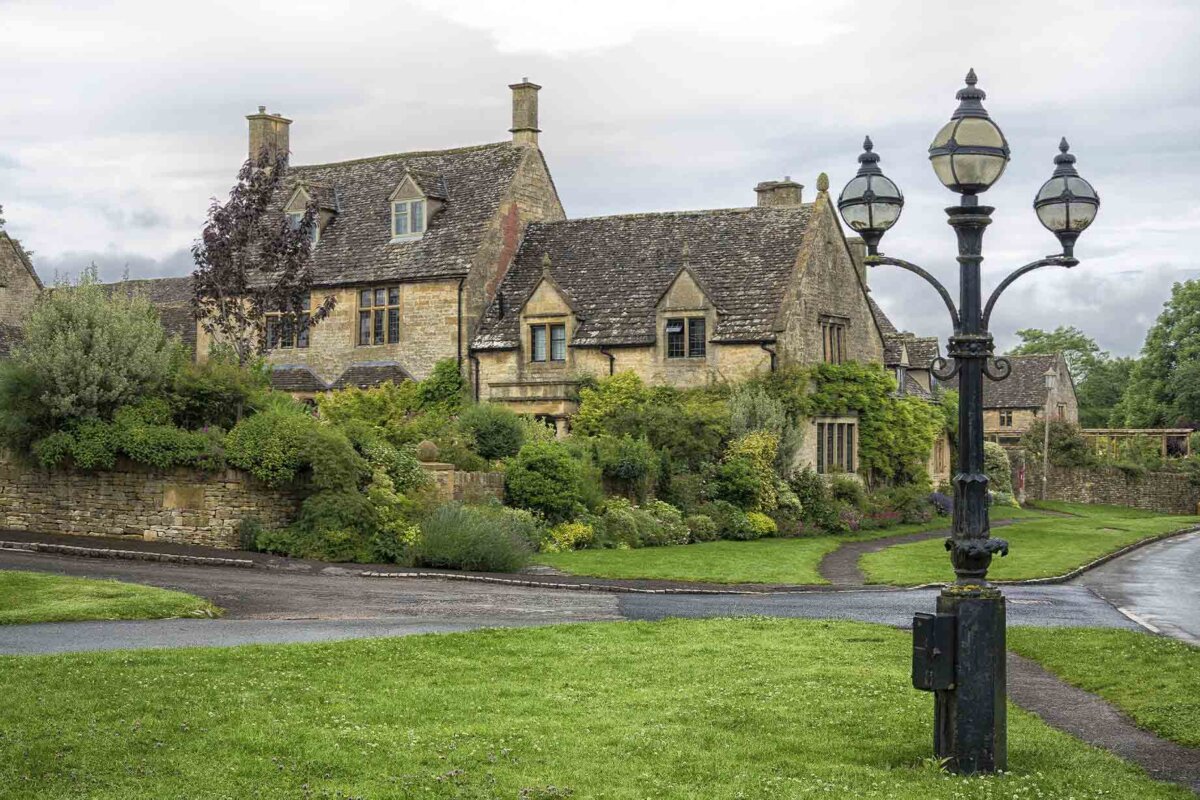
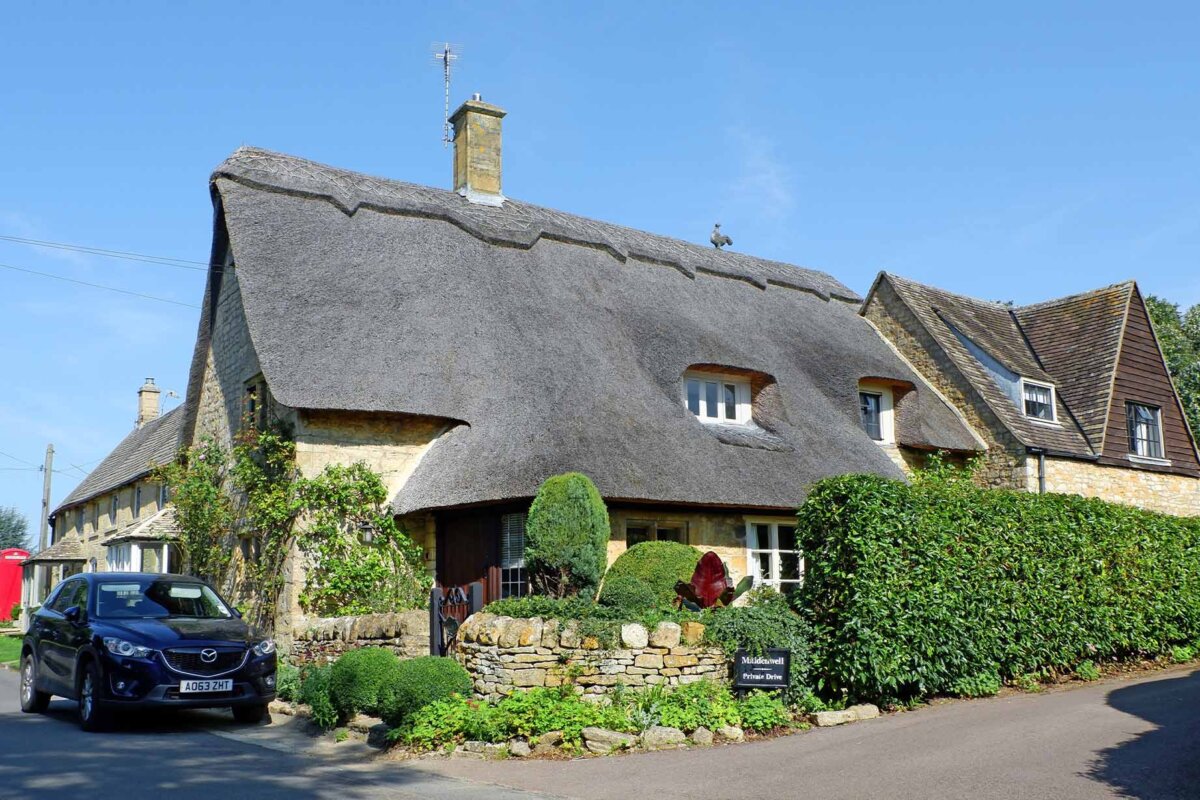
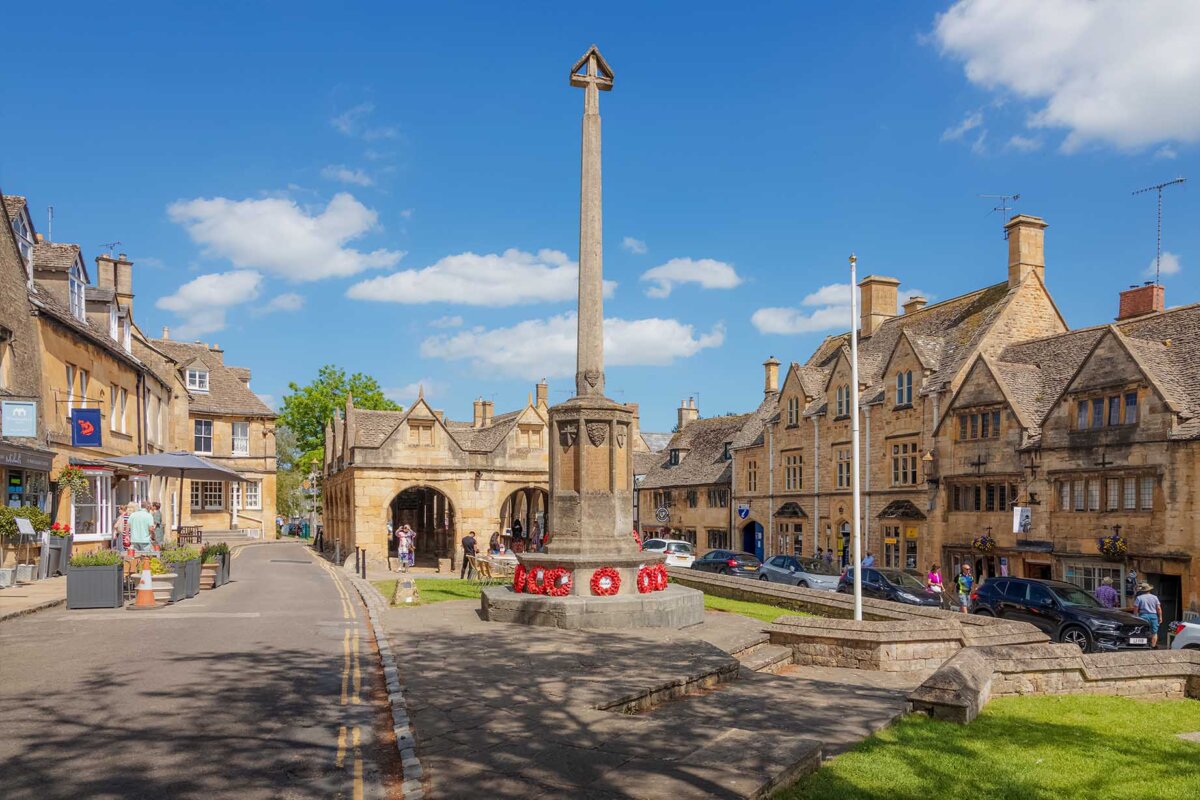
Fortunately, Chipping Campden really is an overlooked “hidden jewel,” especially when you compare it with busier towns such as Bourton-on-the-Water, dubbed the “Venice of the Cotswolds,” and the now-viral Bibury.
For the tranquility it now enjoys, Chipping Campden owes its checkered history a debt. Lying stagnant and half-empty between periods of prosperity, it stayed virtually unchanged for centuries—even more so after the wealthy architect Frederick Griggs arrived in 1904 and set about saving it from modern “improvements.”
The town now has more than 270 buildings that are protected, including the Church of St. James—a true Gainsborough throwback—which was spared restoration in 1911 and still stands intact in all its medieval glory today.
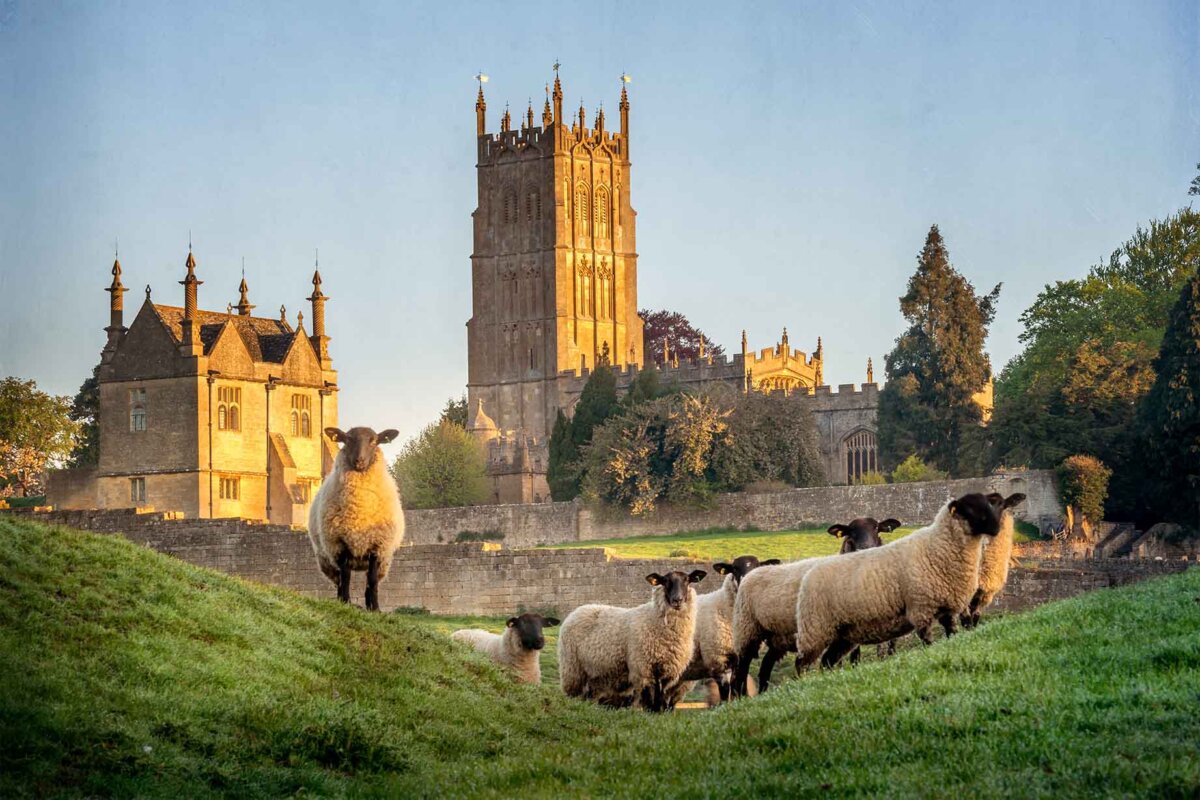
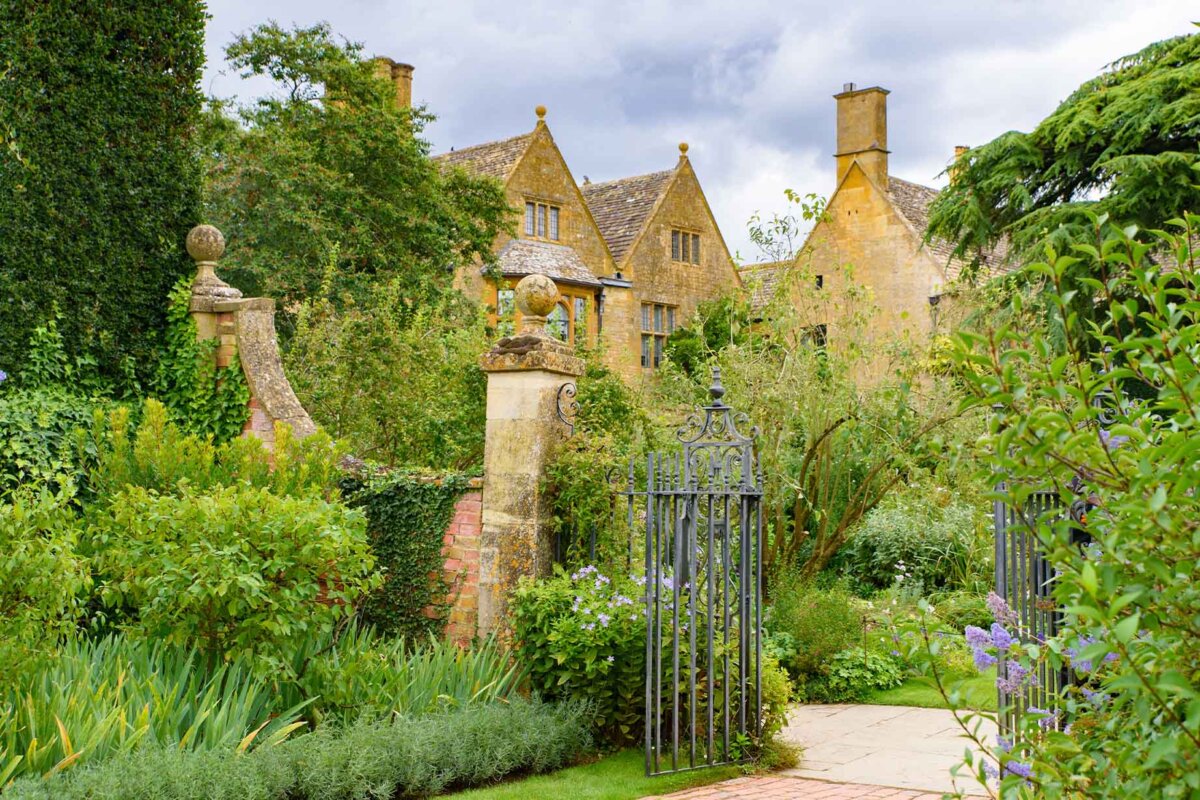
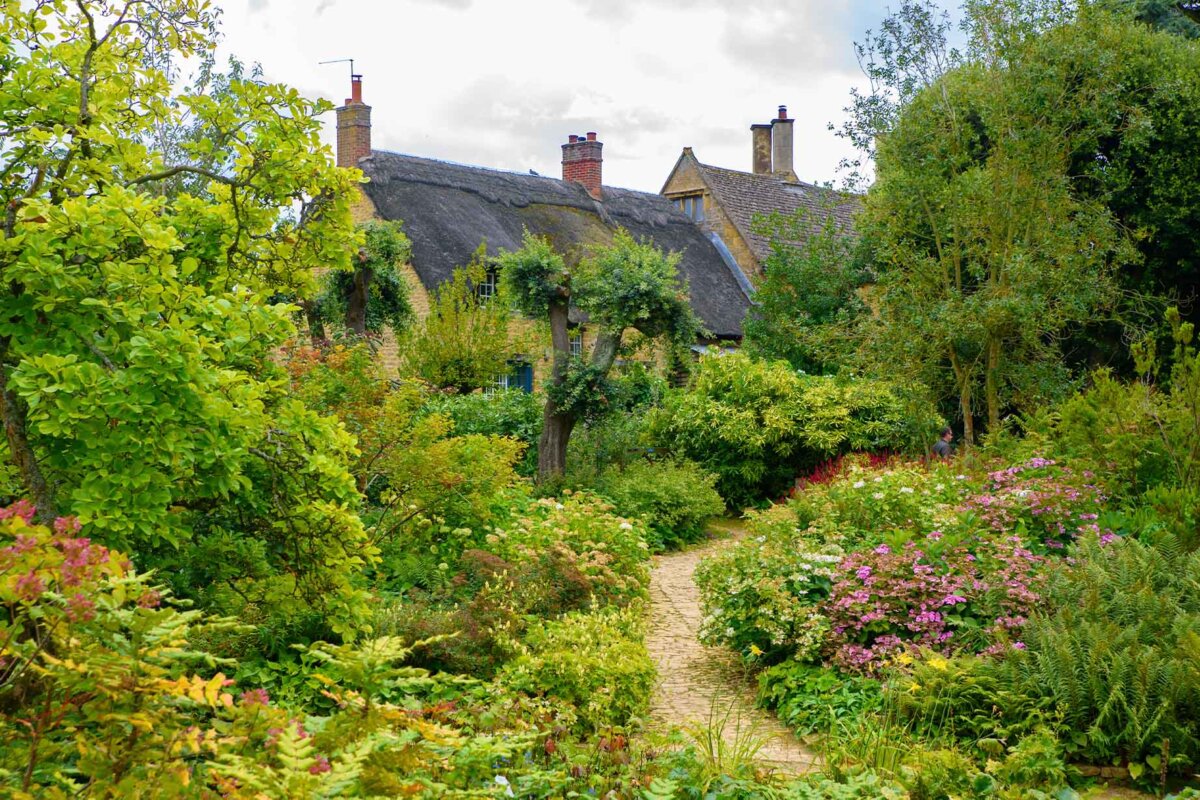
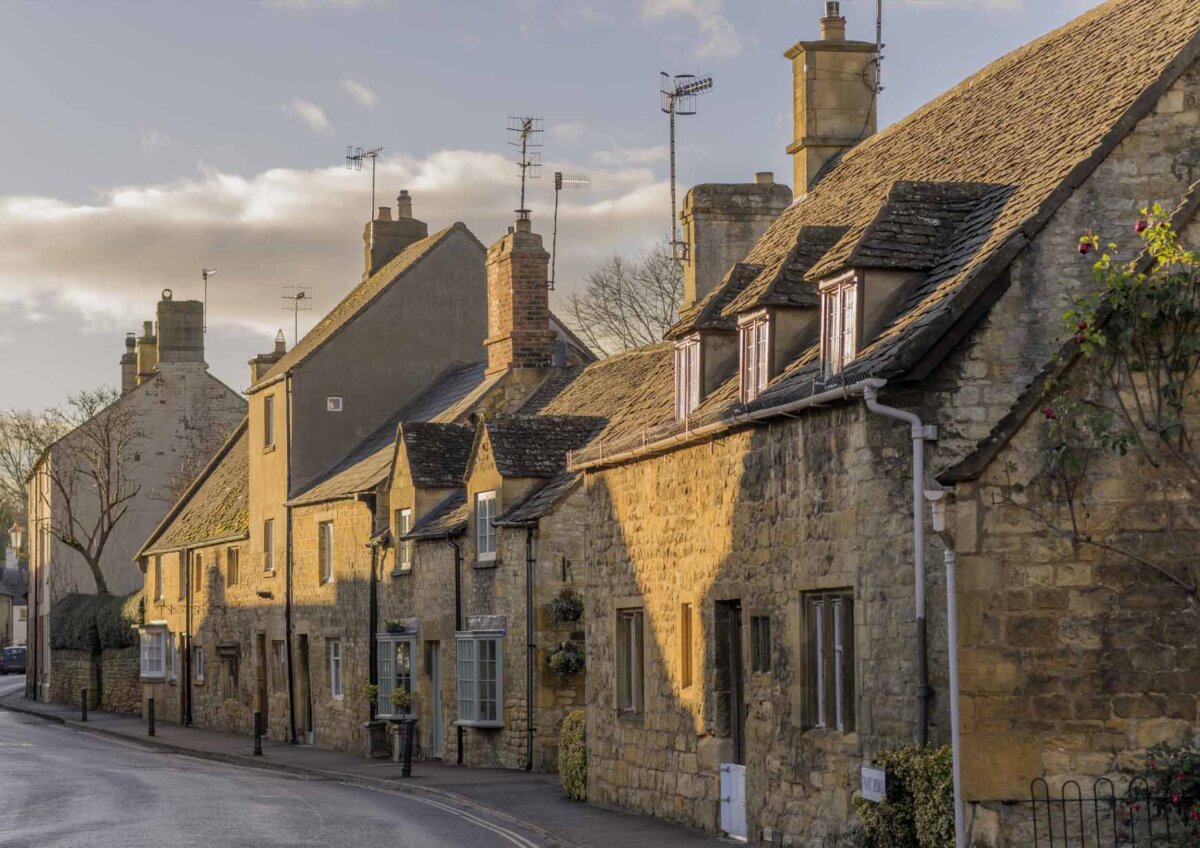
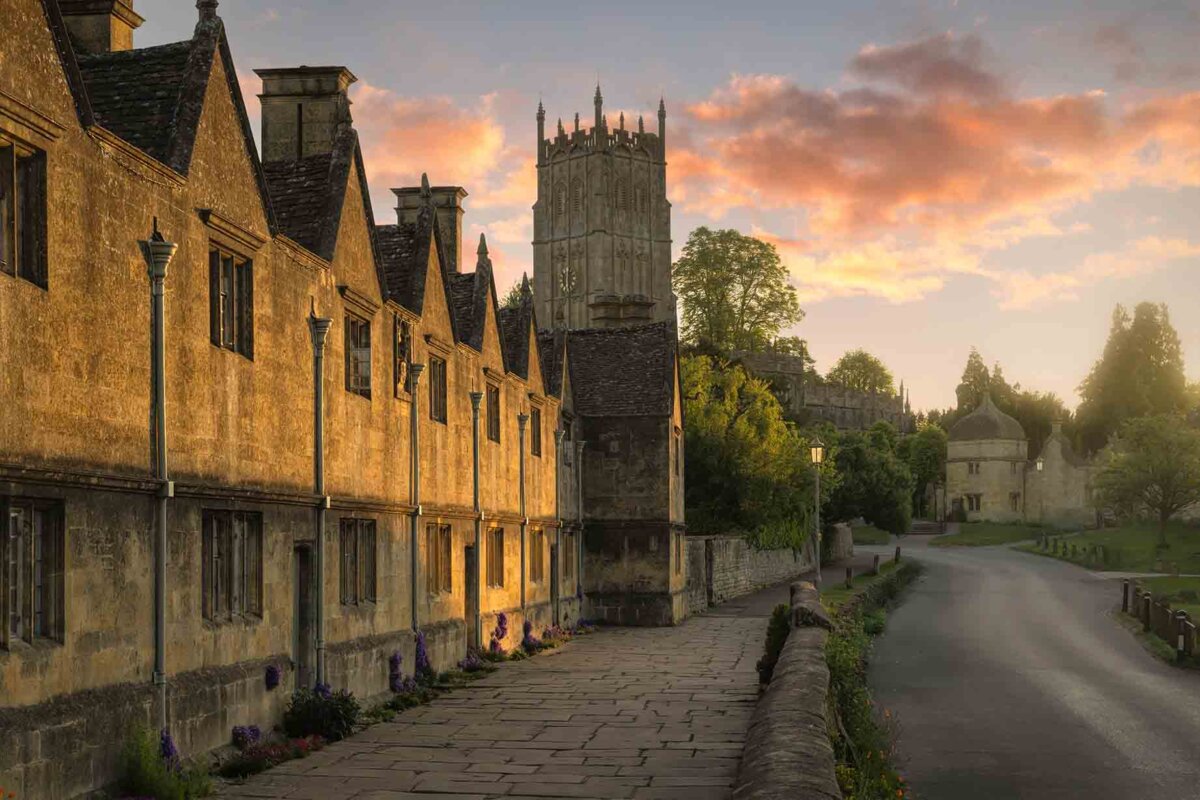
Aided by wool wealth and durable stone, the town managed to dodge industrialization. Efforts continue today to curtail new developments, including a planning application for 30 proposed homes that was rejected in 2025 because it would have caused “significant harm” to the landscape.
Some things have changed, though.
Old parts have been infilled with natural stone buildings sympathetic to the rest of town, particularly in the outskirts. Many workaday folk are heading elsewhere as Campden attracts a new demographic well-suited to the storybook (and oh-so-posh) lifestyle.
“The town’s demographic has changed dramatically over the last 45 years,” Sexton said.
Many local families’ children have been “unable to afford to stay,” he said, since home resale values have reached “in excess of 750,000 pounds,” and many on High Street cost in the millions.
“That said, there is a small amount of affordable accommodation,” Sexton said.