



Australia might be the ultimate far-flung destination. Think about it: a long, long flight and a really big time difference from anywhere in North America—and a huge country, with so much to see. The Sydney Opera House, the Great Barrier Reef, the vast, endless red expanse of the Outback, and Uluru: These are the places that register near the top for most considering this bucket-list trip.
But for international visitors—and even for many Aussies—Hobart, the capital of the island state of Tasmania, is a city that remains largely under the radar. (Tasmania, an island state off the southern coast of the Australian mainland, is roughly the size of West Virginia.) That might seem like a bad thing, until you consider that, at least for the time being, you can have this magnificent place almost all to yourself.
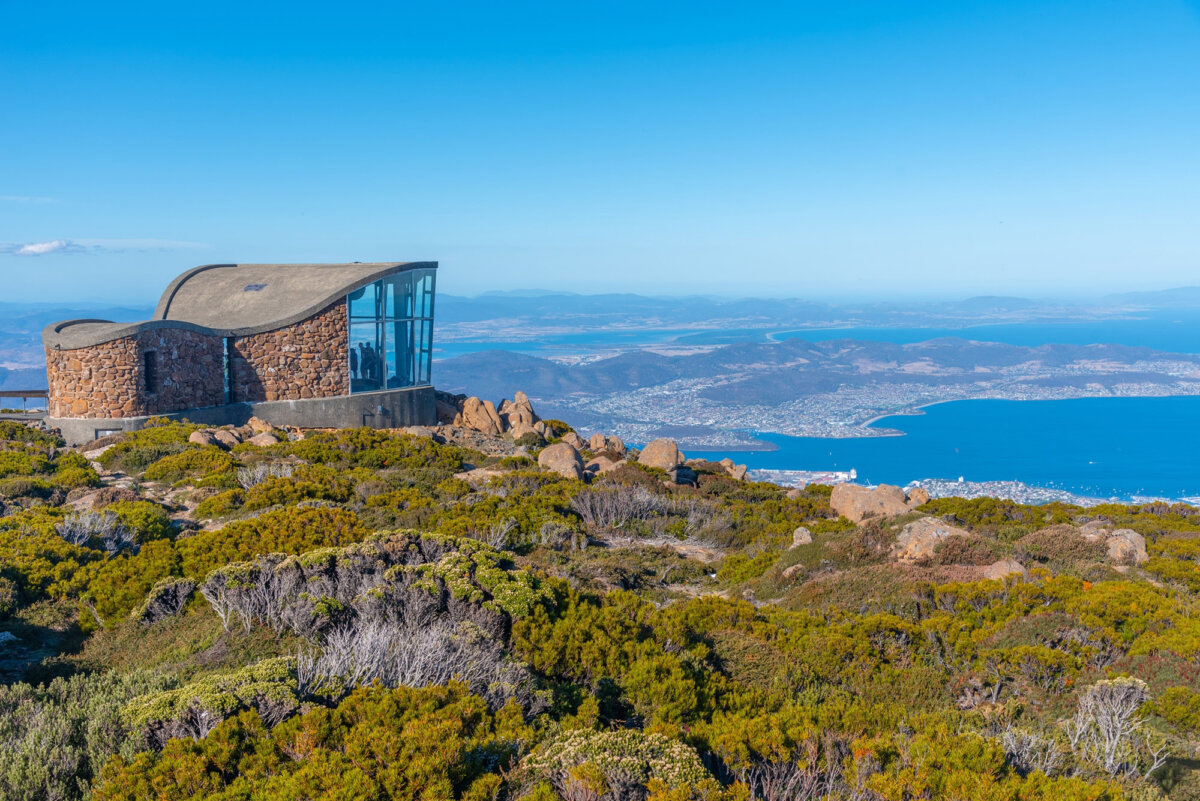
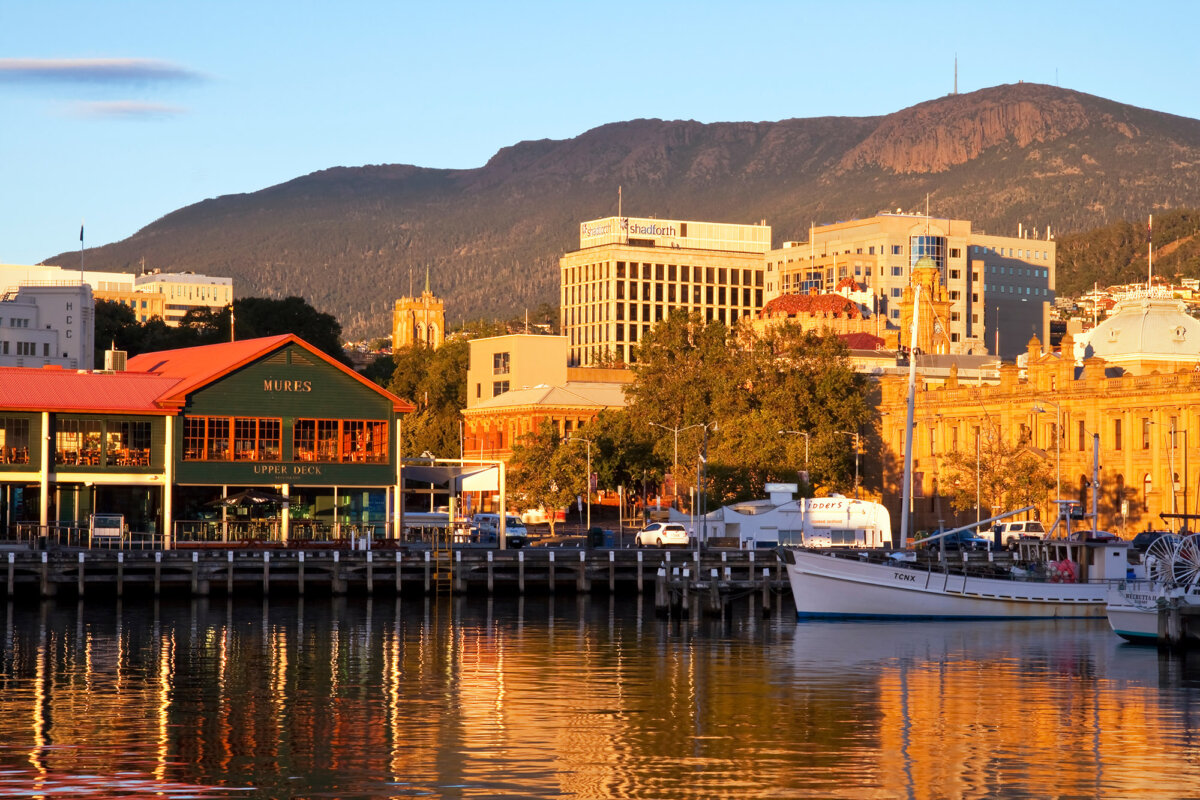
Picture it: piers and wharves lined with fresh-seafood restaurants skirting a busy harbor. A hilly downtown snuggled under the flanks of snow-capped Mt. Wellington. With a wondrous wilderness that stretches the imagination, natural treasures are right there, a few miles past the suburbs. You’ll be busy, exploring all that this place has to offer, in 24 hours. Here’s our guide for a super-busy, ultra-rewarding day.
Arrival
While this waterside city is growing as a cruise port, including expedition ships departing for (and arriving from) Antarctica, most visitors come here by air. Surrounded on three sides by water, Hobart Airport (HBA) is a bright, friendly place to land. A trip to HBA will almost certainly include a connection somewhere else. It’s almost exclusively a domestic airport, with nonstop flights to major hubs Sydney, Melbourne and Brisbane, as well as some direct routes to New Zealand.
With no train or subway connecting the airport to city, the trip into town is by road. Both ride-share and taxi services are plentiful. And to be honest: The 15- to 20-minute drive is a key part of the arrival experience, and an excellent introduction to this growing city of about a quarter million residents.
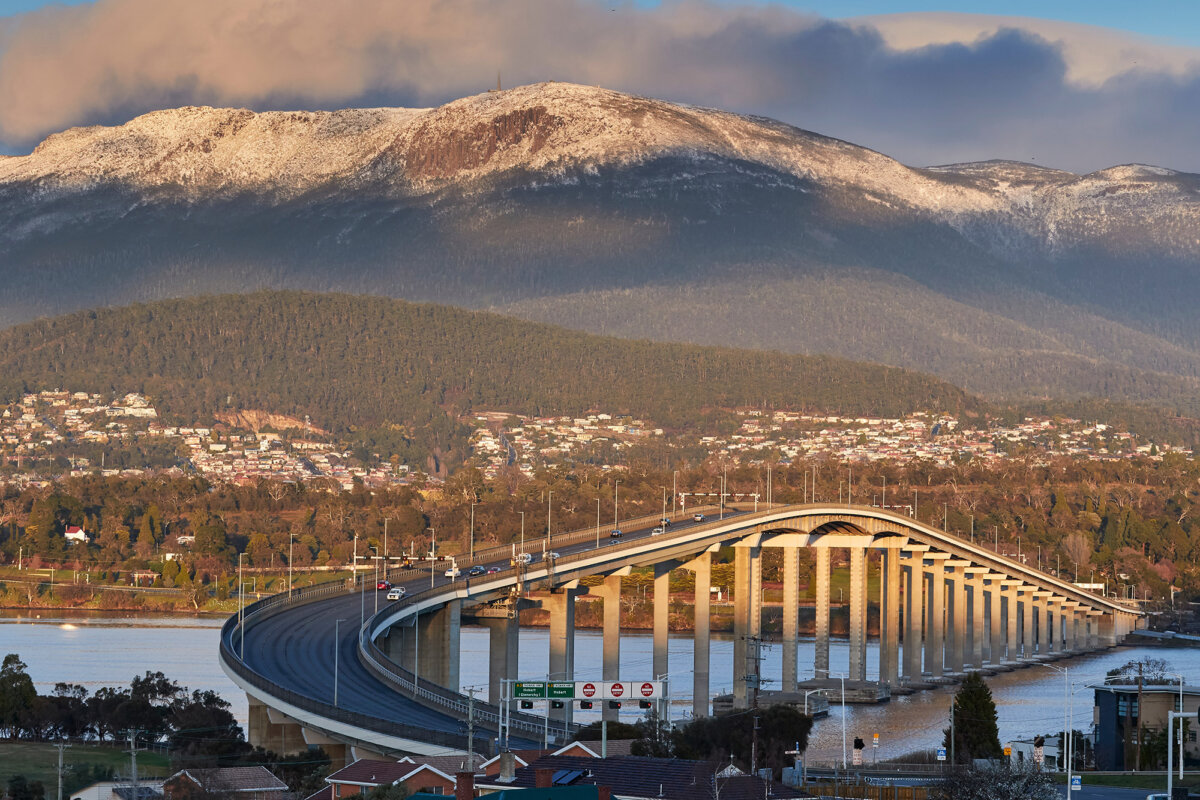
Crossing the River Derwent, which is broad here as it flows toward the Southern Ocean, the view from the Tasman Bridge is stunning. The modest skyline is fronted by flashing waters and backed by broad, massive Mt. Wellington (Kunanyi in Māori). This is a glimpse of all that lies ahead.
Morning
Start in the middle of everything with a walking tour. Tasmania has a history unique from the rest of Australia. With a compact, easy-to-stroll downtown (or Central Business District, CBD, in Aussie parlance), this is a good way to get acquainted with Hobart.
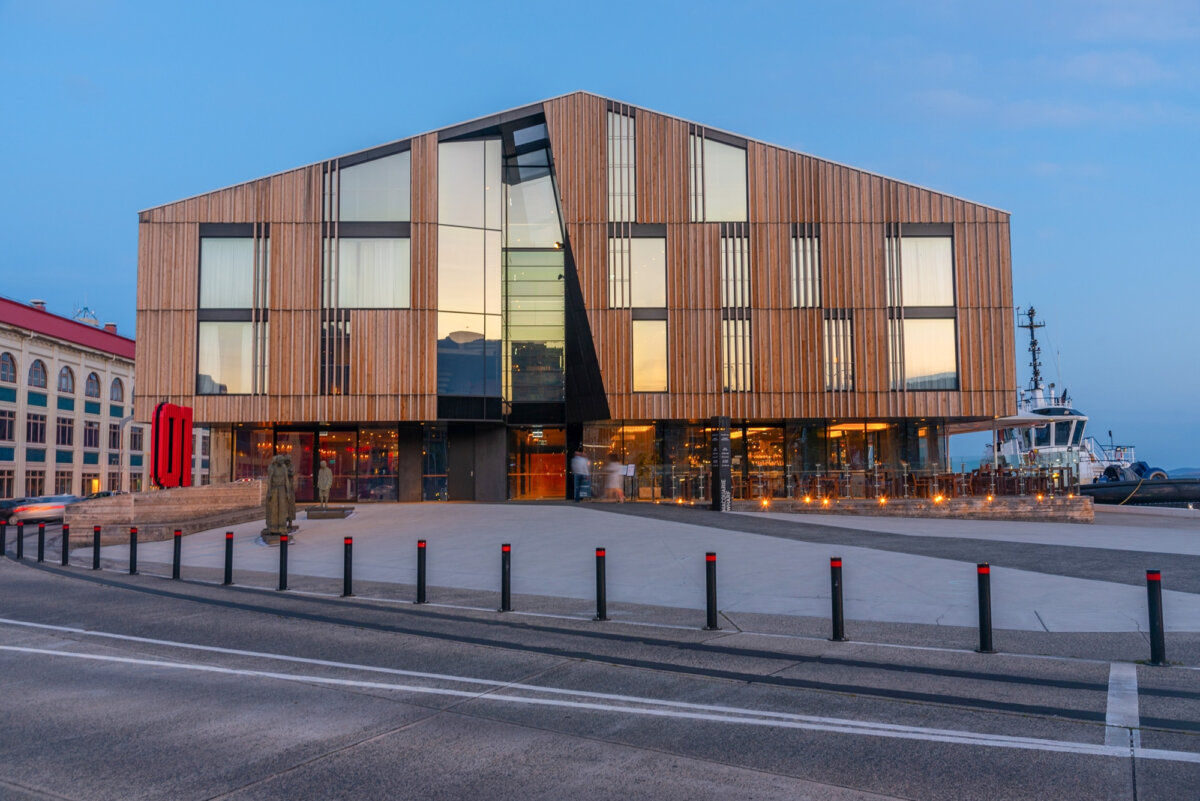
If you happen to be staying at MACq 01, the tours are included. Set right on a wharf, this is a hotel focused on stories. Each room is themed on a different local character, with informative plaques and even historical artifacts that relate their narratives—from warriors to whalers to explorers and artists. It’s a good idea to fortify with a full breakfast at the hotel’s Old Wharf Restaurant, which includes local bread, seasonal fruit, and fresh-baked pastries (plus good protein from eggs and streaky bacon).
On a recent visit, the hotel’s resident storyteller took me on a local odyssey. “There’s something poetic about the oldest buildings in the city,” she said, as we prepared for an informative and entertaining amble around the CBD. She explained that these structures, which date back to the early 19th century, are actually supported by foundations that include seashells salvaged from ancient middens.
The history of Hobart goes back to a time long before any of these streets and shops and houses existed. Cut off from the continent by rising sea levels, Indigenous populations here lived in isolation for some 10,000 years. In that time, they developed a culture distinct from those in the rest of Australia.
No two walking tours are exactly alike. After leaving the hotel, you’ll trace the undulating series of docks and jetties along the reclaimed land of the waterfront. You are treated to a series of vignettes based on what you encounter along the way.
These (might) include stories about fabled black swans and Tasmanian devils, and narratives about the convicts who served as some of the first European settlers. You’ll encounter warehouses and former brothels and statues and fountains and parks. And even a post office—really, more interesting than you’d think. (Each one has a tale attached.)
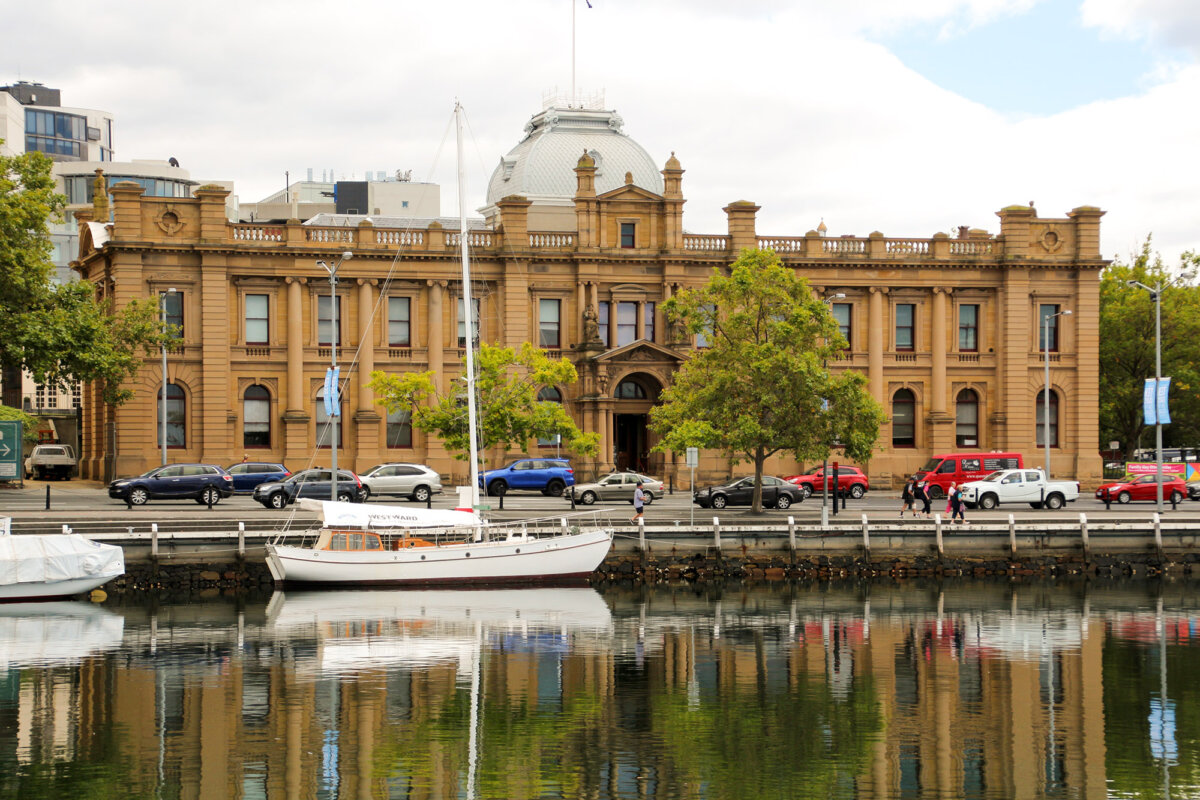
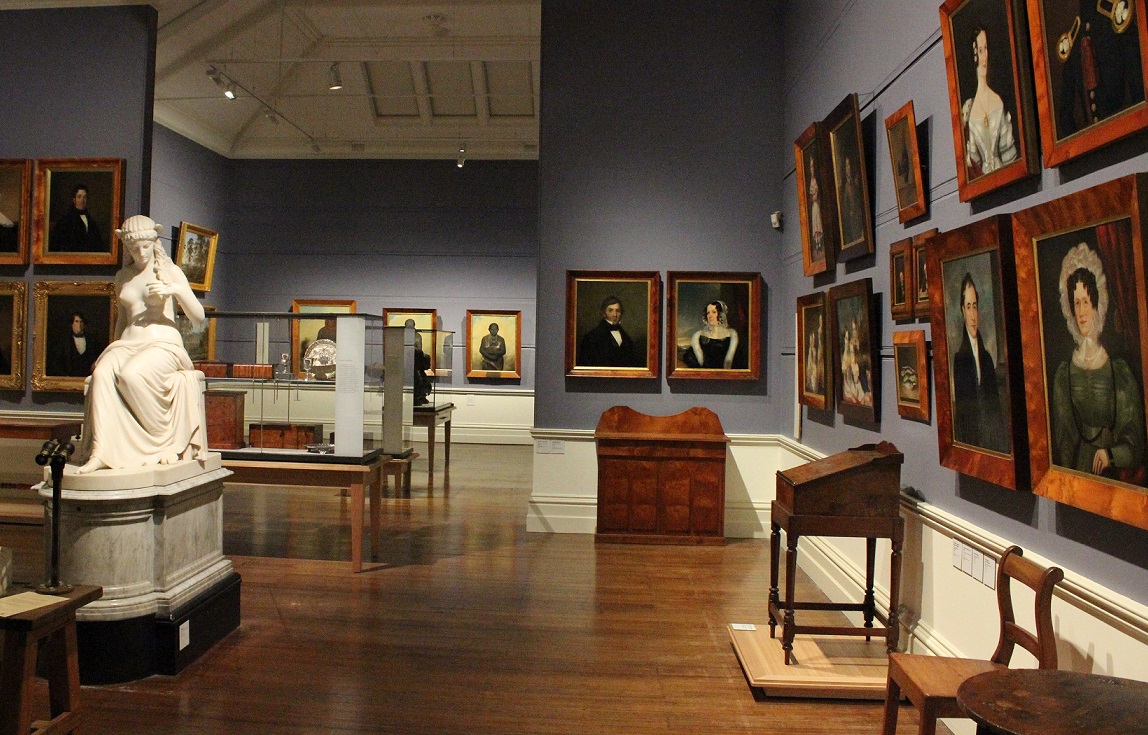
There are two very worthwhile museum stops you should probably check out before lunch, both easily walkable within the CBD. The first: the Tasmanian Museum and Art Gallery, established in 1846. There’s no entry fee, so you can feel free to pop in for even a brief visit. Collections in this, one of Australia’s oldest museums, range from natural specimens to ancient artefacts.
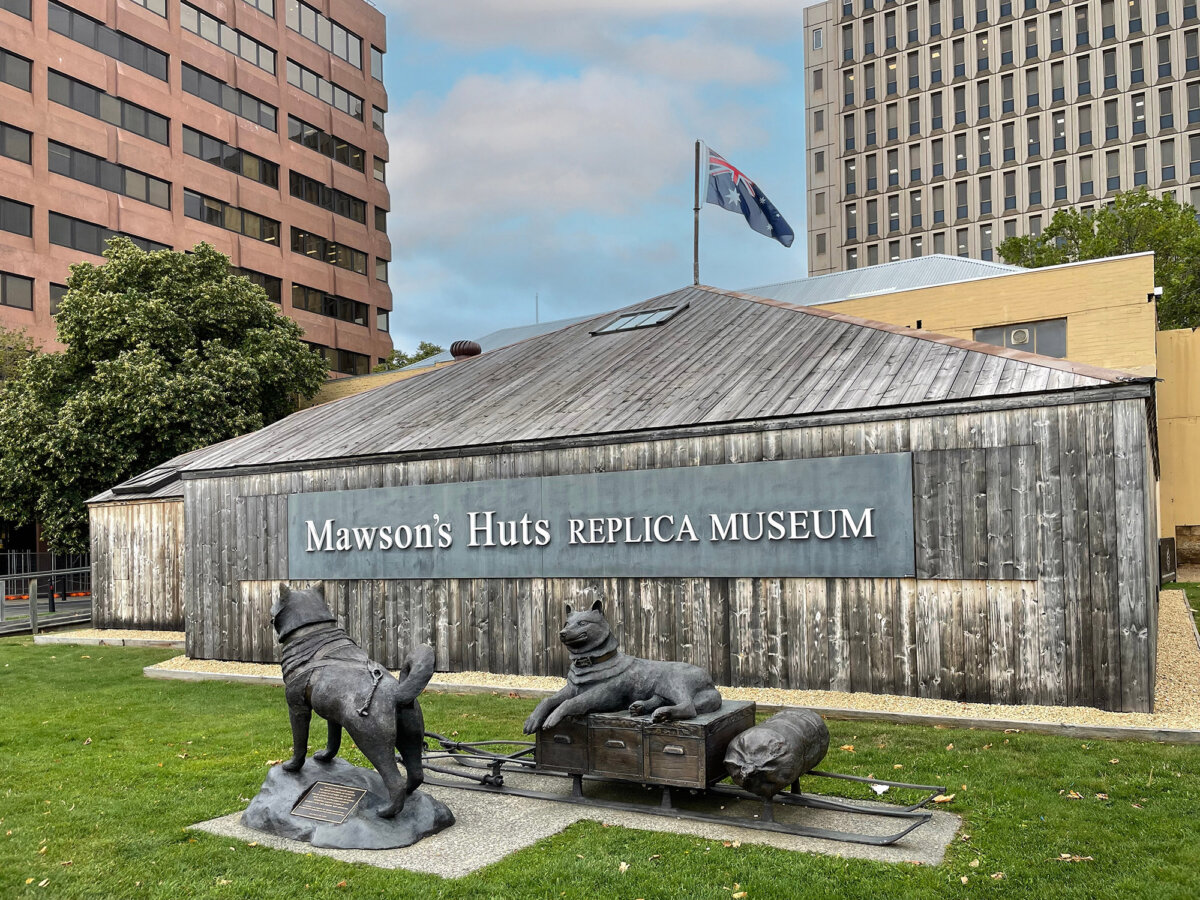
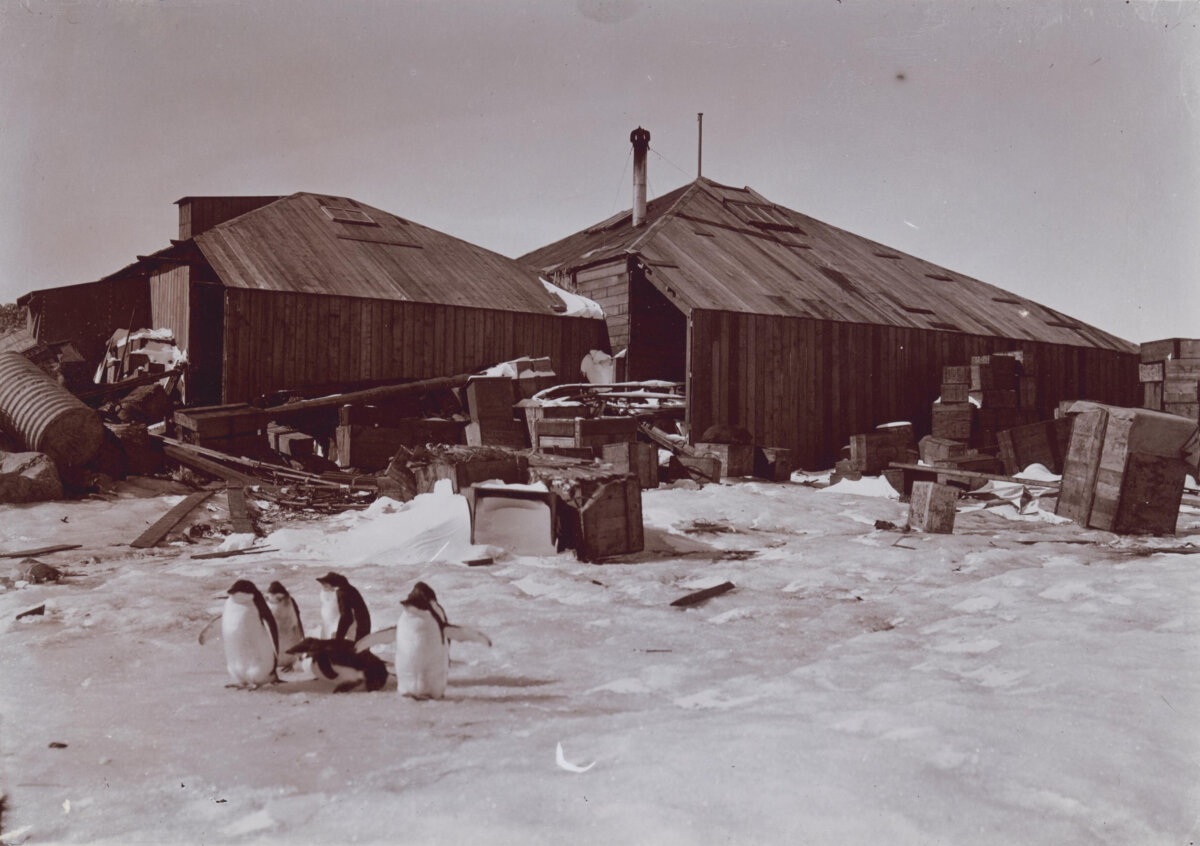
The nearby Mawson’s Huts are a must-visit. Tasmania has a rich legacy of voyages to the ultimate south. Sir Douglas Mawson, a geologist by training, is Australia’s most celebrated figure of the Great Heroic Age of Antarctic Exploration.
He set sail from Hobart in 1911 on his most famous expedition, eventually building a series of Baltic birch structures at Cape Denison in the furthest reaches of the frozen continent. These huts have been meticulously replicated near the spot where he launched his ship, by heritage carpenters who restored the real ones. By some miracle, they still stand in Antarctica. Just walking through the replicas and talking to the enthusiastic guides provides a sense of the pain, passion, and glory of that famed voyage.
Afternoon
Even after a full breakfast, all that walking will create an appetite. Fortunately, Hobart serves up some of the freshest seafood in the world. It’s best to keep it simple for lunch, because a huge dinner is on the horizon.
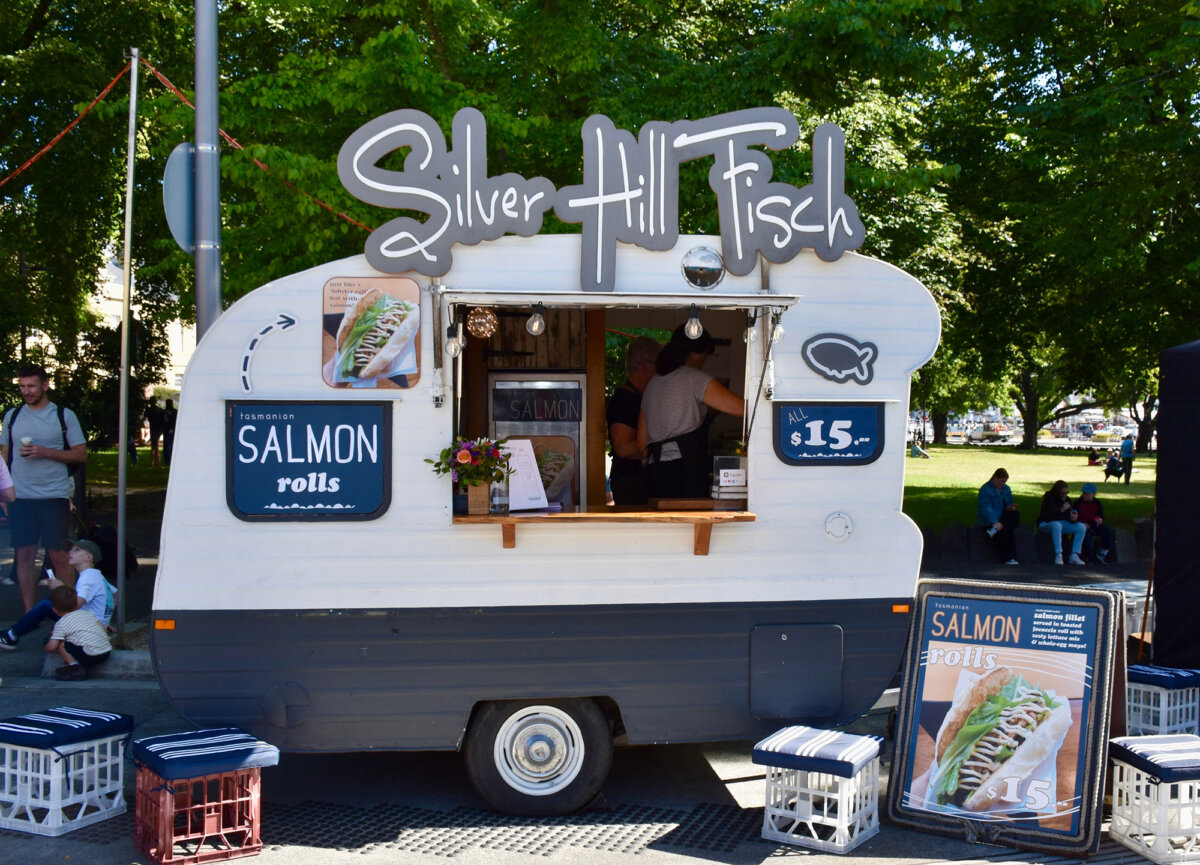
A series of food trucks stand right near the finger wharves on the waterfront. Grab some fish and chips, and a spot at a picnic table, and enjoy a humble and delicious al fresco meal. The flavor of the food is accentuated by warm, salty breezes.
Then head out on the sea. Hobart was nautical long before the age of highways and internal combustion engines. This was a port filled with white sails flying on wooden masts, the vessels often from far-away places. The city—and the wilds nearby—are best appreciated from the water.
The award-winning Pennicott Wilderness Journeys offers 2.5-hour afternoon voyages, right from the heart of the CBD. In addition to views of the city and mountains, the boat circumnavigates Betsey Island.
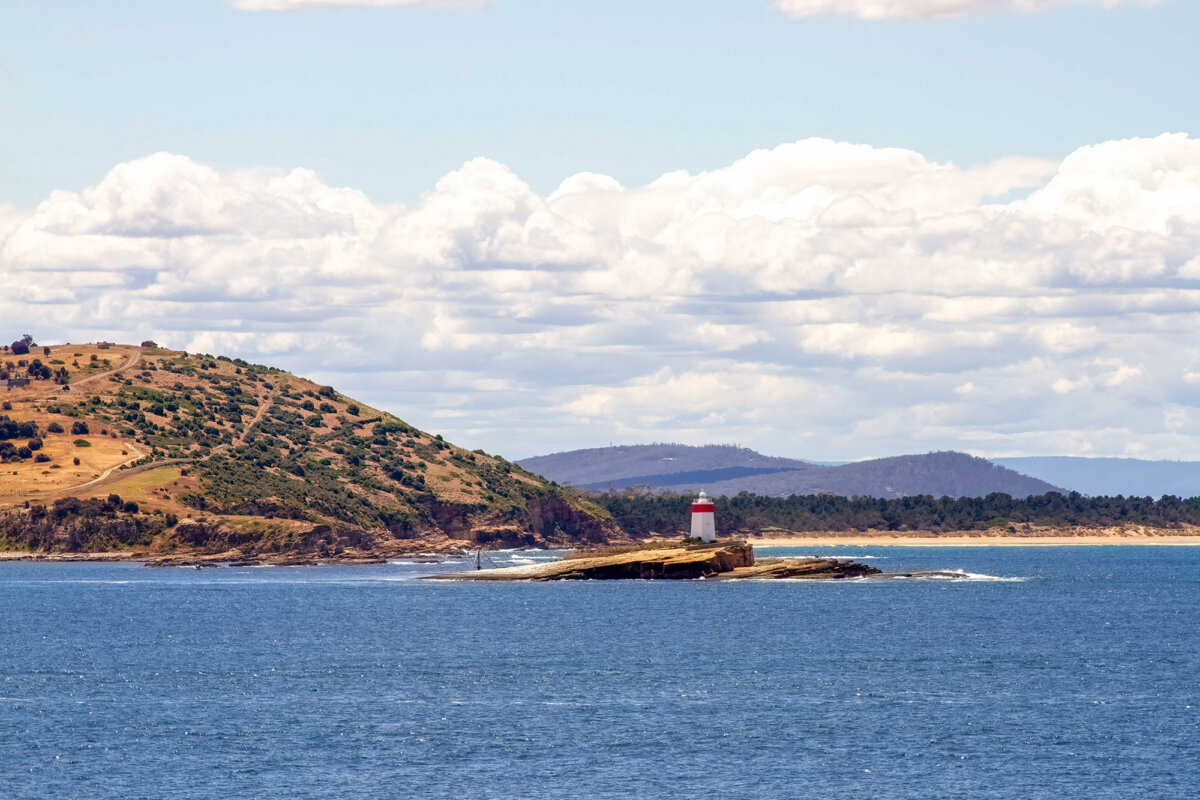
The island sits in the mouth of the River Derwent, and is part of a nature preserve. Betsey swarms with seabirds, including cormorants and shearwaters. Most importantly there are about 15,000 breeding pairs of little blue penguins. The trip culminates at Iron Pot—Australia’s oldest lighthouse—and will get you back to the wharf in plenty of time for dinner.
Evening
Residents will tell you that in the last decade or so, Hobart has undergone something of a culinary revolution. Surrounded by so many fresh ingredients on land and sea, plus myriad local producers making cheese, honey, and so much more, the freshest food is right at their fingertips. It’s a magnet, that draws some of the country’s most creative chefs, who make very special food in truly unique restaurants.
One prime example: Scholé, perhaps the smallest place I’ve ever dined. Outside, this former confectionary shop still looks like a regular storefront, albeit with an inviting wooden door. Inside, all is snug, with backlit shelves filled with plants, conch shells, amaro, and gin.
In the middle? A single table, with communal seating for just 10 people. The owners are friends with the farmers who provide the produce and other ingredients here. The menu, which is always changing, places emphasis on seasonality and biodynamic processes.
It’s a community experience, a chance to encounter not just some of Tasmania’s best food, but your fellow diners too. Everyone feasts together. On a recent evening, the seven-course menu included smoked venison, plus blue fin tuna tartare, and roasted king oyster.
Afterward, you’ll need an evening constitutional. Happily, Salamanca Place is easily within walking distance. It’s about 15 minutes on foot, down the hill, back toward the water.
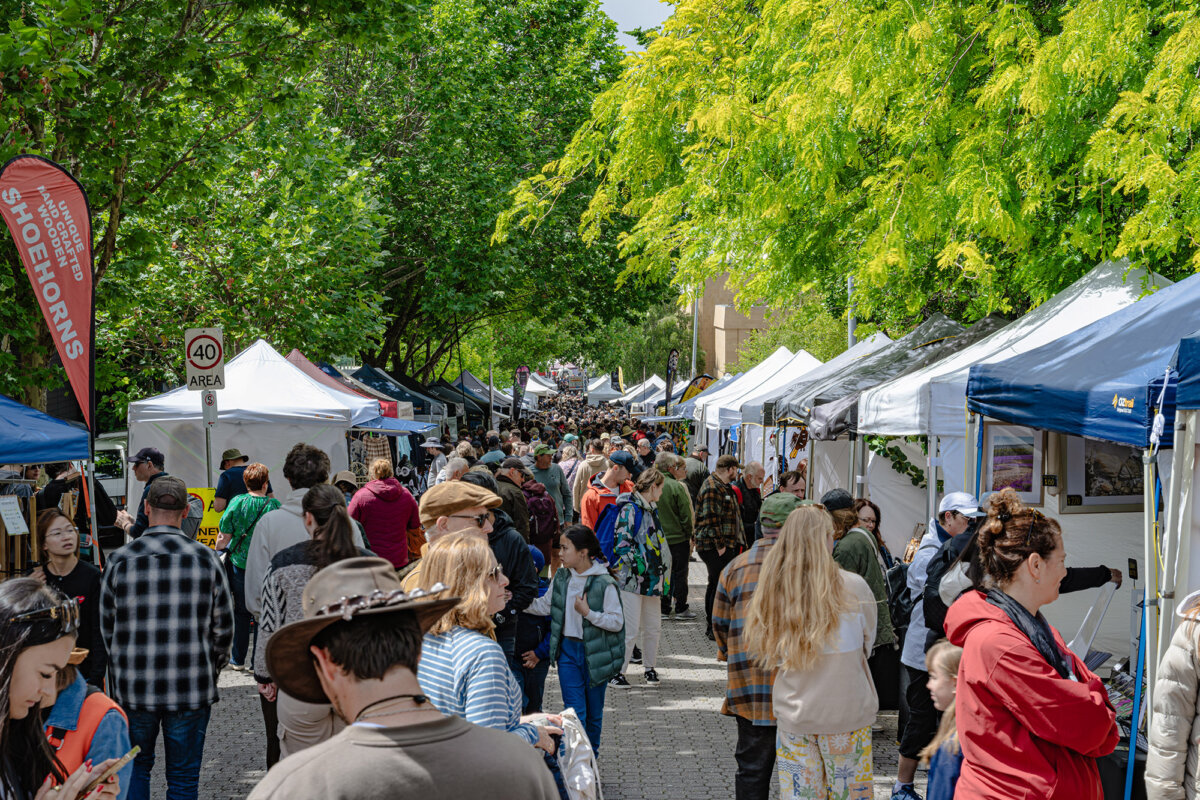
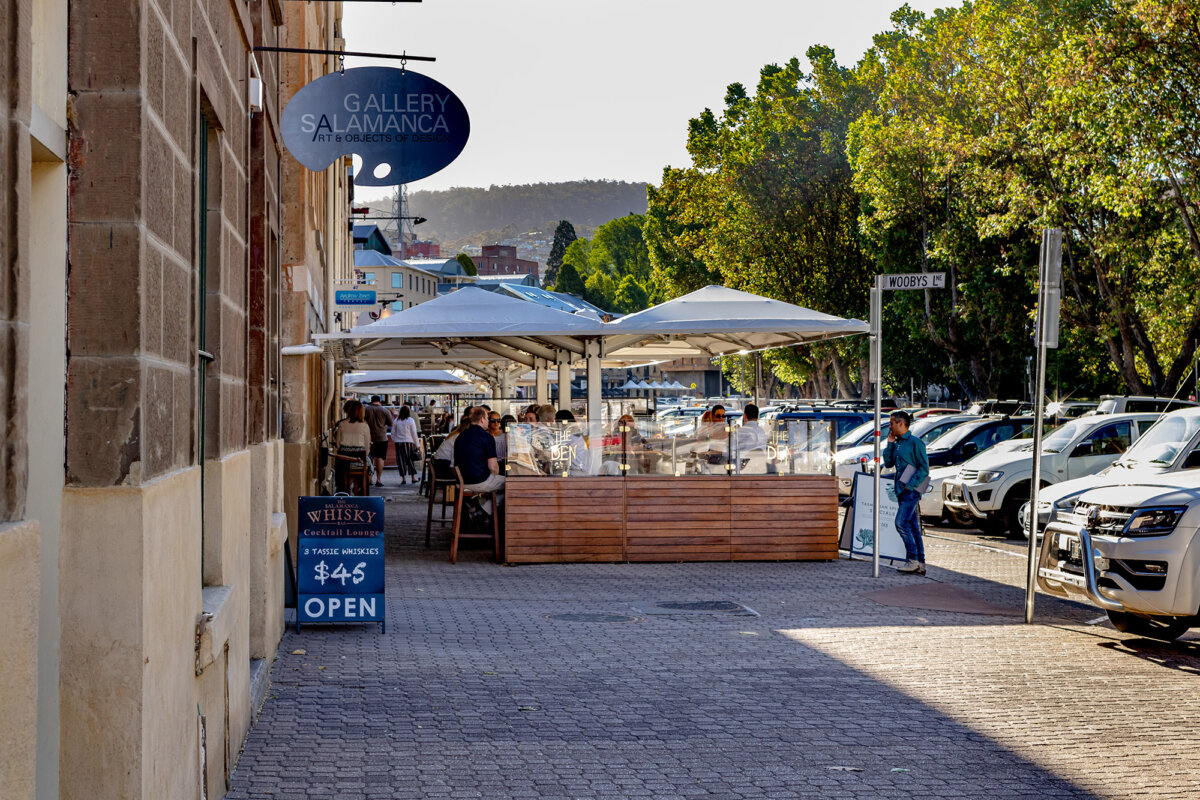
This collection of 1830s sandstone warehouses has been converted into cafes, wine bars and pubs. On Saturdays, it’s home to a farmers market with hundreds of stalls. But on pretty much any night of the week, you’ll find a convivial and fun atmosphere, with plenty of places to imbibe. So sip, and stroll to the next spot, then sip again. Repeat the process until you’re ready to wrap up your busy day in the Tasmanian capital.
___________
Seafood Paradise
If you have a little extra time to spend, a seafood cruise is a very worthwhile, and delicious, day trip. Offered by a couple different companies, you’ll sail past secluded, sandy beaches as well as towering sea cliffs. While the views are stunning, the food is even better—dig into the freshest plates imaginable.
A diver will drop over the side and come up with a harvest, hand-picked underwater, and prepared right on board. Think: sea urchins and abalone, as well as rock lobsters, oysters, and mussels. It’s a mouth-watering way to spend the day.
A Note on Currency
While Australia certainly isn’t the most inexpensive destination, it’s a good deal right now for North American travelers. Approximately $1 buys about 1.40 Aussie dollars, making hotels, tours, and restaurants a relative bargain.
