R | 1h 58m | Psychological horror | 1991
It’s the 40-year anniversary of “The Silence of the Lambs,” the groundbreaking psychological-monster movie instant classic, whose ripple-effect is still felt throughout the filmmaking world.
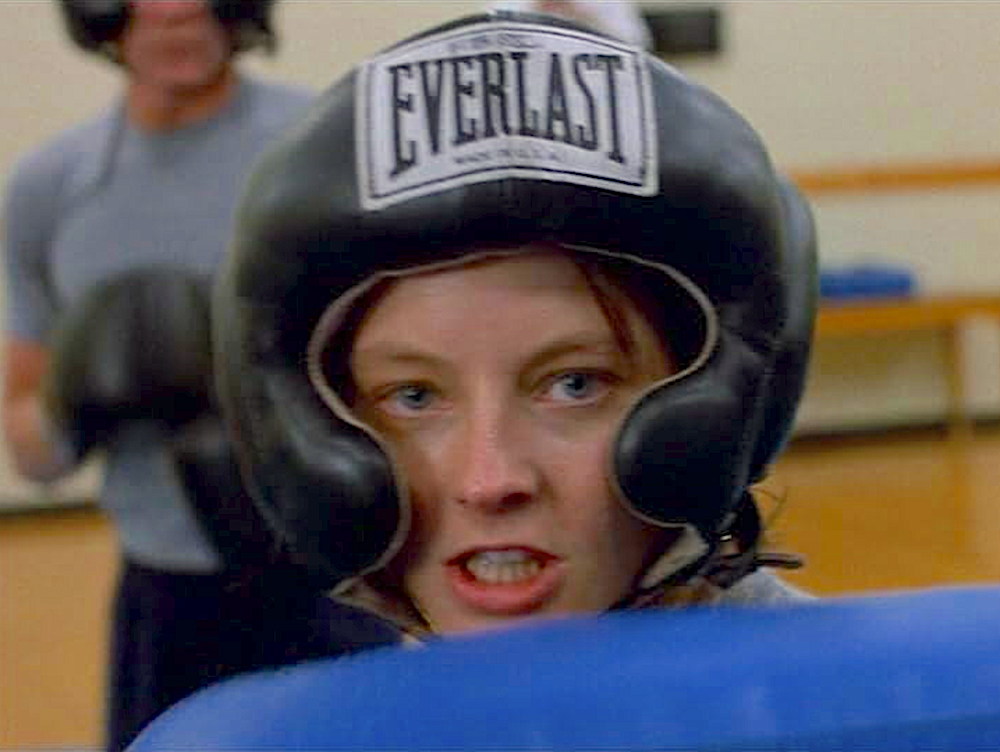
Story: FBI agent-in-training Clarice Starling’s (Jodie Foster) first major assignment is to attempt to get essential information by “setting a thief to catch a thief.”
She’s to probe the brilliant albeit unimaginably twisted mind of incarcerated cannibalistic serial killer, Doctor Hannibal Lecter (Anthony Hopkins). Hopefully, with the help of Hannibal’s insights, the FBI can catch Buffalo Bill (Ted Levine), another serial killer with a predilection for skinning his victims. Buffalo Bill was also Lecter’s former patient.
Tale of Redemption
“The Silence of the Lambs” is first and foremost a story about a fledgling FBI agent apprehending a serial killer, but on a deeper level it’s a lesson in the cosmic law of loss and gain—to gain anything, one must necessarily lose something. The most well-known example of this is the Faustian bargain.
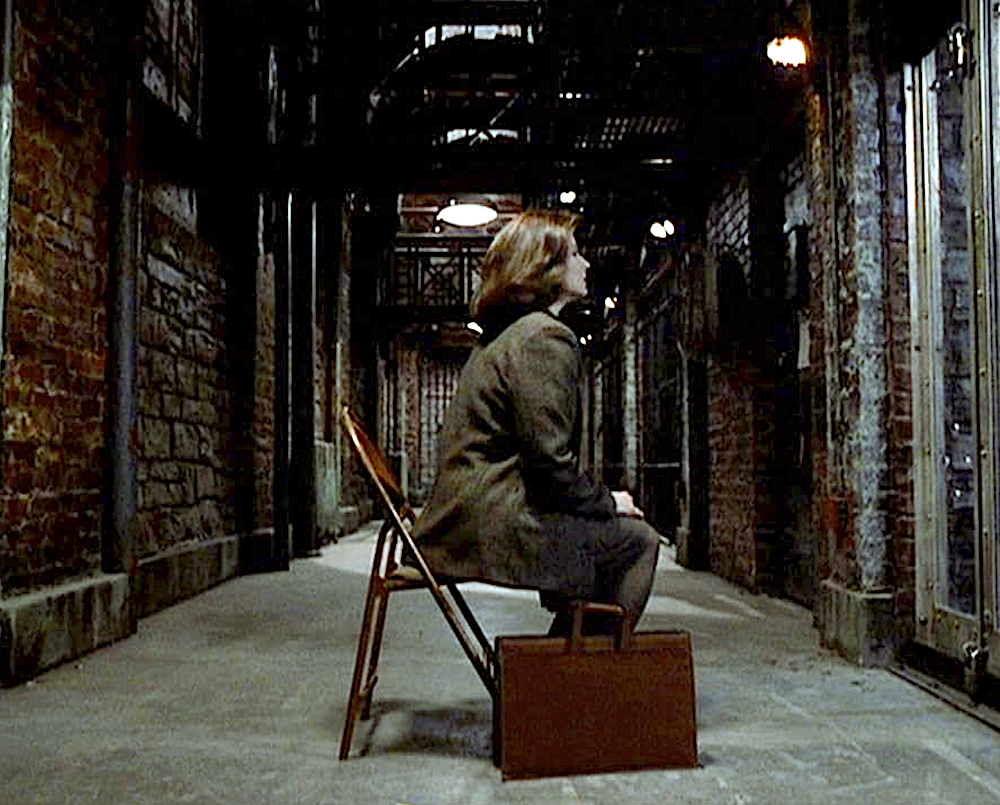
The crackling tension and terror throughout “The Silence of the Lambs” comes from the fact that agent Starling can only successfully obtain information from Lecter by giving him access to her mind. That is, knowing full well that if the former forensic psychiatrist with the Einstein-IQ, photographic memory, and heightened physical senses of a bloodhound gains access to a person’s deepest, darkest secrets, he’ll have the ability to drive that person so insane they’ll commit suicide.
As Lecter demands: “Quid pro quo.” He will aid in agent Starling’s investigation of his former patient, only on the condition that she satisfy his proclivity for spelunking through the caverns of people’s tortured psyches and gaining the power of holding their lives in his hands. What he’s looking for, and what he finds, is actually a thing of beauty. More on this later.
Perfect Casting
Most don’t realize it now, but household-name actor Sir Anthony Hopkins wasn’t yet a movie star prior to filming “The Silence of the Lambs.” Although he’d made forays into film, he was a high-powered Shakespearean actor hailing from the London stage. His biggest claim to fame might have been auditioning for arguably the greatest stage actor of all time—Laurence Olivier.
Olivier had founded England’s National Theater Company and was himself playing the lead in “Othello” in repertory at the time. The unknown Anthony Hopkins came in and shamelessly threw down the gauntlet with a scorching “Othello” monologue. Olivier was annoyed but highly impressed and remarked to company cohorts later, “cheeky bastard.”
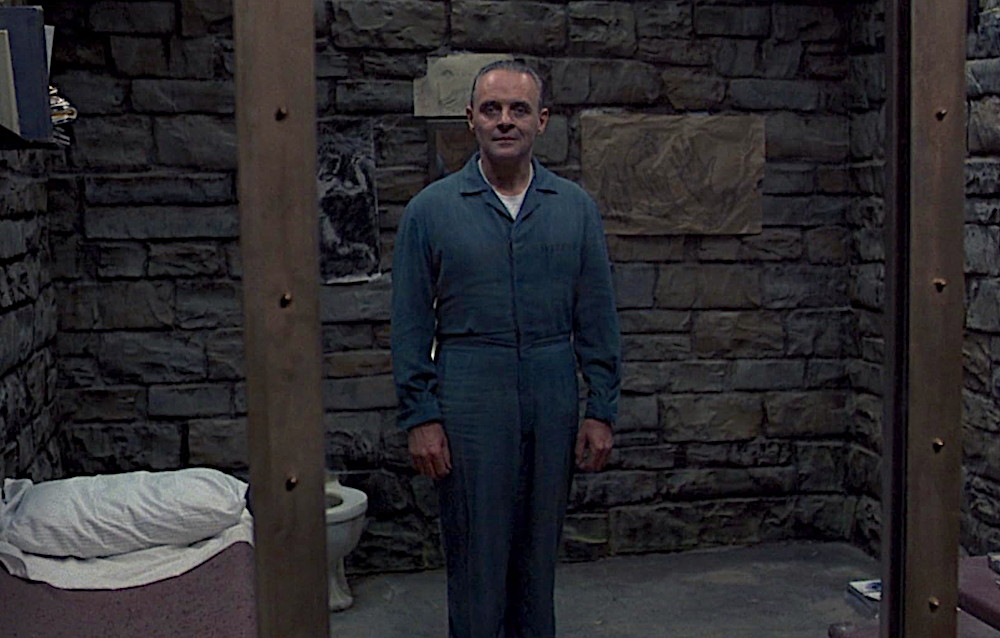
Director Jonathan Demme wanted a cultured civility and an extremely high intelligence that would make the character more terrifying than a caricatured monster. Casting a classically trained thespian was the perfect choice. When “The Silence of the Lambs” crossed Hopkins’s path, preparation met opportunity, and he turned in a performance so blisteringly good that even though he only had 16 minutes of screen time—he still walked off with an Oscar at the Academy Awards. Anyone who’s seen the film will tell you, it feels like quite a bit more screen time.
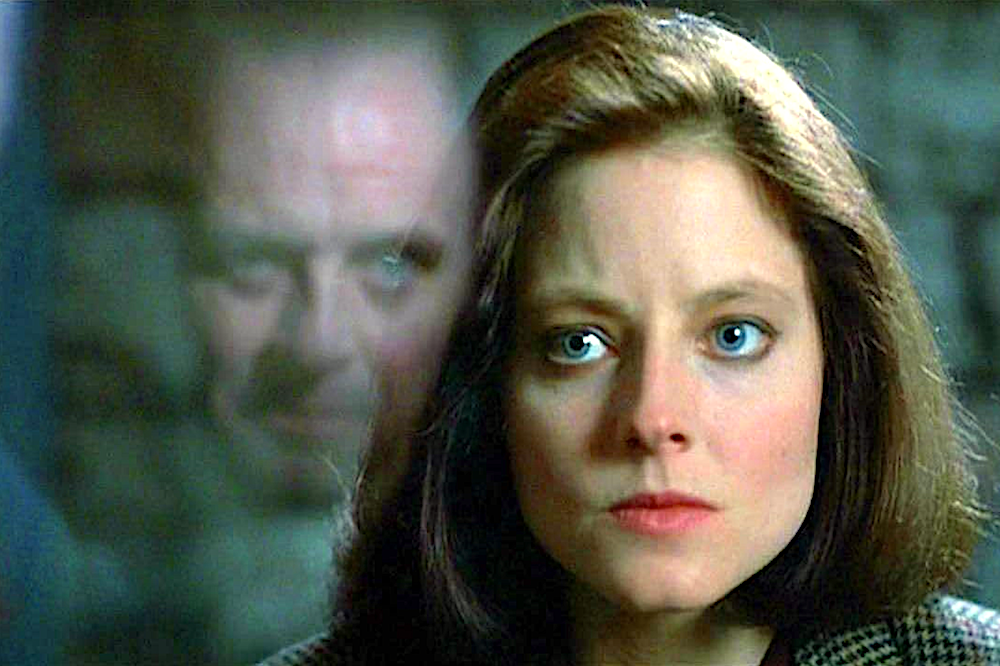
Jodie Foster was also perfect casting because very few younger actors were self-possessed enough to be able to go toe to toe with Anthony Hopkins at the height of his acting career. Foster at the time was in the top ranks of the most successful child actors ever. She’d been acting since the age of 3. In the film, Hopkins glowering at Foster is enough to give anyone nightmares.
Hopkins’s Hannibal Homework
Hopkins, in the grand tradition of British actors going to the zoo to study animals and incorporate their specific idiosyncrasies into a stage role, observed the movements of the cat family in order to replicate their aloof and graceful movements.
Hopkins once said in an interview with the Radio Times that the one aspect of Lecter he needed no help with was establishing Hannibal’s unsettling creepiness. “I don’t know why, but I’ve always known what scares people. When I was a kid, I’d tell the girls around the street the story about Dracula, and I’d go “thh-thh-thh!” As a result, they’d run away screaming.” That’s where that horrifying, improvised sucking noise he makes, post the famous “fava beans and a nice Chianti” line, comes from.
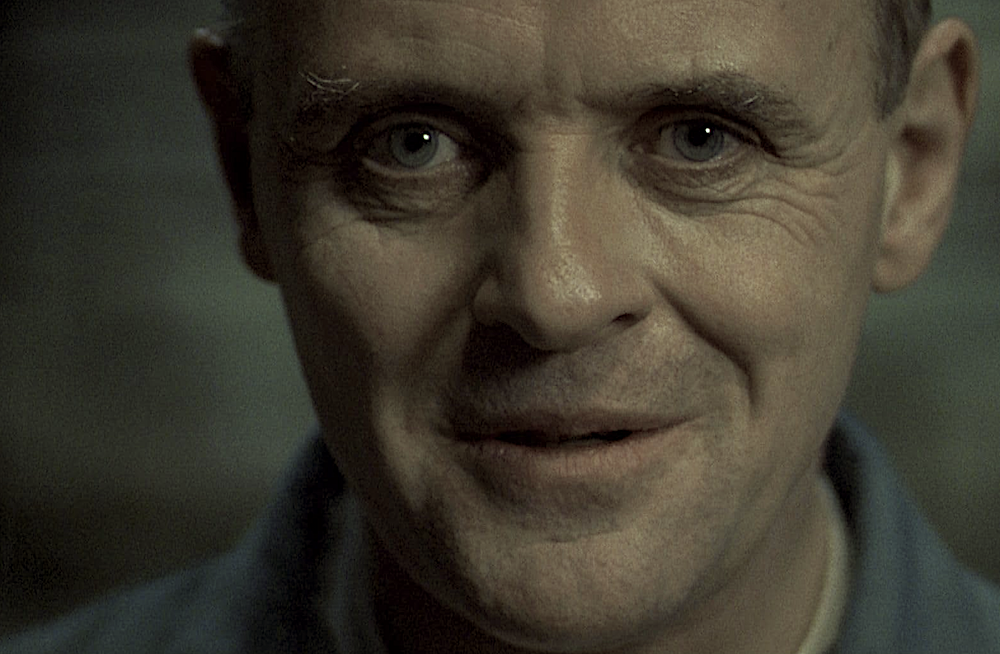
Hopkins has also revealed on a number of occasions that he modeled Lecters’s distinctive and oft-imitated voice primarily on Katharine Hepburn’s famous nasally Transatlantic lockjaw. He also incorporated elements of Truman Capote’s sing-song, gentle lilt, and the ever-so-slightly sinister calmness of the HAL-9000 computer (voiced by Douglas Rain) in Stanley Kubrick’s “2001.” Based on a tip he got from director Elia Kazan, about a tip Kazan himself got from a real-life gangster and ex-associate of Al Capone while shooting “On the Waterfront,” Hopkins learned that “if you’re playing a monster, be very quiet.”
As British stage great Anthony Sher said, in terms of assimilating all the various aspects of an actor’s character research, “It all goes into the pot.” Hopkins recalled, at the first reading with the cast in New York, “I didn’t know what they were going to make of it, but I’d prepared it. My first line to Jodie Foster was: ‘Good morning. You’re one of Jack Crawford’s aren’t you?’ Everyone froze. There was a silence. Then one of the producers said, ‘Holy cr*p! Don’t change a thing’.”
Lastly, one of the most famous things Hopkins brought to the character of Hannibal Lecter was almost never blinking, except on rare occasions when it served a purpose, like when he winks at Clarice before perusing the Buffalo Bill police report. This adds a further layer of creepy intensity to the character, a deliberate, almost reptilian sense of self-possession.
Redemption at the Heart of It
We cower in our seats while watching Lecter grill Agent Starling on her difficult childhood. He eventually accesses the kernel of her pain, and the thing that drives her ambitions.
She woke one night, when very young, on the farm to the sounds of lambs-to-the-slaughter. They were screaming. She attempted to free them from their pen, but they didn’t understand. She grabbed one lamb and ran away from home. It was freezing winter, and the lamb was so heavy.
Hannibal understands that Starling unconsciously wants to rescue Buffalo Bill’s latest victim, because, if she’s successful, it will redeem her from her own perceived guilt—the shame of not having been able to save that lamb. It will silence, in her head, the screaming of the lambs.
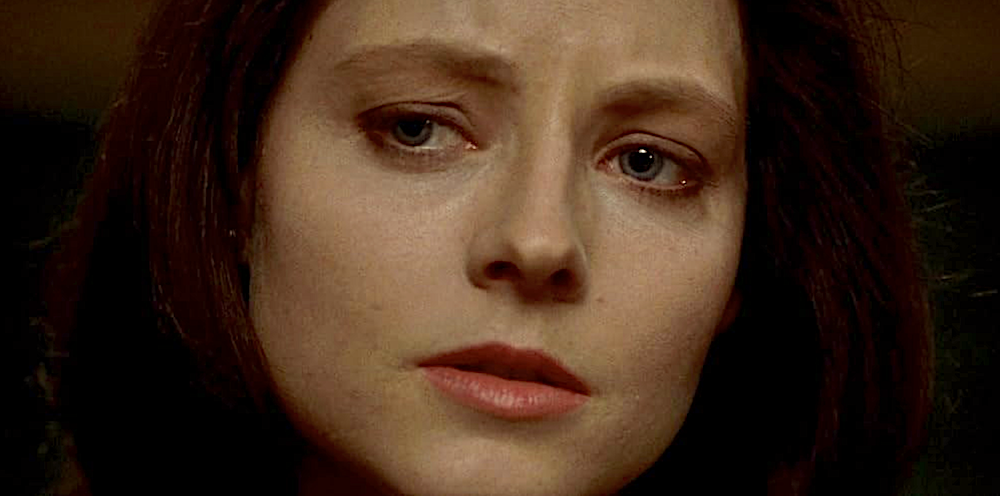
And after she lays bare her soul to the psychopath, he thanks her for her confession. He has witnessed pure good. A tear gathers in his eye, and the audience realizes that he had hoped, subconsciously, to be redeemed himself by understanding Clarice’s need for redemption. And after the horror of watching Hannibal’s unholy x-ray vision strip Starling naked, that gathering tear in his eye is the brilliant pinpoint of light that balances and ultimately redeems the blackness of this dark fairy tale.
Ripple Effect
“The Silence of the Lambs”—arguably the best performances of both Foster’s and Hopkins’s careers—left, both literally and culturally, one of the biggest footprints on show business ever. Stories about serial killers, the dissection of their psychology, and the law enforcement officers who get in too deep with them are now all commonplace, not just in horror films and thrillers but also crime stories. Everything in film and television now, from “Se7en” (1995) and “Copycat” (1995) to “Law & Order: SVU,” to “Prisoners,” carries at least a fraction of DNA drawn from “The Silence of the Lambs.”
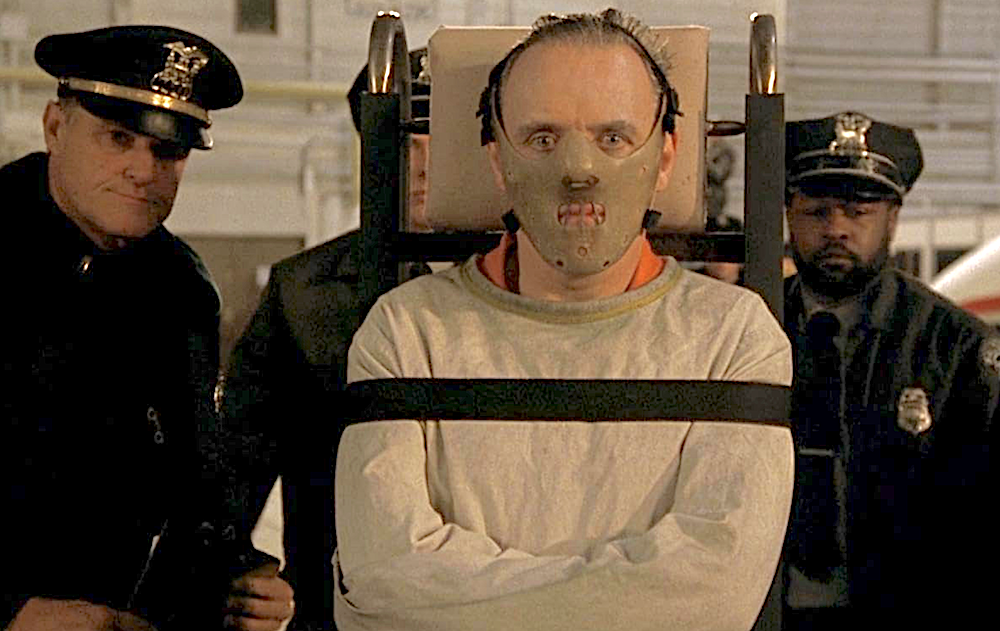
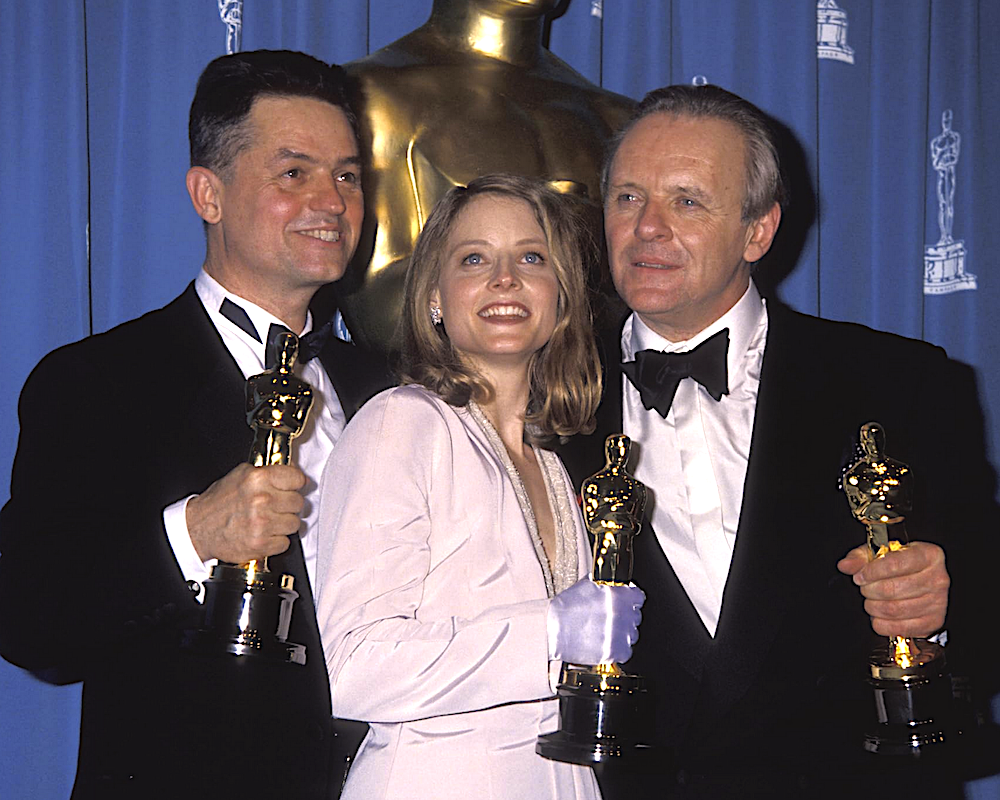
“The Silence of the Lambs” won five Oscars at the 64th Academy Awards in 1992. It was also nominated for two additional awards—Best Sound and Best Film Editing—bringing its total nomination count to seven.
The film made history by becoming only the third movie to achieve a “Big Five” sweep, winning in all major categories: Best Picture, Best Director (Jonathan Demme), Best Actor (Anthony Hopkins), Best Actress (Jodie Foster), and Best Adapted Screenplay.
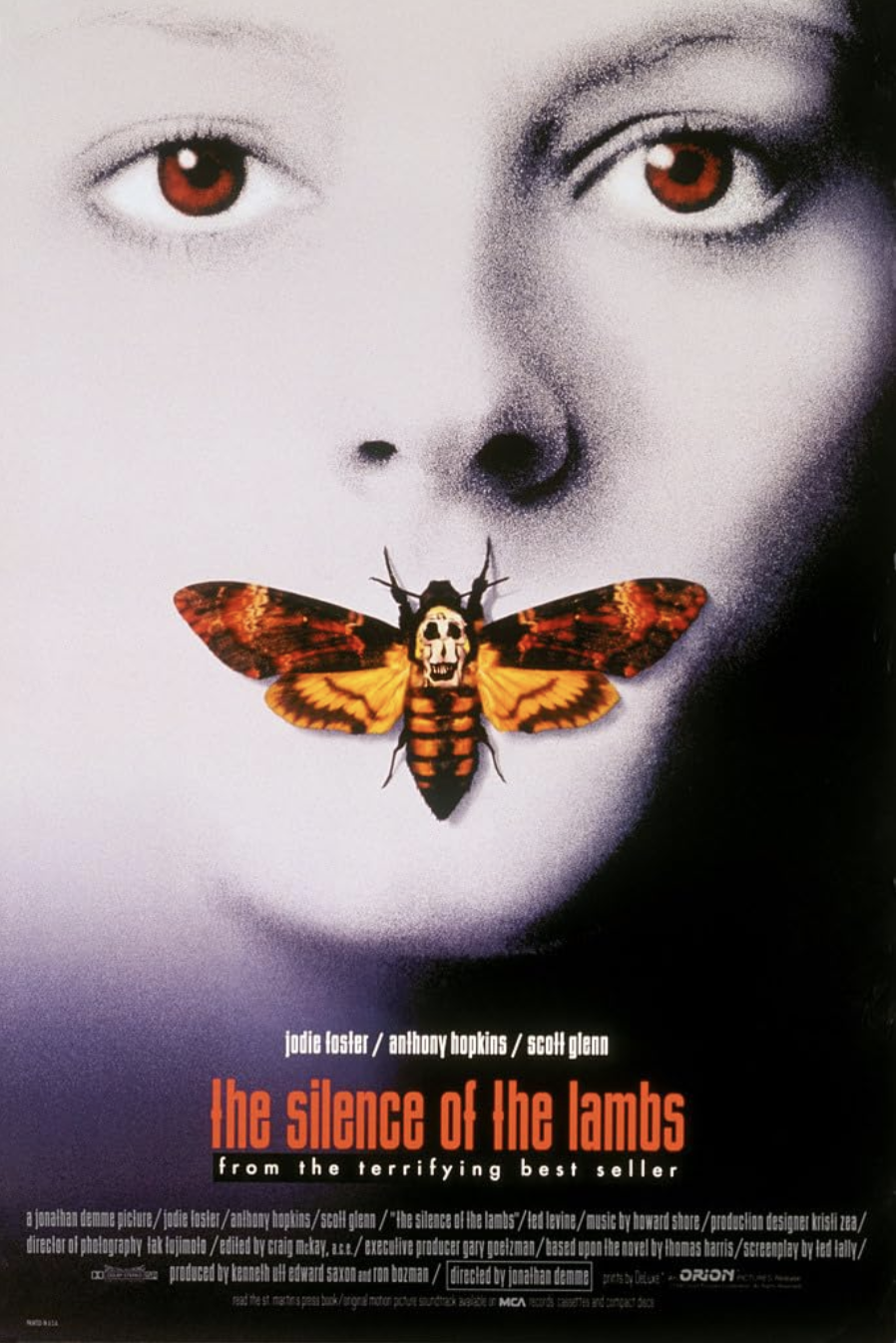
‘The Silence of the Lambs’
Director: Jonathan Demme
Starring: Anthony Hopkins, Jodie Foster, Scott Glenn, Anthony Heald, Ted Levine,
MPAA Rating: R
Running Time: 1 hour, 58 minutes
Release Date: Feb. 14, 1991
Rating: 5 stars out of 5