



“I think the Electoral College is an absurd 18th-century construct,” author David Remnick said in a 2016 interview with Spiegel International.
He’s not alone in that belief. It’s “made our society less and less democratic,” Pete Buttigieg said during his 2020 presidential campaign. Bayard Rustin, a 20th-century political activist, wrote that it’s “potentially very dangerous.”
Those on the other side of the debate, of course, disagree. “The Electoral College preserves the principles of federalism that are essential to our constitutional republic,” The Heritage Foundation has on its website. Allen Guelzo also expressed concern about danger, though for a different reason than Rustin. He wrote for National Affairs in 2018 that “simply doing away with the existing process without putting a new one in its place could create the biggest political crisis in American history since the Civil War.”
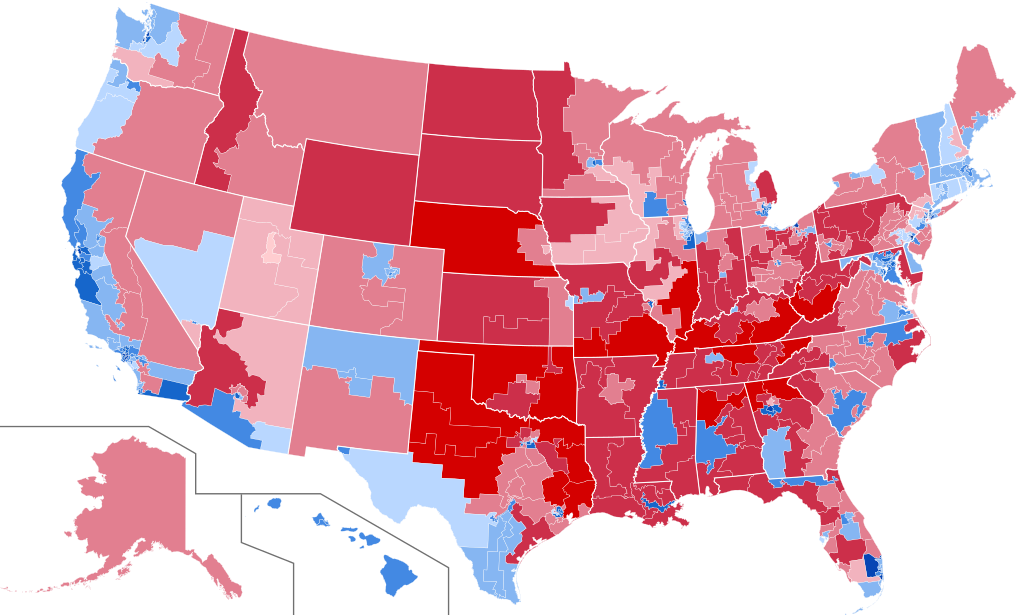
Why are the stakes so high? In the past 250 years, five of the United States’s 47 presidents have been elected after losing the national popular vote. John Quincy Adams, Benjamin Harrison, Rutherford B. Hayes, George W. Bush, and Donald Trump (2016) were catapulted into office by—you guessed it—the Electoral College.
However, the Founding Fathers devised the Electoral College system to defend democracy, not to undermine it.
Setting: The Constitutional Convention of 1787
Sept. 5, 1787, dawned cool and pleasant in Philadelphia, with partly cloudy skies. Members of the Constitutional Convention clustered in a closed meeting room in Pennsylvania’s State House to draft a new constitution for the young nation.
The republican government they were trying to build was unprecedented, and September was the fourth month of intense deliberation. One question they kept returning to concerned executive power. They needed a stronger central government than the one established by the Articles of Confederation, but what did that mean for the president?
The risks were substantial: monarchy versus mob rule, congressional corruption versus regional dominance, and disunity between large and small states, to say the least. As the framers hammered out a vision of a president who was strong enough to govern effectively while being constrained by term-length limits, reelections, and impeachment processes, they wrestled with whom to trust to elect this very important office. According to James Wilson, the problem was “in truth the most difficult of all on which we have had to decide.”
Should the people or should Congress elect the president?

Debate: Who Should Choose the Executive?
Wilson, a Scottish-American lawyer from Pennsylvania, was a strong advocate for a “single magistrate” of the executive branch who would lead with “vigor, dispatch, and responsibility.” While he supported a strong president, he also wanted to protect against government corruption. Having the legislative branch actively involved in electing the executive would violate the separation of powers and make the president beholden to Congress. Instead, he suggested that the presidency—and the new government’s power—should be rooted squarely in the sovereignty of the people. He called for a direct popular vote to ensure that the president would not become a puppet of Congress.
Roger Sherman disagreed. An emphatic supporter of independence—the Connecticut delegate was the only person to sign all four major documents of the American Revolution—he thought direct election would be risky. “The people immediately should have as little to do as may be about the government,” he said during the proceedings. “They want information and are constantly liable to be misled.” It would be better, he argued, to leave the decision in the hands of the nation’s already-elected leaders in Congress.
While Sherman’s stance may sound elitist today, many of the Founding Fathers had genuine concerns about a direct popular vote. The United States was a large republic, and news spread slowly in the 18th century. Many rural areas lacked newspapers or any reliable way to verify information, leaving citizens susceptible to sheer ignorance or manipulation. Voters might be familiar only with their home state’s candidates, giving larger states the advantage. How could the people make an informed decision without having access to all of the information?
Compromise: The Electoral College
With both options presenting significant concerns, the delegates agreed to settle for something in the middle: the Electoral College.
Under this plan, written into Article II of the Constitution, the American people cast ballots for president and vice president. Instead of directly electing candidates to those offices, the popular vote determines which electors are appointed from each state. Those electors then cast votes for the president and vice president, with the majority winning.
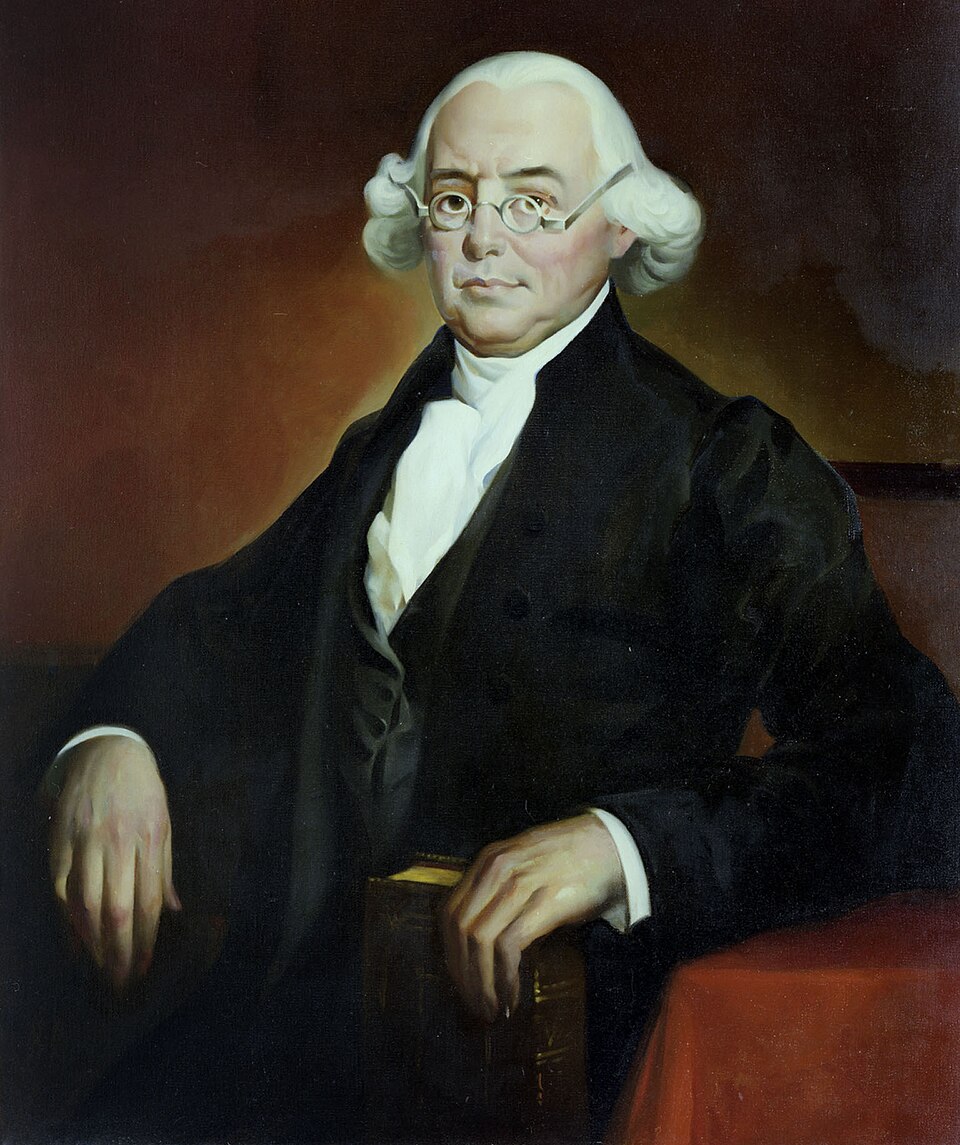
By design, the Electoral College evens the playing field between large and small states by giving each the same number of electors as it has members of Congress. More populous states, which have more members in the House of Representatives, hold more electoral votes. But, thanks to the two seats guaranteed by the Senate regardless of population, smaller states have more clout per vote than they would have in an election based solely on population.
As a result, the popular vote isn’t guaranteed to prevail. But for many of the Founding Fathers, that was precisely the point. The Electoral College compromise addressed both Sherman’s and Wilson’s fears: The public plays a significant but not decisive role, and the president-elect isn’t left beholden to Congress.
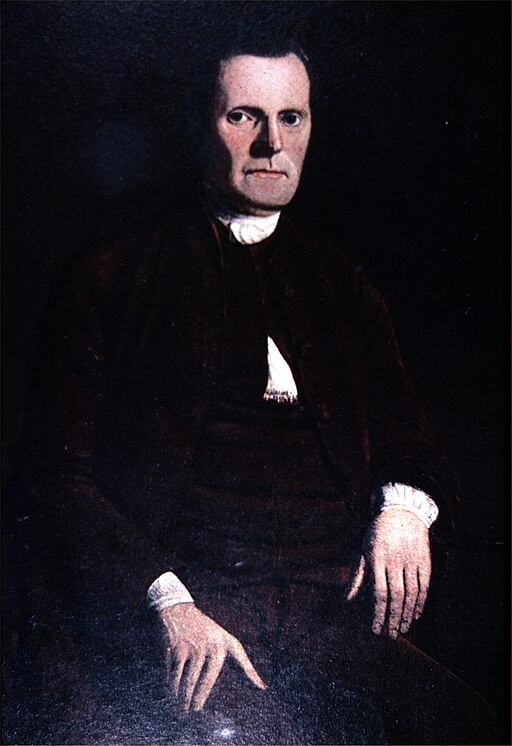
As a federal compromise, the Electoral College was designed to carefully balance popular input, state equality, and separation of powers. By walking the thin line between direct democracy and congressional control, the framers hoped to avoid mob rule, legislative corruption, regional dominance, and executive dependence.
Wilson wanted to trust the people. Sherman wanted to trust institutions.
With the ratification of the Electoral College, they agreed to trust both—and neither. Whether that balance still holds is a question that Americans continue to debate.
What arts and culture topics would you like us to cover? Please email ideas or feedback to features@epochtimes.nyc

.svg)