




When it comes to sealing, reinforcing, and beautifying the home, now is a great time to be alive—thanks to the wide array of high-tech latex, silicone, and other products available today. But the selection can be daunting.
Caulking a wall before painting will require a different material than repairing cracked sealant around a drafty window or dealing with a leaky sink. This raises the first question: caulk or sealant?
Although the terms are often used interchangeably, even on some labels, caulk gives a smooth finish in areas with minimal movement (such as interior baseboards and trim) and is designed to be painted. Sealants are more elastic, allowing windows, doors, and other exterior joints to expand and contract without cracking. They’re also more resistant to moisture and come in paintable and non-paintable options.
Good Ol’ Painter’s Caulk
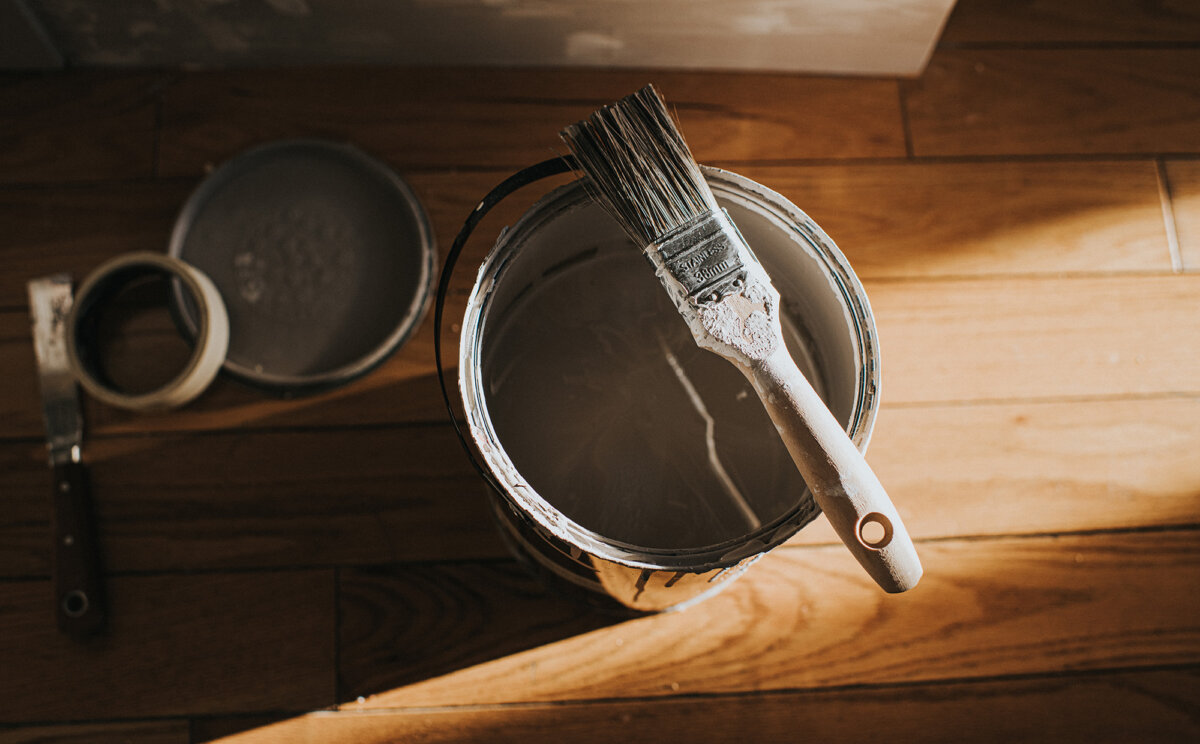
Acrylic latex caulk is on the more affordable end of the spectrum, yet still very functional. It works with drywall, wood, and masonry. A combination of acrylic polymers enhanced with latex, it offers easy, smooth application, making it a favorite with beginners.
Put down too much? Its easy cleanup properties make it simple to clean with water, and you can also use water to remove a bead or smooth out any excess before it cures. However, these same properties make it less than ideal in continuously wet environments.
A Step Up
Slightly more expensive per tube but still a budget-friendly option, vinyl latex offers all the ease and convenience of painter’s caulk but with a longer lifespan. It also comes in interior/exterior formulas for outdoor use. It offers minimal expansion, and when used on exterior surfaces, it is best suited for gaps that are one-quarter of an inch in size and smaller.
It should not be used on exterior windows, doors, siding, trim, or masonry that are subject to regular expansion and contraction due to large temperature or humidity fluctuations. Never use it to replace caulk that has already cracked.
The Hybrid
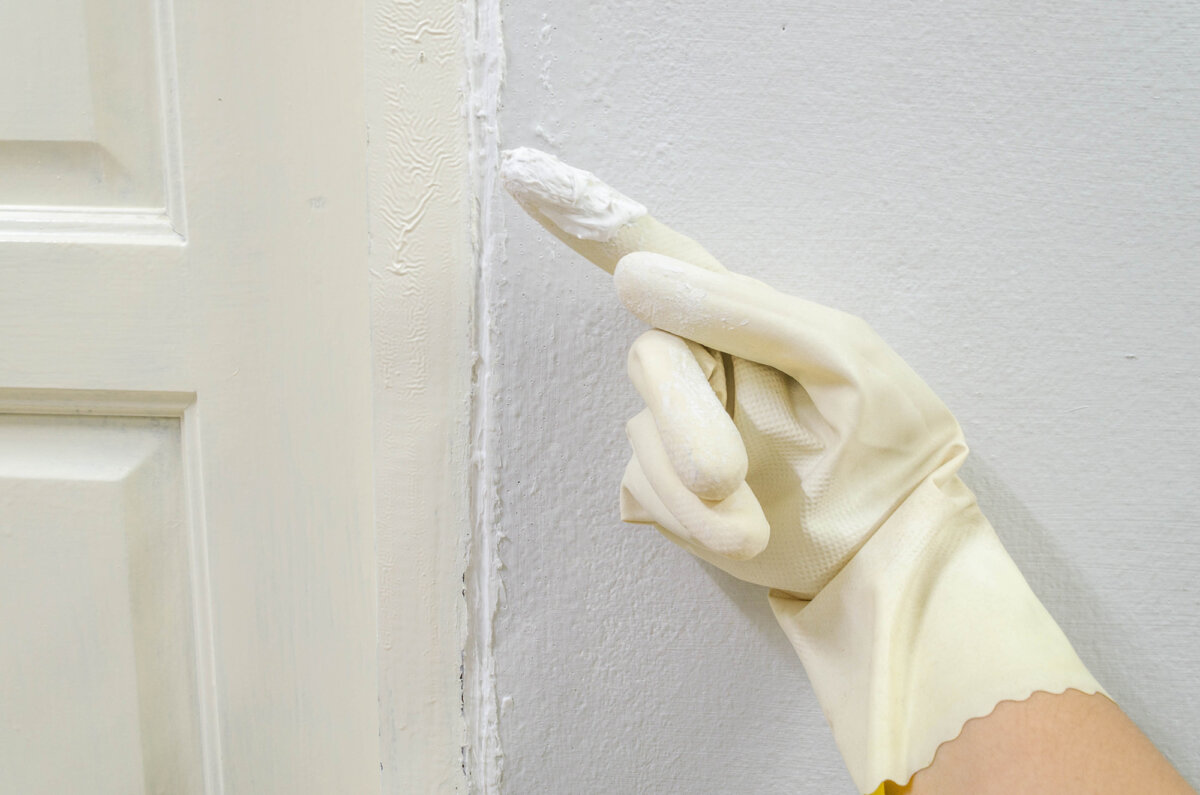
Siliconized acrylic offers very good flexibility for durable, crack-resistant seals in interior/exterior areas subject to humidity and moisture, and it’s paintable. It boasts an easy soap and water cleanup, and you can smooth out any imperfections or wipe up excess with a damp sponge before it skins over.
Some manufacturers add mold and mildew resistance, but it’s still not recommended for areas with heavy water exposure, such as showers.
100 Percent Silicone
When it comes to adherence and flexibility on non-porous material in wet locations, it’s hard to beat a silicone sealant. However, it does not adhere well to some porous surfaces, such as drywall and wood, unless primed. It’s also not paintable. It can get gummy if reworked, so it’s best to do a single bead or work in large sections.
Elastomeric Sealants
When it comes to temperature fluctuations and heavy weather, no-sag, polymer-based elastomeric interior/exterior sealants offer enhanced flexibility, minimal shrinkage, and strong adhesion for sealing wider gaps throughout the house. It works with just about any building material—masonry, wood, vinyl, metal, brick, fiber cement, stone, tile, plastic, and even glass.
Acrylic-polymer blends offer the forgiveness and convenience of soap and water cleanup, often come in popular colors, and are paintable. However, they lack the durability of more expensive silicone-acrylic-polymer hybrids (paintable) and silicone-polymer (not paintable). From doorframes and windows to seams in siding and cracks in masonry walls, elastomerics excel.
Concrete in a Tube
Another option when working with concrete, brick, and stone is to use mortar repair, which seals cracks and gaps while offering some flexibility.
Butyl Rubber
Designed to seal joints and fill cracks in hard-wearing areas such as roof vents and penetrations, chimneys, flashing, gutters, drain spouts, and other hard surfaces, butyl rubber also works in basement, foundation, and above-the-waterline marine applications. It stays permanently flexible after a full cure of seven to 14 days and can be painted.
Wear long sleeves, gloves, and eye protection, and don’t let it touch your skin. Wear a respirator and use a powerful fan if you’re applying it indoors.

Beautiful Beads
Surface prep is critical; all old caulk must be removed. Spray the area down with commercial caulk softener and let it sit as instructed, then use a putty knife or caulk remover tool to clear the old caulk. Next, wipe down the area (even if it’s new construction) with a damp rag, and allow it to dry thoroughly. Consider applying blue painter’s tape to achieve razor-sharp lines and using a painter’s drop cloth to catch any drips.
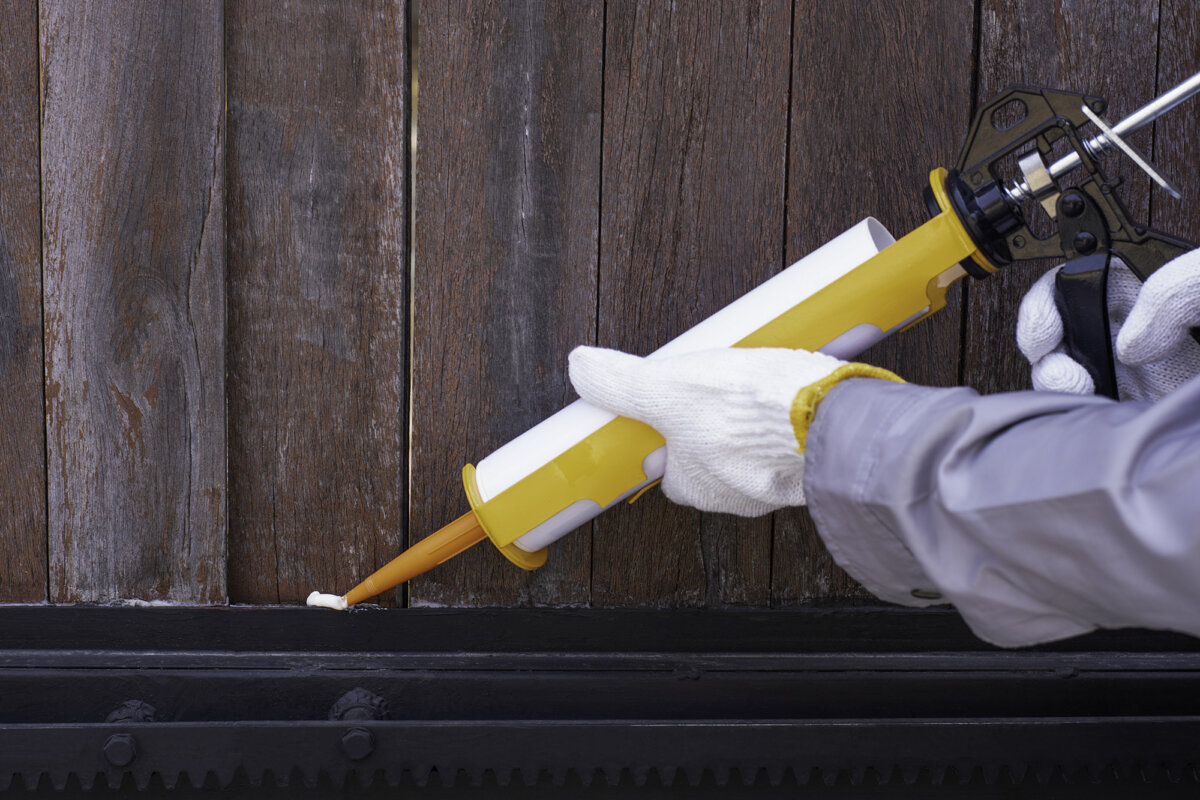
Cut the caulk tube at a 45-degree angle sized to the gap being filled, and pull the gun down the gap while applying an even pressure. Work in large sections, and smooth it immediately with a wet finger or a caulk smoothing tool. Save the rest of the caulk with a caulk cap or a large nail pushed into the tip. If you have concerns, practice in a discreet area or on scrap material.
______________________
Long-Term Investment
Step away from the cheapest caulk gun, as it will quickly tire your hands. Better tools can multiply grip strength significantly. There are powered options, too.
Humble Assistant
Comfort-grip ergonomic caulk guns offer reduced trigger force, enhanced control, and better performance. They are particularly well-suited for seniors. Opt for a drip-free design. Integral tip cutters and seal puncturing tools are a nice bonus. Swivel tips allow for easy use in tight areas.
Muscle Power
Inexpensive ratchet rod caulk guns typically have a thrust ratio of five to one, while smooth rod guns are 10 to one or higher, allowing for incremental trigger pulls and a smoother job. Thicker sealants and mortar repair will require a higher thrust ratio than, say, interior acrylic.
Electric Editions
Numerous companies offer battery-powered caulk guns that use an electric motor to control the plunger, reducing fatigue while increasing dispensing force and providing more precise speed and trigger control for pro-quality lines. An anti-drip feature reverses the plunger between beads.
