



TV-14 | 1h 30m | Documentary | 2026
The HBO documentary “Fukushima: A Nuclear Nightmare,” prompts a grim question: Which was the graver nuclear disaster, Chernobyl or Fukushima? Only one reactor exploded at Chernobyl, whereas three melted down at Fukushima after an earthquake on March 11, 2011.
However, the Fukushima plant had containment structures, whereas Chernobyl did not. Soviet nuclear power was supposedly so safe and reliable that such precautions were officially declared unnecessary.
While containment architecture prevented Chernobyl-level radiation-related fatalities at Fukushima, both disasters were exacerbated by questionable leadership and a lack of transparency.
That is the judgment rendered regarding Fukushima by several experts and eyewitnesses in James Jones’s documentary “Fukushima: A Nuclear Nightmare,” codirected by Japanese-British filmmaker Megumi Inman.
Understandably, the 2011 earthquake and tsunami threw the Fukushima region in northern Japan into chaos. The vast majority of the 20,000 deaths resulted from twin natural disasters rather than radiation released from the Fukushima Daiichi Nuclear Power Plant.
However, the potential for a “China Syndrome” catastrophe (where a nuclear reactor melts into the earth beneath it) could have endangered roughly half the nation. To further complicate matters, emergency conditions frequently disrupted the lines of communication with the Tokyo Electric Power Company’s (TEPCO) executive leadership, headquartered in the Japanese capital city.
In addition, Prime Minister Naoto Kan and his center-left Democratic Party government were relatively inexperienced, which showed in their less-than-commanding response.
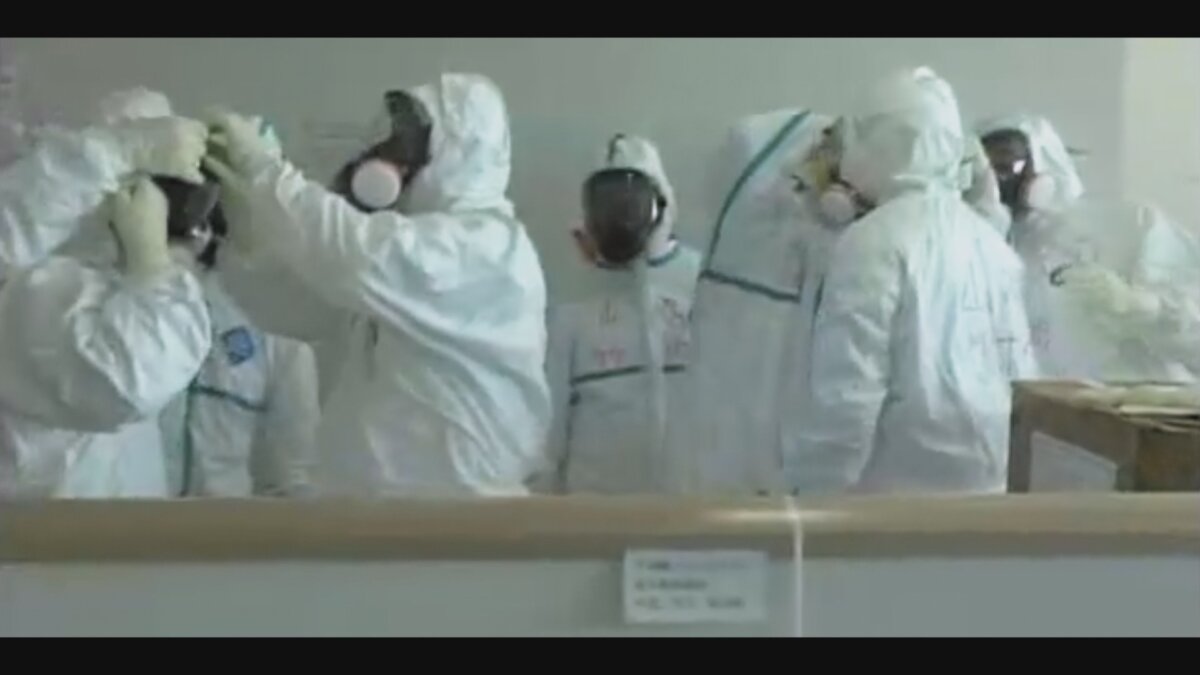
With little outside guidance, senior engineer Ikuo Izawa monitored the situation from the plant control room. He became one of the leaders of the skeleton crew that heroically remained at their posts, working selflessly to avert a cataclysmic nuclear disaster. They became known as the “Fukushima 50,” but they actually numbered 69 in total.
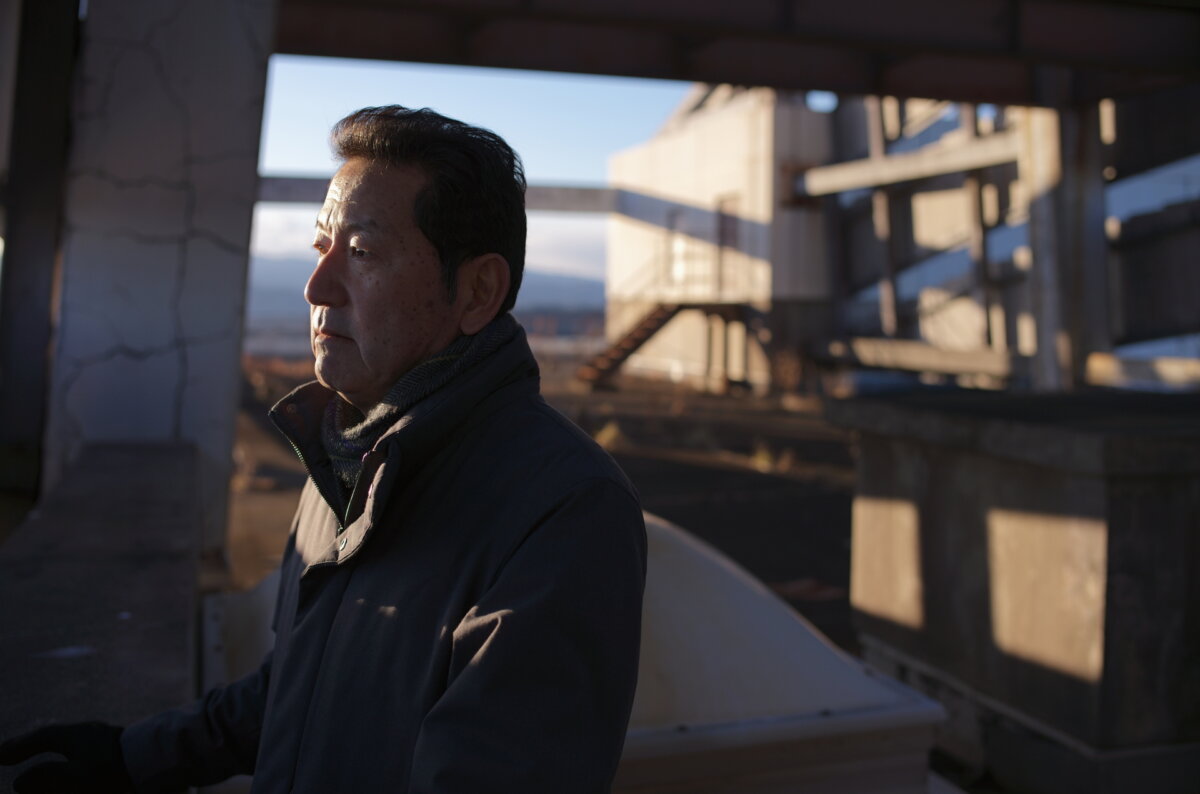
Izawa’s extensive on-camera testimony is remarkably calm and matter-of-fact, but absolutely riveting. Fukushima plant engineer Katsuaki Hirano and American contractor Carl Pilletteri add further context and descriptive detail.
Former New York Times journalist Martin Fackler often sounds rather inclined to cast the top TEPCO executives and the Kan government in a negative light. He cites damning documents indicating that TEPCO ignored studies suggesting Fukushima’s vulnerability to severe-magnitude earthquakes.
Former Prime Minister Kan did not participate in Jones’s documentary, most likely due to his recently announced dementia diagnosis. Instead, Kan’s account of his crisis management is only heard through brief narrated excerpts from his memoirs. The filmmakers deserve some credit for attempting to represent his perspective.
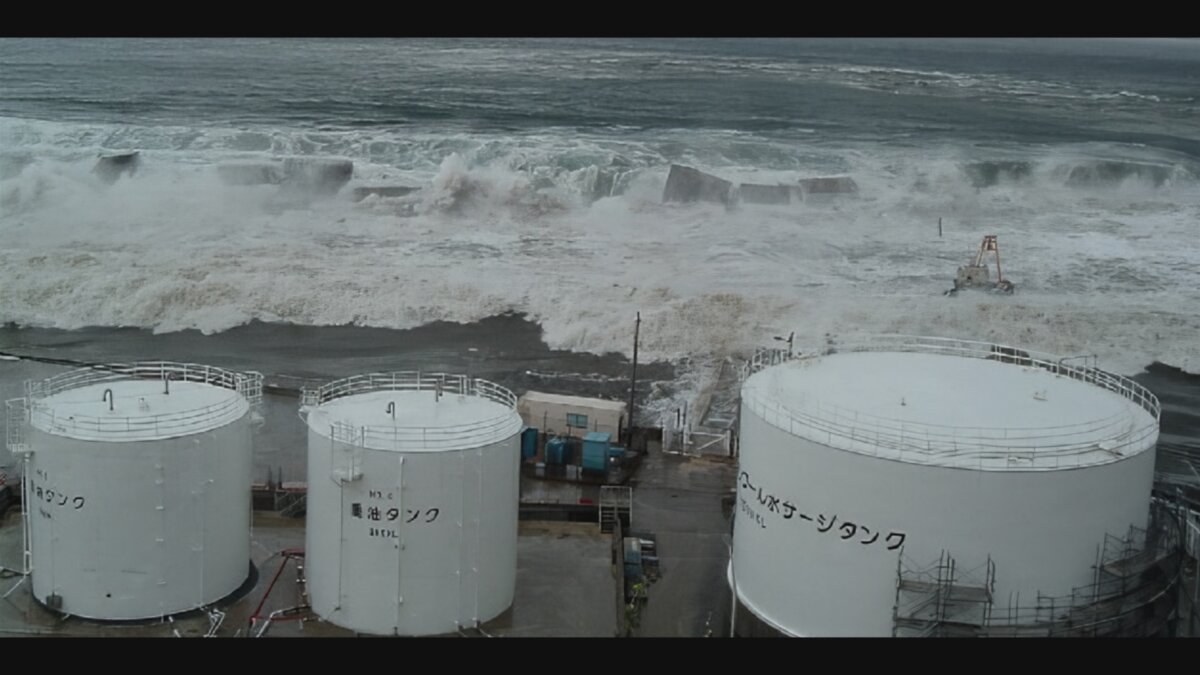
When it sticks to the facts, “Fukushima: A Nuclear Nightmare” provides a tense yet comprehensive chronicle of the 2011 tragedy. Jones incorporates some truly harrowing video of the tsunami’s destructive and deadly power.
He overstates his case when he suggests that the Japanese pop culture indoctrinated viewers with pro-nuclear propaganda. Jones and company never mention the character Godzilla, who was created by an atomic blast and came to embody Japan’s nuclear anxiety.
Anti-Nuclear Bias
An anti-nuclear bias was clearly baked into the film, often expressed by Katsutaka Idogawa, the former mayor of nearby Futaba, Japan. However, nobody offers any practical energy alternatives, especially for a country the size of Japan, which has little space for extensive wind or solar farms.
It is worth noting that Jones also helmed the excellent documentary “Chernobyl: The Lost Tapes.” The documentary was partly assembled from previously suppressed Soviet footage of the regime’s response to the disaster at Chernobyl, also known as the V.I. Lenin Power Station.
Jones’s Chernobyl film looks like it served as a template for his Fukushima documentary. Between both films, Jones has now documented the two grimmest, deadliest episodes in the history of nuclear power, so his skepticism is understandable.
What really stands out in “Fukushima: A Nuclear Nightmare” is the heroism it documents, from the Fukushima 50, or rather 69, and the firefighters of the Tokyo Fire Department’s elite Hyper Rescue Squad.
Toyohiko Tomioka, another prominent presence in the film, led the rescue squad. Tomioka ultimately cooled and stabilized the reactors that had not yet melted down. The plant workers like Izawa are just regular people, but they rose to the occasion.
“Fukushima: A Nuclear Nightmare” fully explains the technical aspects of the 2011 disaster. However, it delivers more conjecture than hard fact when alleging misconduct on the part of the government and TEPCO.
Jones and Inman simply do not have sufficient sources for a full-fledged exposé. Still, viewers can learn quite a great deal from their film. Anyone working for the nuclear industry should watch it for the sake of preventative troubleshooting. Recommended for the profiles in courage.
“Fukushima: A Nuclear Nightmare” aired on HBO March 10.
‘Fukushima: A Nuclear Nightmare’
Director: James Jones, Megumi Inman
Documentary
MPAA Rating: TV-14
Running Time: 1 hour, 30 minutes
Release Date: Feb. 20, 2026
Rated: 3 stars out of 5
What arts and culture topics would you like us to cover? Please email ideas or feedback to features@epochtimes.nyc
