



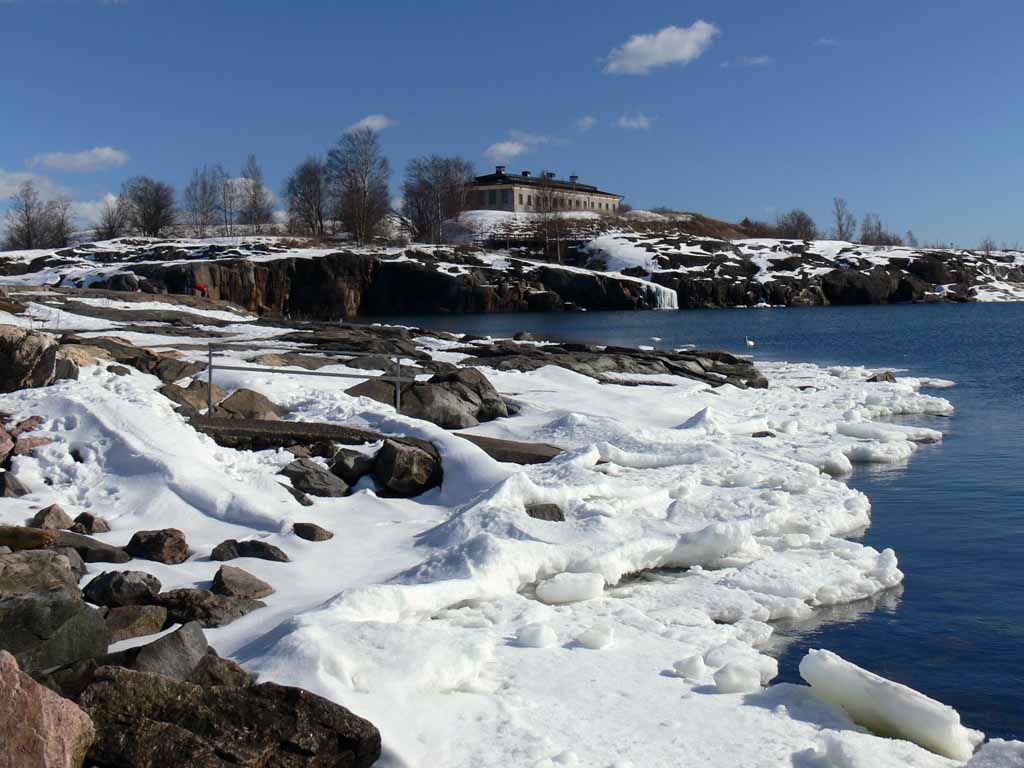
A script of trees before the hill
Spells cold, with laden serifs; all the walls
Are battlemented still;
But winter spring is winnowing the air
Of chill, and crawls
Wet-sparkling on the gutters;
Everywhere
Walls wince, and there’s the steal of waters.
As the first hopeful signs of spring begin to appear amid winter’s vestiges, with them emerge cautionary words to measure our excitement, as though too much enthusiasm could startle spring and send it scampering back into its burrow.
In this in-between season, there is a beautiful illustration of the necessity of vulnerability in love. Richard Wilbur (1921–2017) wrote a poem called “Winter Spring,” which, is as elusive in print as spring itself seems to be in his verses.
Wilbur gives a luminous description of the ephemeral “winter spring,” and the souls of the beholders reflect the “wet-sparkling” scene in their bright amazement. The form of the poem mirrors the “steal of waters” through the use of enjambment as lines flow one into another. There is not only a sense of light but of light-heartedness in the playful, tumbling “somersault of seasons” and in Wilbur’s twist on the line “this too shall pass.”
Yet amid his beauty, there is a sense of war waged in the heart of nature. The “laden serifs” speak of a heaviness as though nature’s speech itself is weighed down; the walls are “battlemented” and wince beneath the weight of the snow. The waters steal through the scene as though trying to win back the land for spring; winter’s “proud royaume” is conquered through subtle, winding channels.
The last line of the poem prompts the reader to wonder why Wilbur associates winter with what Aristotle would call a friendship (or love) of utility or pleasure. In such loves, the relationship declines when it is no longer useful or pleasant, when the “reasons” are no longer there. Why then is winter the season of loving things for reasons?
When someone says they love spring, summer, or autumn, no one questions why. With winter, however, one feels the need to qualify a profession of love for the season. No one loves the cold and dark for their own sake. Instead, one has to list the reasons one loves winter: the snow, the holidays, the winter activities. The love of winter is a self-interested love that requires calculation whereas the love for spring or the other seasons is an open-hearted love without reservations. There is no cost-benefit analysis with the love of spring; one simply loves the season for itself.
Winter: Self Protection
Generally, winter is a cause for preparation or something to be avoided altogether. Squirrels store up nuts for the winter, people buy warmer clothes and make sure they are prepared to handle the snow, and many birds fly south to avoid winter entirely. It puts both men and animals on the defensive as they guard themselves against the cold and dark.
In Wilbur’s poem, winter itself comes to embody hardness of heart and an unwillingness to risk being hurt. This wintery spring might last no longer than a day; we may be plunged back into winter “perhaps tonight.” There seems no point in growing excited when spring’s return is not yet guaranteed.
Sometimes we are apt to treat human loves in the same way. I have many friends who forbid themselves from growing excited about budding relationships for fear that the relationship will end. In response to past wounds, they shield themselves from future disappointments by taking shelter behind the battlements of self-sufficiency and indifference
The speaker in the poem disdains such self-preservation. In fact, the poem calls to mind a quote from “The Four Loves” by C.S. Lewis:
“To love at all is to be vulnerable. Love anything, and your heart will certainly be wrung and possibly be broken. If you want to make sure of keeping it intact, you must give your heart to no one, not even to an animal. Wrap it carefully round with hobbies and little luxuries; avoid all entanglements; lock it up safe in the casket or coffin of your selfishness. But in that casket – safe, dark, motionless, airless – it will change. It will not be broken; it will become unbreakable, impenetrable, irredeemable. The alternative to tragedy, or at least to the risk of tragedy, is damnation. The only place outside Heaven where you can be perfectly safe from all the dangers and perturbations of love is Hell.”
The poem‘s speaker seems to have come to a very similar conclusion, undertaking love with a loss that is not only likely but certain. He chooses to love a “too-soon spring” that will pass. Perhaps it‘s also telling that the love seems unseasonable, inconvenient for the speaker. There is no sense of readiness and security; rather, the soul is “stricken” by the sudden appearance of beauty. Yet despite being taken off guard, there is a receptivity in the heart of the speaker to what Lewis and Wilbur both refer to as the dangers of love.
Peggy Rosenthal wrote “Wilbur’s core vision, I’d say, was exactly this: a vision of transcendence within the stuff of ordinary life, within the ‘things of this world.’” “Winter Spring” embodies this vision: within the ordinary, often overlooked things of the world, there is an offered chance to transcend natural human impulses. There is a chance to choose what seems contrary to reason from the perspective of self-preservation, what makes us distinctly human.
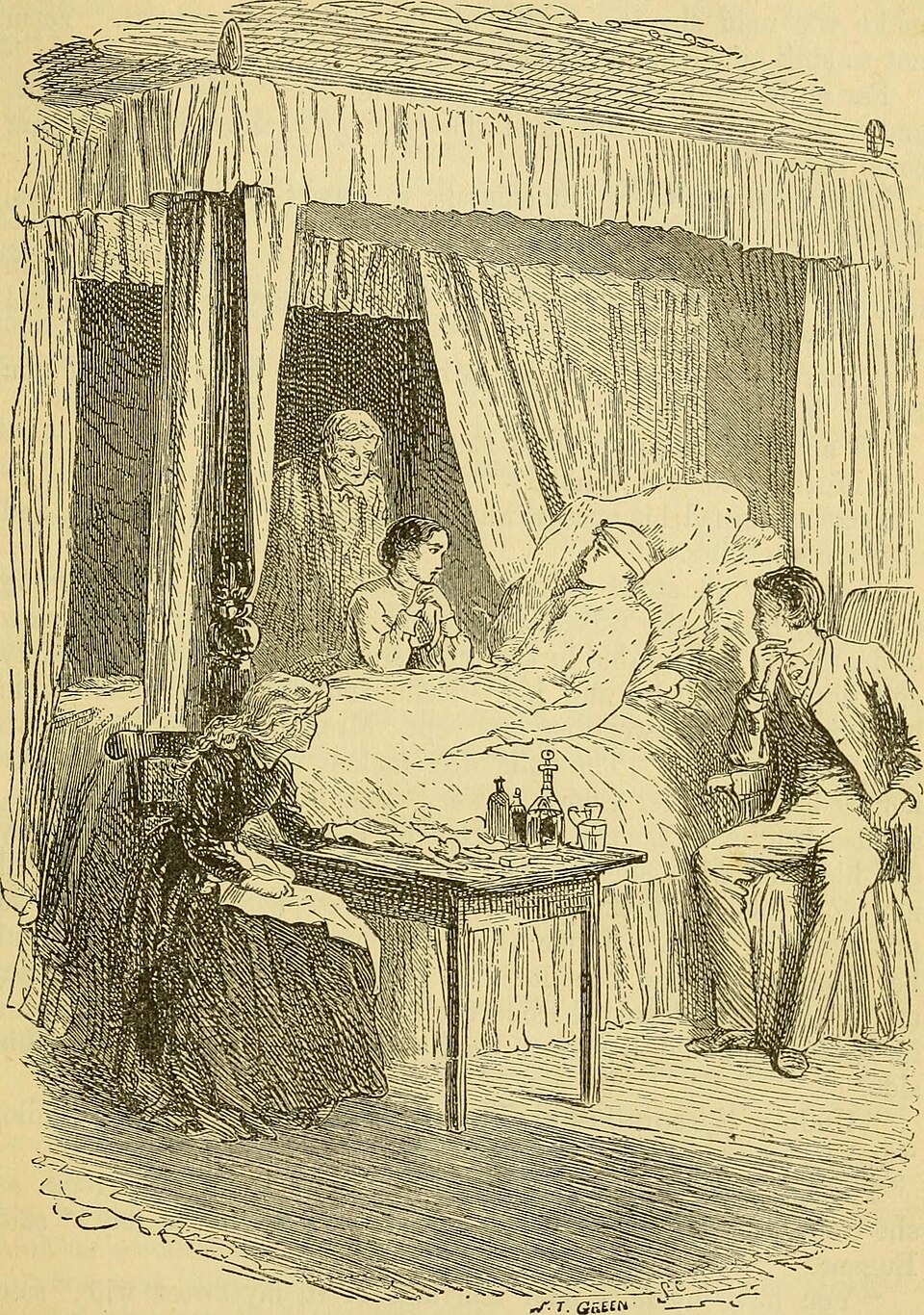 An illustration from “Our Mutual Friend,” 1895. (Public Domain)
To choose vulnerability and self-sacrificing love is to exercise our human ability to move beyond the instinct of self-preservation. The natural landscape of the human heart looks like winter spring, a battle between love of self and selfless love. The choice to transcend ourselves, to winnow out the traces of winter from our hearts and accept the risks of love, is no ordinary thing. It unfolds within our hearts with the same quiet dynamism of winter spring within the theater of nature.
What arts and culture topics would you like us to cover? Please email ideas or feedback to features@epochtimes.nyc
