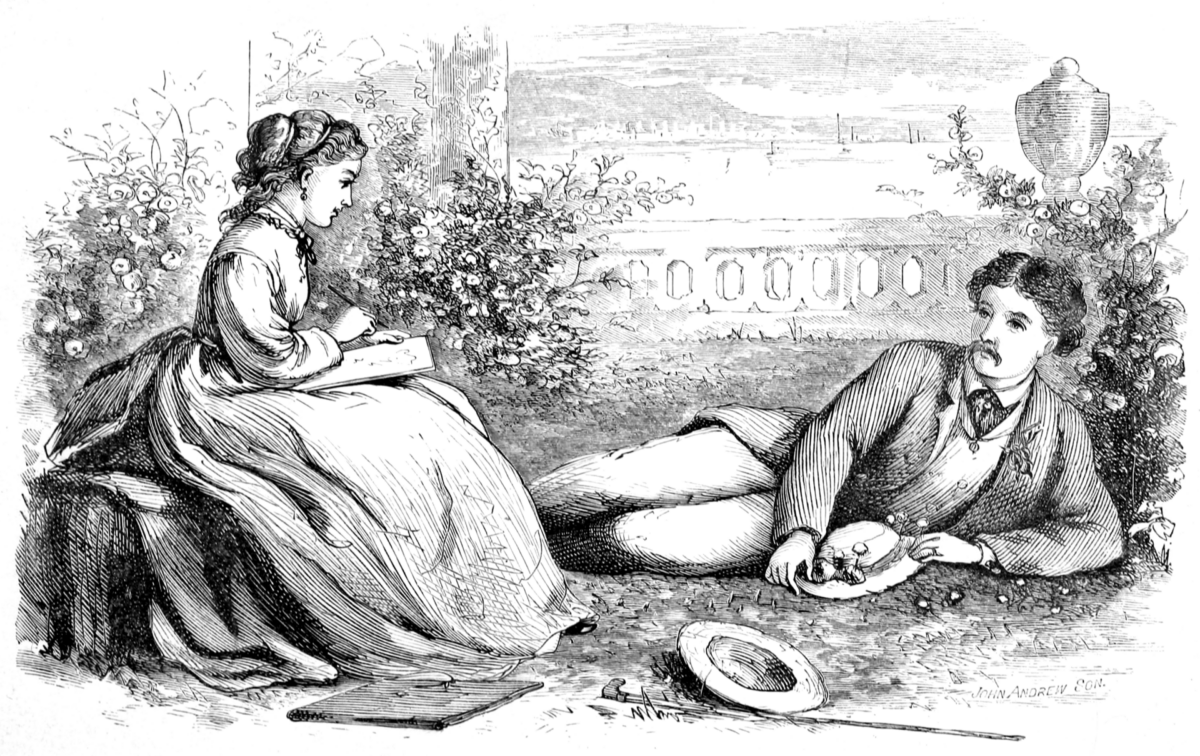
The beloved American novel “Little Women” tells of four sisters who grow from childhood into adulthood during the Civil War. Over 150 years after it was written, it remains a compelling, deeply moving account of family life in mid-19th-century America.
Beyond its historical significance and literary merit, it’s considered a masterpiece because of its poignant themes of familial love, particularly the bond of sisterhood.
This portrait of family life is powerful and authentic because it’s real. Authoress Louisa May Alcott based the characters and events of her two-part novel very closely on her own family and childhood experiences. Like Jo March, the protagonist of the book, Alcott was the second of four sisters.
However, Louisa was not the only creative Alcott sister. The youngest, Abigail, was an artist, illustrator, and travel writer who inspired one of the characters in “Little Women.” Although she never achieved the fame or success of her older sister, Abigail helped define the role of the female artist in America.
The Real-Life Amy
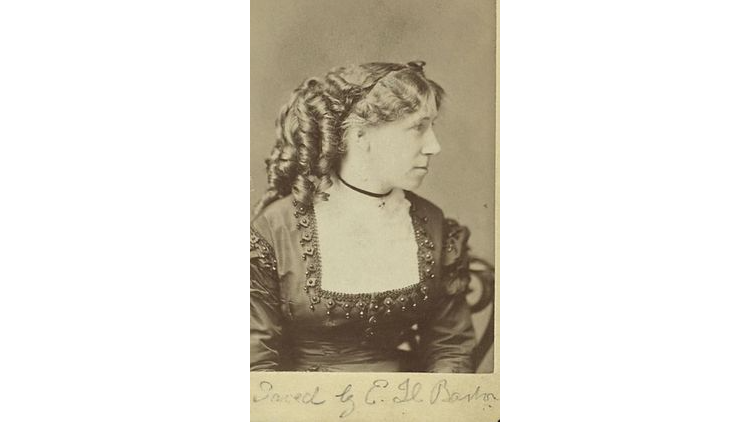
Abigail May Alcott was born in 1840 in Concord, Mass., the fourth daughter of transcendentalist educator Amos Bronson Alcott and his wife. She was named after her mother, who was a social worker. After going through a series of nicknames during her early years, she eventually settled on May as her moniker.
All four Alcott daughters were well-educated; they were taught strict self-discipline by their father and creative imagination by their mother. May’s older two sisters began taking odd jobs of teaching, sewing, and writing to supplement the family’s income. The third sister Elizabeth became the “little housekeeper.” This allowed May to continue going to school.
May was the inspiration for the character Amy in “Little Women,” and she, too, was the youngest daughter. The very name Amy was chosen as an anagram for May.
Whereas Louisa was stubborn, willful, and a decided tomboy, young Amy was prone to vanity and self-centered behavior, as is often seen in the baby of the family. She was keenly aware of whether she was receiving her fair share of parental attention, compared to her sisters.
Independent thinking ran in the Alcott family. Upon May’s death, her father wrote that her temperament was “elastic, susceptible. She had a lively fancy, a clear understanding,” and “independence was a marked trait. … She held her fortunes in her hands, and failure was a word unknown in her vocabulary of effort.”
Like Amy, the youngest Alcott was an artist. Louisa later captured her real-life sister’s love for art in her description of the fictional Amy: “She was never so happy as when copying flowers, designing fairies, or illustrating stories with queer specimens of art.”
May began showing her talent for drawing at a young age, which was a source of great satisfaction for her parents. However, unlike Louisa’s writing, which began earning her money at a young age, May’s art required financing and special considerations for her training and necessary experiences.
She taught in public schools in 1853, and in 1859, she began her formal art training at the School of the Museum of Fine Arts in Boston. She combined these two skills by teaching art therapy at an asylum in New York the next year and later teaching art at a school run by a family friend in Concord.
The Artist Abroad
One of May’s first professional jobs was creating the illustrations for the first edition of “Little Women” in 1868. These simple sketches were not as well-received as the text, and many critics regarded them as juvenile and poorly executed.
It was clear that the 28-year-old artist needed more instruction than what she could find in the United States. The success of her sister’s book provided the funding for May to travel to Europe and learn from the master art instructors in the academies of London, Paris, and Rome. She traveled abroad in 1870, 1873, and 1877.
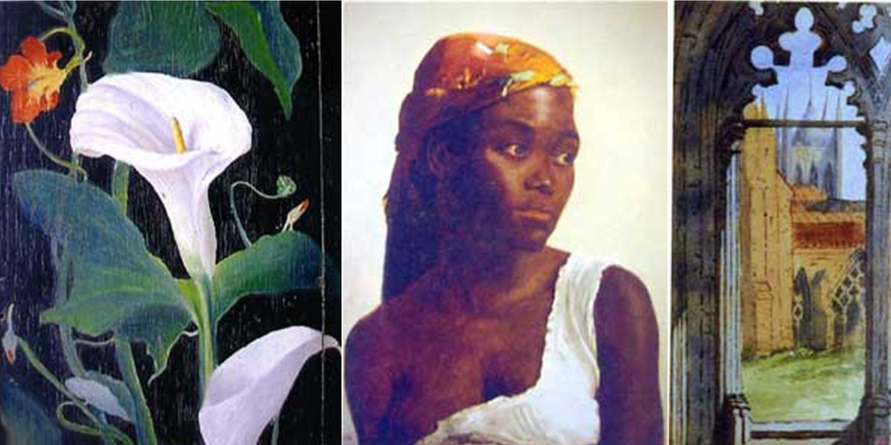
May flourished in Europe as she studied watercolors, sculpture, oil painting, and sketching. She became particularly adept at painting still life and landscapes; she was also a copyist, most notably of the watercolor works of English Romantic painter J.M.W. Turner.
In 1877, a still life she painted was included in the prestigious and highly competitive Paris Salon as the only painting by an American woman. Her painting “La Négresse” was included in the 1879 Paris Salon. Widely considered to be her masterpiece, this warm watercolor is a very human, dignified portrait of a lovely young black woman.
May wanted to help other young American women follow in her footsteps by seeking artistic training. In 1875, she outfitted an art studio. She created plans for an art center in her native Concord to support and encourage emerging American artists there. Recognizing the importance of training in Europe in her own career, she also realized that many other young ladies could profit from her experiences while studying abroad.
She wrote a book called “Studying Art Abroad, and How To Do It Cheaply,” which was published in Boston in 1879. Writing in a clear, candid, and endearing manner, she gives extremely specific advice: what clothing to bring, how to travel from town to town, where to lodge, which art teachers to contact, and what modes of study are worth the aspiring artist’s time and attention.
Most of this information is too out-of-date to be of practical application today. However, it’s a valuable window into the travel customs and artistic opportunities available to American women in the 1870s.
Personal Joy and Tragedy
Although she didn’t marry in her early 20s like her fictional counterpart Amy, May similarly found romance and marriage in Europe. Ironically, life imitated art for May. In “Little Women,” Amy falls in love with Laurie while grieving sister Beth.
When May’s mother died, she found solace in the sympathetic companionship of Swiss tobacco merchant and violinist Ernest Nieriker. Although Nieriker was 22 while May was almost 38, they married in London on March 22, 1878.
Her family, particularly her father, disapproved of the match. Louisa defended her sister’s decision, saying, “May is old enough to choose for herself, and seems so happy in the new relation that we have nothing to say against it.” No doubt she rejoiced that her sister had found the soulmate who had eluded Louisa’s own life.
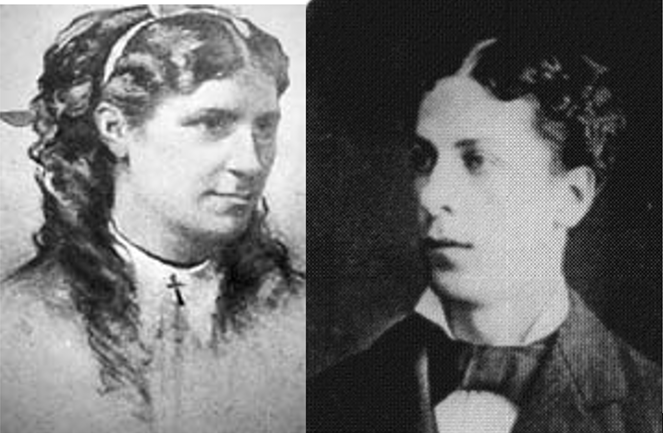
The newlyweds settled in the Parisian suburb of Meudon, where May enjoyed artistic success with her beloved husband’s full support. She wrote to her family, “There is not a cloud as big as your hand in my sky.”
This mutual bliss of art and domesticity was only enhanced when she and Ernest learned they were expecting a child a year later. May informed her relatives back home, “I mean to combine painting and family, and show that it is a possibility if let alone.”
May bore her first and only child at age 39 on November 8, 1879, naming her Louisa May after her sister. Sadly, this familial joy was short-lived, as the new mother died seven weeks later. Since her widower didn’t have a stable home in which to raise their daughter, little Lulu spent her first eight years living with her namesake aunt in the United States.
The name of Abigail May Alcott is rarely included alongside great American artists, perhaps because her life was tragically cut short just as she was perfecting her technique.
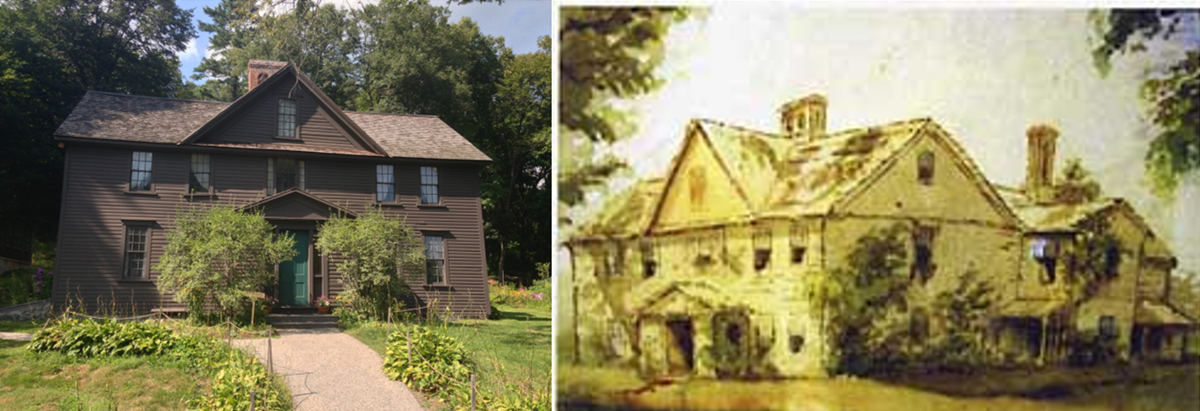
However, through her paintings, her book, and her teaching, she paved the way for future female American artists to hone their skills. Many of her paintings are on permanent display at the historic Orchard House museum in Concord.
What arts and culture topics would you like us to cover? Please email ideas or feedback to features@epochtimes.nyc