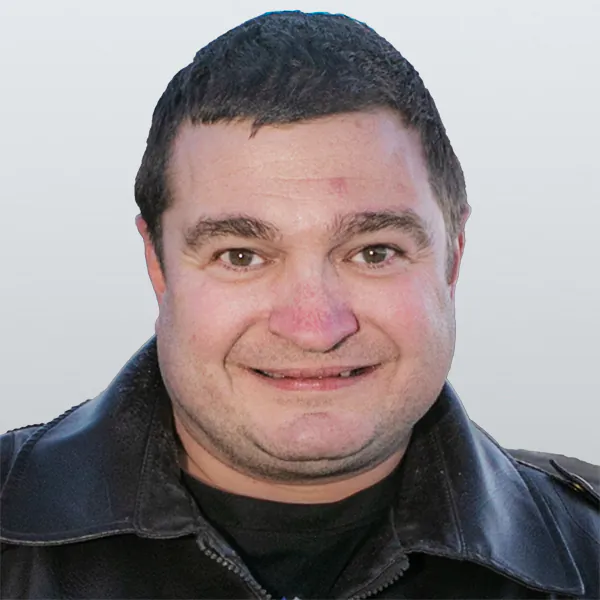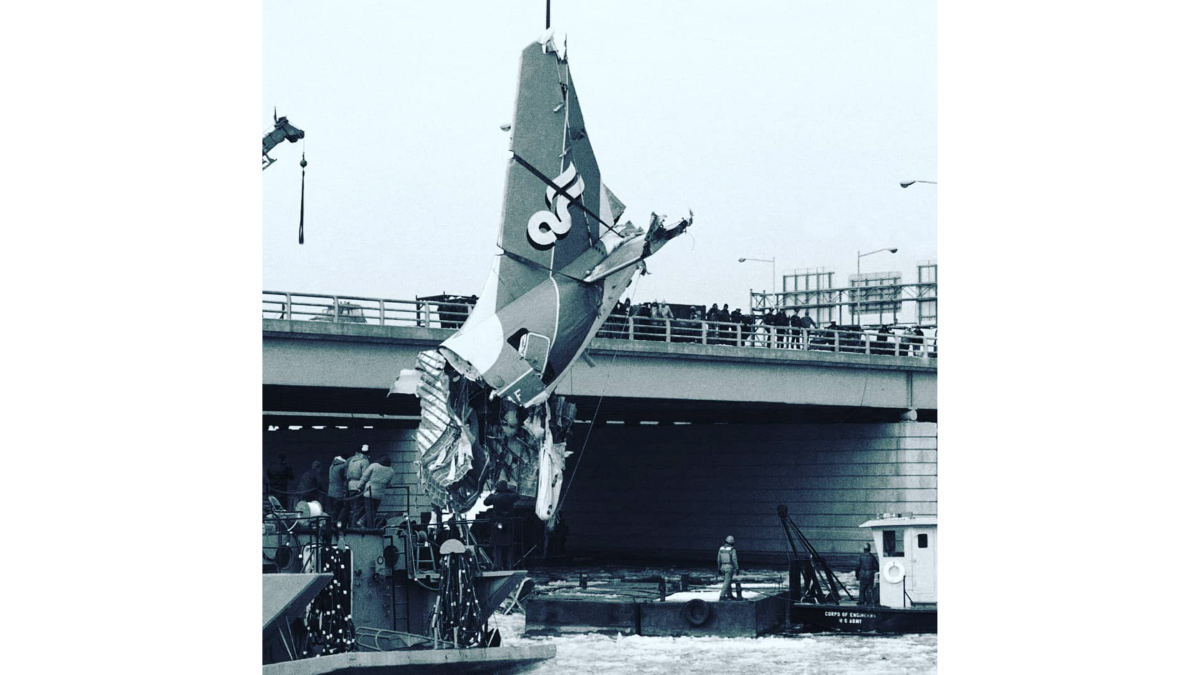
When Air Florida Flight 90 crashed into the icy Potomac River after striking a bridge, plane passenger Arland Williams Jr. was one of the first survivors to receive the rescue helicopter’s rope. But instead of occupying the rescuers’ time to save himself, he passed the rope to save five other survivors. But when the helicopter came back to rescue Williams, he had been pulled into the icy water.
Williams was born in Mattoon, Illinois on Sept. 23, 1935. He grew up in Illinois before attending The Citadel, the military college located in Charleston, South Carolina. While in college, he loved intramural sports and went by his high school nickname “Chub.” He graduated from The Citadel in 1957 as a business administration major and an Oscar Company sergeant.
After graduation, Williams served in the military for two years before going to work in the banking industry. In 1972, Williams moved to Palm Beach County, Florida, where he worked for the First National Bank & Trust Co. in Lake Worth. He was then transferred to the First Community Bank of Boca Raton where he served as president for two years.
By 1982, Williams was a bank examiner for the Atlanta Federal Reserve System. On Jan. 13, 1982 Williams booked a flight to return to Tampa, Florida after a meeting with the Federal Reserve Board of Governors in Washington.
On the morning of Jan. 13, a snowstorm struck the Washington area bringing with it six-and-a-half inches of snow. Due to the weather, the Washington National Airport (now called the Ronald Reagan Washington National Airport) was closed briefly for snow removal. The Air Florida Flight 90 that Williams was scheduled to board was delayed for over an hour and a half.
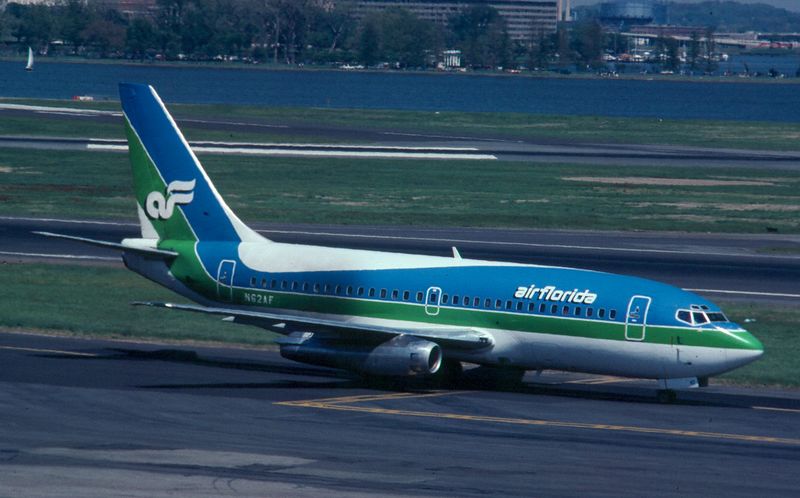
When the plane was cleared for takeoff, it was still covered in snow and ice. The pilots did some deicing, but not enough. The pilots made another mistake by following another plane too closely. The other plane’s exhaust melted some of the ice like the pilots intended, but it melted it into the engines. The pilots should have stopped and delayed takeoff until all the ice and snow had been removed from the wings and engines.
The pilots attempted to takeoff, but due to the ice, their instruments gave them false readings. When the plane was supposed to lift off from the runway, it was still going. Passengers said that they were afraid the plane wasn’t going to take off in time and overshoot the runway.
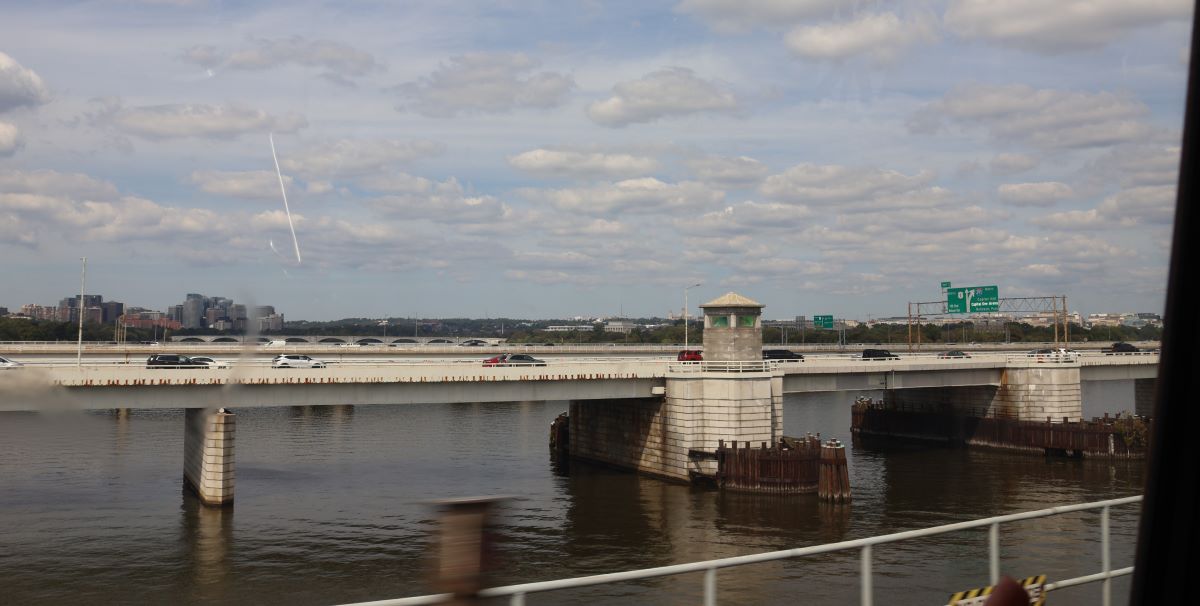
The plane got airborne in the last minute. But as soon as the aircraft started its flight, the frozen engines stalled, keeping the plane from getting enough altitude. At 4:01 p.m., the plane smashed into the 14th Street Bridge across the Potomac River. The plane hit the bridge and then pummeled into the frozen waters of the Potomac.
The plane smashed into six occupied automobiles and a boom truck along with tearing away some of the bridge. Four motorists were killed with five others injured. Seventy of the flight’s 74 passengers and four of the five crew members (including the two pilots) instantly died on impact.
There were however, five passengers and one flight attendant who survived the initial impact. After the plane plunged into the river, the six survivors were left clinging to a piece of the plane’s tail. But due to the blizzard conditions, the icy roads created traffic jams that prevented emergency vehicles from reaching the scene.
Some witnesses of the crash tried to help by throwing ropes down from the bridge and from the shore. One man, Roger Olian even tied a rope around his waist and swam into the water to try to save the passengers. However, all of the initial rescue attempts made by the bystanders before the helicopter arrived failed.
Since the water was frozen, boats couldn’t reach the stranded survivors. After they had spent about 20 minutes in the icy water, a rescue helicopter arrived. The helicopter first went to rescue one of the passengers who let go of the plane’s tail and swam directly below the helicopter. Once the first passenger was saved, the helicopter came back to save the others.
During its second trip, the helicopter dropped a rope that was quickly grabbed by Williams. However, Williams was still stuck to his seat that was wedged in the wreckage. Instead of wasting valuable time trying to free himself, he passed the rope to a fellow survivor. In fact, he kept passing the rope to others when the helicopter came back for two more trips.
Now that the other five passengers had been saved, the helicopter returned to rescue the sole survivor left out on the river. But when it returned, the plane’s tail had sunk and Williams went with it.
News stations were able to film the rescue and, shortly after the incident, everyone wondered who the man was that passed the rope. Just over a week after the tragic crash, Time magazine published an essay calling the mysterious hero “The Man in the Water.” In the days after the wreck, the man who selflessly saved others had still not been identified.
Moreover, for a year and a half nobody knew Williams’s identity and he was only referred to as the “unknown hero.” After a thorough investigation, the fact that Williams was the only passenger who died from drowning enabled investigators to identify Williams as the sixth crash survivor who died after the crash.
Then, on June 6, 1983, President Ronald Reagan posthumously awarded him the United States Coast Guard’s Gold Lifesaving Medal and presented it to Williams’s family. In 1993, during his commencement address to the South Carolina Corps of Cadets’ Class of 1993, President Reagan recognized The Citadel alum Williams as an example of courage and as someone to be emulated.
What arts and culture topics would you like us to cover? Please email ideas or feedback to features@epochtimes.nyc