



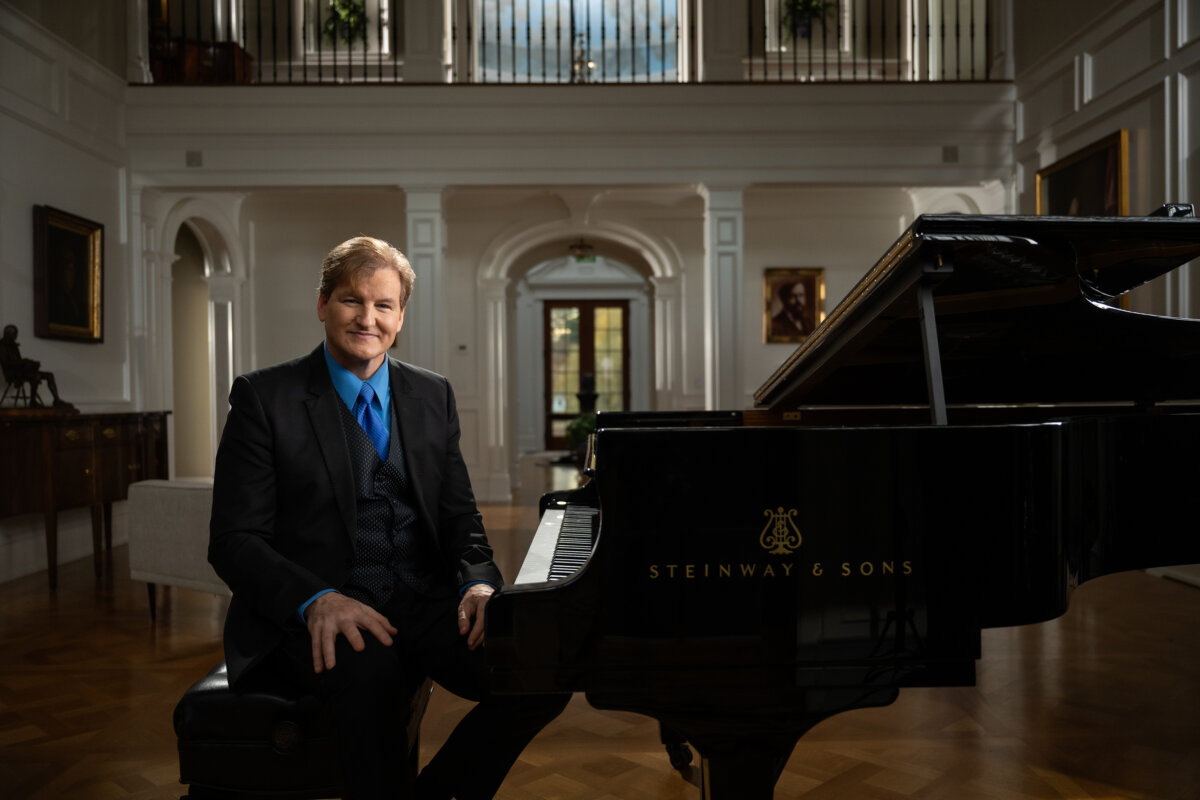
Hillsdale College recently launched a course that allows participants to study the works of classical music’s greatest composers from the comfort of home. “The History of Classical Music: Chopin Through Gershwin” features concert pianist Hyperion Knight as he returns as course instructor and picks up where he left off with the first installment of the series, “The History of Classical Music: Pythagoras through Beethoven.”
The first course took students on a journey through Western music’s formative years and culminated in the rise and reign of Ludwig van Beethoven, the piano virtuoso who acts as a bridge between the Classical and Romantic eras. Now, students will dive into the world of composers from the Romantic epoch, along with select American and modern composers, creating a full circle study of classical music from its dawn to its status as a timeless and influential tradition.
Knight told The Epoch Times the latest course tells the story of a creative shift that defined the Romantic era; one, he said, that made the goal of composing about beauty itself, making for works full of originality, passion, and artistic freedom.
The Value of Beauty
Knight pointed out that the two courses can be viewed from the angle of pre-Beethoven and post-Beethoven, with the Romantic era of the 19th century creating great change for the art form. One of the biggest changes was the reason for creating music in the first place. Composers of the Classical era of the 1700s often performed and created for aristocratic figures, but composers in the 1800s took a more individualized approach and focused on the art of creativity and music-making as reason enough to pen classical works.
With this new direction, “beauty itself became the goal,” Knight shared. “And we see in the Romantics the veneration of beauty as ‘art for art’s sake,’” he said, referencing a motto from 19th-century France attributed to philosopher Victor Cousin.
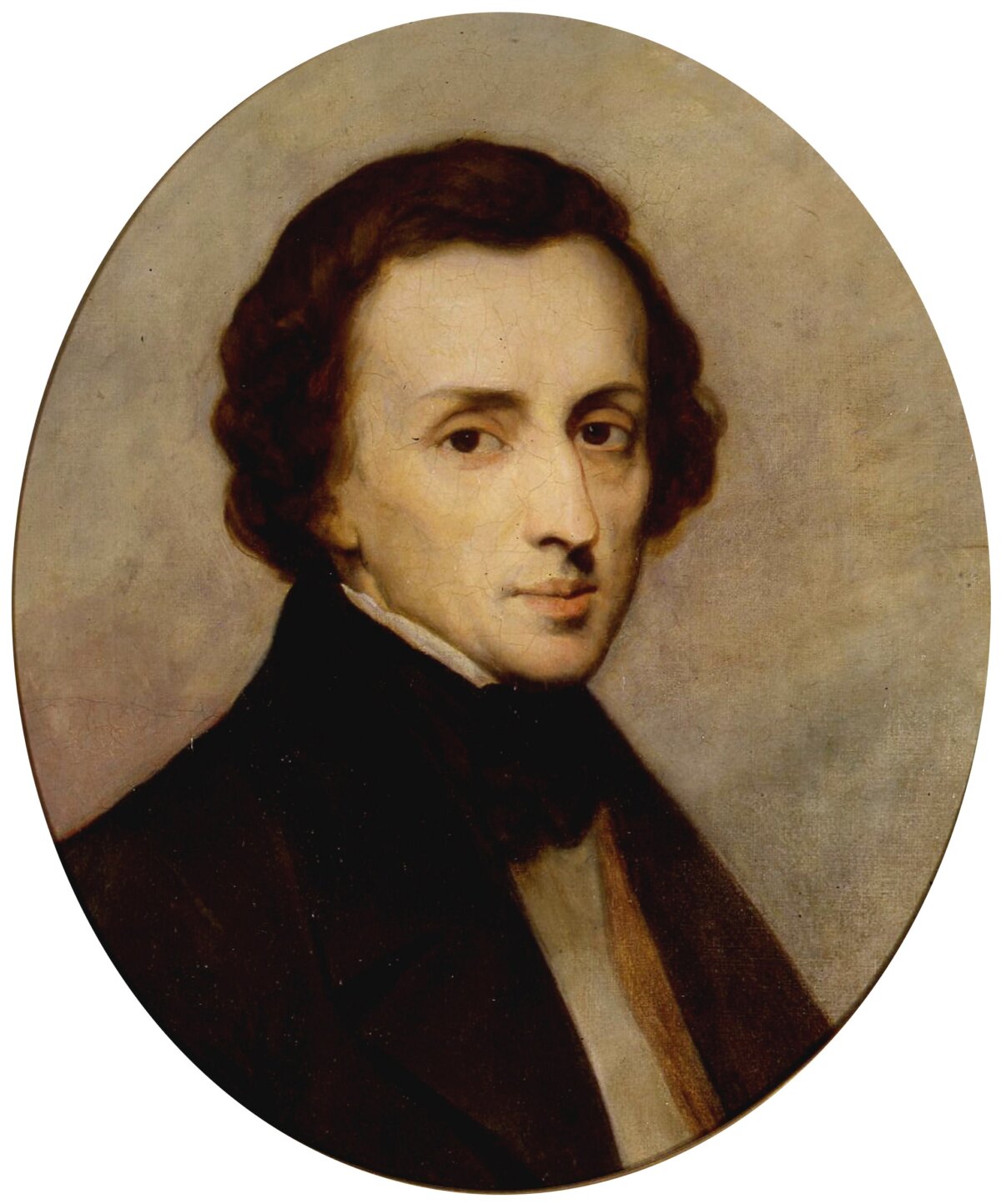
For Knight, composer and pianist Frederic Chopin is the ideal representation of this philosophy. “The beloved Frederic Chopin from Poland symbolizes Romanticism itself. Every note of his music is entirely original—there was nothing like it before him.”
Beauty was a principal value among Romantic-era composers because they believed beauty was a doorway to truth. This belief produced works exemplifying innovation and original artistry while also honoring musical standards set by those who came before them. “An undercurrent of both the Romantic and Modern eras was a reaction to Beethoven—originality as a chief priority in the arts,” Knight said.
He also pointed out this belief fostered creative tension among composers. “After Beethoven, it was impossible to simply improve on what had been done before. Composers had to come up with something new, and this could actually intimidate them, as was the case with Johannes Brahms, who wasn’t willing to debut his first symphony until the age of 43 and always maintained a firm commitment to the traditions and excellence of the past.”
‘The World of Musicians’
The concert pianist shared that course participants may be surprised by what they learn. He wanted to give audiences a realistic view of celebrated composers while learning about their seismic feats.
“I decided early on to let audiences into my world and the world of musicians in general, both for the sake of curiosity and for humor,” he said.
One aspect that may surprise participants is that professional musicians deal with stage fright just as much as everyone else. The course features a range of performances by Knight, who tackles works by Brahms, Tchaikovsky, and Sergei Rachmaninoff, among others. He’s traveled the world performing on classical music’s biggest stages, but performing solo in an educational setting offers a unique opportunity to intimately connect with the music. Performing live with an orchestra comes with a number of stressors, from anxiety over the performance to making sure one is on the same page as the conductor and at times upwards of 100 other musicians—something Russian composer Rachmaninoff understood well.
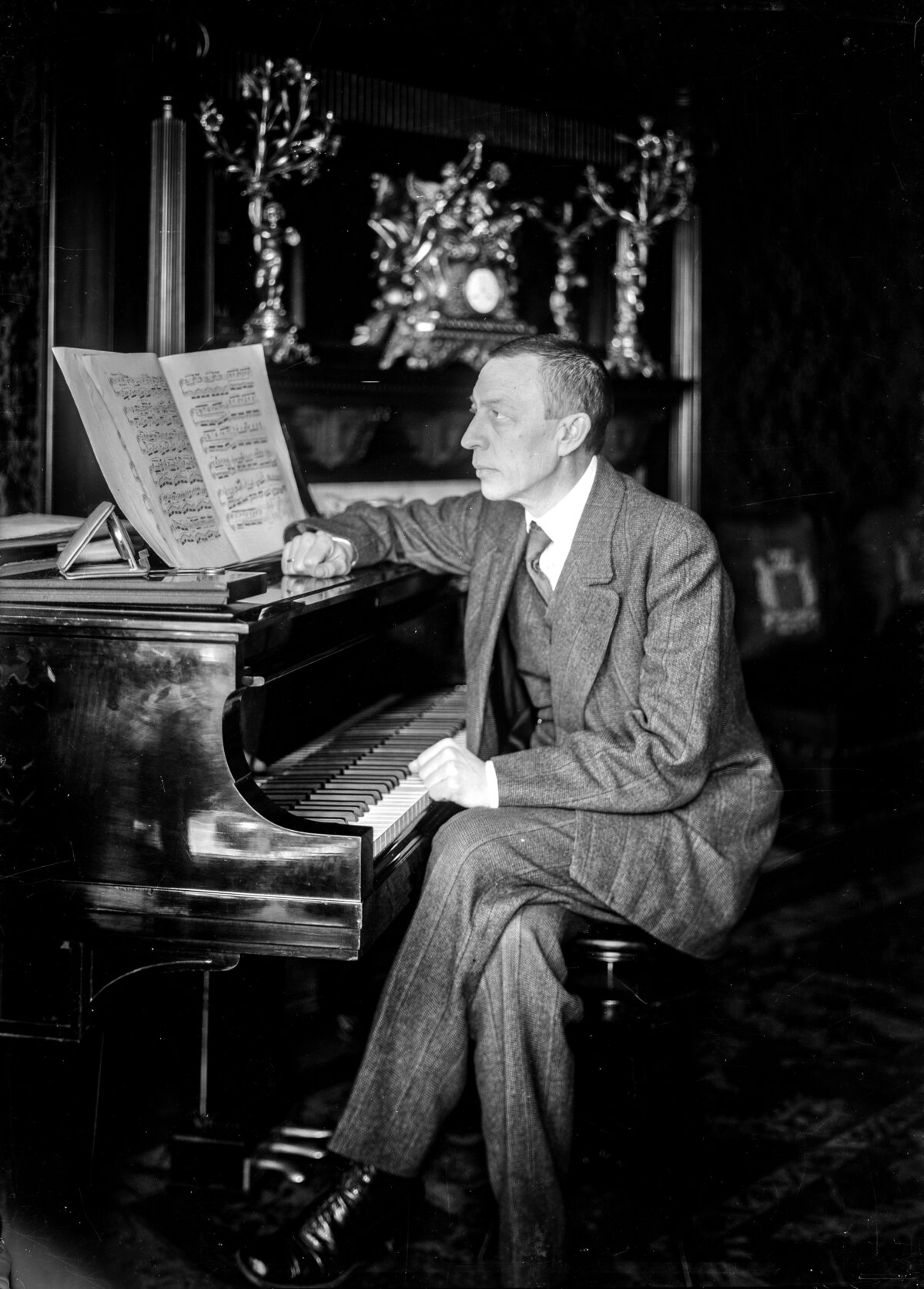
“Rachmaninoff himself had to grapple with stage fright—playing his own music made him nervous,” Knight pointed out.
For Beginner and Learned Students
Jeremiah Regan, the Hillsdale College executive director of online learning, shared that classical music is important because of the impact it can have on those who study it. “Classical music has the power to uplift our souls, connect us to the past, and express the depth and breadth of human experience in a language deeper than words,” he said in an official press release. He also shared that the course will inspire those who are new to classical music as well as serious students of it.
Beethoven is one of Knight’s biggest influences, but he believes each composer offers something different for students, giving them an in-depth understanding of classical music’s history by the conclusion of the latest course. “Each artist has something equally compelling to say in his or her own way. It’s impossible not to venerate Bach and Mozart, both as titanic composers as well as wonderful human beings.”
For the dedicated classical musician, teaching these courses gives him the opportunity to connect with listeners and help keep the spirit of a historic musical tradition alive. “My goal, as always, is to ignite a passion to explore classical music,” he said.
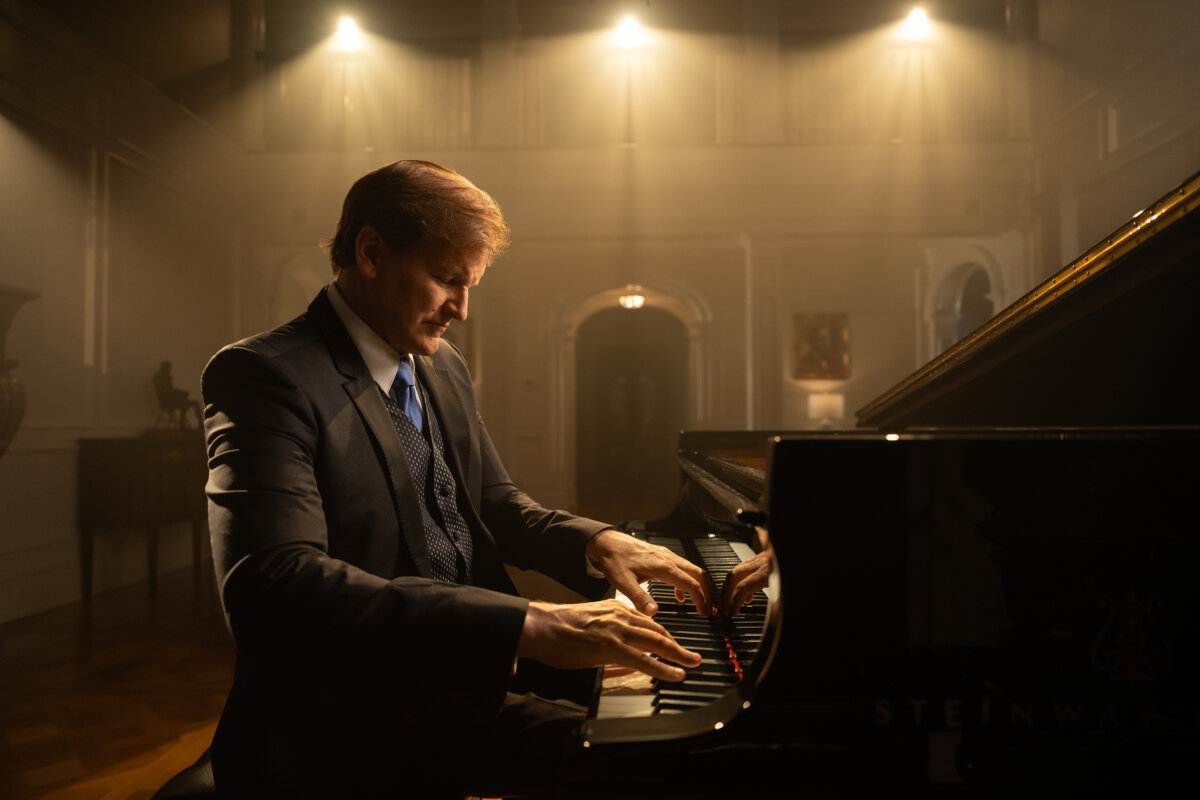
But most importantly, he hopes course-takers can connect with the classical tradition’s genres and stylings so that they can appreciate “what a profoundly majestic achievement all this immortal music is.”
“The History of Classical Music: Chopin through Gershwin” is a complimentary course open to the public and available now. To learn more visit Hillsdale.edu.
What arts and culture topics would you like us to cover? Please email ideas or feedback to features@epochtimes.nyc
