George Eastman (1854–1932) stands as one of the most consequential figures in the history of photography—not because he invented the medium, but because he changed who it belonged to.
Through technical innovation, shrewd business strategy, and a stubborn belief in simplicity, he helped move photography from a demanding scientific craft into a shared social habit. In doing so, he reshaped how modern life is documented and remembered, building Eastman Kodak Company into one of the most influential companies of the industrial age.
A Problem of Access, Not Art
Born July 12, 1854, in Waterville, New York, Eastman grew up in modest circumstances. His father, George Washington Eastman, died in 1862, forcing him to leave school early and help support the family. He found steady work as a bank clerk in Rochester, New York—a job that sharpened his methodical habits but offered little outlet for invention.
Photography entered his life in the late 1870s, when he bought equipment for a planned vacation. What he encountered—glass plates, bulky cameras, portable darkrooms, and finicky chemistry—was so cumbersome that it pointed to a different problem. Photography’s greatest obstacle was not artistic skill; it was access.
By then, photography had already evolved through several distinct phases. Since the unveiling of the daguerreotype and calotype in 1839, the medium had advanced in fits and starts. The wet-plate collodion process of the 1850s produced sharper images but required photographers to coat, expose, and develop plates while still wet, often on location. It was exacting work—expensive, technical, and largely confined to professionals. Eastman, working at first with limited support, began to focus less on image quality than on ease of use—a quiet shift that would alter the medium’s future.
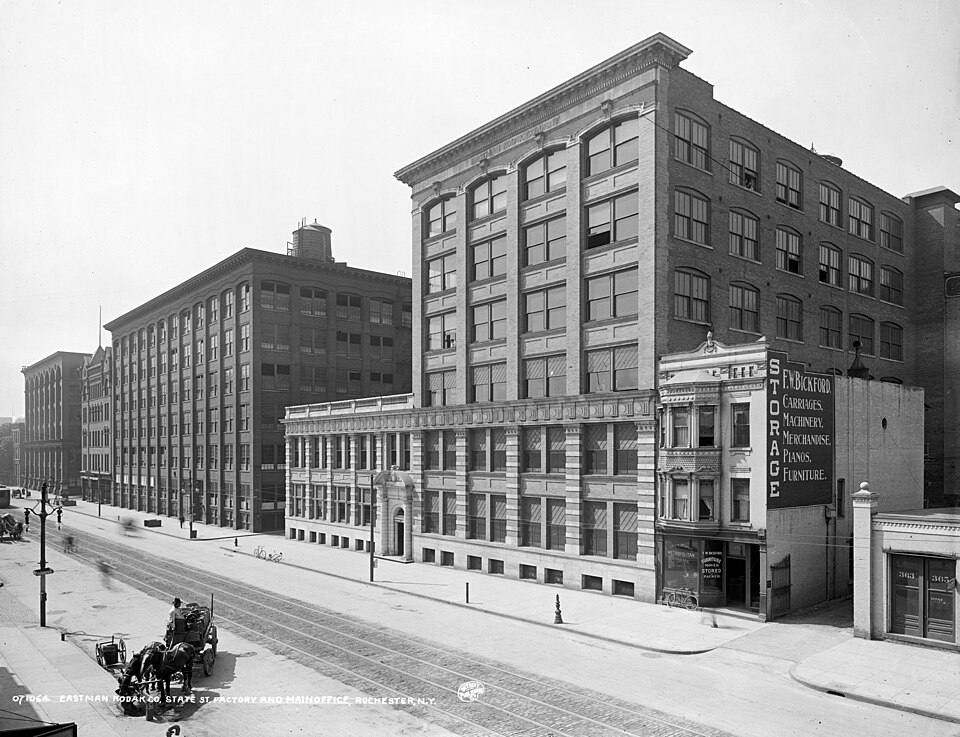
His first major success came in 1880 with a machine for coating dry photographic plates. Unlike wet plates, these could be prepared in advance, stored, and used when needed. In 1881, he incorporated the Eastman Dry Plate Co. in Rochester, laying the groundwork for what would become the Eastman Kodak Company.
‘You Press the Button’
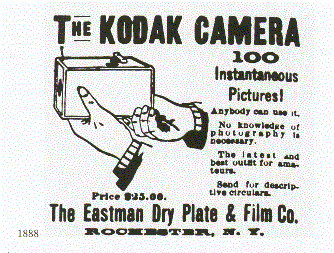
The real breakthrough followed quickly. In 1883, Eastman announced roll film, initially backed with paper, replacing fragile glass plates and making smaller, more practical cameras possible, and subsequently received a patent for it. In 1888, Kodak released its first camera, preloaded with enough film for 100 exposures and marketed with the now-famous slogan, “You press the button, we do the rest.” Customers mailed the camera back for developing, printing, and reloading. With that, nearly every technical barrier fell away.
The effect was immediate. Photography slipped its tripod and chemistry kit and went out into the world—portable, affordable, and within reach of people who had never considered using a camera. In 1889, Kodak introduced transparent flexible film, a development essential not only to still photography but to the emerging motion-picture industry. Early pioneers, including Thomas Edison and his collaborators, relied on such film stock, extending Eastman’s influence into cinema. Photography, once slow and deliberate, began to move—into narrative, into motion, and into mass circulation, perhaps the most far-reaching consequence of his work.
A Camera for Everyone
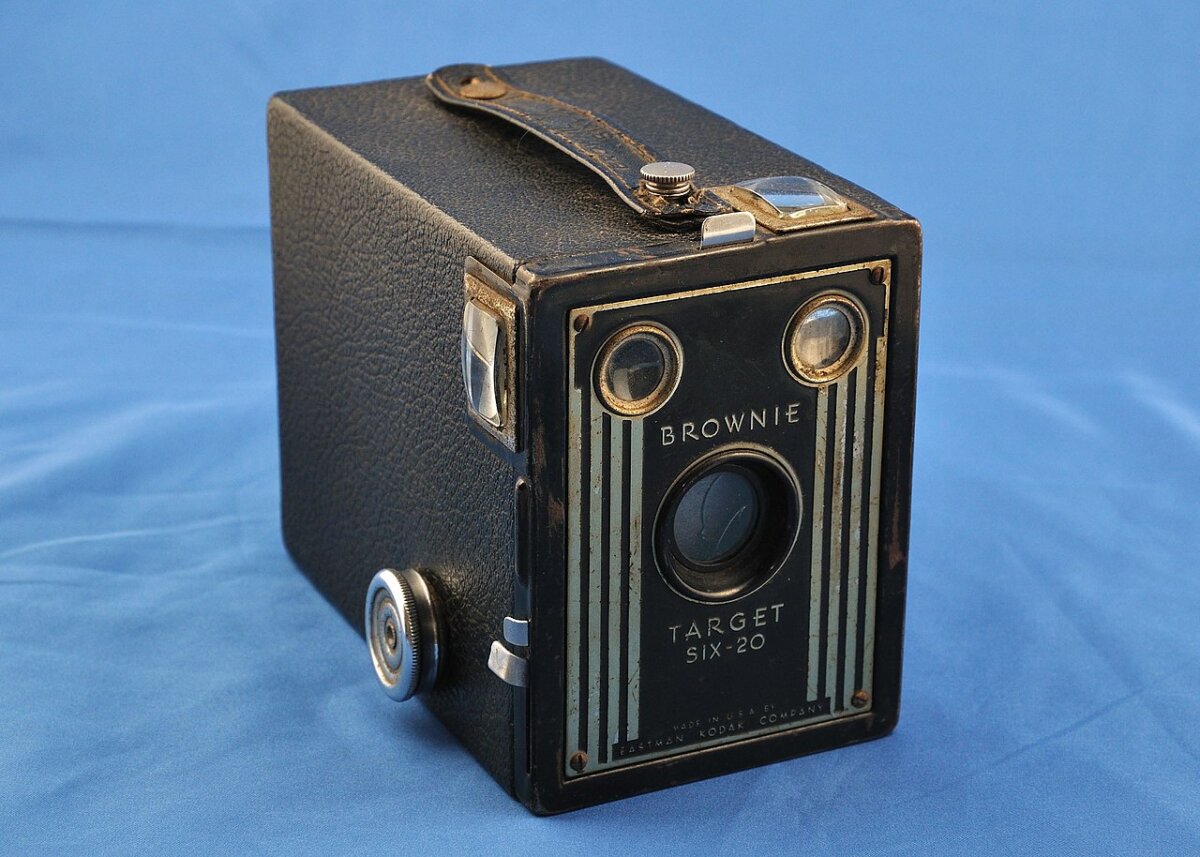
Under Eastman’s leadership, Kodak expanded aggressively in the early 20th century. The introduction of the Brownie camera in 1900—priced at $1—helped fix photography as a mass activity, especially among families and children. Over time, Kodak refined film quality, camera design, and processing systems, dominating the global photographic market. Eastman remained closely involved, insisting on research, vertical integration, and—perhaps most importantly—consumer trust.
He was also ahead of his time in his treatment of workers. Eastman introduced employee benefits that were rare for the era, including pensions, disability coverage, and profit-sharing. A successful company, he believed, owed its workforce more than wages; it owed stability.
Wealth With a Purpose
His philanthropy became one of his most enduring legacies. Over his lifetime, he donated more than $100 million—much of it quietly. He was a major benefactor of the University of Rochester, helping elevate it into a leading research institution, and a crucial supporter of the Massachusetts Institute of Technology, whose future he helped secure during uncertain years. He also funded dental clinics for children across the United States and Europe, reflecting a practical belief that preventive care could change lives.
In 1921, he established the Eastman School of Music in Rochester, which quickly became one of the world’s leading conservatories. His giving was direct and purposeful, aimed at education, science, and health rather than personal memorial. Eastman believed wealth carried an obligation: to widen opportunity. That belief was borne out in the institutions he helped sustain.
In his later years, the photography pioneer suffered from a painful degenerative spinal condition that restricted his mobility. In 1932, at 77, he took his own life.
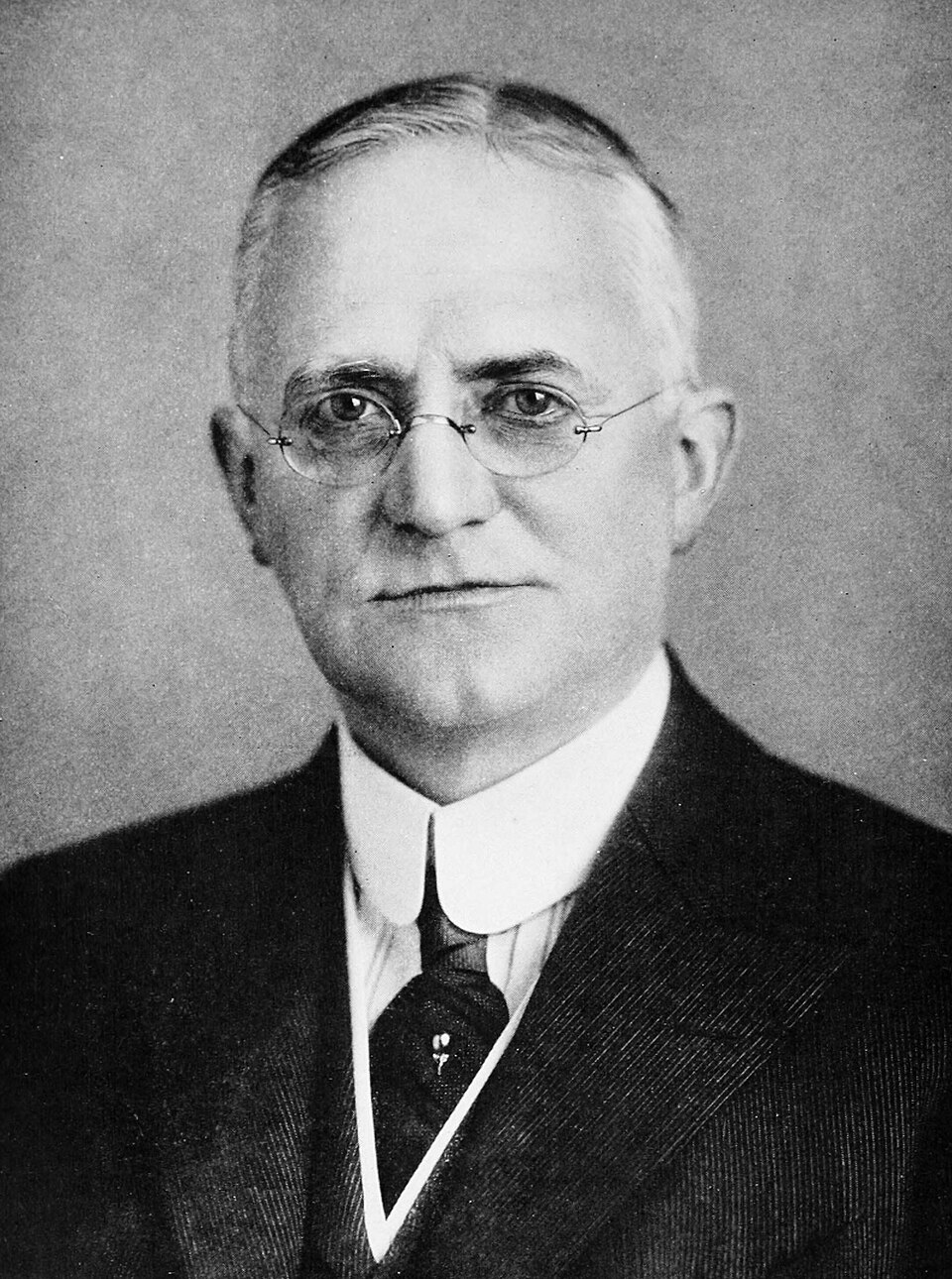
George Eastman did not invent photography, but he permanently altered its course. By simplifying its tools, reorganizing its economics, and placing it in the hands of ordinary people, he helped make photography a common language of modern life. Long after cameras changed shape and film gave way to pixels, his central idea endured: Memory should not belong to the few. It should belong to everyone.
What arts and culture topics would you like us to cover? Please email ideas or feedback to features@epochtimes.nyc