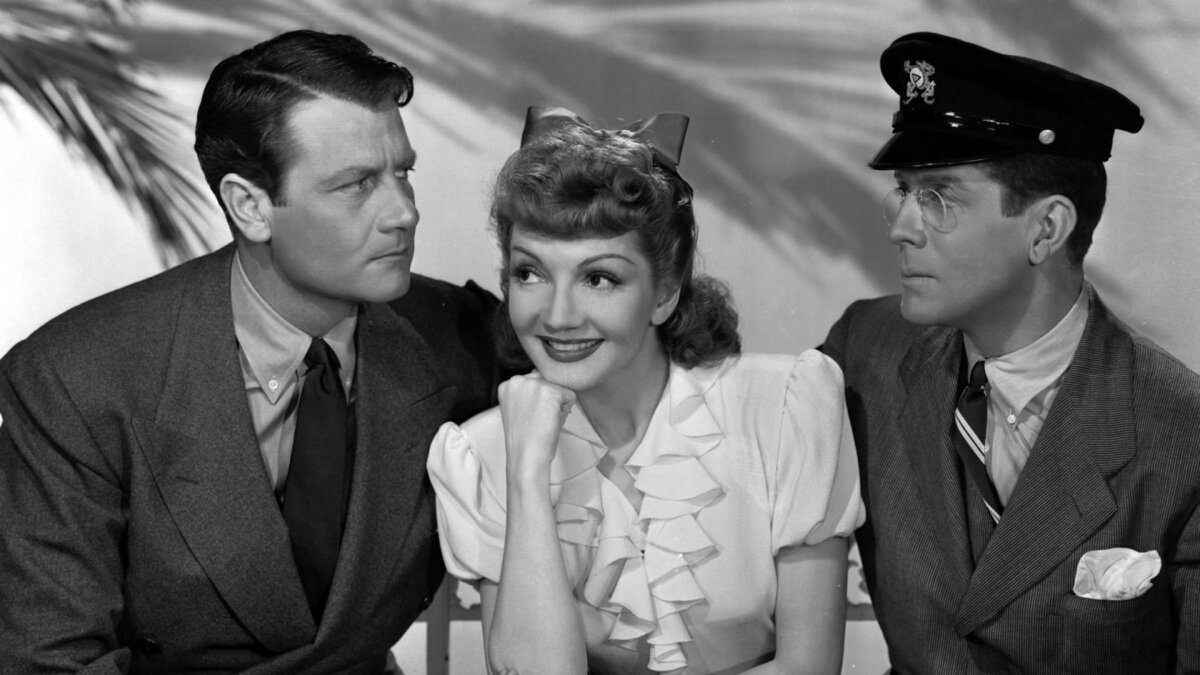
NR | 1h 28m | Comedy, Romance | 1942
By 1942,writer-director Preston Sturges had already carved out a rare position within the studio system. He was able to carry his own material from the page to the set with a level of control uncommon for the time.
He built his reputation writing scripts driven by fast exchanges and carefully set reversals. He pushed further by directing them himself, still risky in an industry that usually kept those roles separate.
“The Palm Beach Story” lands right in the middle of that run, though it doesn’t settle comfortably within the usual Golden Age praise. On the surface, it moves like a typical studio comedy, polished and efficient. Yet something in its attitude slips past the guardrails that were meant to shape it.
By the 1940s, the Motion Picture Production Code was firmly in place, with the Production Code Administration (PCA) overseeing content, yet this film carries a tone that feels less tightly managed than other studio comedies of the time.
That tension traces back to a brief window in the early 1940s when enforcement loosened just enough to let certain ideas seep through. Joseph I. Breen, the usual Code-enforcer, stepped away from the PCA (Production Code Administration), leaving Geoffrey M. Shurlock in charge.
The shift shows up in how “The Palm Beach Story” bends expectations without announcing it outright. The changes show up in the way marriage gets handled, how people talk about what they want, and moments shaped by suggestion a bit more than restraint.
Sturges recognizes that opening and uses it without drawing attention to it. The film never lays out a thesis or argues a clear position. It simply circles around marriage, money, and attraction as forms of leverage. It lets the characters test those ideas in motion.
What comes out of that approach sits between careful studio construction and a kind of playful rule-bending; there’s the sense that the limits are understood and pushed as far as they will go.
Palm Beach Detour
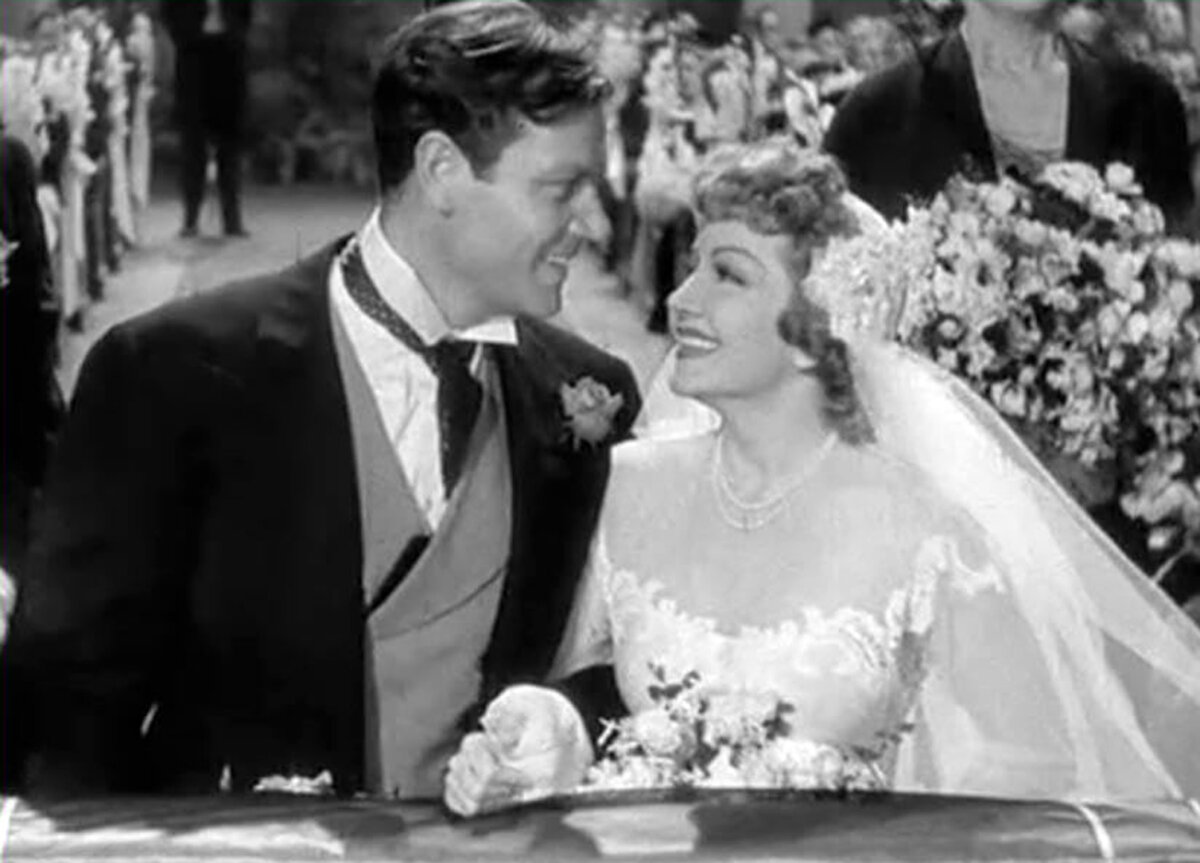
The film opens with a burst of confusion that looks like a wedding gone sideways, then it snaps forward in time to a Park Avenue apartment where things have already fallen apart. Gerry (Claudette Colbert) and Tom Jeffers (Joel McCrea) are married, broke, and running out of ways to keep up appearances. Tom chases an idea for a grand airport that no one wants to fund, while Gerry listens to the landlord closing in and decides the situation needs a different kind of solution.
Gerry lays out a plan that sounds reckless and oddly practical at the same time. She’ll take off to Palm Beach and use her charm, timing, and a bit of luck to attach herself to someone with money. Then, she’ll send that money back to Tom so he can finally get his project off the ground.
The trip doesn’t stay simple for long. Along the way, she falls in with a rowdy group of hunters. She then crosses paths with John D. Hackensacker III (Rudy Vallee), a wealthy man who takes an immediate interest in her.
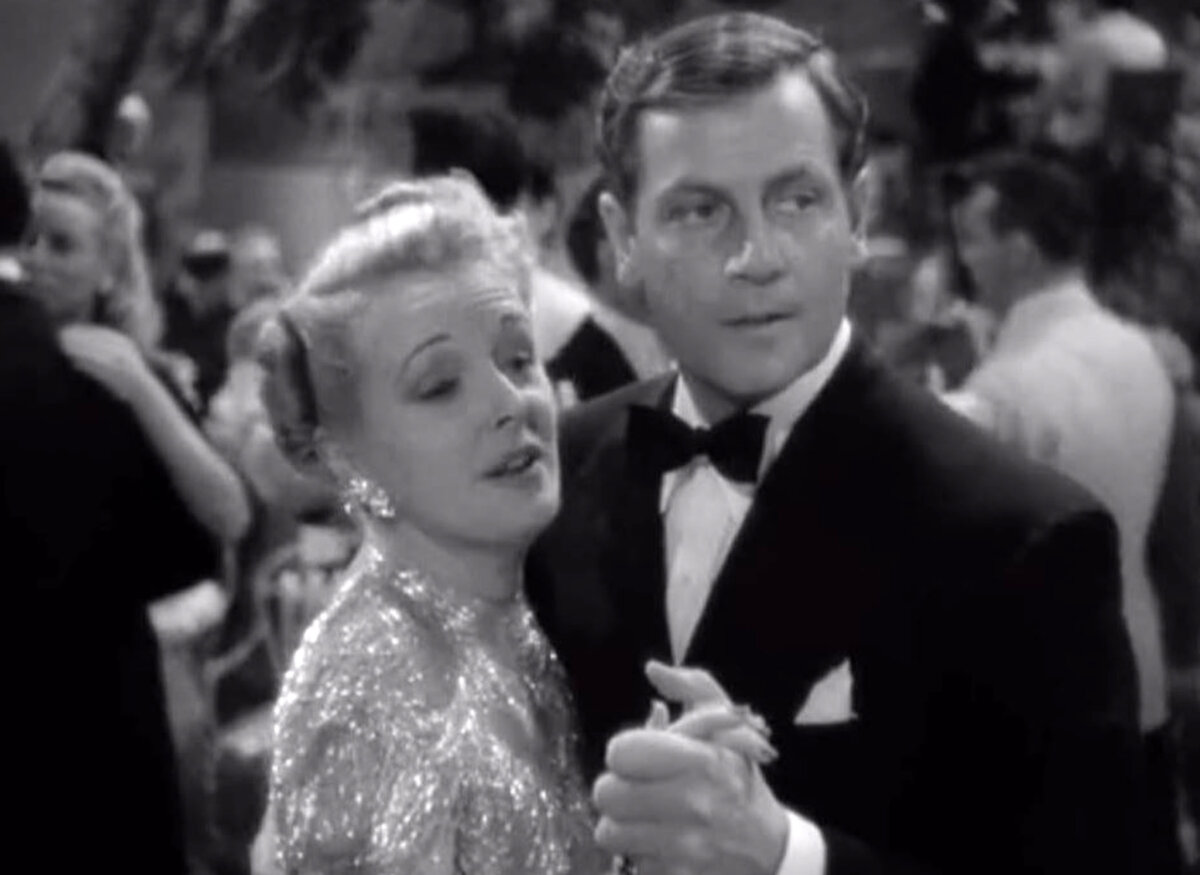
Tom follows, unable to let the situation play out from a distance. Once in Palm Beach, identities start to shift, and introductions adjust on the fly. Princess Maud Centimillia (Mary Astor), Hackensacker’s eccentric sister, enters the picture with her own restless habits. The circle tightens around Gerry’s plan in ways she cannot fully control.
Fast Talk and Faster Trouble
Sturges shoots the film with a forward push that rarely lets a scene sit still. People enter and exit at the wrong moment, and conversations cross over each other as if no one wants to wait his (or her) turn.
He keeps the setups simple and gives the actors room to move, then he lets the rhythm come from how they collide. The result keeps things bouncy even when situations stack up in ways that border on the absurd.
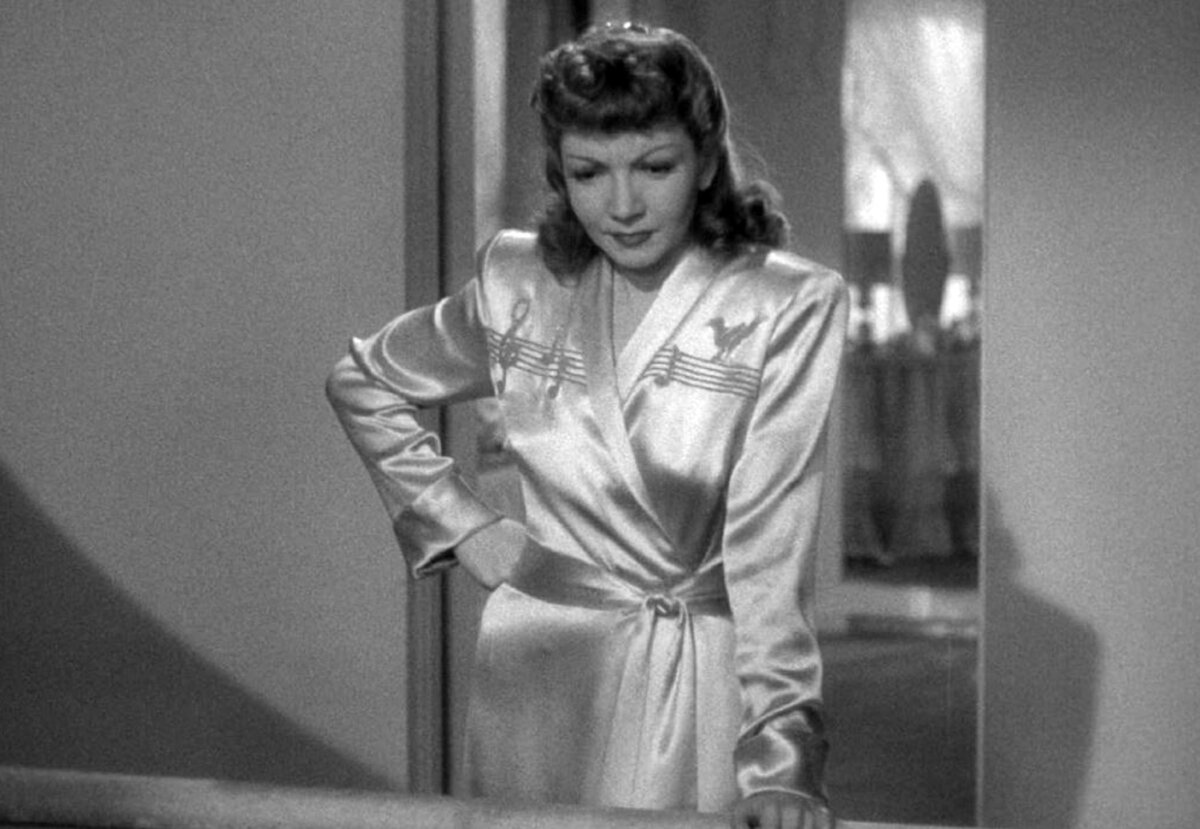
The performances of the film’s main players complement Sturges’s style of direction. Colbert carries the picture with a mixture of poise and mischief that somehow holds everything together. She never plays her character as foolish. There’s a confidence in how she navigates each new situation; she adjusts her tone depending on whoever’s in front of her, whether she’s charming a stranger or sidestepping a complication she didn’t see coming.
McCrea gives her a steady counterpoint as a man who seems slightly out of place once the story shifts into wealth and excess. Vallee brings a polite eccentricity that gives the film some of its funniest stretches. He treats wealth as something effortless, as if he never had to think about it.
Sturges surrounds them with supporting characters who come in loud, stay just long enough to leave an impression, and then vanish before the jokes wear thin. The humor moves between quick dialogue and outright silliness, sometimes within the same scenes.
There are moments where the film feels like it’s testing how far it can go before the whole thing slips out of control, and not every comedic bit entirely works.
Still, that willingness to push into the ridiculous gives “The Palm Beach Story” its identity. It moves quickly and throws out ideas without overthinking them. Sturges trusts the performers to carry the tone from one scene to the next, even when the story takes a turn that might leave you blinking for a second before the next line arrives.
“The Palm Beach Story” is available on YouTube, Apple TV, and Amazon.
‘The Palm Beach Story’
Directors: Preston Sturges
Starring: Claudette Colbert, Joel McCrea, Mary Astor, Rudy Vallee
Not Rated
Running time: 1 hour, 28 minutes
Release Date: Jan. 1, 1943 (United States)
Rated: 3 1/2 stars out of 5
What arts and culture topics would you like us to cover? Please email ideas or feedback to features@epochtimes.nyc