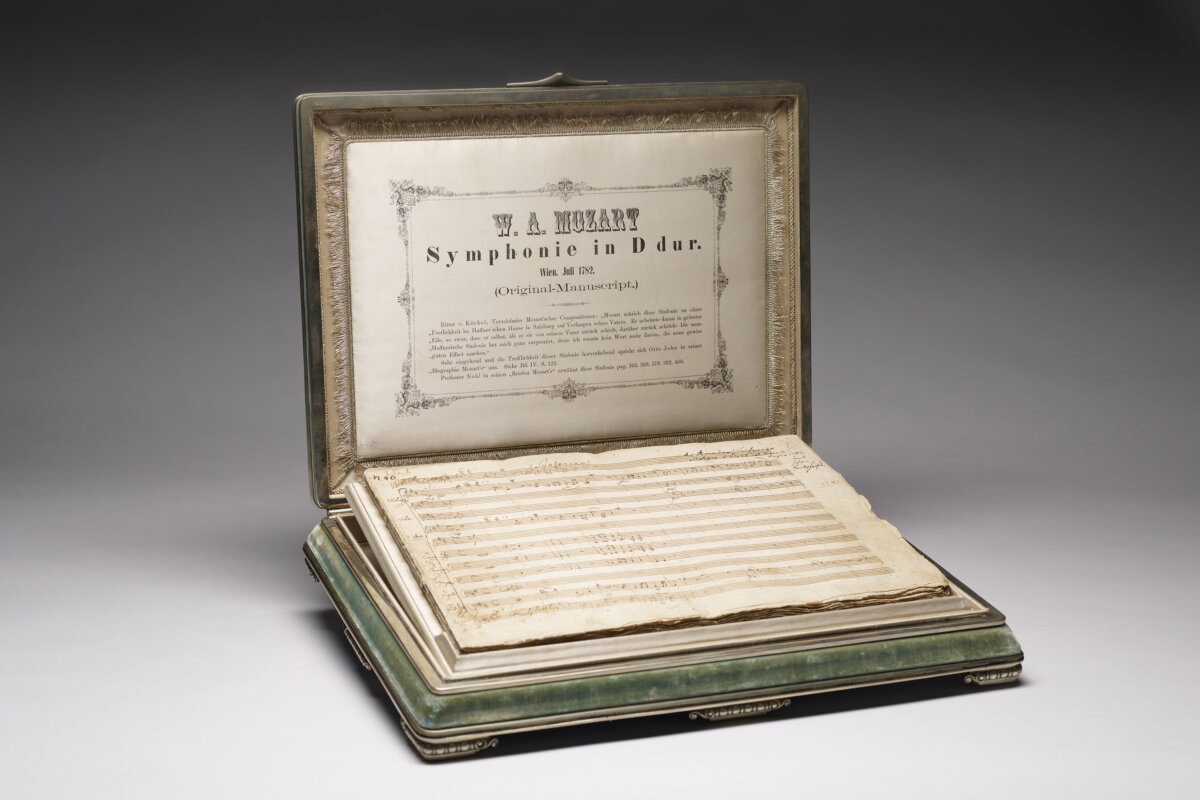
NEW YORK CITY—The curtain has gone up on the exhibition “Wolfgang Amadeus Mozart: Treasures From the Mozarteum Foundation of Salzburg” at the Morgan Library & Museum. Curators have orchestrated a special exhibition that brings objects from the collection of the Austria’s Mozarteum Foundation of Salzburg to America for the first time.
Accompanying these rare loans of portraits, personal objects, and instruments are highlights from the Morgan’s own extensive collections of autographed music manuscripts, letters, and first editions. This institutional collaboration affords visitors a comprehensive examination of Mozart’s family life, extraordinary musical genius, and enduring legacy.
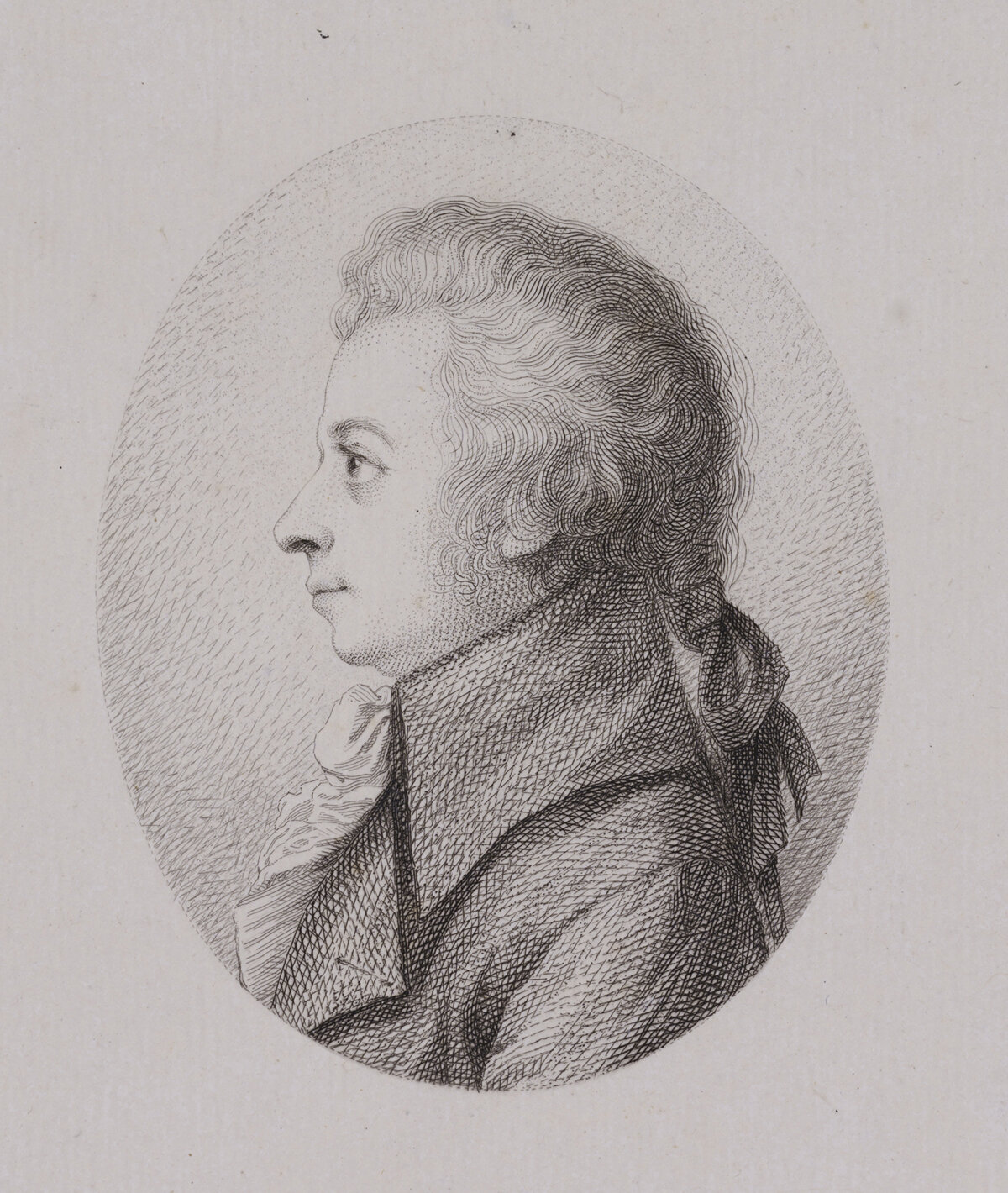
Mozart’s Formative Years
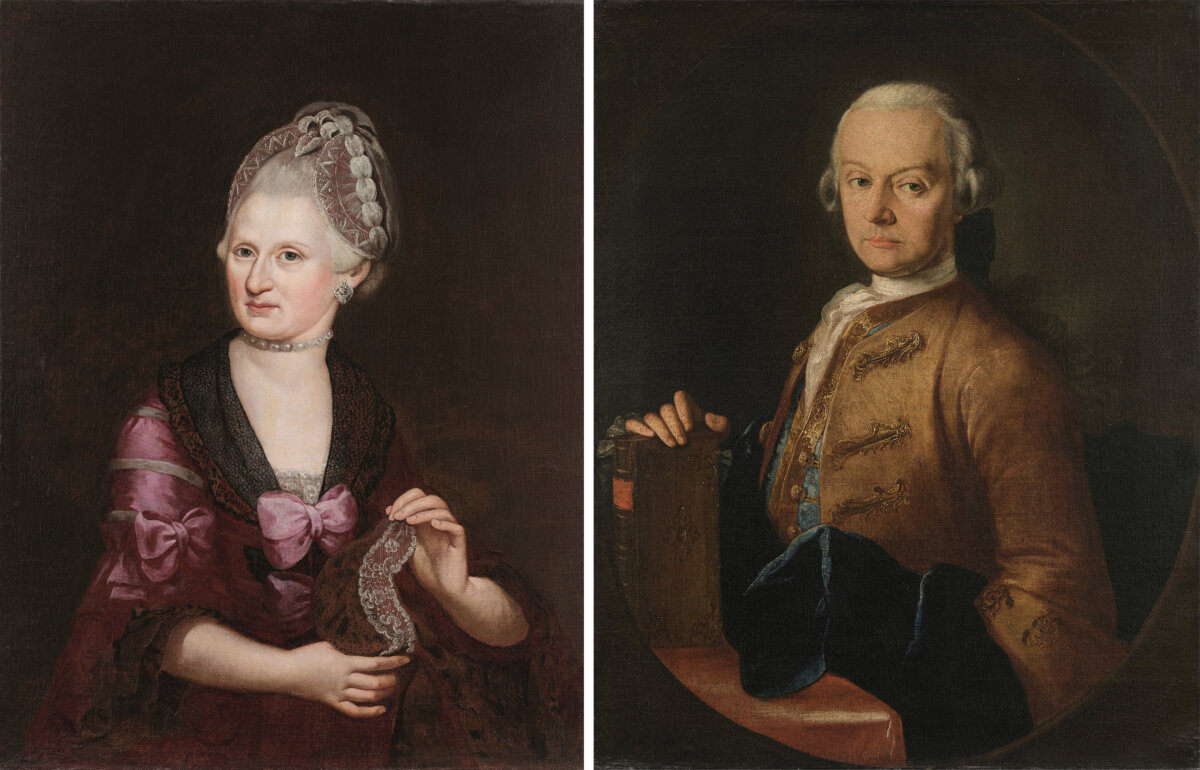
Johannes Chrysostomus Wolfgangus Theophilus Mozart (1756–1791) was born in Salzburg to Leopold (1719–1787) and Anna Maria Mozart (1720–1778) in a building that is now a museum dedicated to him run by the Mozarteum. Leopold was a respected violin teacher and the deputy kapellmeister at the court of the Prince-Archbishop of Salzburg. He instructed his son as well as his daughter Maria Anna (1751–1829), called Nannerl by family, in music.
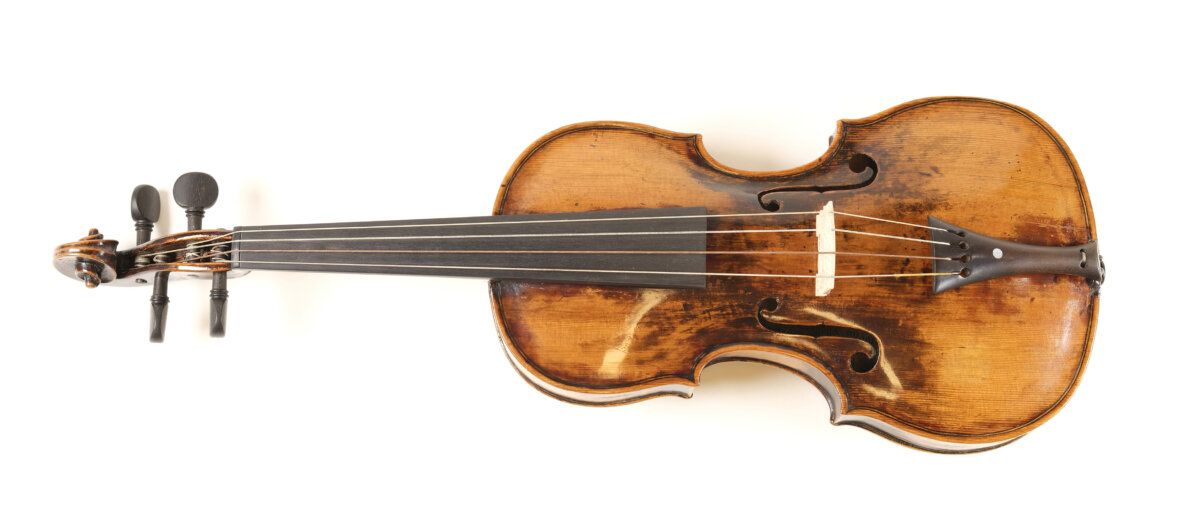
Upon entering the first of two gallery rooms, the visitor is greeted by Wolfgang’s childhood violin, given to him by his father when he was either six or seven years old. Now in the collection of the Mozarteum, it was made in Salzburg by the courtly violin maker Andreas Ferdinand Mayr. The Morgan notes: “Small violins, roughly equivalent to today’s 1/4-, 1/2-, or 3/4-sized violins, were rare in the seventeenth and eighteenth centuries.”
Leopold, recognizing his children’s prodigal talents (Nannerl was herself a gifted pianist), took them on international tours to display their abilities. Wolfgang performed throughout the Holy Roman Empire, England, France, Germany, the Netherlands, and Italy for royals, aristocrats, music connoisseurs, and the general public.
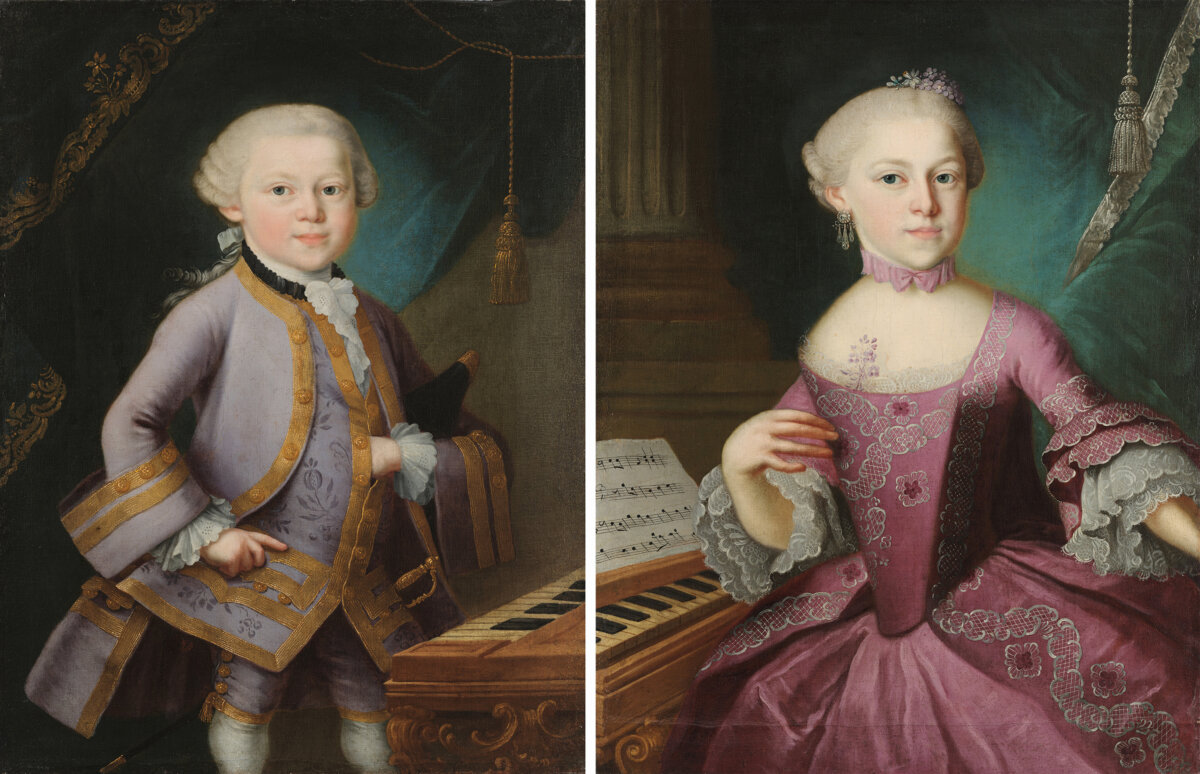
Young Wolfgang’s exceptionalism as both a performer and composer was soon recognized. It is startling to see Mozart’s earliest known pieces—composed at the age of 5! The manuscripts from the Morgan’s holdings were notated in Leopold’s handwriting as Wolfgang was too young to write it himself. As a teenager, he composed 30 symphonies. Astonishingly, some of these early career works remain beloved foundational parts of his canon, as compelling as his later pieces.
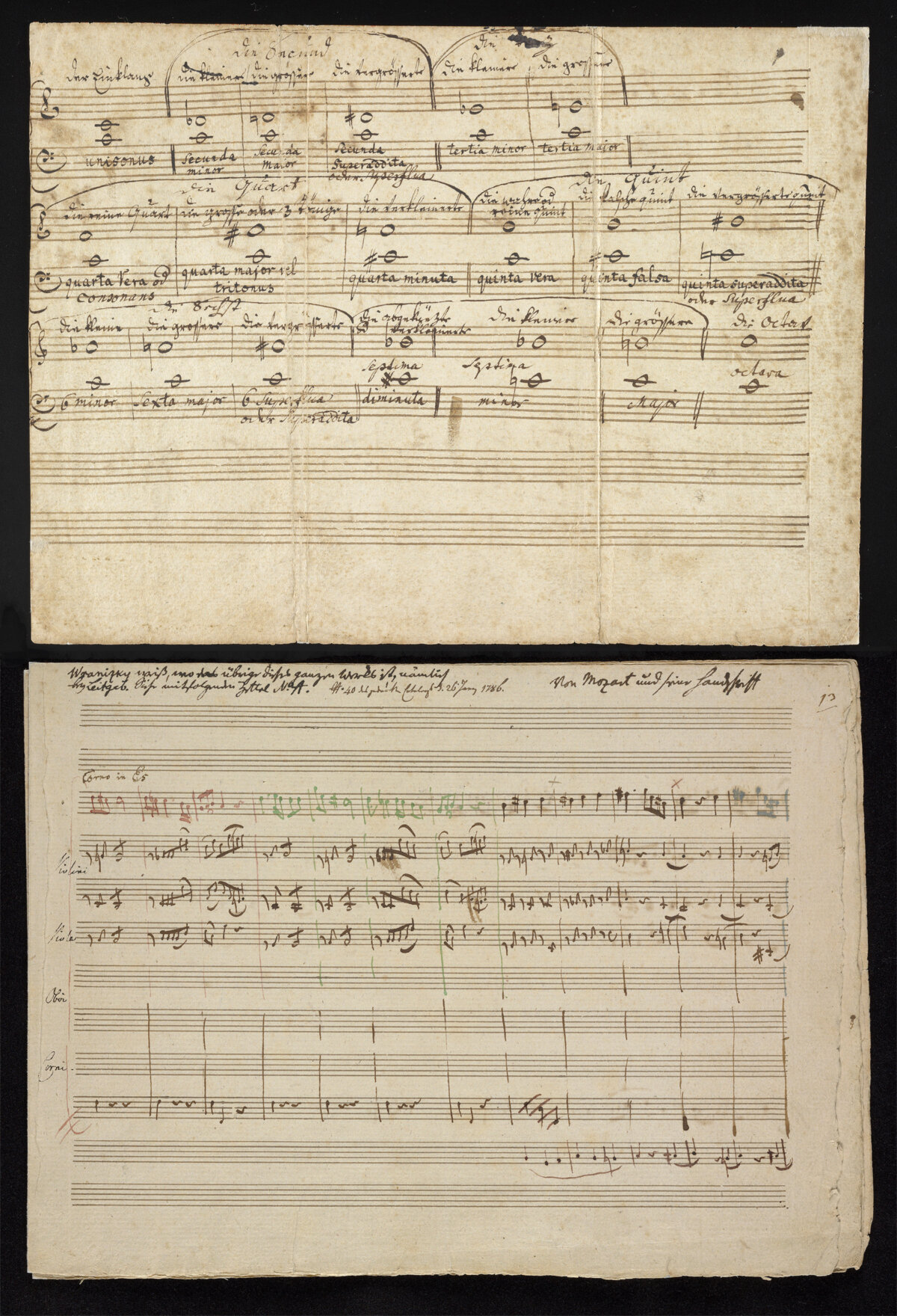
Nannerl was also a composer, but only one of her short piano pieces has survived, and it is in fragments. A thrilling recent discovery at the Morgan revealed that they owned the final measure. The composition appears in the exhibition in its entirety for the first time.
Mozart’s Vienna Chronicles
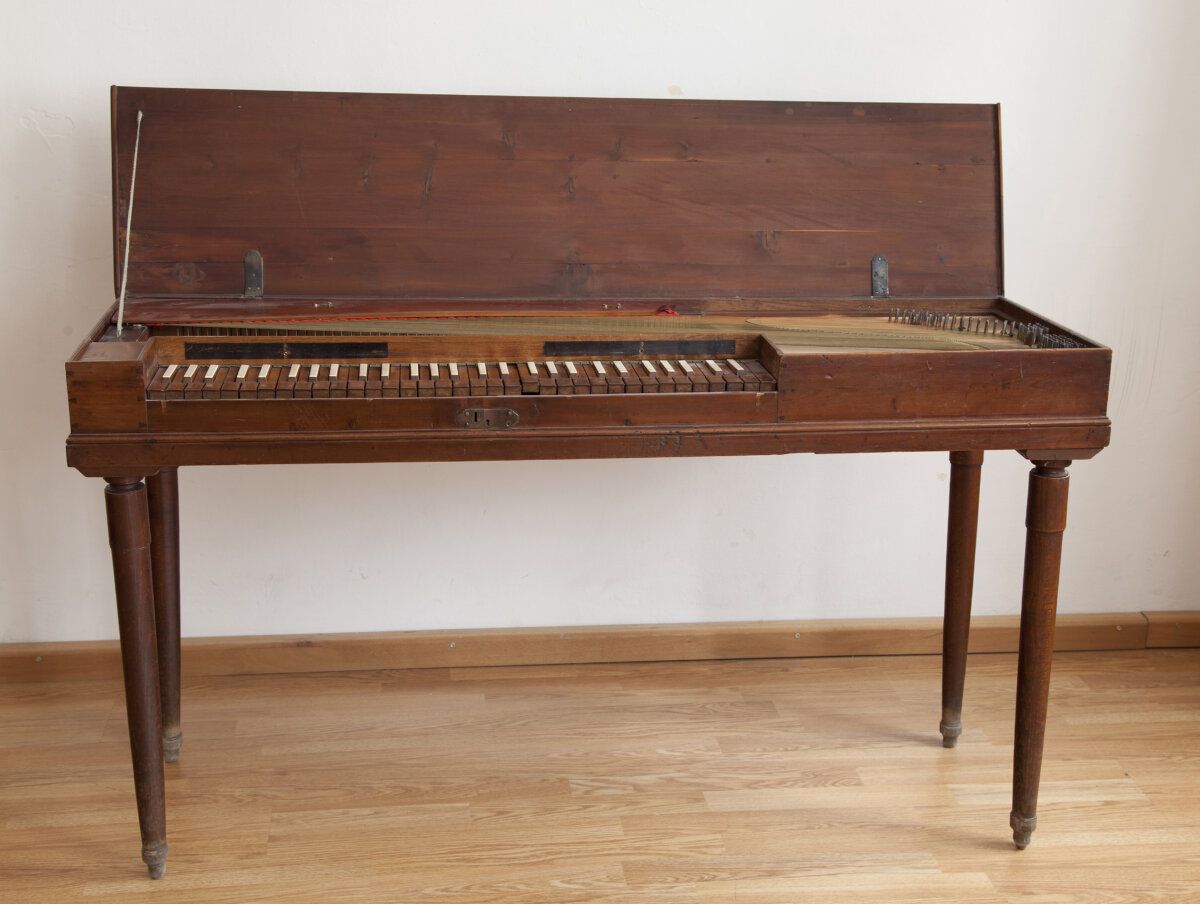
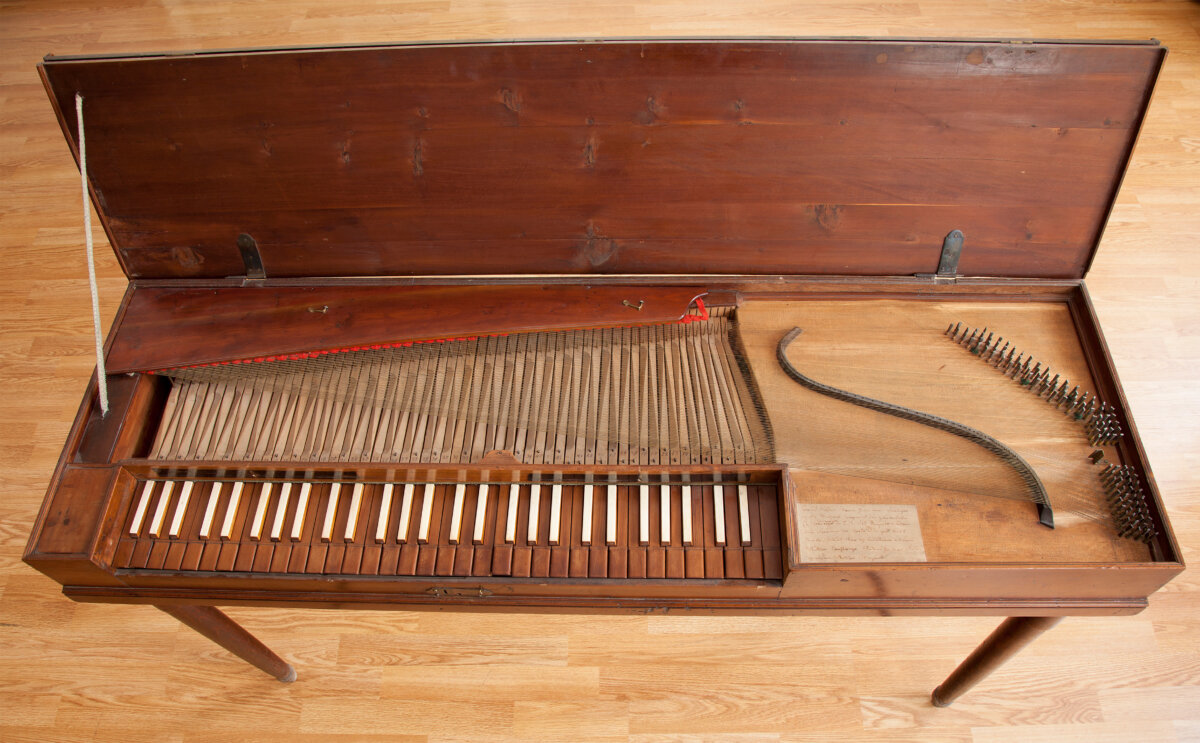
Mozart was the rare child star who transitioned successfully into an adult artist. The second gallery focuses on his mature period, when he lived in Vienna with his wife, Constanze (1762–1842), and their sons. The centerpiece of the gallery is his own portable clavichord lent by the Mozarteum, which received it as a bequest from Mozart’s younger son, Franz Xaver (1791–1844).
Mozart used the instrument when composing at home, working often late into the night. The exhibit explains that “its soft, delicate sound was ideal.” According to Mozart’s widow, he composed famous works such as “The Magic Flute” and the Requiem on the instrument. Evocative black splotches on the top of the clavichord are believed to be ink stains from Mozart.
For many, knowledge of Mozart’s biography comes from the Academy Award-winning 1984 film “Amadeus.” This exhibition dispels and elucidates its myths, such as Mozart’s supposed heated and even deadly rivalry with Antonio Salieri (1750–1825). In fact, Constanze had Franz Xaver study with Salieri after Mozart’s death. Another clarification is of the film’s depiction of Mozart’s childish personality; his style of humor was common in the period.
Constanze, her second husband, her elder son Carl Thomas (1784–1858), Franz Xaver, and Nannerl were instrumental in preserving Mozart’s legacy after his untimely death at age 35.
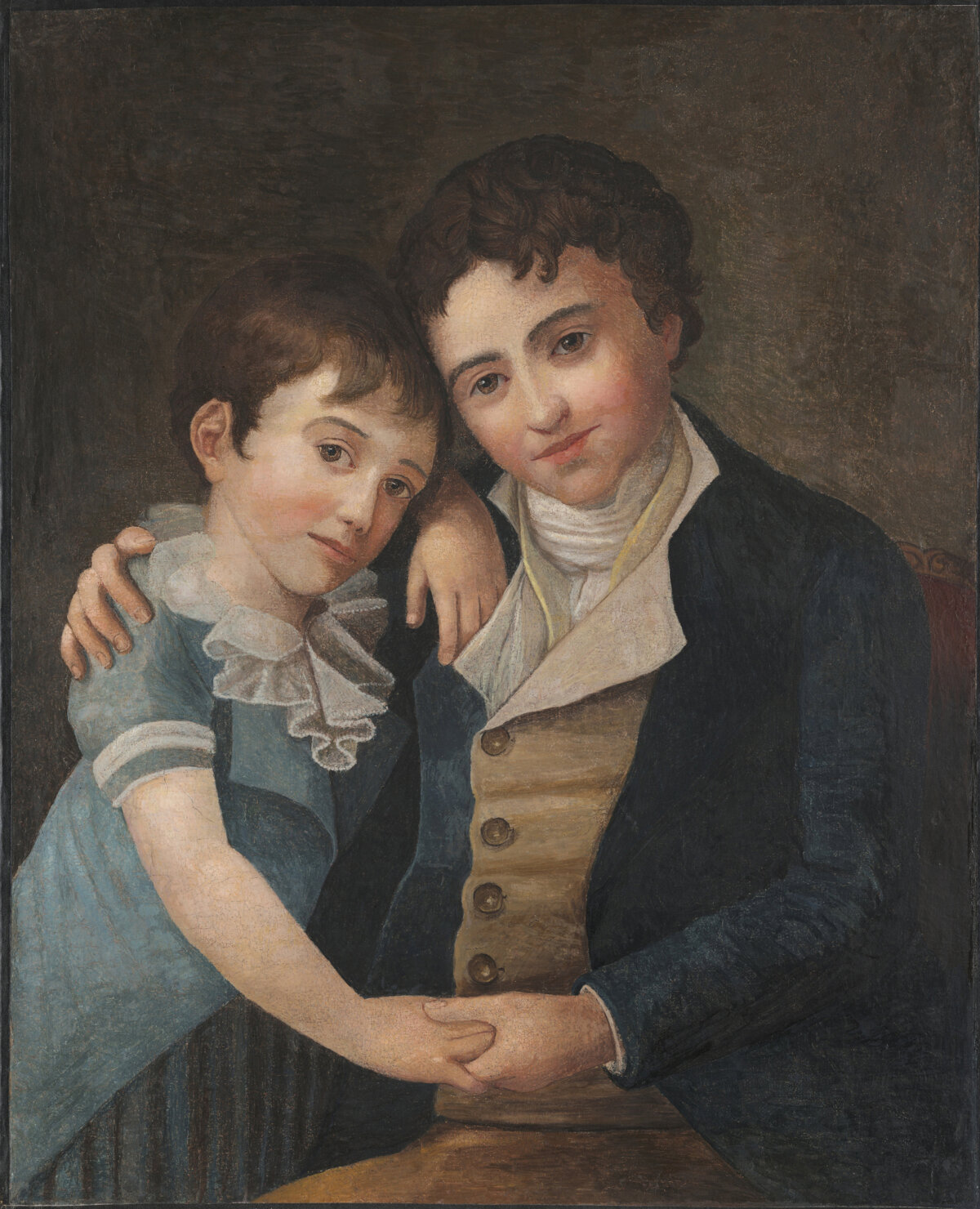
The exhibition chronicles their endeavors and the later founding of the Mozarteum. Additional highlights in the show exemplify Mozart’s mastery of the symphony, piano concerto, and opera. Included are excerpts from operas such as “The Marriage of Figaro,” his Symphony No. 25 in G Minor, which was the opening theme to “Amadeus,” and the autographed manuscript of the Piano Concerto in C, K. 467, one of the composer’s most well-known and loved works.
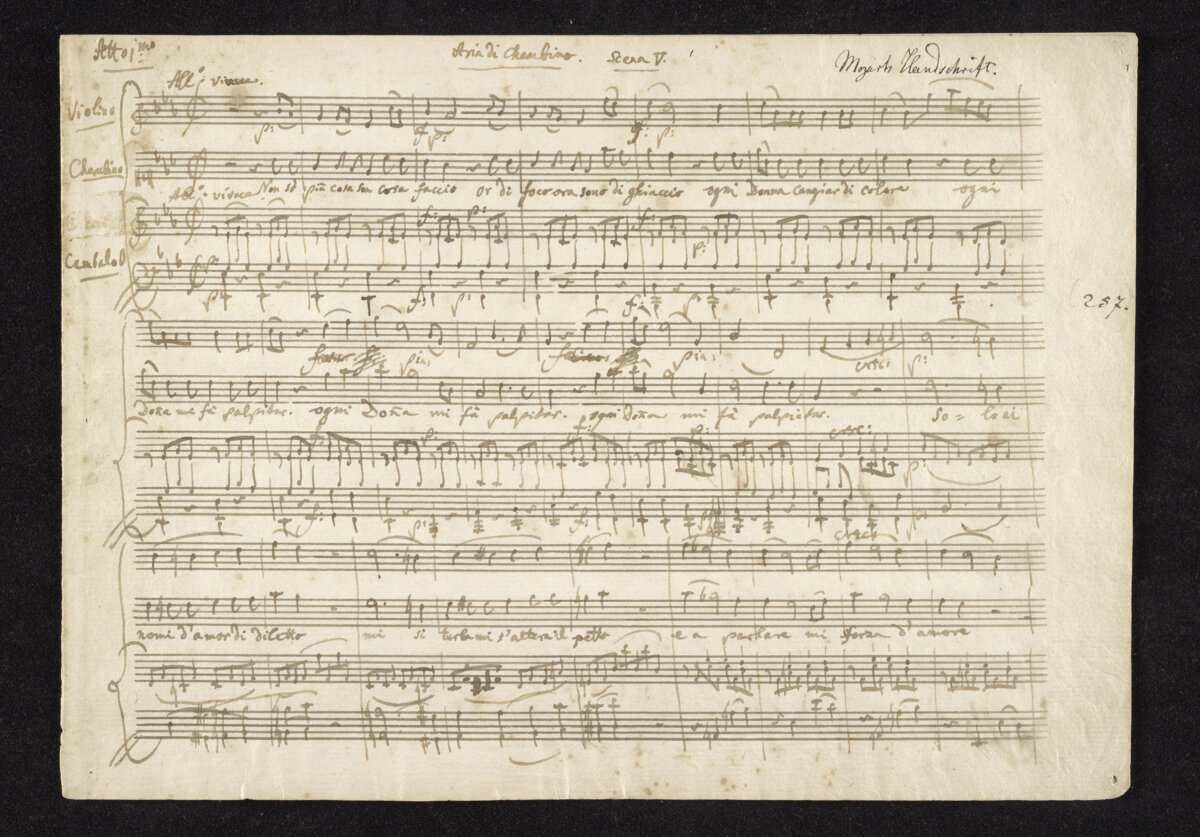
It is a pleasure to explore this exhibition’s insights into Mozart’s creative process, professional experiences, and personal life as his music wafts through the galleries. The curators set the stage for how in the 19th century, during the Romanic era, Mozart was presented as the foundation for the emerging idea of “classical music.” This was partly due to the influence of Ludwig van Beethoven (1770–1827), who at 17 traveled to Vienna to study under Mozart. Sadly, Beethoven was unable to start this endeavor as his mother became ill, but this genius of the next generation of music may have met and played piano for Mozart while visiting the city.
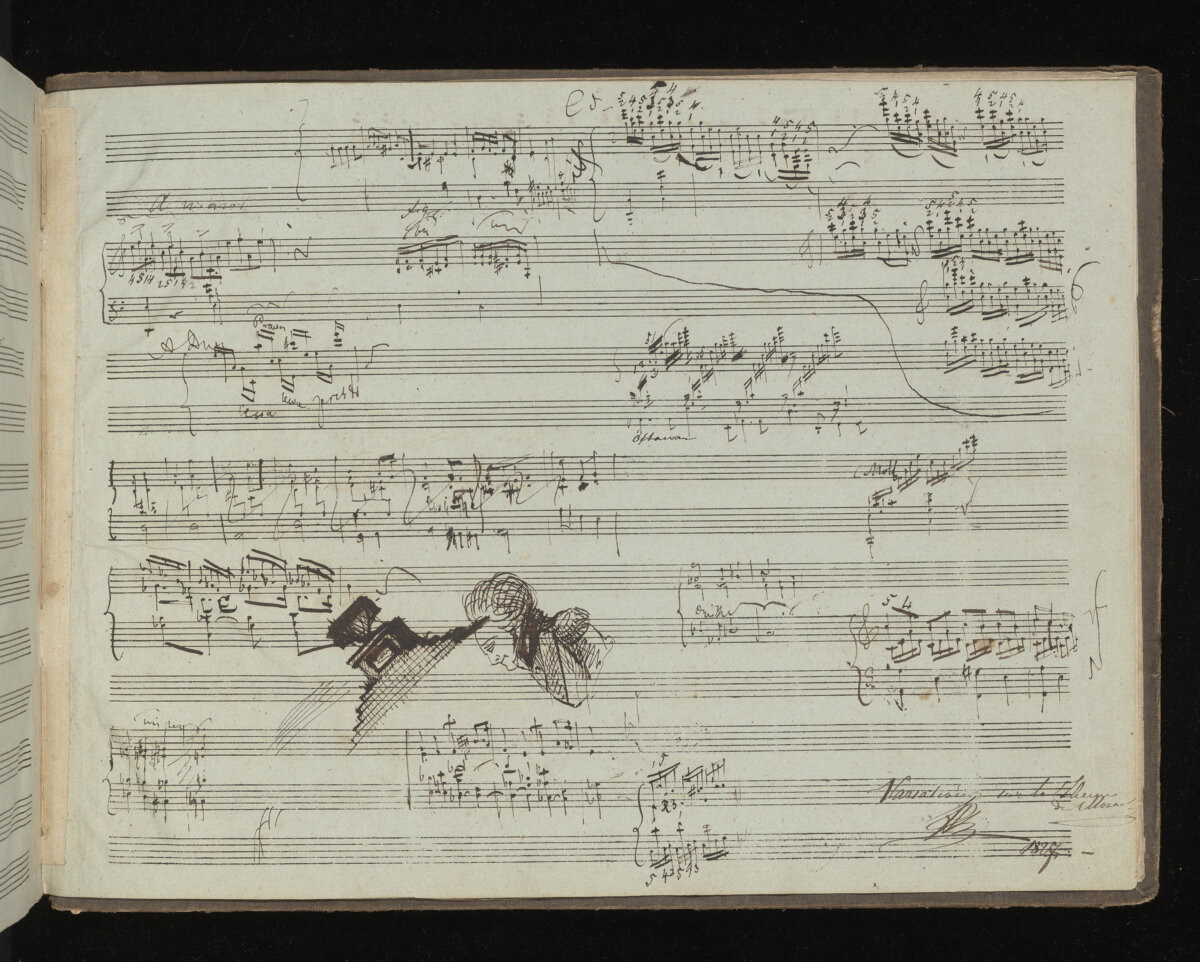
Other 19th-century composers inspired to create works modeled on Mozart’s music include Liszt, Bizet, and Tchaikovsky. An autographed variation of Mozart’s “Don Giovanni” by a teenage Frédéric Chopin (1810–1849) are on display. The Morgan underscores, “Mozart’s music has been performed continually since his lifetime, making him one of the first composers with such unbroken appeal.” This exhibition keeps tempo with the successes and difficulties of Mozart’s life and is a fitting tribute to this quintessential figure in music history.
“Wolfgang Amadeus Mozart: Treasures from the Mozarteum Foundation of Salzburg” exhibition at the Morgan Library & Museum in New York City will run through May 31, 2026. To learn more, visit theMorgan.org.