



The first buds of spring are good for the heart and the home. They also mean that it’s time to conduct a very thorough inspection to see how winter temperatures, snow, wind, and heavy rain have taken their toll on the house.
Get out the ladder and look for any damaged or missing shingles, a damaged drip edge along the roofline, loose or missing flashing, cracks in the seals around roof penetrations (such as vents and chimneys), exposed or missing fasteners, or gutters filled with roof granules, which is a sign of significant shingle wear or storm damage.
Call in a professional if repairs are beyond your skillset. Be honest. After all, the roof of the home protects everything below.
While on the Ladder
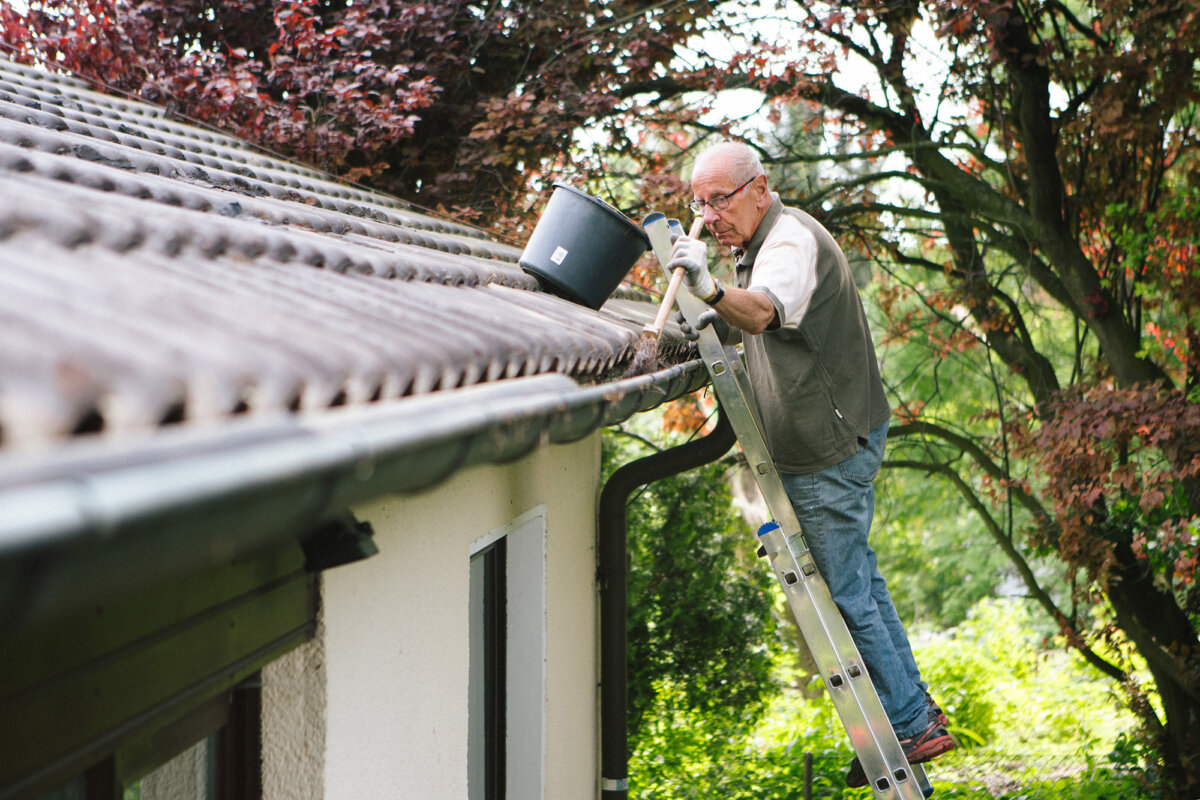
Clean the gutters and downspouts of any leaves or debris. Wear safety gloves and eye protection, and use a plastic trowel or scoop that won’t scratch the gutters. When done, flush them with hose water to make sure that the water drains freely. Look for sags, cracks, holes, and loose joints. Repair or replace damaged sections as needed to prevent further damage to the gutters and the areas below.
Inspect around the house to confirm that water is draining away from the home properly. Pooling water or signs of erosion around the foundation are drainage issues that need to be addressed immediately by extending the downspout pipe at least three to four feet from the house or sloping the ground away from the foundation.
If the home has a fireplace, inspect the chimney’s exterior for cracks and reseal them if required. Make a note to book a professional to inspect the interior for winter buildup.
While you have the ladder out, trim any tree branches that are getting close to the house or dropping leaves in the gutters.
Walls, Windows, and More
If it’s a two-story house, don’t store the ladder just yet.
Inspect the home’s exterior (siding, brick, stucco) for cracks, holes, and other damage. Check windows and doors for cracked or lifted caulk and damaged weatherstripping. Clean the leaves and other debris from ground-level (basement) window wells.
Look over the foundation. Cosmetic—one-eighth of an inch or smaller—hairline fractures are typically easily fixable, while cracks one-quarter of an inch or larger can be a sign of settling (particularly if they’re vertical and the same width at the top and bottom) or of more dangerous shifting. If in doubt, consult a professional. Otherwise, simply repair as needed.
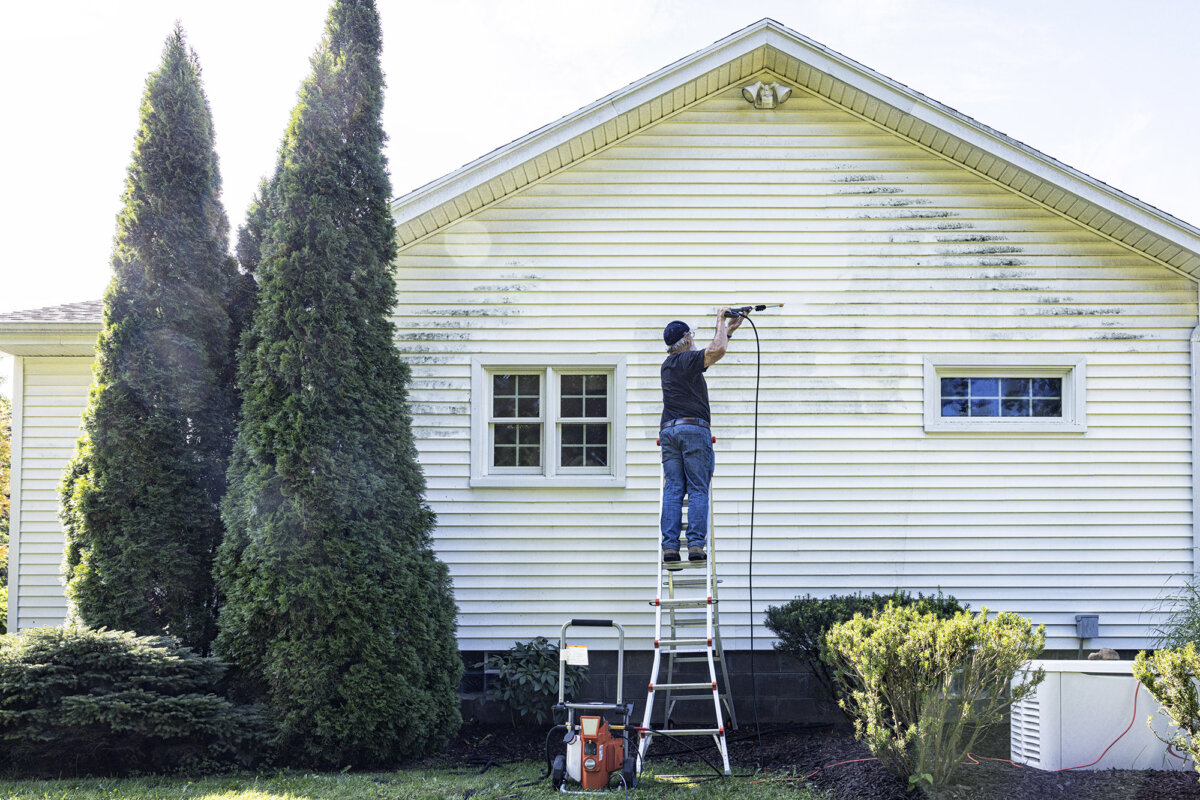
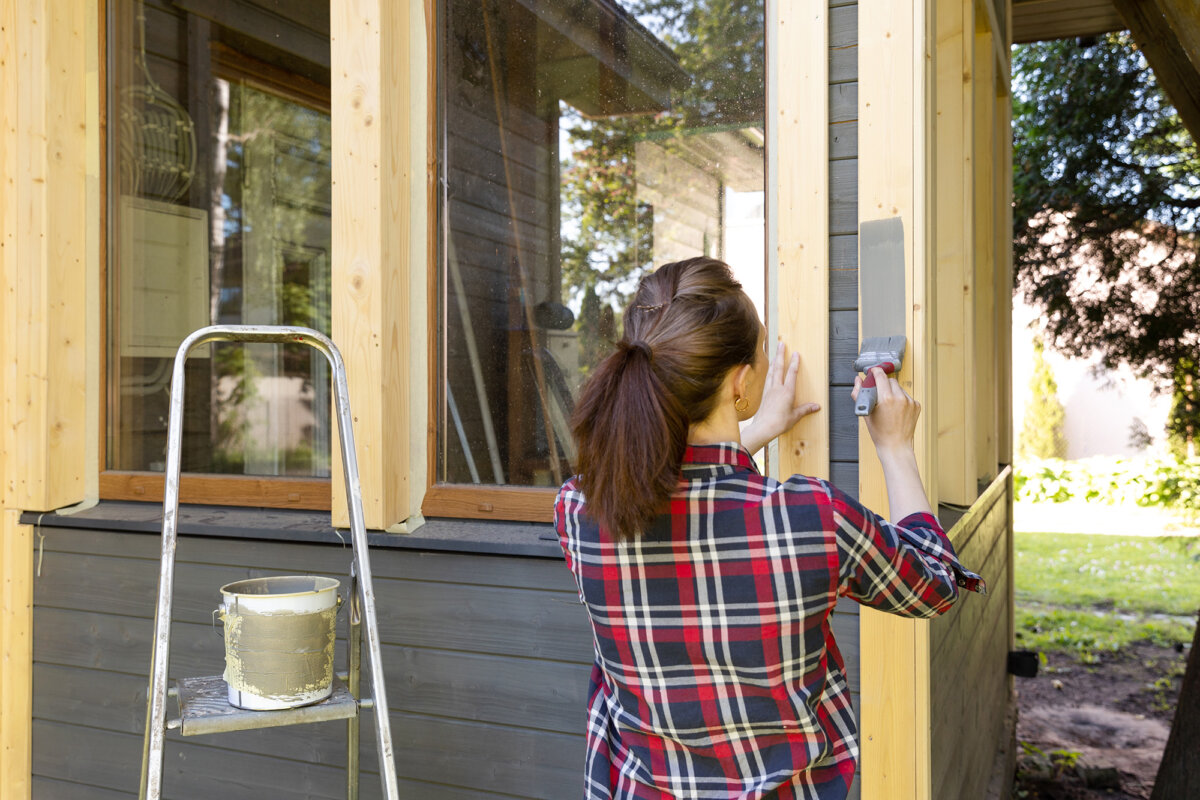
After the house is sealed up tight, scrub down grimy siding or stucco, or get out the pressure washer for an easy and beautiful refresh. Consider giving the front door a rejuvenating fresh coat of paint.
Walk the Property
Test outdoor faucets and underground sprinkler systems for leaks. Put out the garage-stored hoses, as they’ll be needed to hose down any patios or decks to clear away winter debris. Replace exterior light bulbs as needed, and particularly pathway bulbs, since the days are still somewhat short. Examine the driveway and walkways for cracks or ground heave.
If outdoor furniture was stored indoors, put it out. Otherwise, inspect porch and backyard furniture for deterioration. Trim back winter-damaged bushes, shrubs, and other plantings. Add fresh mulch before the weed seeds can take hold. If any weeds do take root during the season, they’re much easier to pull from loose mulch than hard ground.

HVAC and Mechanical
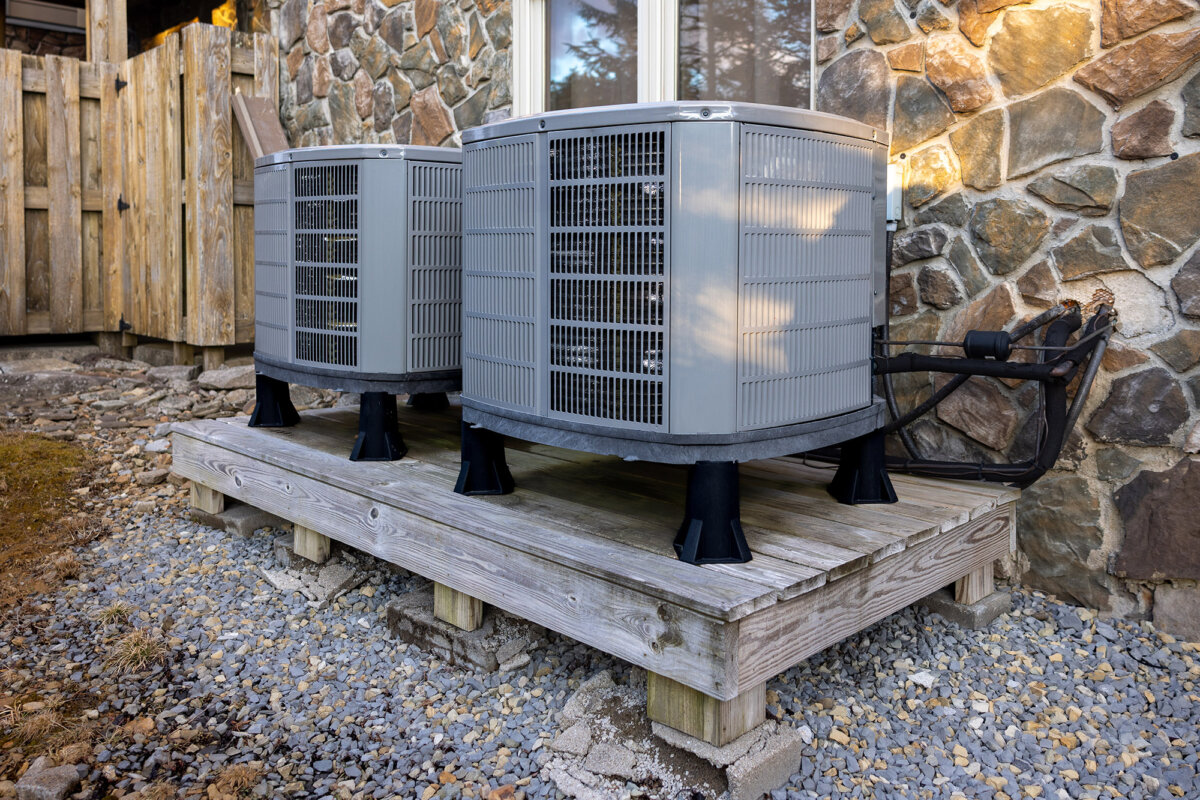
Turn off the power to the exterior HVAC unit at the disconnect box. Clear off leaves and other winter debris, and trim back overgrown plants, leaving a clear two-foot area around the unit. Uncover the unit from winterization and hose down the exterior fins gently. No pressure-washing! Then turn the power back on.
Clean the white PVC condensate drain line by using a shop vac on the outside end or from inside—it’s got an access point on the front of the interior unit—with a long, flexible A/C drain brush. Or flush it with vinegar, then rinse with water 30 minutes later.
Change out the A/C filter if replaceable. Clean it and allow it to dry thoroughly if it’s a reusable filter. While on the ladder, peek at the ductwork—does it need cleaning? Rental machines are available, but be very careful because ductwork is fragile.
Replace the batteries in the thermostat, and check that it’s showing the correct temperature. Turn it on and confirm that it reaches the set temperature—give it time. If there are any strange noises, vibrations, or other concerns, turn it off immediately and call a technician.
If there’s attic access, inspect the ductwork for holes, gaps, disconnected sections, and missing insulation. Mold or mildew spots indicate a potential air leak, where hot attic air leaking into cool A/C air can cause condensation and then mildew.
Down Below
Turn on the sump pump. Dump a 5-gallon bucket of water into the pit to make sure that it pumps water, has no blockage in the discharge hose, and shuts off automatically. It should route the water at least five feet from the home.
____________________________
Quick but Essential
Change the direction of ceiling fans to counterclockwise for the summer. Test smoke and carbon monoxide detectors. Replace old batteries.
More Checkups
Check the date on fire extinguishers and replace or recharge them as needed. Give portable generators a test run, ideally under a load—plugging in a fan will do. Add a fuel stabilizer if the tank is full of gas. Run a simulated power outage on whole-house systems. Instructions vary by manufacturer and model.
Water Heater 101
Test the tank’s pressure relief valve. If it doesn’t release or drips after testing, replace it. Inspect valves and gaskets. Check the anode rod on top of the water heater; if it’s worn, replacing it will extend the heater’s life. Flush the tank, especially if it’s rumbling or popping. If the water isn’t getting as hot, check the upper and lower heating elements; they’re easily replaced.
Mower Must-Do
Clean and inspect the lawn mower, including the spark plug and spark plug wire.
Don’t forget to replace or clean the air and fuel filters, as required. Sharpen blades and tighten bolts. Lubricate moving parts, including control cables and levers. Check the starter cord for resistance or fraying.
