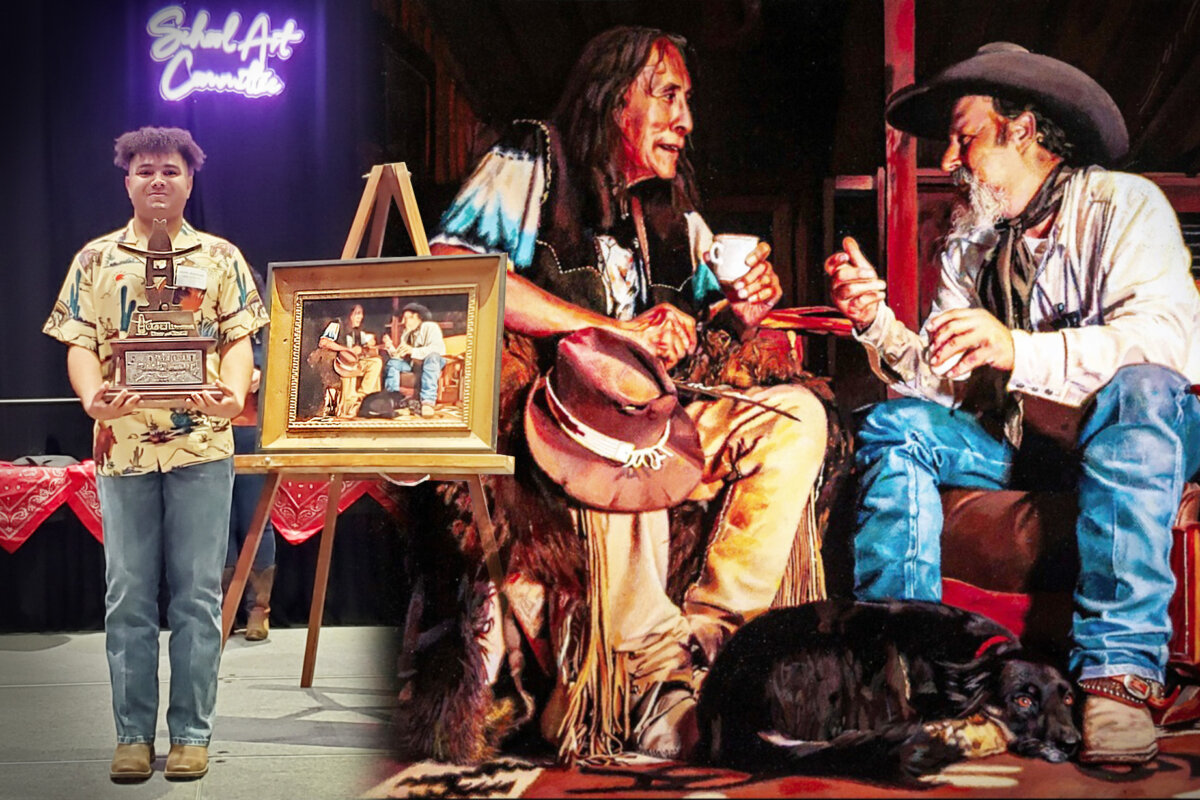
Joshua Washington carried his camera into a creaking country log cabin that smelled like a holdout from the Old West, or perhaps just a cowboy movie set. The Pasadena Memorial High School senior, from Houston, was stepping outside his comfort zone for art’s sake.
Inside, there were actors donning leather chaps and cowboy hats, and sitting in buffalo skin chairs under artificial lights. This was a photoshoot. Washington, 18, had been invited to snap reference photos for his Western painting that would later win him the grand championship in this year’s Houston Livestock Show and Rodeo School Art Program.
Standing among a throng of photographers, all voicing suggestions for various poses, Washington felt nervous. Then their model, Thomas, a Native American actor with shoulder-length hair and a leather vest, was joined by a man in cowboy duds. And the young painter saw a photo opportunity.
He mustered his voice. Why not have the two sitting and talking like old pals?
The two actors—each from divergent backgrounds that have historically clashed—sat and began chatting, looking cozy and shooting the breeze.
Washington’s acrylic painting of the scene, “Between Boots and Moccasins,” won the top prize in the 2026 Grand Champion Work of Art at the Houston Rodeo in February.
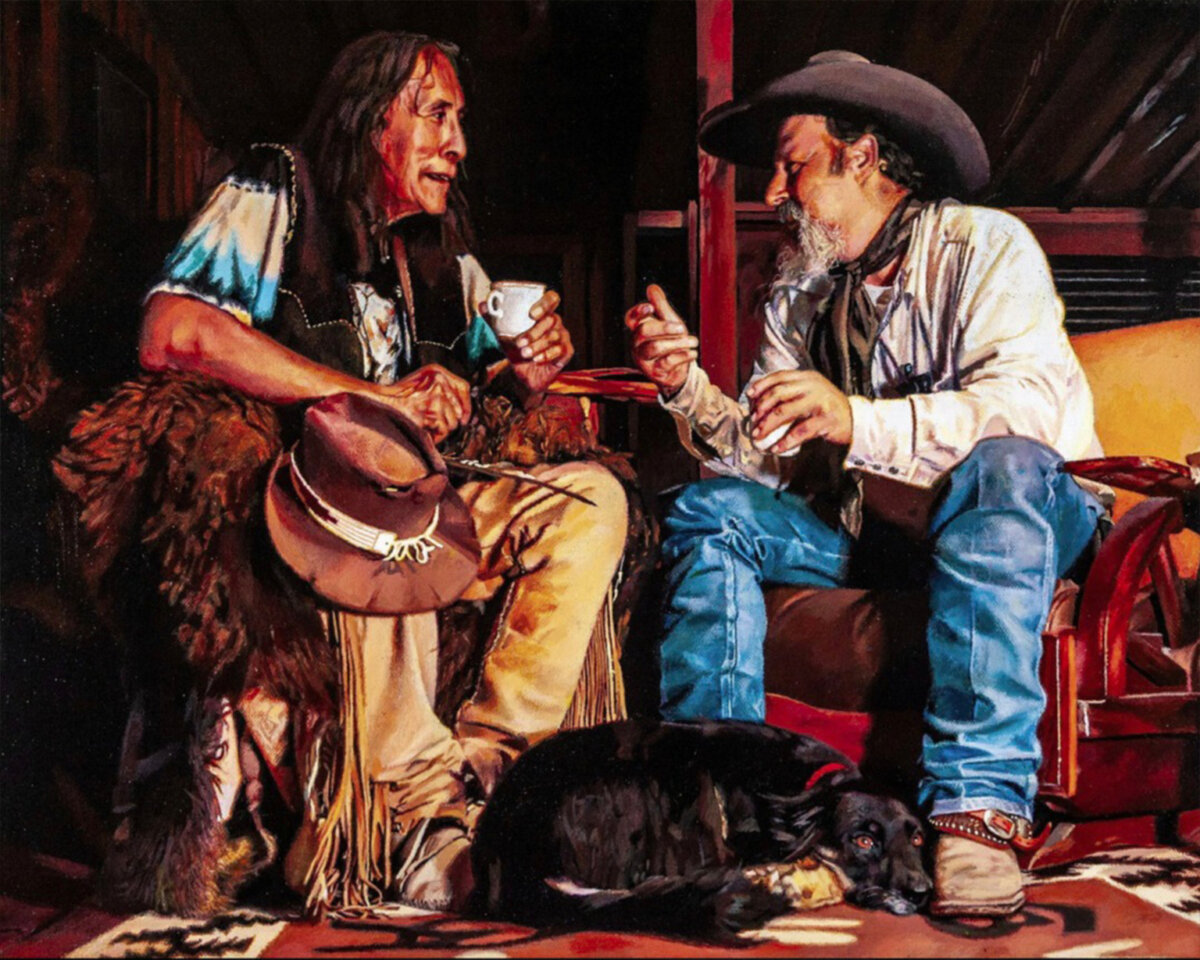
“When I took the picture, I just thought that it was a good representation of cultural harmony,” Washington recently told The Epoch Times.
“We live in a world where peace is vital and there’s a lot of division,” said the artist, who will graduate later this spring. “I think that this picture can bring comfort when people look at it. And I just thought that I could bring smiles to people’s faces and touch their hearts.”
Washington’s picture isn’t bound by a historical time frame, he said. “It’s kind of open to interpretation.” It could be 2026 or 1826.
After clinching the top prize in February, his artwork went on to fetch a record-shattering $525,000 at the rodeo’s auction in March. That’s nearly double what the next-highest winner, Sophie Zhou, brought in last year for her student painting of a cow and calf. Washington will take home at least $40,000 of the earnings, which he says will go toward his postsecondary education.
“I want to really get into graphic design and really explore what that’s like, like digital creativity,” he said. “I have some experience with digital editing, like digital art and stuff.”
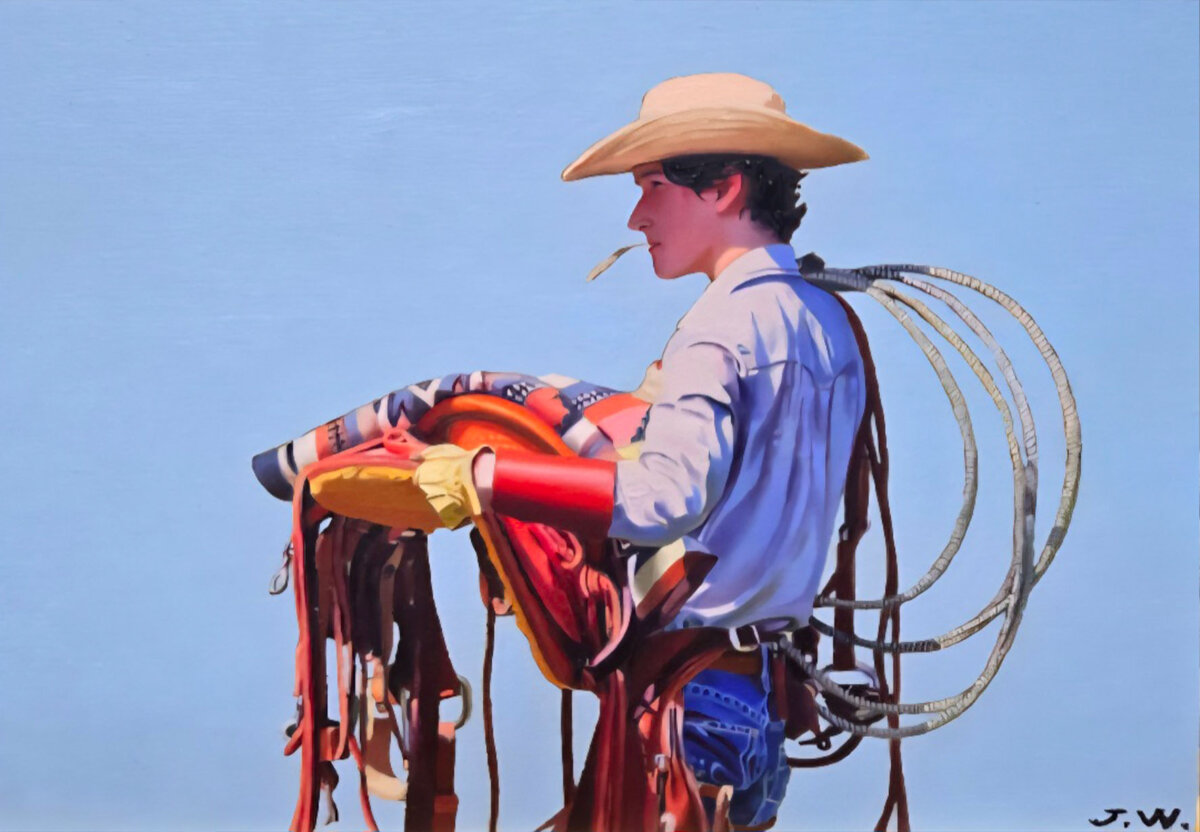
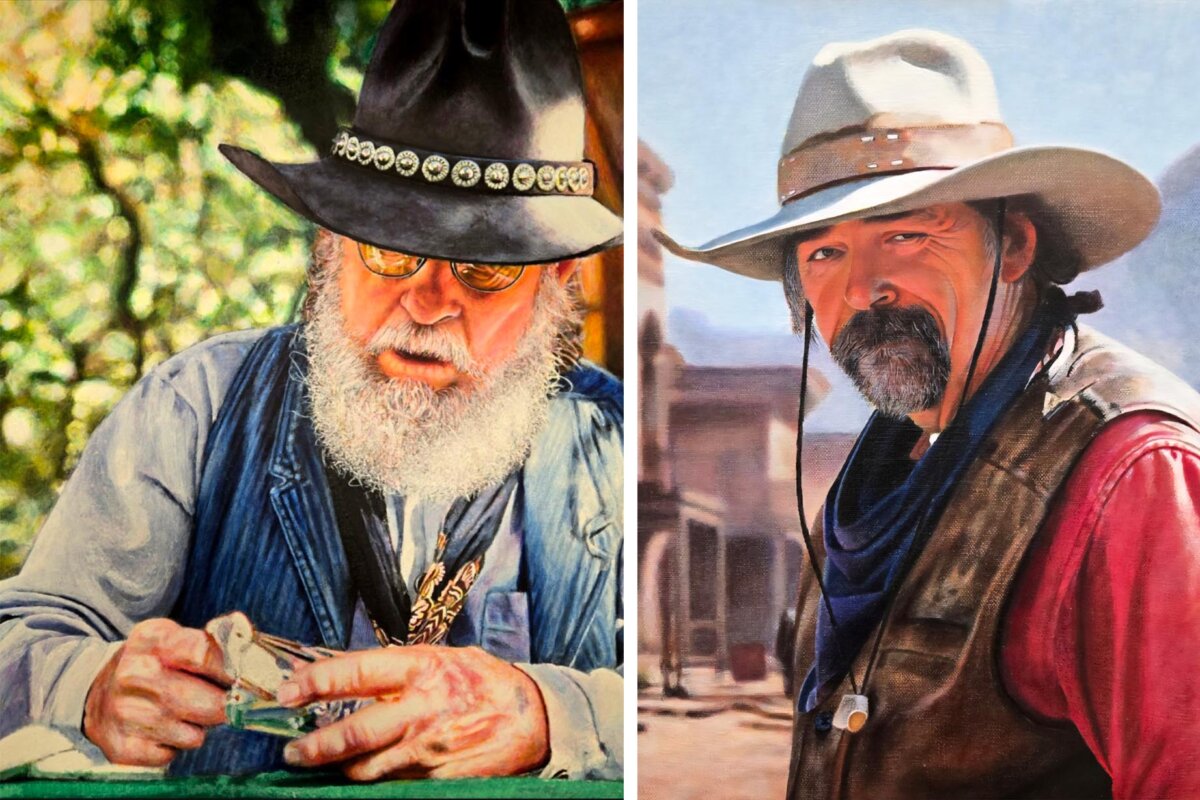
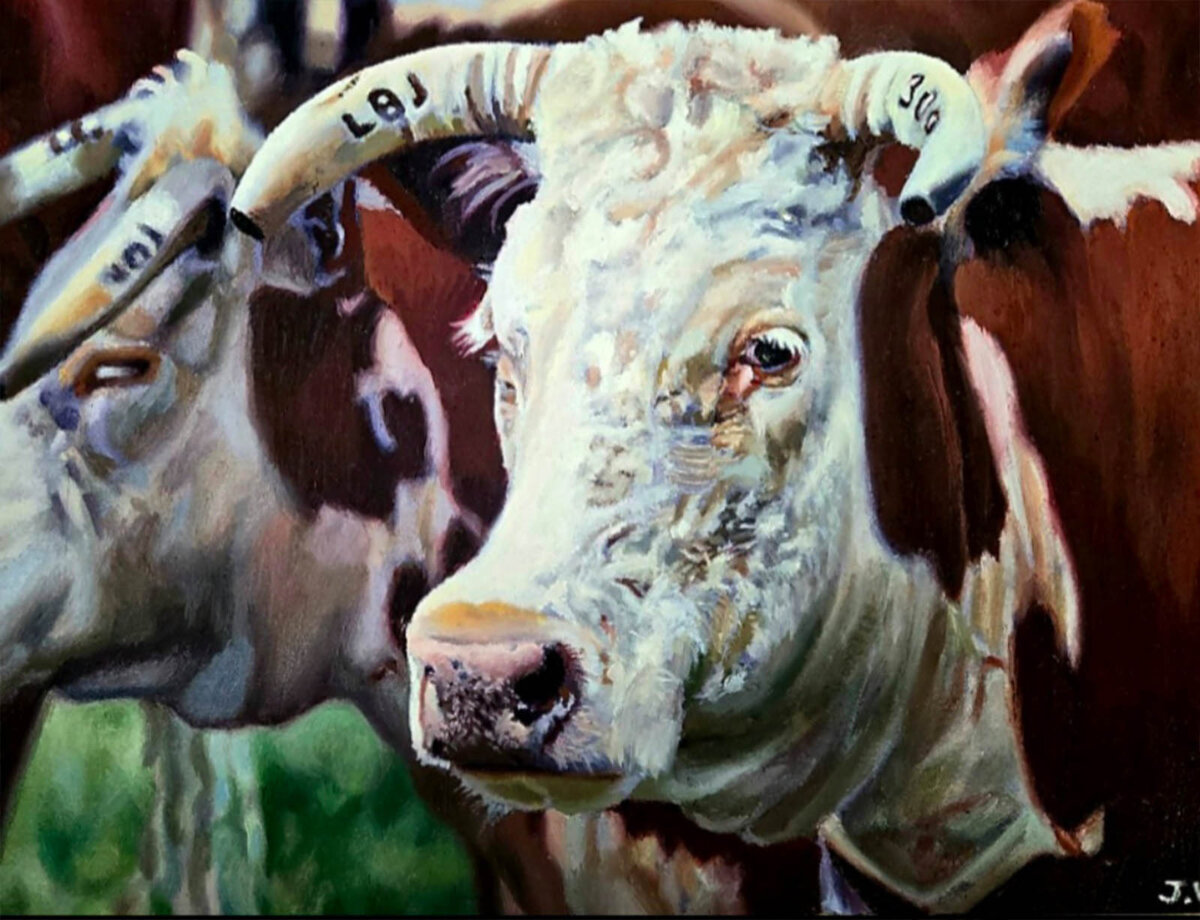
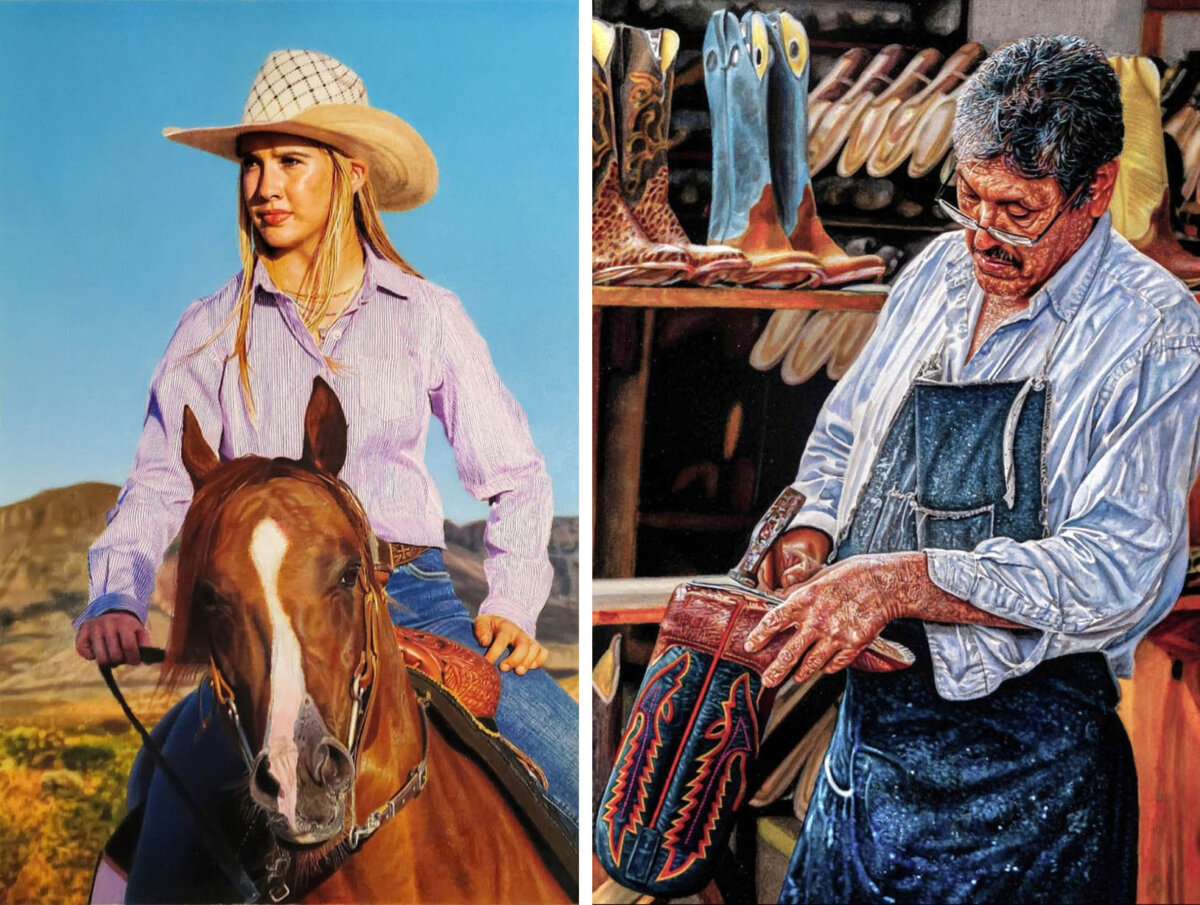
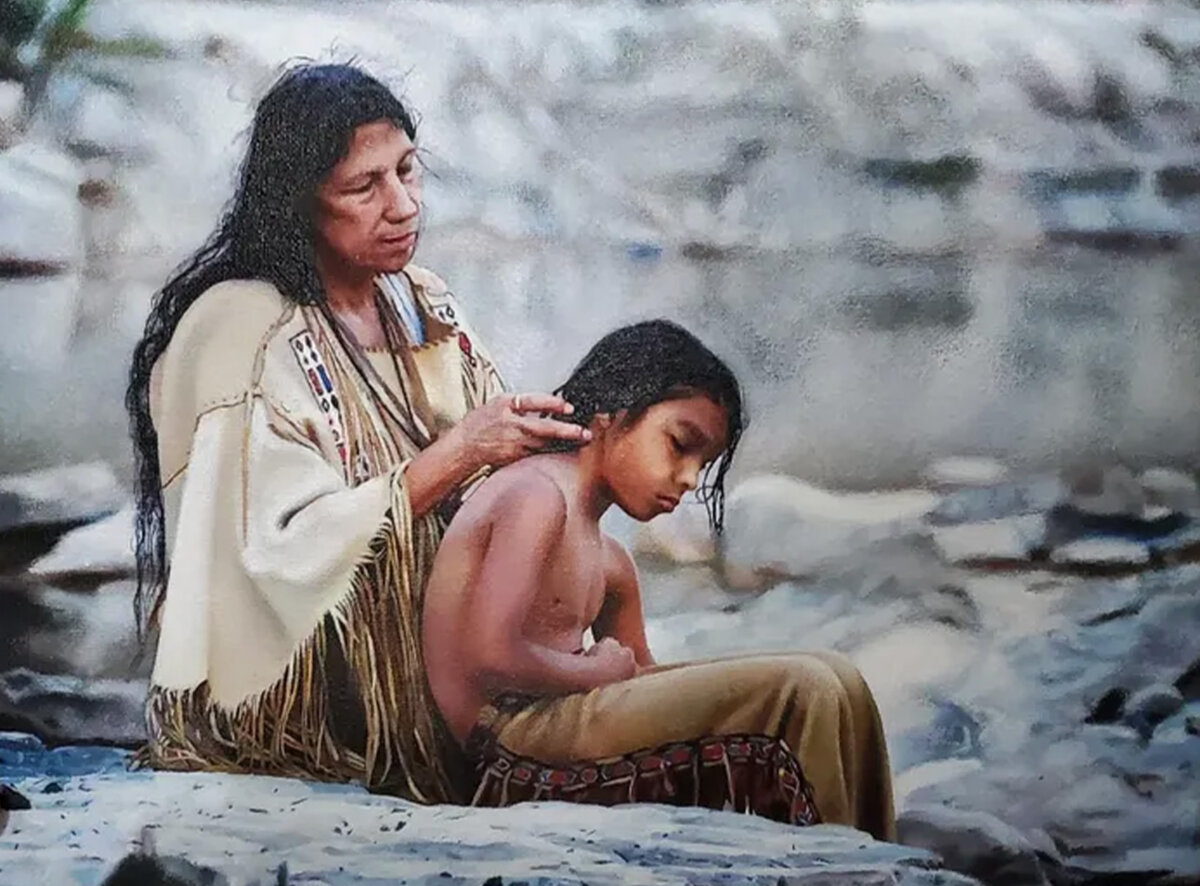
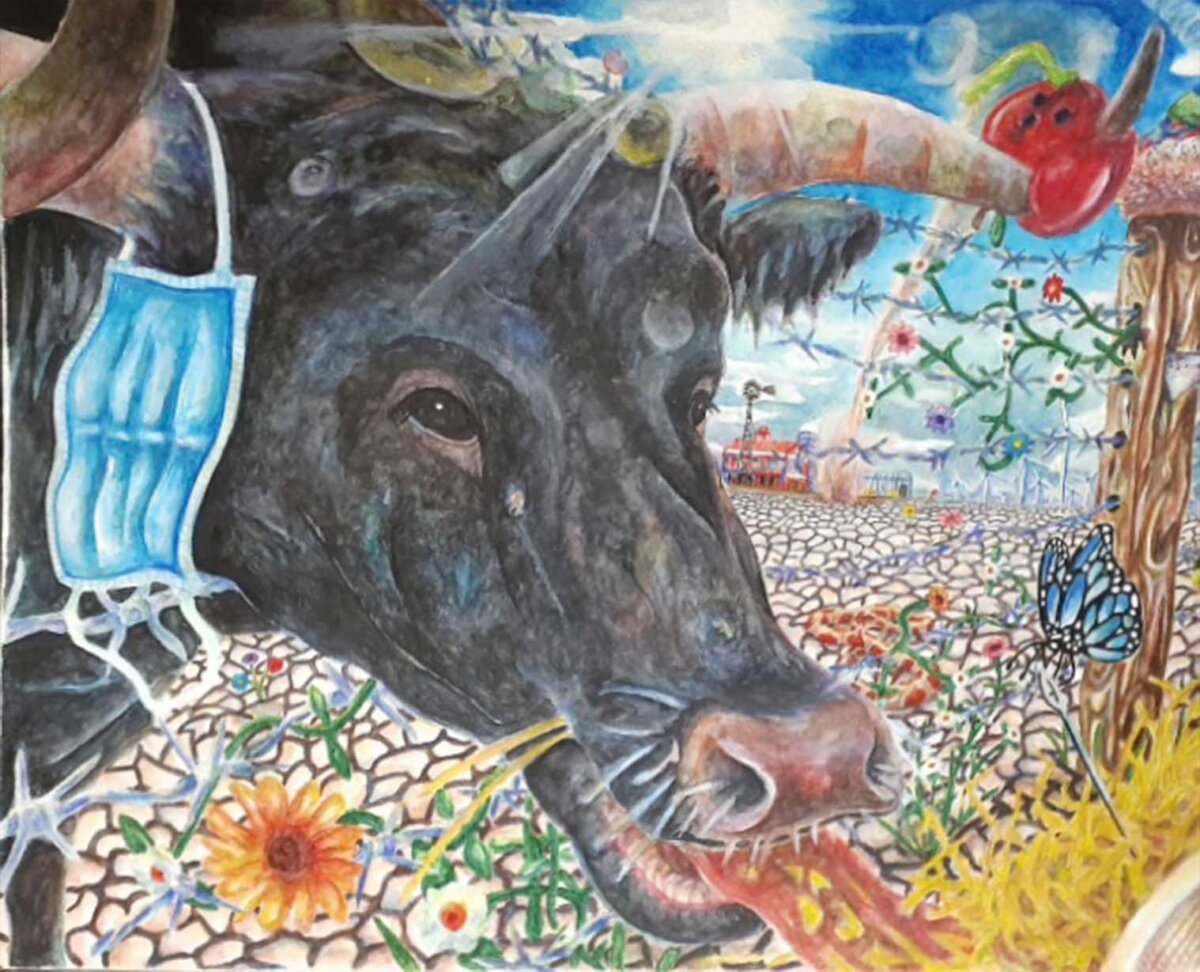
As an avid “Mario Kart” player, he hasn’t ruled out video game design as a career option, but says brand and product design are probably more likely. He’ll attend San Jacinto College next semester before, he hopes, majoring in graphic design at Houston University.
For now, though, the more traditional techniques of painting are his forte. Washington, who grew up drawing stick figures and cartoons in elementary school, stepped into the Western art milieu around fifth grade. His debut painting at the Houston Rodeo, titled “Goodbye Furry Pig,” won accolades.
“I got Best of Show for that for the district,” he said, adding that 2026 marks his eighth year in the contest.
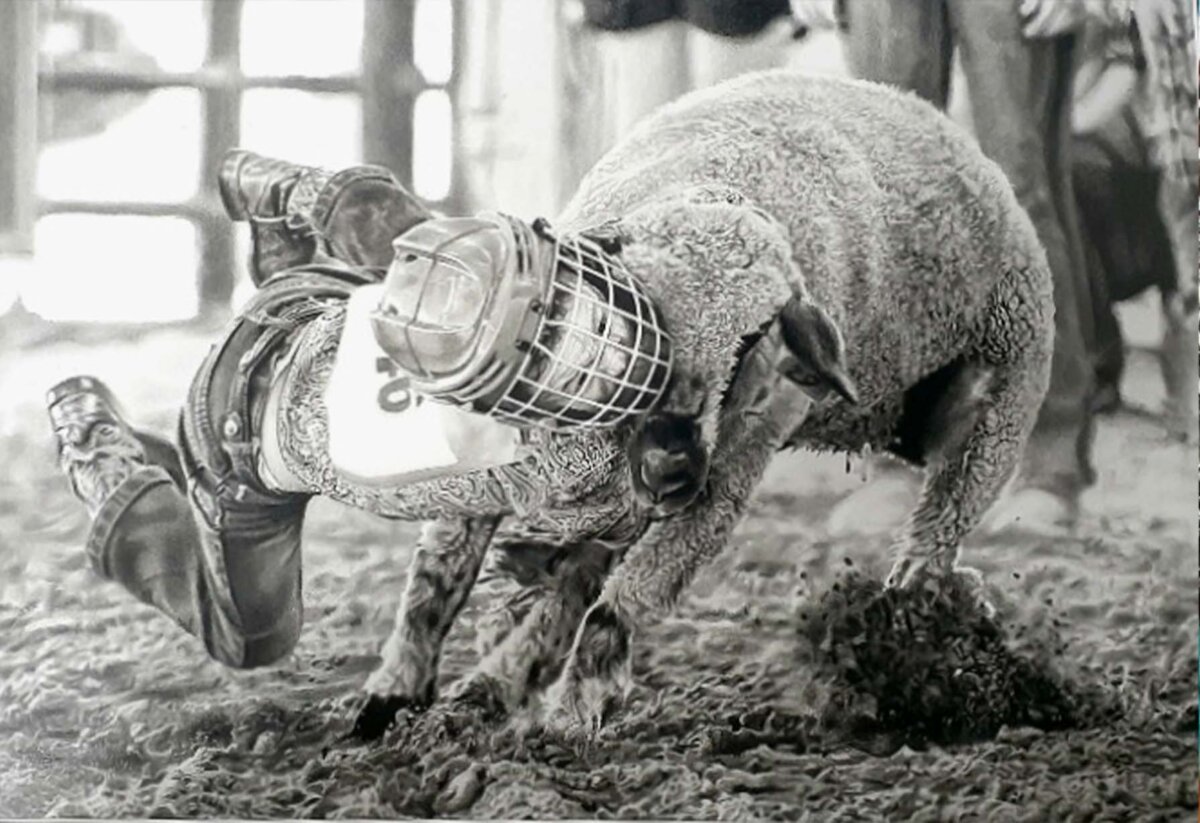
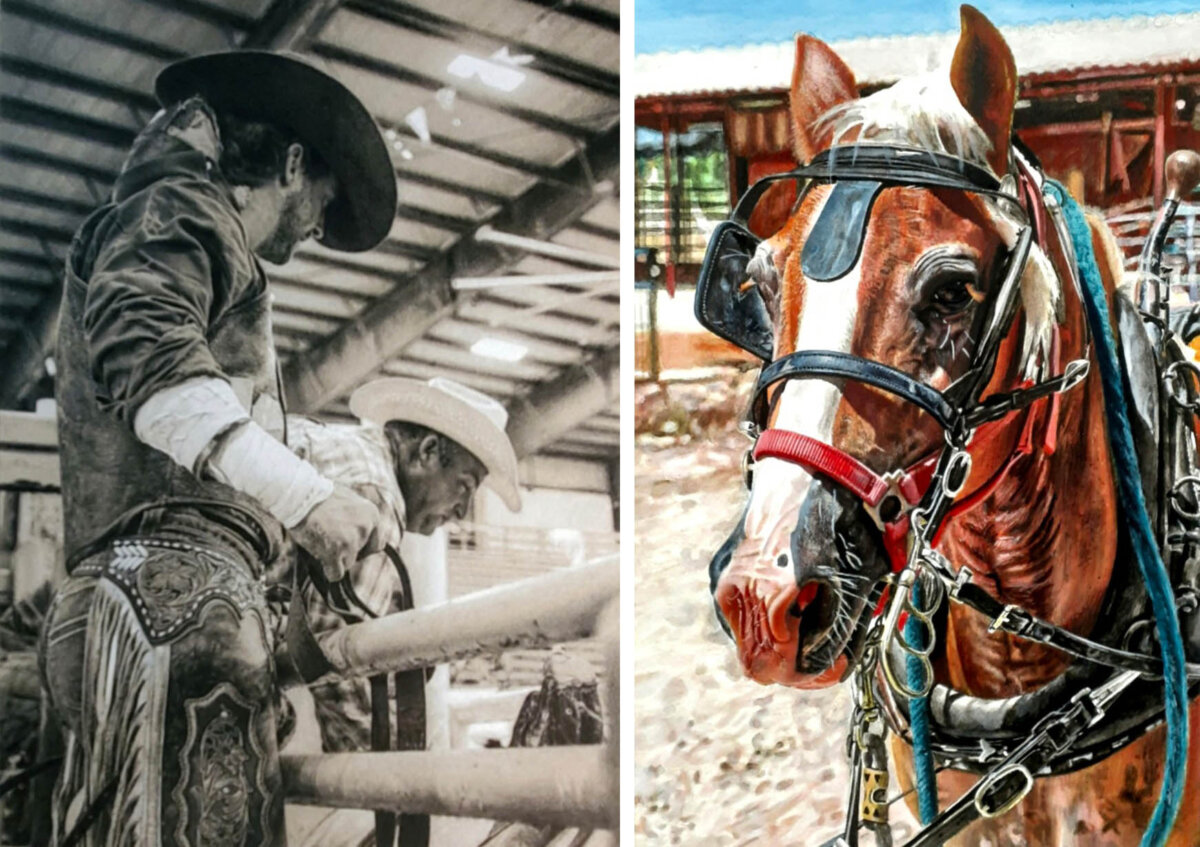
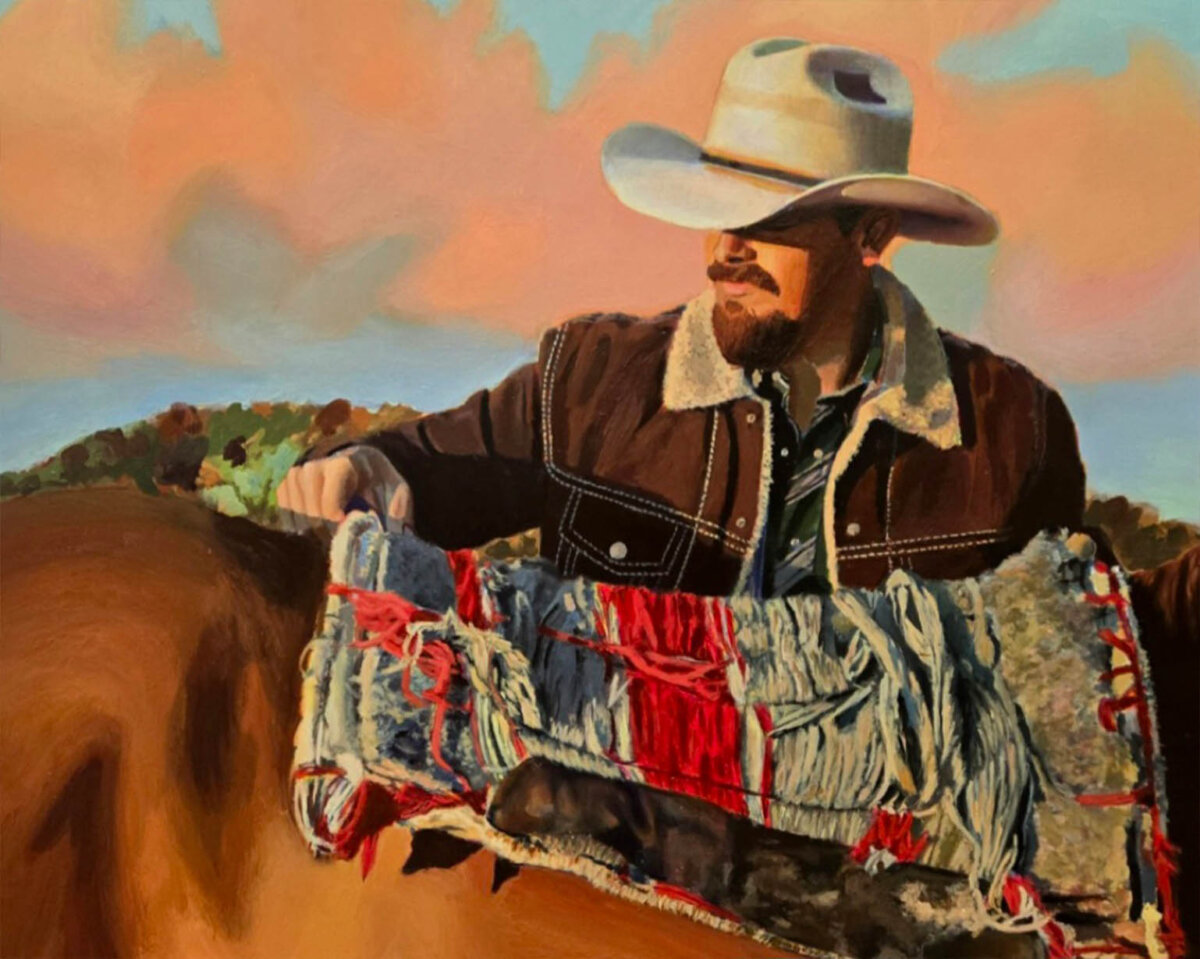
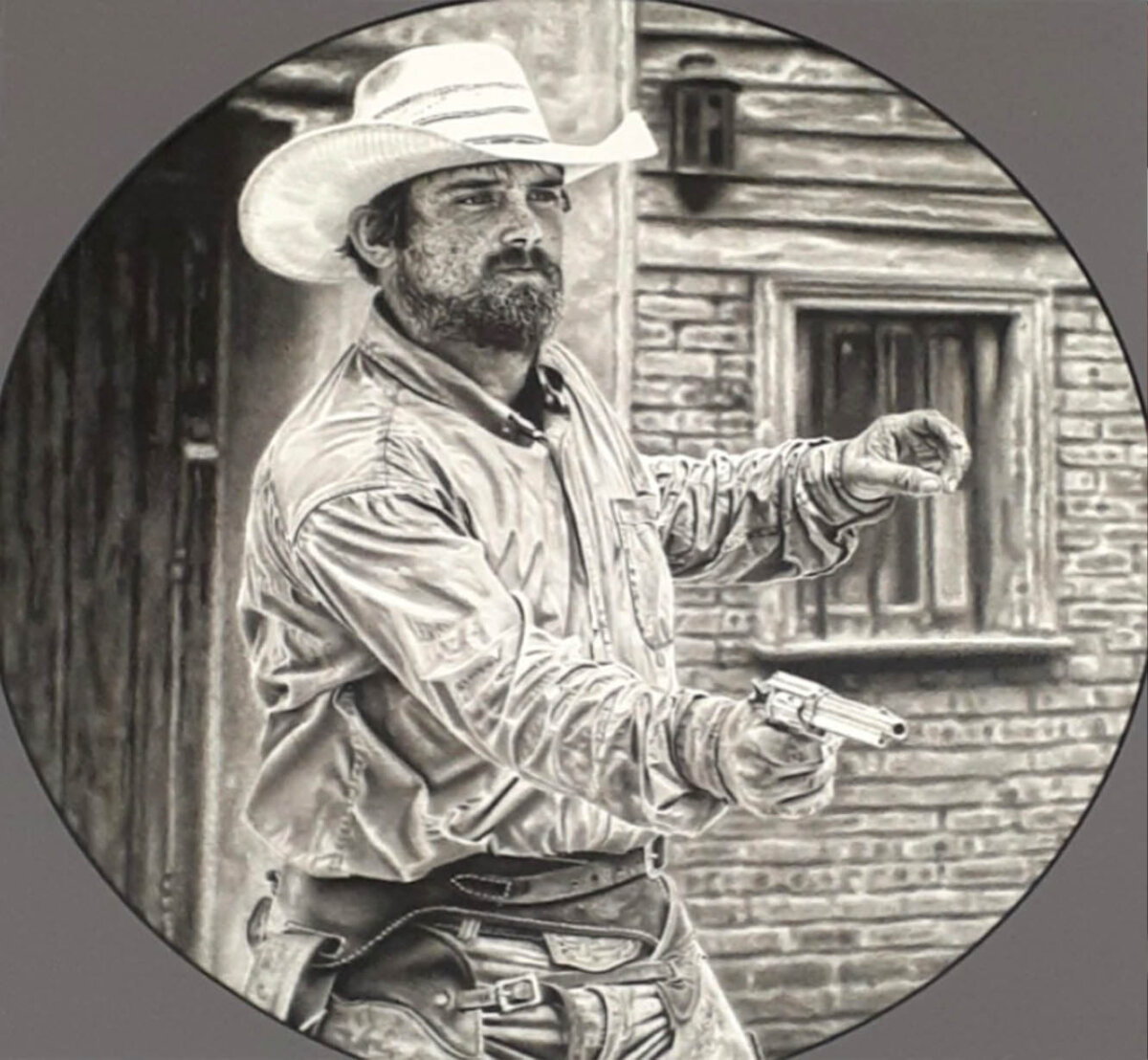
Building a hefty portfolio from his entries in the Houston Rodeo and other local Western art competitions helped Washington eventually gain admittance into the Western Art Academy in Kerrville. There, he intensified his work ethic while honing his techniques.
Those include the acrylic painting method he used to create “Between Boots and Moccasins.” A grid system aids in transferring the image onto the white, gessoed surface with a pencil; he must establish a line drawing before a drop of paint touches the canvas. The artist then lays in flat blocks of generalized color for each object until the canvas is covered. Next come the details, growing ever finer as the layers build, taking weeks (sometimes even months) to finish a painting.
The work “took me about three weeks,” he said. “I was getting really close to the deadline, so I had to work super fast to make sure I could finish in time.” He stopped painting when it looked “finished enough.” Like Washington, artists throughout history have long grappled with the question of when to step away from the easel.
“Is a painting is ever really finished?” he asked. Washington thinks not.
“It can always be improved,” he said.