



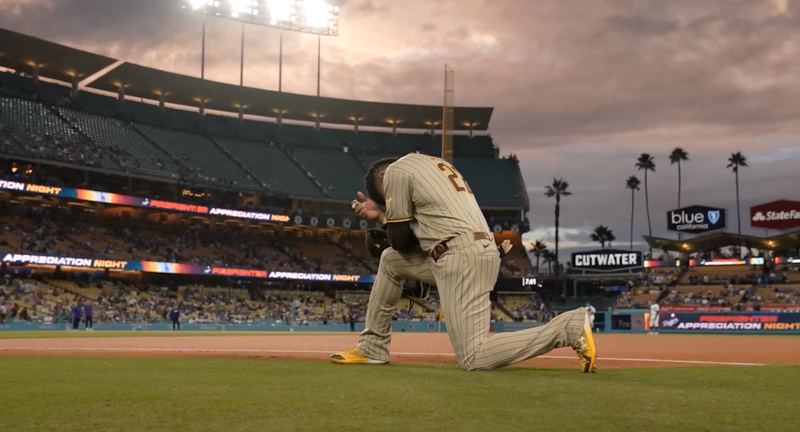
NR | 1h 41m | Documentary | 2026
If you ever want to visit a secular shrine, stroll through Monument Park at Yankee Stadium. Dedicated to past New York Yankee greats, it inspires hushed reverence from fans.
However, John Sexton, former president of NYU, would argue that it isn’t as secular as “bleacher bums” might think. More than merely drawing an analogy, Sexton uses baseball fandom as a blueprint for religious faith in his book “Baseball as a Road to God.”
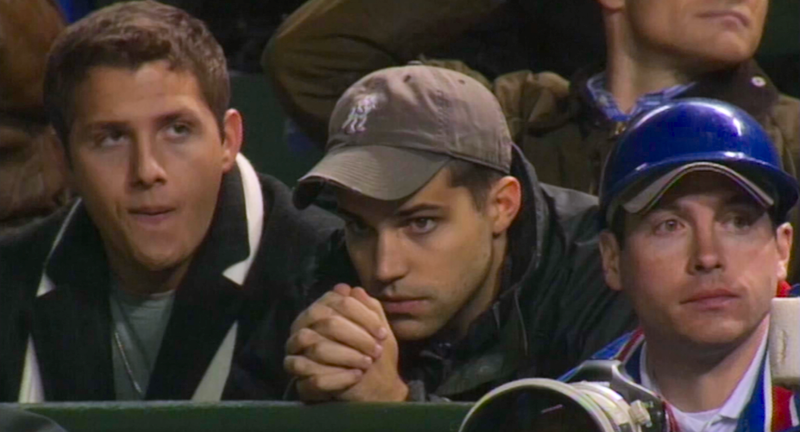
His book serves as the inspiration and direct outline for John Scheinfeld’s new documentary, “Baseball: Beyond Belief,” narrated by “Criminal Minds” actor Joe Mantegna.
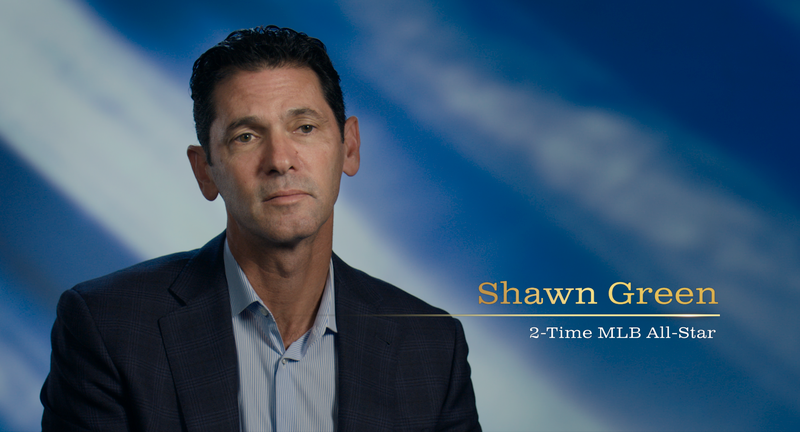
Although the film was produced by the independent Catholic film company Paulist Pictures, Scheinfeld and Sexton examine the spirituality of baseball through a broad, nondenominational lens. One of the most prominent former players featured in “Baseball: Beyond Belief” is former LA Dodger and NY Met Shawn Green. Green discusses his experience as a Jewish player, including his decision to not play in a 2001 game that fell on Yom Kippur.
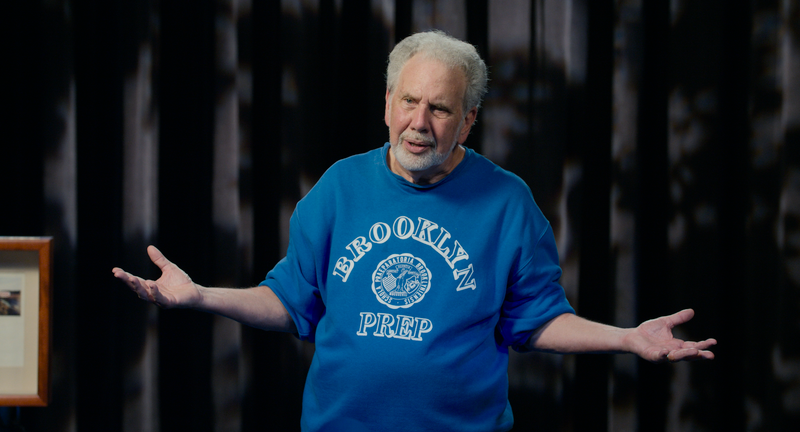
Scheinfeld’s film is broken up into chapters that largely parallel those of Sexton’s books. Within each section, the subtopics are framed by Sexton’s classroom lectures, making him the dominant voice.
Rituals and Miracles
Sexton makes a logical and compelling case. His comparisons and metaphors land on target more often than not. For instance, like the major religions of the world, baseball has its sacred places. That includes Yankee Stadium and Fenway Park, as well as its rituals, such as opening-day festivities and the Seventh Inning Stretch.
Similar to religions, baseball relies on faith—a faith that the next at-bat, the next game, and the next season will be better than the one previous. Yet with faith comes doubt, which constantly manifests in the agonizingly visible hitting slumps that most players must work through during the course of a season.
Baseball has its “miracles.” This is dramatically represented in the film by limping Kurt Gibson’s unlikely 1988 World Series home run. There are also curses, like that of Babe Ruth, whose wrath supposedly plagued the Boston Red Sox for nearly a century after the financially unstable owner sold his contract to the Yankees for a quick cash infusion.
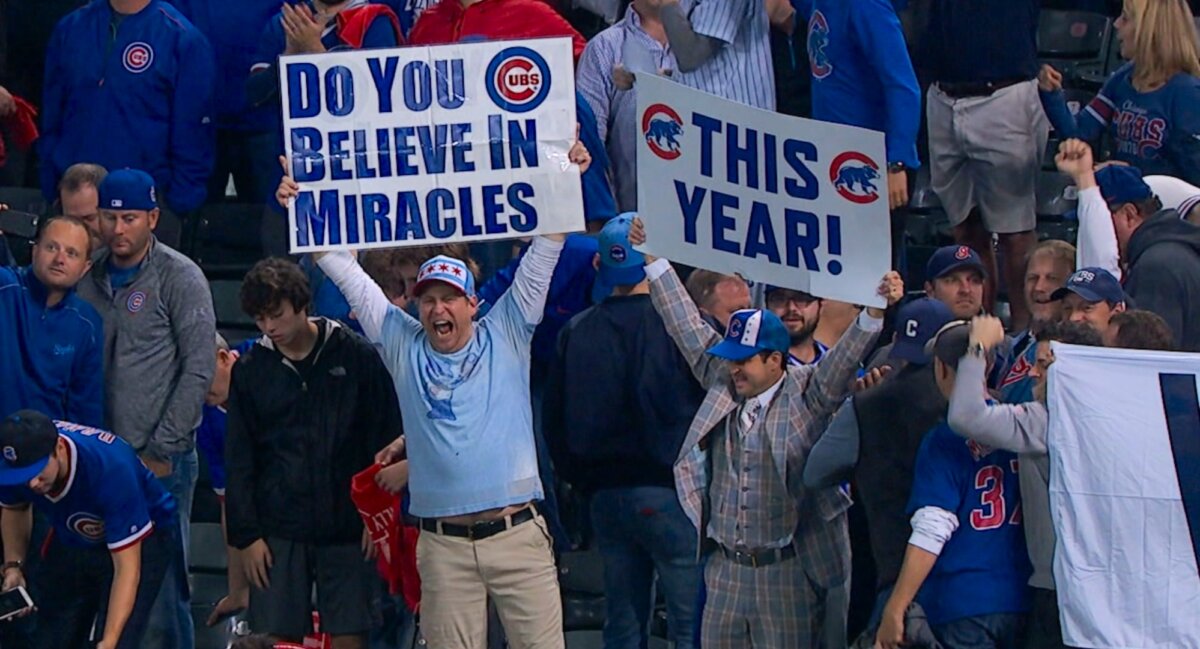
Sexton persuasively asserts that baseball has canonized its “saints,” particularly Jackie Robinson. Robinson endured constant threats and harassment after he racially integrated the Major Leagues in 1947.
The game also has its “sinners” who fell from grace, like the players who were publicly disgraced by the steroid scandal. Yankee fans might be disappointed by the absence of Lou Gehrig’s moving retirement speech in the “saints” segment.
Community and Belonging
Sexton closes with his strongest points. He suggests that baseball provides a sense of community and belonging for fans. This is perfectly exemplified by the first MLB game held after the 9/11 terror attacks, fittingly won by the NY Mets. From community, the film segues into a chapter on baseball fandom as a tradition, passed down from parents to children.
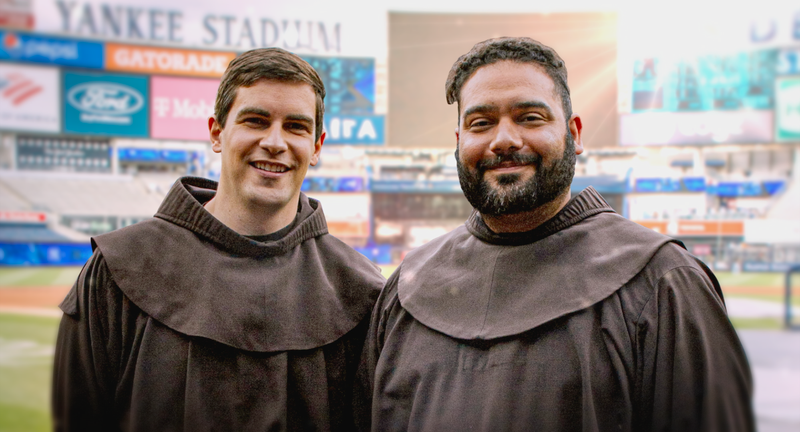
Sexton readily agrees that much of his analysis would also apply to other sports. Indeed, soccer-football often grips fans in a religious-like fervor in many Latin American and European nations. But his framework most aptly fits baseball. The example of the Bleacher Brothers, two Franciscan friars who discuss at length their pilgrimage to all 30 MLB stadiums, buttresses his contention. Plus, they bring a joyful attitude to the film.
However, Sexton seems to miss one of baseball’s greatest commonalities with religious worship. Perhaps more than any other team sport, sacrifice is a frequent part of baseball’s game-play. In nearly every game, a player is asked to forgo building personal statistics in order to advance runners through bunts or fly-outs. In baseball, the team truly takes precedence over the player.
Impressive Interviews
A small but impressive baseball lineup joins Sexton to discuss the game, including the aforementioned Shawn Green; former NY Yankees manager Joe Torre; former Yankee, Met, and Dodger Curtis Granderson; Jackie Robinson’s son David Robinson; and Willie Alfonso, the chaplain of the New York Yankees.

At times, the film slightly loses focus. It detours to tell the stories of baseball’s consoling power in President Franklin D. Roosevelt’s World War II-era Japanese internment camps. There is also the story of the late John Sikorra, who earned his high school varsity letter in baseball, despite his fatal diagnosis of Batten disease. These emotionally charged segments are enormously poignant, but they are somewhat awkwardly shoehorned into the film’s flow.
Sexton and Scheinfeld’s baseball experts make a compelling case that community, tradition, faith, and closely related optimism are uniquely baked into the fabric of the game. One might suggest that also makes baseball a distinctively American game, but none of the talking heads take their commentary in that direction. Regardless, they provide insight along with some genuinely stirring stories.
Highly recommended for communities of faith and fandom.
“Baseball: Beyond Belief” releases in theaters March 27 and airs April 5 (Easter Sunday) on Fox Sports I.
‘Baseball: Beyond Belief’
Documentary
Director: John Scheinfeld
Not Rated
Running Time: 1 hour, 41 minutes
Release Date: March 27, 2026
Rated: 4 stars out of 5
What arts and culture topics would you like us to cover? Please email ideas or feedback to features@epochtimes.nyc
