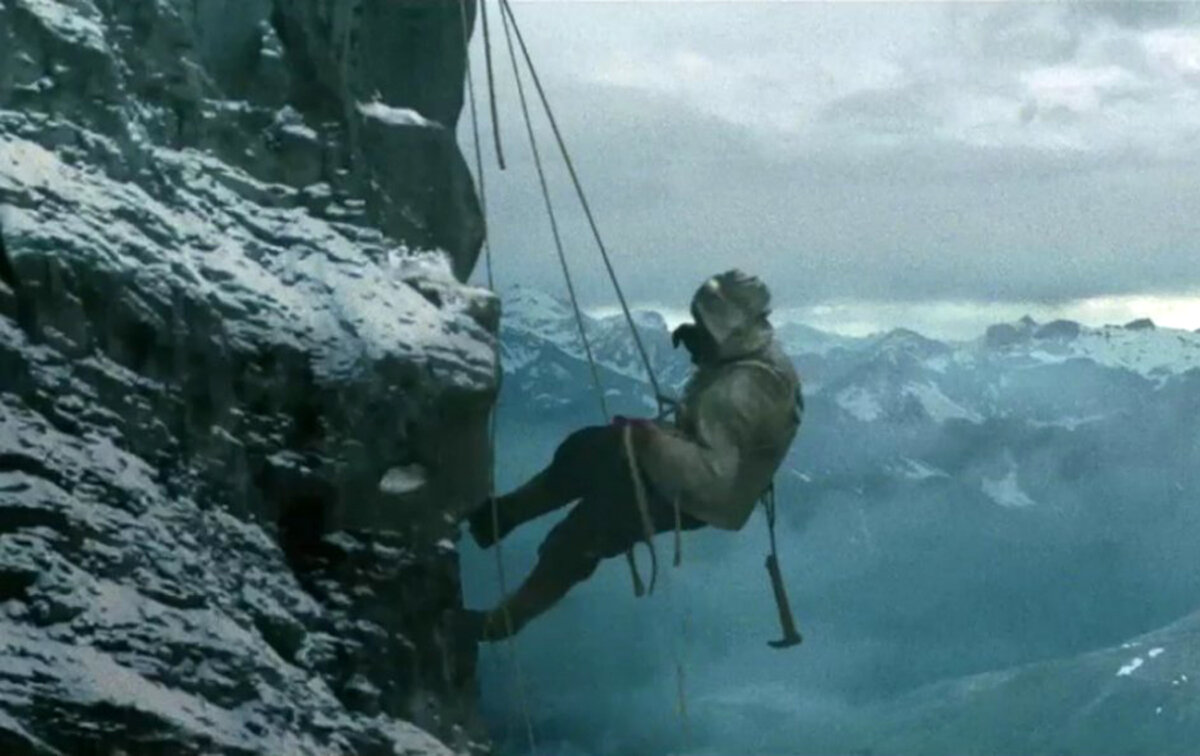
NR | 2h 6m | Adventure, Biography, Drama | 2008
Mountain climbing movies usually fall into predictable buckets. There are climbers on the summit cheering and hugging in the freezing wind, or actors dangling from fraying ropes while shouting clichés. Viewers watch a pampered action star conquer a Styrofoam glacier.
However, films recreating true historical events possess a completely different gravitational pull. The frostbite and the fatal mistakes leave a lingering chill long after viewing. After watching a survival film, engaged viewers might dive into online research to read about the actual climbers.
Real mountain histories are heavily saturated with blind ambition and fatal hubris (with a bit of insanity mixed in). These are real people who were far more desperate or determined than any screenwriter could ever imagine, which is what is displayed in the 2008 German feature “North Face.”
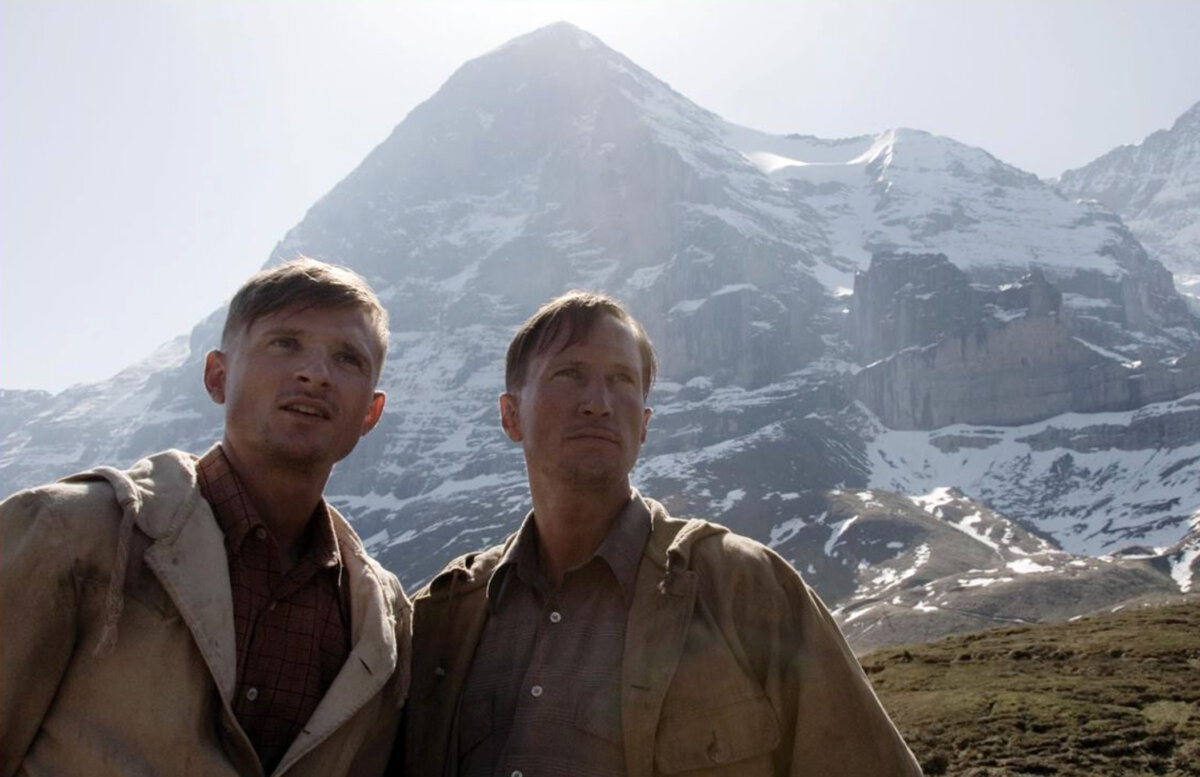
Many climbers have attempted the monstrous slab of limestone known as the Eiger. Back in 1936, the North Face of the Eiger was considered the last great unclimbed side of the Alps.
The German government treated the mountain like a massive propaganda billboard meant to showcase a perceived superiority. They wanted local boys to stomp all over the summit and plant the German flag right before the Berlin Olympics, just to prove some twisted point to the rest of the world.
Imagine dangling thousands of feet in the air with inadequate hemp ropes and rudimentary pitons just to impress a bunch of politicians. Nature couldn’t care less about politics. The Eiger is a vertical bowling alley of falling rocks and massive avalanches that swallow climbers whole.
Director Philipp Stolzl captures this suffocating nightmare brilliantly in “North Face.” It plunges viewers straight into the bitter cold. The film delivers a grueling visual achievement that utterly strips away the usual romanticism of the sport.
Race to Conquer the Eiger
Two young German soldiers named Toni Kurz (Benno Furmann) and Andi Hinterstoisser (Florian Lukas) spend their days scrubbing military latrines when they actually want to be scaling peaks. The boys, who originally hail from Bavaria, aren’t interested in politics or the glory of the Reich. They simply tolerate the army uniforms because it keeps them near the mountains.
Toni finds the whole endeavor totally suicidal and refuses to participate at first. That changes when they hear rival teams from Austria and France are packing their gear to attempt the exact same impossible route. The two friends quit the Wehrmacht and travel to Switzerland in order to beat the competition to the summit.
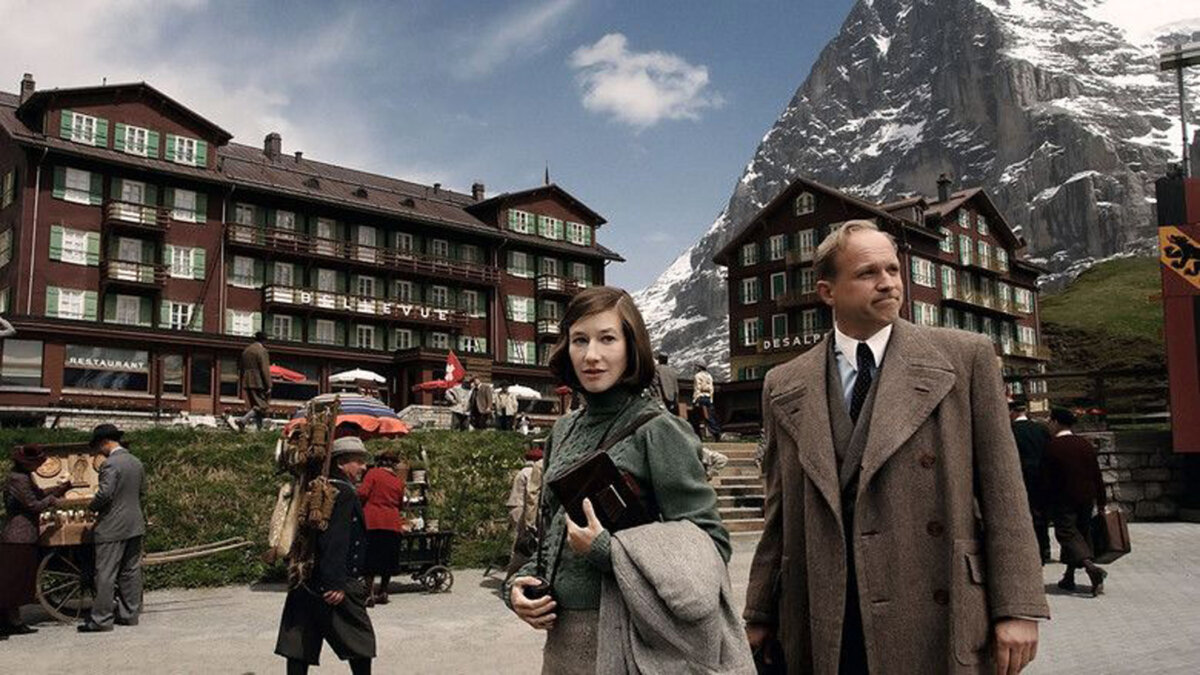
As the race to be first intensifies, a morbid circus unfolds at a luxury hotel at the base of the mountain. Wealthy tourists and greedy journalists sip warm coffee on the terrace while aiming telescopes at the frozen cliffs like it’s a Sunday football game.
A morally compromised Berlin newspaper editor named Henry Arau (Ulrich Tukur) brings along his young photographer, Luise Fellner (Johanna Wokalek), to capture the inevitable triumph or the gruesome tragedy. As it turns out, Luise actually grew up with Toni and Andi. She initially compels Toni (her love interest) to do the climb.
Eventually, however, she has second thoughts about watching her childhood friends risk their necks for cheap headlines. Up on the freezing limestone wall, Toni and Andi cross paths with a competing Austrian duo consisting of Willy Angerer (Simon Schwarz) and Edi Rainer (Georg Friedrich). As they ascend, the four men soon realize they are trapped in a brutal bottleneck of ice and falling rocks.
Filmmaking on the Edge
What makes this film work is how committed it feels to the physical act of climbing. The camera closes in on hands digging into ice, boots scraping for a hold that barely exists, and rope lines pulled tight in ways that make your shoulders tense up. There’s a rawness to it that comes from showing the grueling work instead of skipping past it, and how every meter climbed costs something.
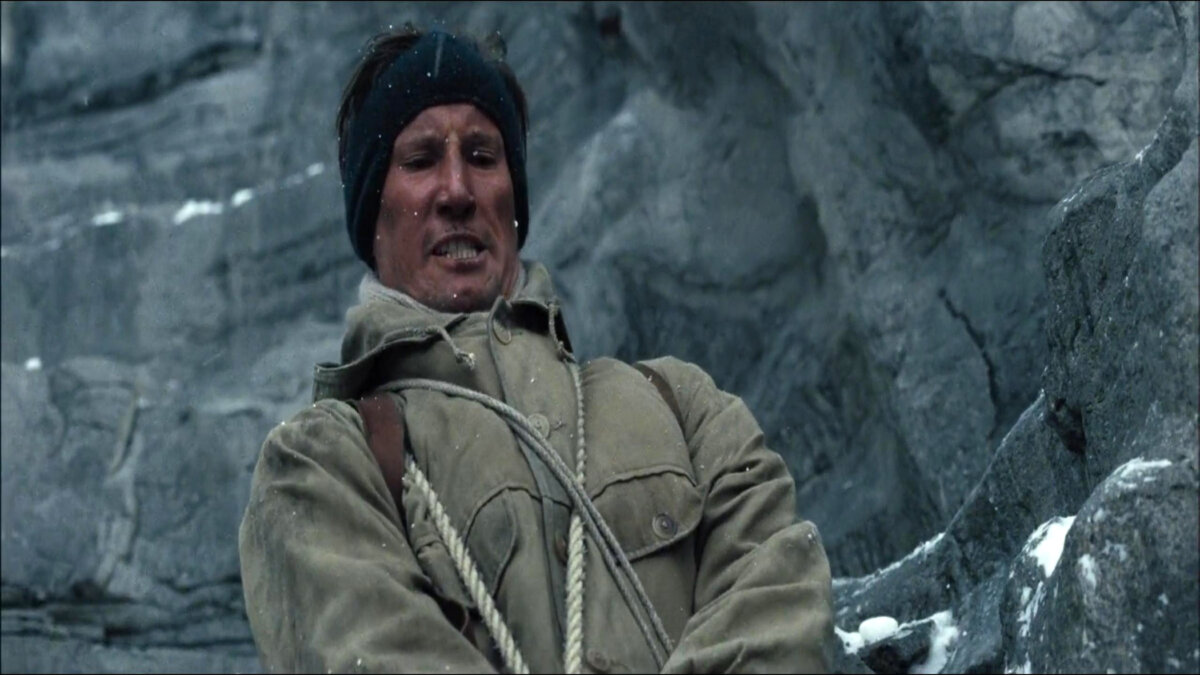
The visual execution is where director Philipp Stolzl really shines. The climbers struggle with ancient hemp ropes and clunky iron tools that look completely inadequate for the job. It’s unsettling seeing them plastered to the rock face, and taking beatings from howling snowstorms. Still, they keep climbing, one move at a time, like quitting was never part of the deal.
One of the coolest (pun intended) and most unique details of the entire production is the musical score by Christian Kolonovits. The music swells appropriately during the sweeping aerial shots and then strips down to terrifyingly simple percussion when the weather turns lethal.
The mountain itself, nicknamed “murder wall” (“Mordwand” in German) almost steals the show and is the main villain of the entire piece. The story transforms from a simple race for glory into a grueling test of human endurance against an uncaring slab of limestone. Every tiny mistake carries a potentially fatal consequence for the climbers.
I won’t ruin the climax, but the finale is gripping and keeps you locked in all the way through. By the time the credits roll on “North Face,” you’re not thinking about victory or defeat as much as the sheer nerve it took to even try. While some people might look at a wall like that and walk away, others tie in and start climbing.
“North Face” is available on GanJingWorld.
‘North Face’
Directors: Philipp Stolzl
Starring: Benno Furmann, Florian Lukas, Johanna Wokalek
Not Rated
Running time: 2 hours, 6 minutes
Release Date: Jan. 29, 2010
Rated: 4 stars out of 5
What arts and culture topics would you like us to cover? Please email ideas or feedback to features@epochtimes.nyc