While classical music had been flourishing in Europe for centuries—creating symphonies, operas, concerti, and cantatas—the United States of America was still struggling in the mid-19th century to gain its musical footing.
One American composer with a simple farming background shaped music of his day by writing the most famous military tunes of the Civil War, popular sentimental ballads in the post-Civil War period, and many serious classical works. His name is all but forgotten today by everyone except Civil War historians. This musician was George Frederick Root (1820–1895).
A Boy With a Dream
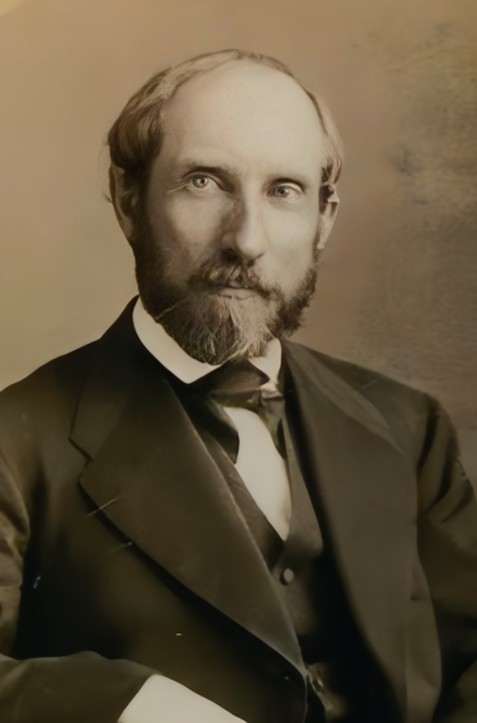
Root was destined for a musical career from birth. His parents christened him with the same name as the great German baroque composer George Frideric Handel. He was born on Aug. 30, 1820, in Sheffield, Massachusetts.
In his autobiography, “The Story of a Musical Life” (1891), Root recalled that he could play a simple tune on 13 different instruments by the time he was 13 years old. He said that from a young age, “The dream of [his] life was to be a musician.”
But friends, family, and neighbors didn’t support young George’s dream. The making of music in any capacity besides the church was deemed disreputable by the religious members of the community. Root didn’t know how to begin his musical career or even what kind of musician he wanted to be at this point, yet he continued to pursue music as a business.
According to his autobiography, his mother supported his artistic dreams: “’Go, my son, if you find the opportunity; I’ll get along in some way.’” In return for her selfless support, George responded, “’Mother, just let me get a start and you shall never want for anything.’”
Dreams and Hard Work
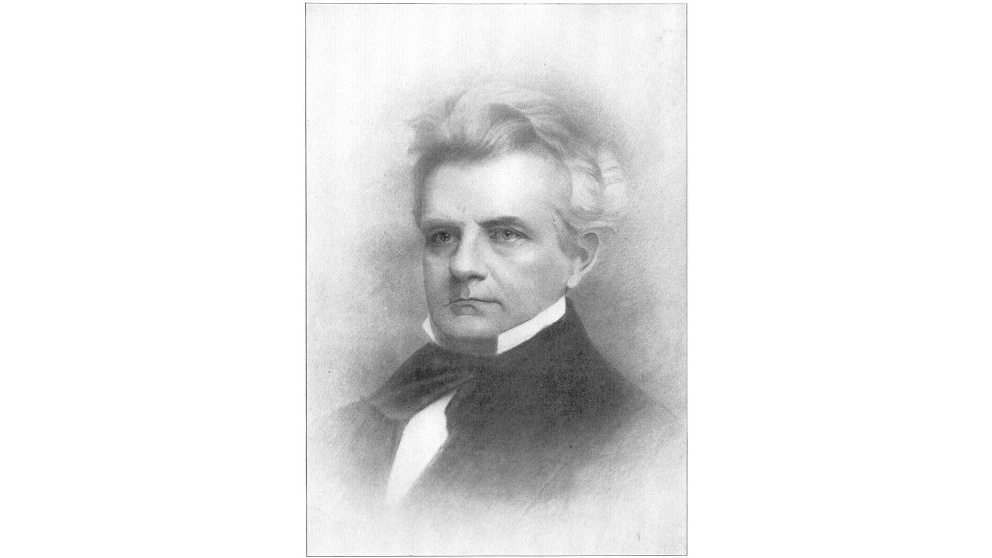
Root’s dream came true through a combination of chance and persistence. When he was 18, he accompanied a friend to Boston and called on A.N. Johnson, a choir leader, organist, and conductor of the Musical Education Society. One of Johnson’s choir members had recently visited Root’s village, and young George thought that “it would be heaven on earth to be in the midst of such opportunities.”
Thus, he turned up on the doorstep of Harmony Hall, Johnson’s workplace and abode, and asked for a position. He had little to recommend himself, since he could neither sing nor play the keyboard. Johnson hired him as a general caretaker, offering him room and board, the opportunity to learn and practice the piano, and a $3 weekly salary ($105 today). To George, this situation indeed seemed like heaven.
His musical training and career progressed swiftly. Within months, he had gone from Johnson’s apprentice to his business partner; he played the organ for several churches and started teaching piano lessons; and he’d begun a flute club, become an accomplished singer, and been accepted into several illustrious choirs.
He later attributed this rapid advancement to the primitive state of music in Boston at the time. He was working alongside Johnson, music director and banker Lowell Mason, and many other musical pioneers as they developed and introduced new musical forms throughout New England.
Root’s autobiography describes scenes of daily life in music schools, American church choirs, opera salons, and casual interactions with famous European composers. Anyone interested in the history of music in America should read his book for its historical significance as well as its delightfully candid style.
Root the Composer
Root had written simple songs for choirs and his students for years. In 1851, his first major work was published. He wrote “a little musical play … for girls and young ladies that might be useful.”
He was teaching at the Rutgers and Spingler Institutes and his students needed something to sing. To fill this need, he wrote what is considered America’s first secular cantata, “The Flower Queen: or The Coronation of the Rose.”
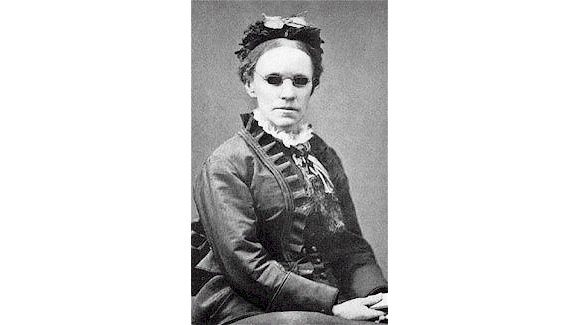
Since “the whole world was open” as subject matter, he decided “that the subject should be flowers choosing a queen.” For the lyrics, he turned to Fanny Crosby, a blind poet whom he knew through the Institution for the Blind, where he had taught for years. She wrote original poems along the themes he provided. The work was published by the New York firm of Mason Brothers. Although meant for his pupils, the work quickly proved popular with the general public.
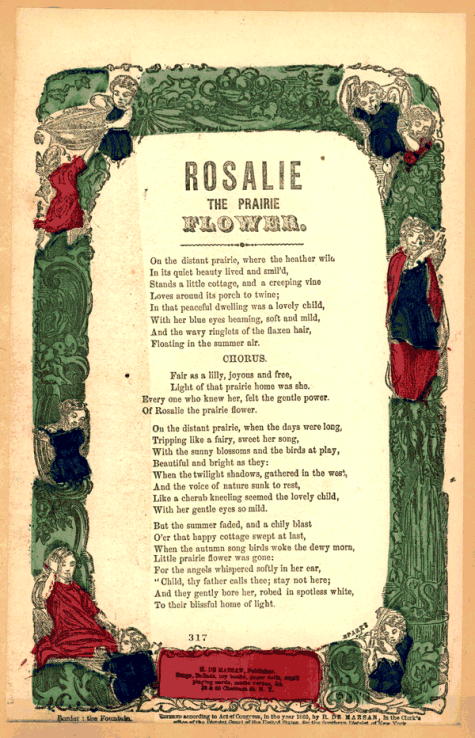
Root published dozens of sentimental popular ballads, many of which featured lyrics by Crosby. When he turned his hand to minstrel songs a la Stephen Foster, he wrote under the German pseudonym G. Friederich Wurzel to avoid associating his own name with “common songs.”
Neither his fine cantatas nor these beloved popular songs cemented Root’s legacy in the annals of American music. Instead, his Civil War songs did. He penned the first song about the Civil War, “The First Gun is Fired,” just days after the conflict began.
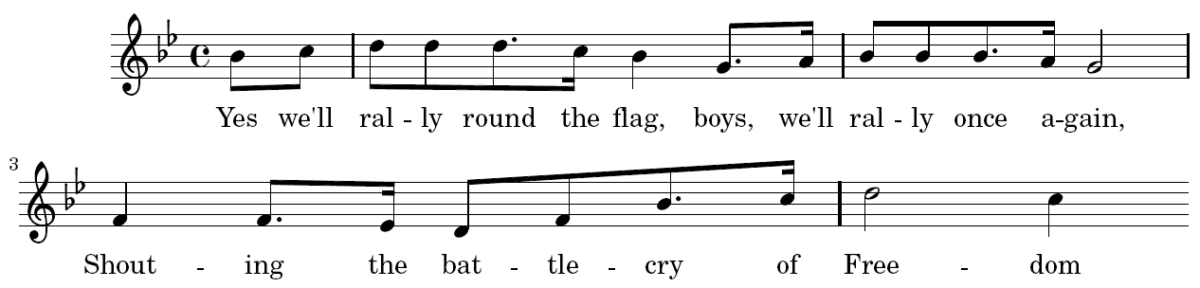
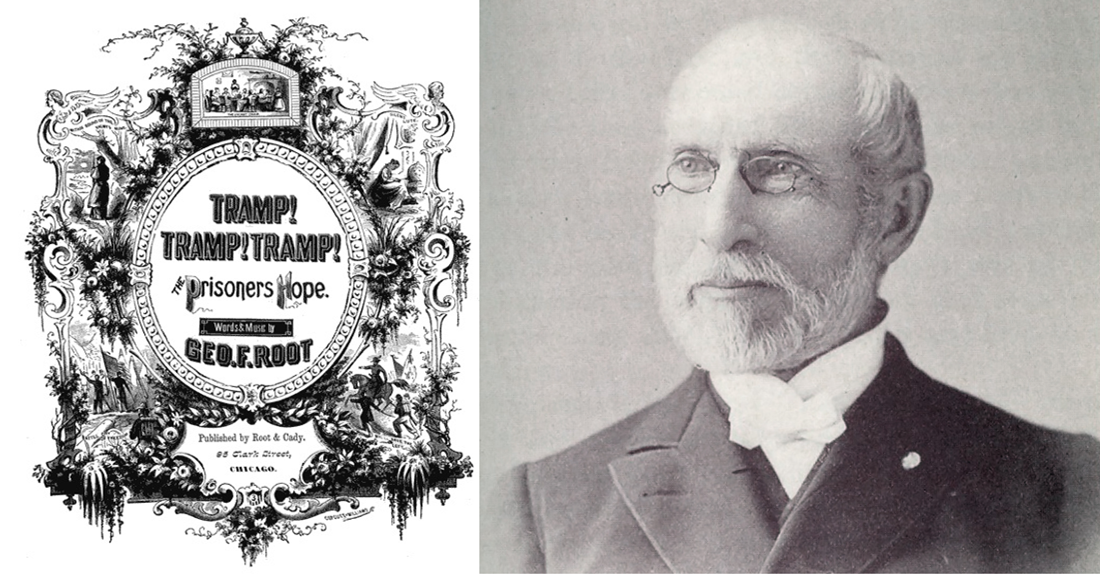
Although that song was only marginally successful, he went on to write at least 36 songs about the war, including the popular anthems “The Battle Cry of Freedom,” “Tramp! Tramp! Tramp!” and “The Vacant Chair.” He wrote many of the lyrics himself.
After the Civil War, Root was elected as an honorary 3rd Class Companion of the Military Order of the Loyal Legion of the United States. President Abraham Lincoln himself praised him for his musical contributions to the war effort. Lincoln’s 1864 reelection campaign even used a modified version of “The Battle Cry of Freedom.”
In 1872, the composer was awarded a Musical Doctor degree by the University of Chicago. Almost a century later, he was inducted into the Songwriters Hall of Fame.
Root’s life was filled with music. He loved it as a child. He inspired several of his siblings to become composers, music publishers, singers, or vocal instructors. His wife was a talented singer, and their children were inspired by this musical atmosphere. Two of them became composers themselves.
Although today his compositions are rarely remembered outside the context of the Civil War, his bold life of faith, patriotism, and dedication to musical instruction makes him a true American legend.
What arts and culture topics would you like us to cover? Please email ideas or feedback to features@epochtimes.nyc