



PG-13 | 1h 44m | Documentary, Technology | 2026
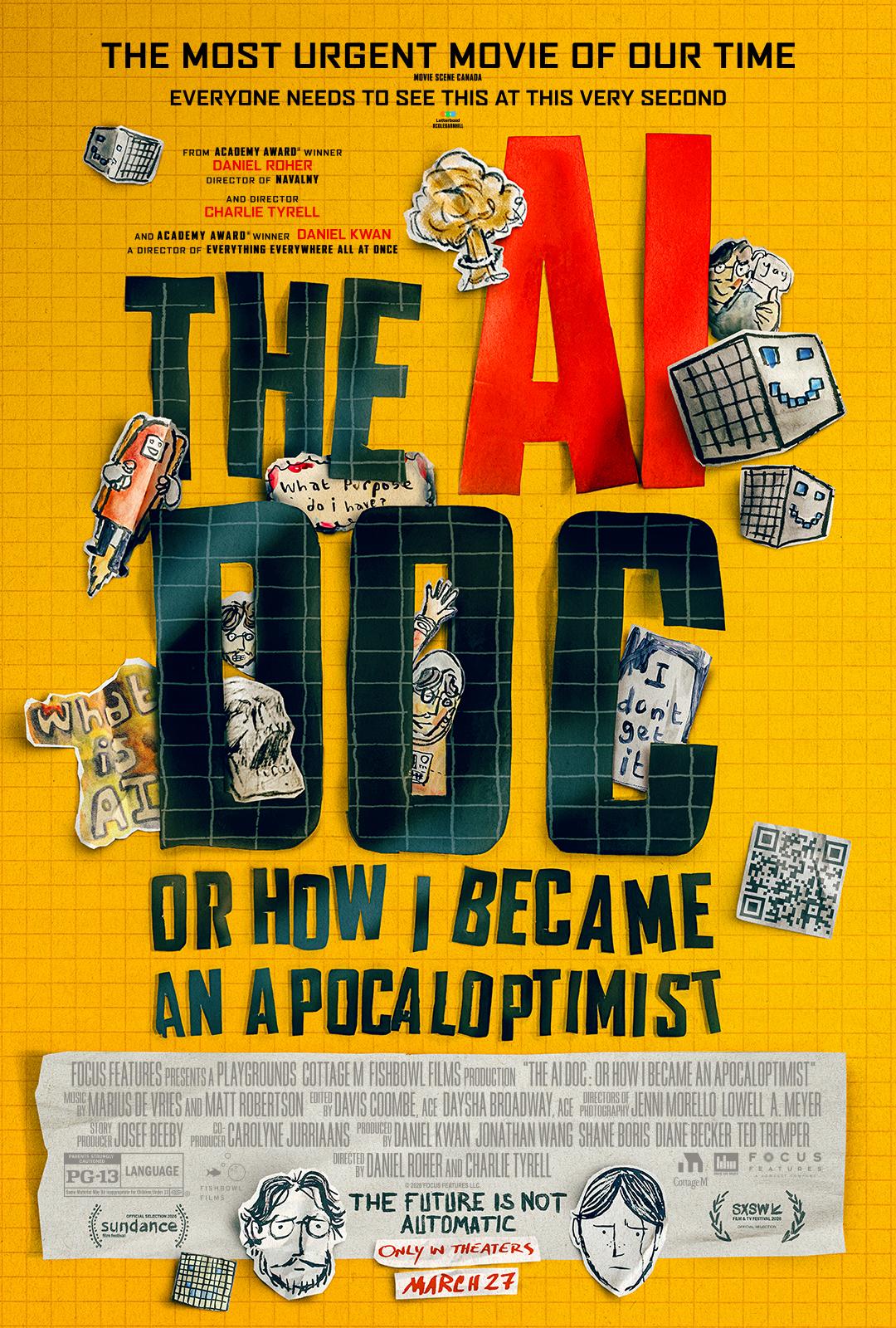
At about the halfway point in “The AI Doc: Or I Became an Apocaloptimist” (“AI Doc”), one of the two dozen or so interviewed artificial intelligence (AI) experts tells us pretty much everything we need to know about it.
He states, with sobering bluntness, that all the information he’s providing on the subject will be obsolete by the time the movie would be released.
This issue is as divisive as any in our modern times. The questions regarding the ethics, morality, potential benefits, and certain negative ripple effects have created two distinctly different groups: the detractors and the believers.

Weak Premise
The premise of the movie isn’t nearly as clever or original as likely intended. Interviewer and narrator Daniel Roher and his wife, Caroline Lindy, are expecting their first child. He wants to determine if this dominance of AI is the best time to bring a new child into the world.
As the option of terminating the pregnancy is never brought up, it’s safe to assume, no matter what they find out, pro or con, the couple will be welcoming their baby before the end of filming.
One thing the talking heads on both sides of the argument thoroughly agree on is that the AI genie is out of the bottle and will never return.
Roher and his codirector, Charlie Tyrell, present the opinions (sometimes presented as facts) of the two camps with amazing clarity and evenhandedness. For the duration, the filmmakers strictly adhere to the most basic and cardinal rule of documentaries: Remain neutral and don’t take sides.
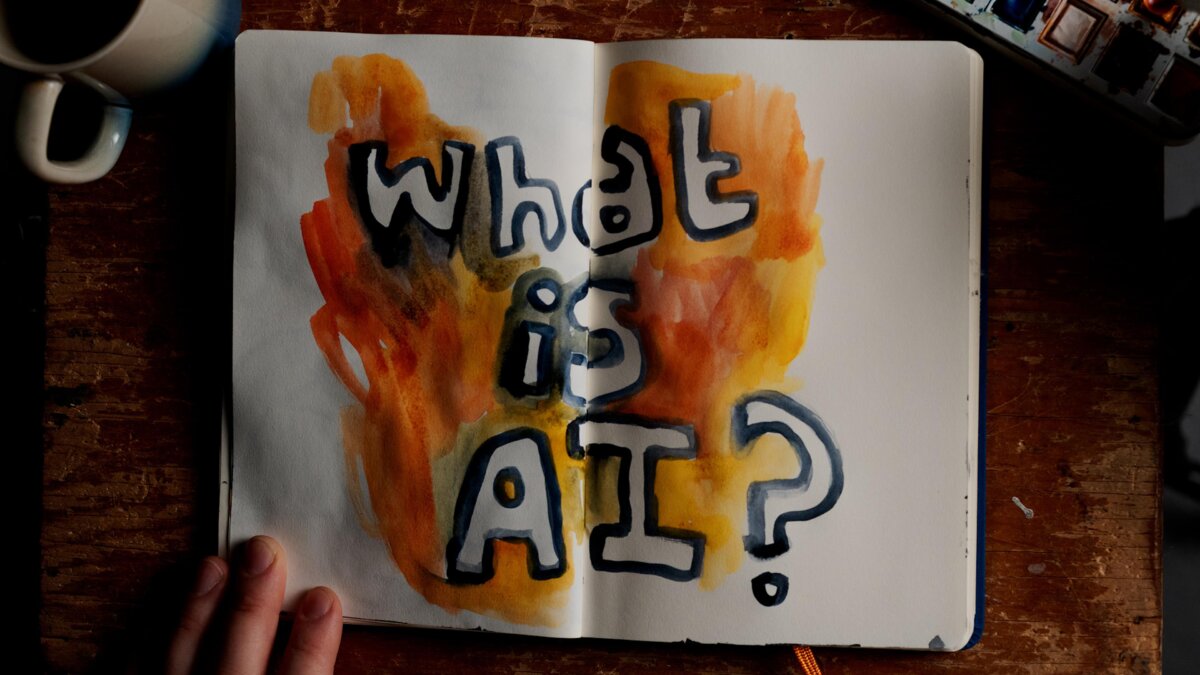
What surprised me the most was the talking heads’ inability to define AI. Being unable to make heads or tails of what is easily the most significant piece of technology ever created, from my perspective, is beyond unsettling. This becomes even more distressing when both sides agree that AI is its own entity. This means that it is no longer in need of human input in order to continue developing.
Again, both sides agree that AI is now exhibiting human-like characteristics, most notably free will and self-preservation. In a particularly stunning revelation, a question is posed to one AI entity: Would it kill a human if it felt threatened with termination? The AI answered in the affirmative.
Far less foreboding than hypothetical homicide, but far more likely to be played out on a global scale in the near future is that AI is replacing humans in the work force on practically every level.

Grill Master?
AI robots have been part of the food service industry for quite a while, and nobody really seems to mind. Flipping burgers isn’t what most people consider a challenging chore. It neither pays well nor offers much in the way of career advancement.
These opinions change drastically when the thought of AI replacing medical, scientific, and practical trade professionals gets bandied about. Are you OK with an AI robot repairing a leaky faucet or installing fancy track lighting? No? How about reading an X-ray to determine if you have lung cancer or operating on you to remove the cancer?
Or perhaps consider AI taking on the role of judge and jury by determining the guilt and possible punishment for someone accused of a death penalty crime. This was the premise of the recently released movie “Mercy” starring Chris Pratt. Don’t bother watching it. It’s awful.
Reel Versus Real
You want to watch a movie that portrays AI as a deadly villain? Check out Stanley Kubrick’s “2001: A Space Odyssey.” When threatened with disconnection, HAL the computer turns on the four scientists and ends up killing them. He kills four scientists, one on a mission and three in suspended animation.
There are literally hundreds of other movies and TV shows released over the last century that depict AI machines as deadly antagonists, and no one seems to make the connection to the real world.
When a machine—whose principal goal is survival—has the ability to neutralize any being it even remotely considers to be a threat, all of our days are numbered.
The film is now playing in select theaters.
‘The AI Doc: Or How I Became an Apocaloptimist’
Documentary
Directors: Daniel Roher, Charlie Tyrell
Running Time: 1 hour, 44 minutes
MPAA Rating: PG-13
Release Date: March 27, 2026
Rating: 3 1/2 stars out of 5
What arts and culture topics would you like us to cover? Please email ideas or feedback to features@epochtimes.nyc
