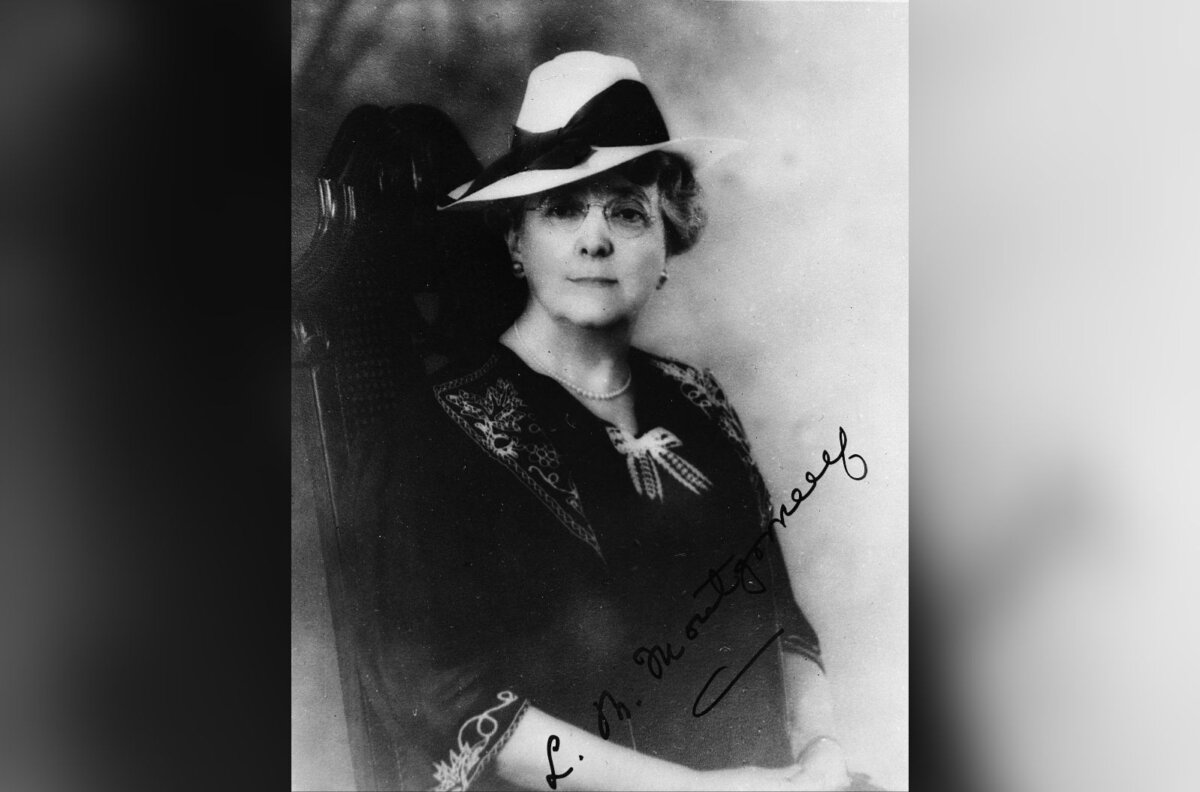
Life goes by quickly, so it’s foolish to be stubborn and willful, especially if it means losing love and loved ones. L.M. Montgomery emphasizes this lesson in her short story “The Setness of Theodosia.” She follows a newlywed couple as they struggle to choose between pride and love.
The Fracture of Shared Dreams
Wesley Brooke and Theodosia Ford marry after a three-year courtship and prove to be an extremely happy couple. They have a wonderful wedding and start a wonderful life together. Everyone remarks on how sweet and docile Theodosia is, and they can see the couple’s love for one another.
Yet their love is soon tested. One evening, Wesley comes home and tells Theodosia he wants to move west. He and a couple other men are thinking about moving to Manitoba, where they believe they can make a better living.
Theodosia listens patiently with a serene face. When Wesley asks for her opinion, she says the idea is foolish. Nettled by her bluntness, Wesley asks if she would go with him if he went. She simply responds, “No, I wouldn’t.” Despite this, Wesley believes he can persuade her.
For an entire fortnight, Wesley tries to change his wife’s mind. Finally, she makes him understand that her mind cannot be changed. She tells him plainly, “If you go to Manitoba, Wes, you’ll go alone. […] I’ll never go, so there is no use in any more talking.”
At last, she makes it clear that her will cannot be moved. She tells him plainly, “If you go to Manitoba, Wes, you’ll go alone. … I’ll never go, so there is no use in any more talking.”
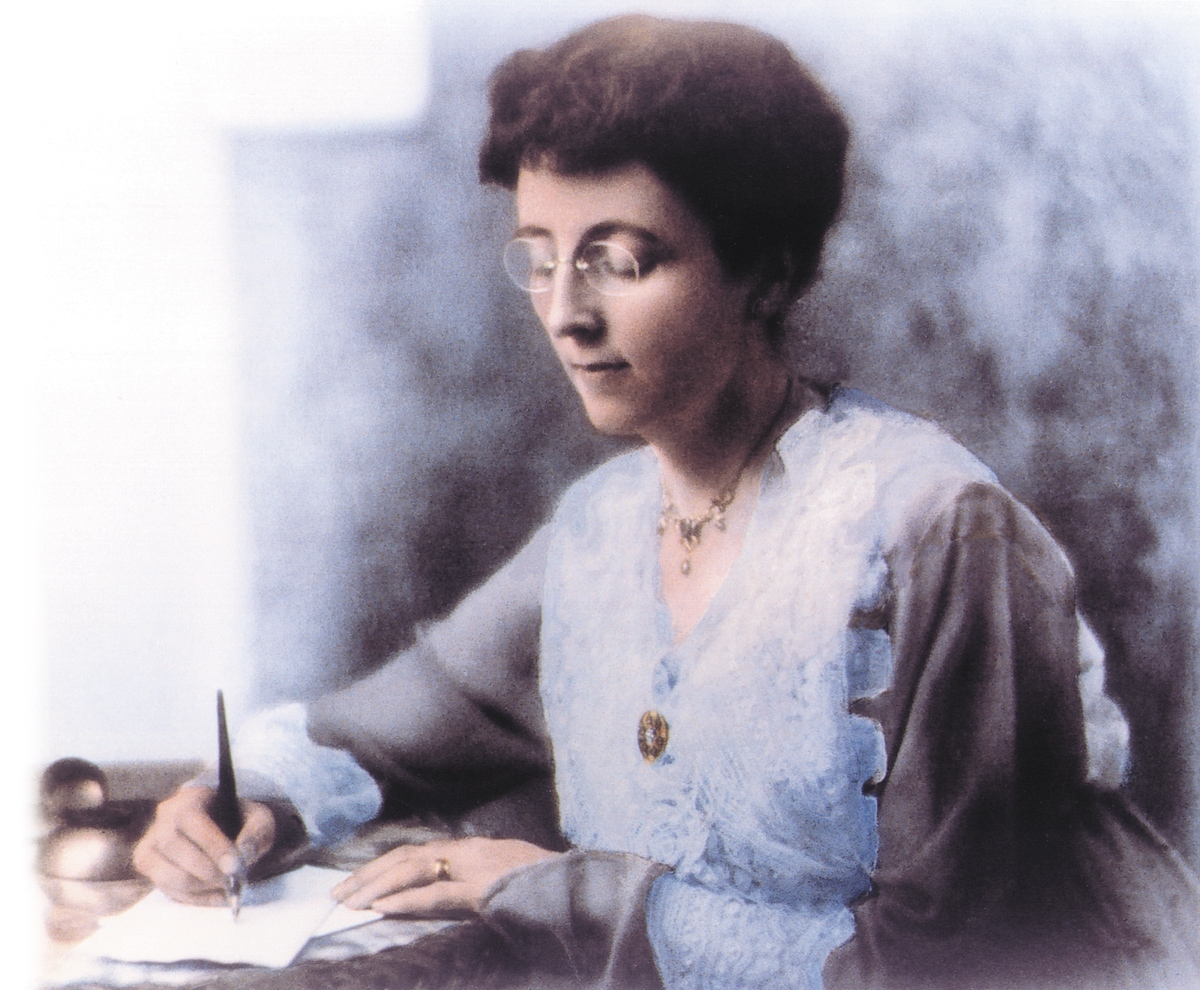
Yet Wesley, just as stubborn, refuses to yield. He decides that, whether comes or not, he will go to Manitoba. They make their decisions with unflinching resolve and, one day, Wesley and Theodosia say emotionless goodbyes and part.
The Longevity of an Iron Will
Fifteen years pass. Wesley remains in Manitoba, where he makes his fortune. Theodosia, on the other hand, lives a quiet life in their old house.
Yet Theodosia’s quiet life is suddenly interrupted when her friend, Mrs. Emory Merritt, arrives with troubling news: Wesley is sick and may be dying. At once, Theodosia’s composure falls away.
Wesley is sick? Possibly dying? Without hesitation she announces that she will need a ride to the station in the morning. The next day, she boards a train to Manitoba, hoping to reach him in time.
Through this story, Montgomery shows the danger of an unbending will and the beauty of healing and forgiveness. She echoes a similar idea found in “Tuesdays with Morrie” by Mitch Albom, quoting Morrie Schwartz: “Life is a series of pulls back and forth. … A tension of opposites, like a pull on a rubber band. Love wins. Love always wins.”
An unbending will pulls the tension until it is ready to break, but love loosens the willful hold and allows forgiveness to heal the soul. Montgomery urges: Let love win—and forgive before it’s too late.
What arts and culture topics would you like us to cover? Please email ideas or feedback to features@epochtimes.nyc