



PG | 1h 59m | Drama, Sports, Romance | 1976
Prior to 1976, there had been over 100 feature movies about boxing. Since 1976, there have been about 100 more, but none has had nearly the same level of lasting impact as “Rocky.”
In addition to being the highest-grossing movie of 1976, “Rocky” also won the Best Picture Oscar, a feat achieved just 11 times in close to a century of the Academy Awards. What’s far more impressive is that “Rocky” beat out four other contenders that many “experts” and film snobs felt were more deserving of the top prize.
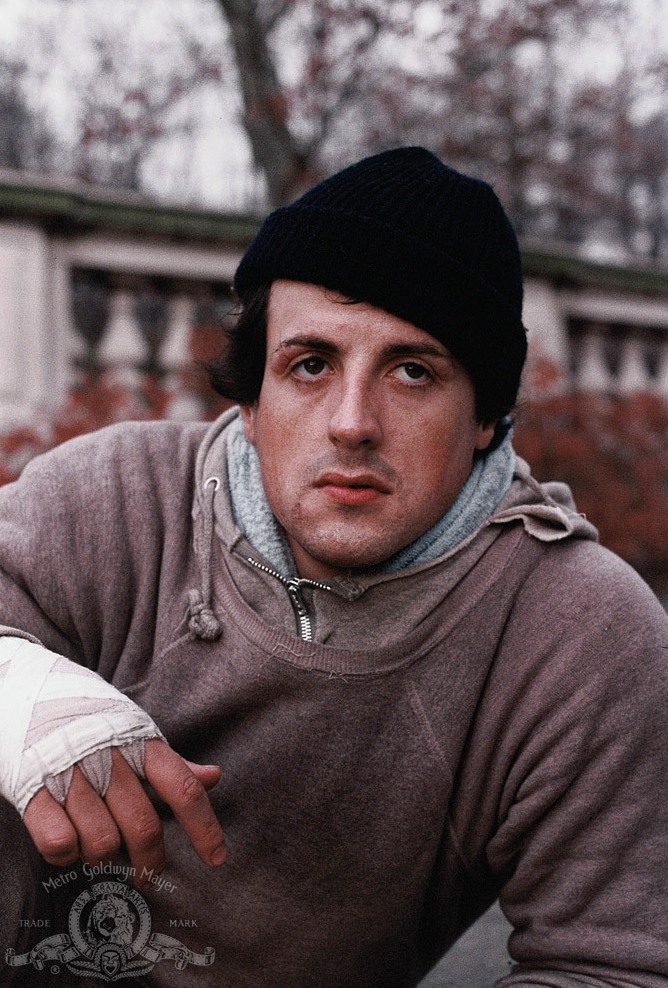
Not Downbeat
The other titles up for Best Picture that year were “All the President’s Men,” “Bound for Glory,” “Network,” and “Taxi Driver.” In their own unique ways, all of these movies are excellent and were more than deserving of nominations. Although the plots of each vary a great deal, they have one thing in common: They’re all downbeat, and “Rocky” isn’t. That’s the big reason why “Rocky” emerged victorious.
Other than “The Sting” in 1973, all previous Best Picture winners of the ’70s were also downbeat. So what tipped the scales for “Rocky”?
In addition to being upbeat, “Rocky” is textbook underdog uplift. It lacked pretense. It spoke to the working class without speaking down to them. It wasn’t overly fussy or complicated.
Ultimately, it was “cinematic comfort food” for a deeply divided nation. Watergate and two assassination attempts on President Gerald Ford were barely in the rearview mirror, and record inflation was within sight on the near horizon.
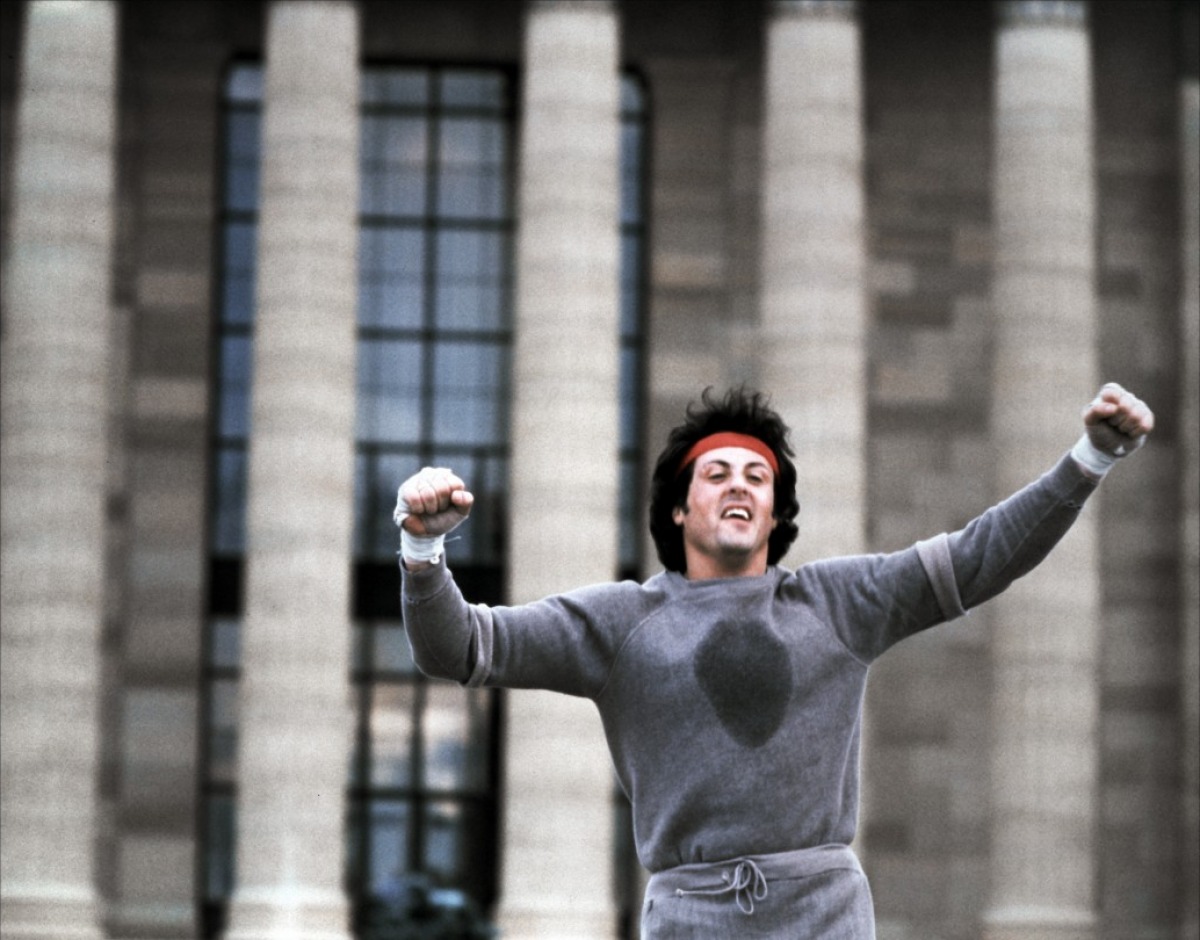
Not only was the story about an underdog boxer, but it was written by, choreographed by, and starred a mostly unknown performer (Sylvester Stallone), who refused to compromise or bend the knee to the studios. Many prominent studios and producers loved Stallone’s screenplay and were willing to pay more than the asking price if a higher-profile actor would be cast in the title role. He refused.
Enter Fonzie
Ultimately, it was Henry Winkler (Stallone’s friend and costar in “The Lords of Flatbush”) who sealed the deal. At the time, Winkler played Fonzie in “Happy Days” and carried enough clout to convince producers Irwin Winkler (no relation) and Robert Chartoff to green-light the film.
At first blush, “Rocky” suggests a hearty hybrid of three 1950s classics: “Marty,” “Somebody Up There Likes Me,” and “On the Waterfront.”
Like Marty, Rocky has a difficult time translating his thoughts into words, especially in a romantic context. He has a not-so-secret crush on Adrian (Talia Shire), a meek and mousy pet store employee who’s so shy she can barely speak. Shire’s understated performance is light-years removed from her extroverted role of Connie in the first two “Godfather” movies.
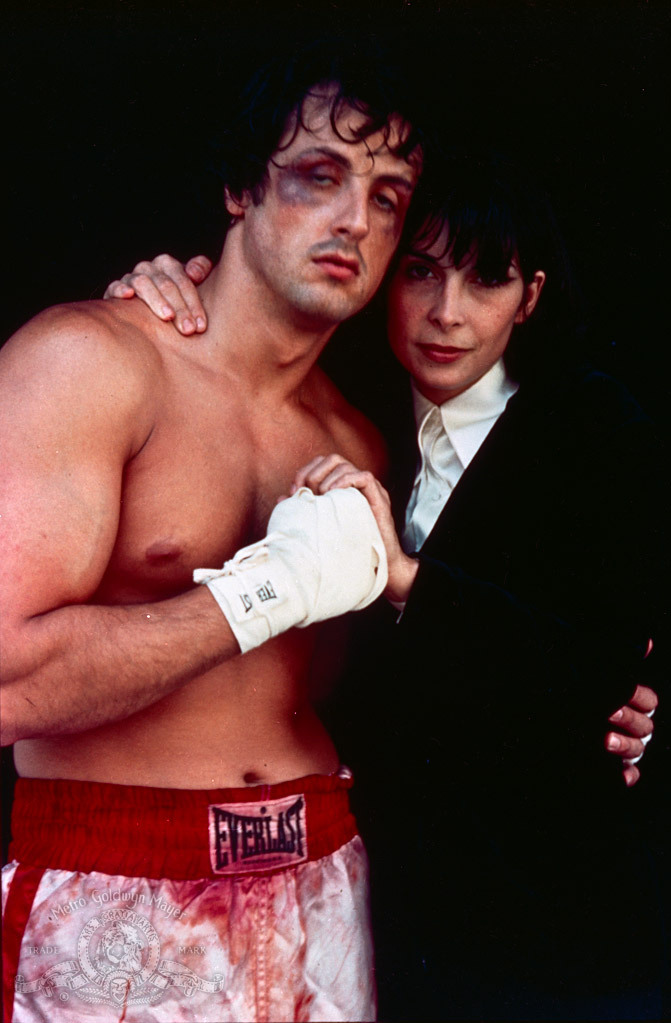
Following Paul Newman in “Somebody” and Marlon Brando in “Waterfront,” Sylvester Stallone as Rocky journeys from nobody to somebody is a natural update and an extension of the two earlier characters. There’s also a nod to the organized crime from “Waterfront” with Rocky’s working as a low-rent bagman for the local crime boss.
In retrospect, this minor subplot early in the runtime should’ve been jettisoned, as it semi-romanticizes the mob. It’s also during this stretch that Rocky asks multiple people how to spell “Del Rio.”
The principal plot point of the narrative centers on the Muhammad Ali-like Apollo Creed (Carl Weathers), the reigning world heavyweight champion. Creed and his team are promoting a bicentennial-themed title fight, but they hit a snag when the scheduled opponent gets injured mere weeks before the New Year’s Day bout.
The Italian Stallion
Instead of following logic and pegging another top-ranked contender as a substitute, Creed offers the gig to Rocky because the former likes the latter’s ring nickname, “The Italian Stallion.” (Neat factoid: The name “Stallone” is the Italian word for stallion.)
Alternating between guarded elation and nagging self-doubt, Rocky makes it his mission not to win but rather to just last the full 15 rounds, itself a major accomplishment.
Upon reflection, just how Stallone and director John G. Avildsen wrap it all up was a minor masterstroke and defied all probable outcomes.
Costing less than $1 million to produce, “Rocky” eventually earned over $225 million worldwide, making it one of the most profitable movies ever produced.
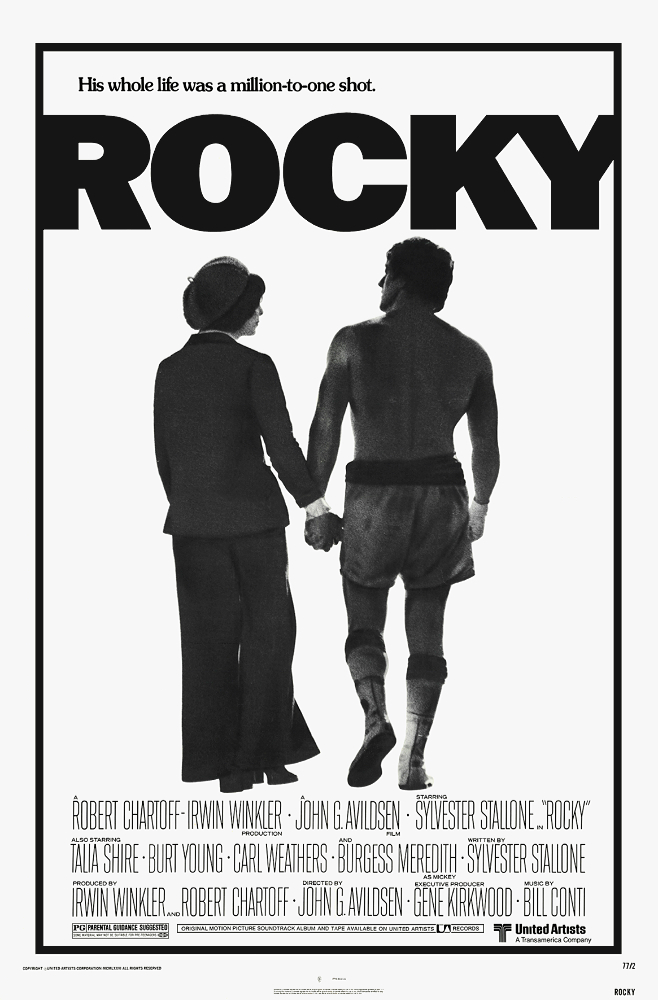
It’s not the oldest franchise property. “Godzilla,” “King Kong,” “James Bond,” and “Planet of the Apes” all came first. However, “Rocky” is the oldest with the same lead for the entire series. Stallone starred in all six “Rocky” movies and also played the Rocky character in the first two “Creed” spinoffs.
For reasons both good and bad, practically every franchise to follow in the “Rocky” wake has rarely strayed from that initial 1976 blueprint, including two more Stallone projects: “Rambo” and “The Expendables.”
From a creative perspective, franchises are lazy and unimaginative, but from a financial viewpoint, they’re ultra-dependable cash cows that will never disappear.
Profit will always overshadow movie art, but for one brief moment in 1976, the two were on equal footing.
The movie is available on home video. For streaming options, visit justwatch.com.
‘Rocky’
Director: John G. Avildsen
Stars: Sylvester Stallone, Talia Shire, Carl Weathers, Burgess Meredith
Running Time: 1 hour, 59 minutes
MPAA Rating: PG
Release Date: Nov. 20, 1976
Rating: 4 stars out of 5
What arts and culture topics would you like us to cover? Please email ideas or feedback to features@epochtimes.nyc
