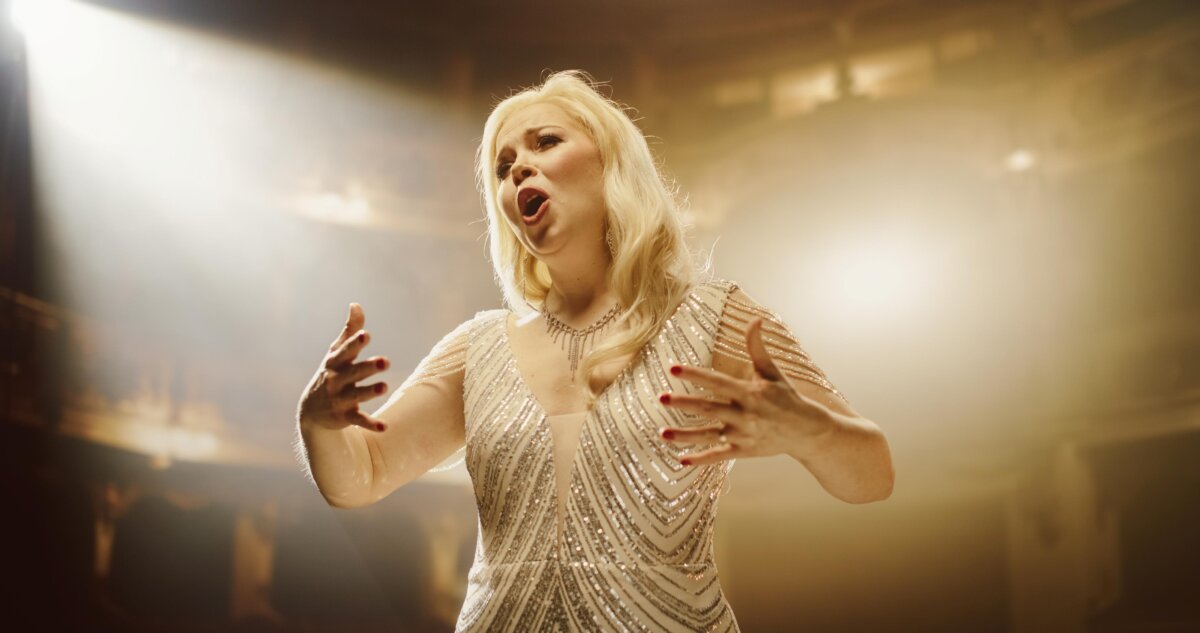
Classical Italian vocal music is noted for its drama and emotion. Most famously displayed by grand operas, this level of pathos appears even in “arias”—the Italian word for solo songs.
It’s printed on every page of the three-volume collection “Arie Antiche,” a collection of the best soloistic vocal songs 16th- and 17th-century Italy had to offer. When musicologist Alessandro Parisotti selected nearly 100 songs from decaying manuscripts in the late 19th century, he doubtless chose those with the most memorable melodies and compelling themes.
Since all these songs express intense emotions, it can be hard to tell whether they originated as freestanding songs or excerpts from larger works. Some of the most popular entries were written for operas now largely forgotten. One such example is “O cessate di piagarmi” (“O cease to wound me”).
Scarlatti, the Composer
“O cessate di piagarmi” is the fifth song in the first volume of “Arie Antiche.” It was composed by Alessandro Scarlatti (1659–1725). Although born in Sicily, Scarlatti became the primary founder of the Neapolitan school of opera.
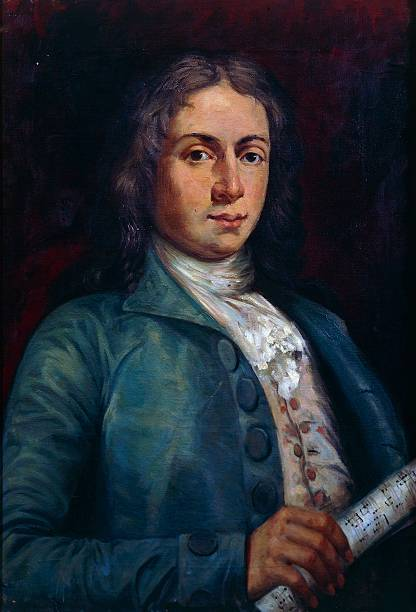
In addition to his impressive output across the era’s popular styles, he’s credited with developing important musical styles including the “da capo” aria, the three-movement Italian overture, and the four-part sonata. He also bridged musical eras by defining the theatrical stage of 17th-century opera.
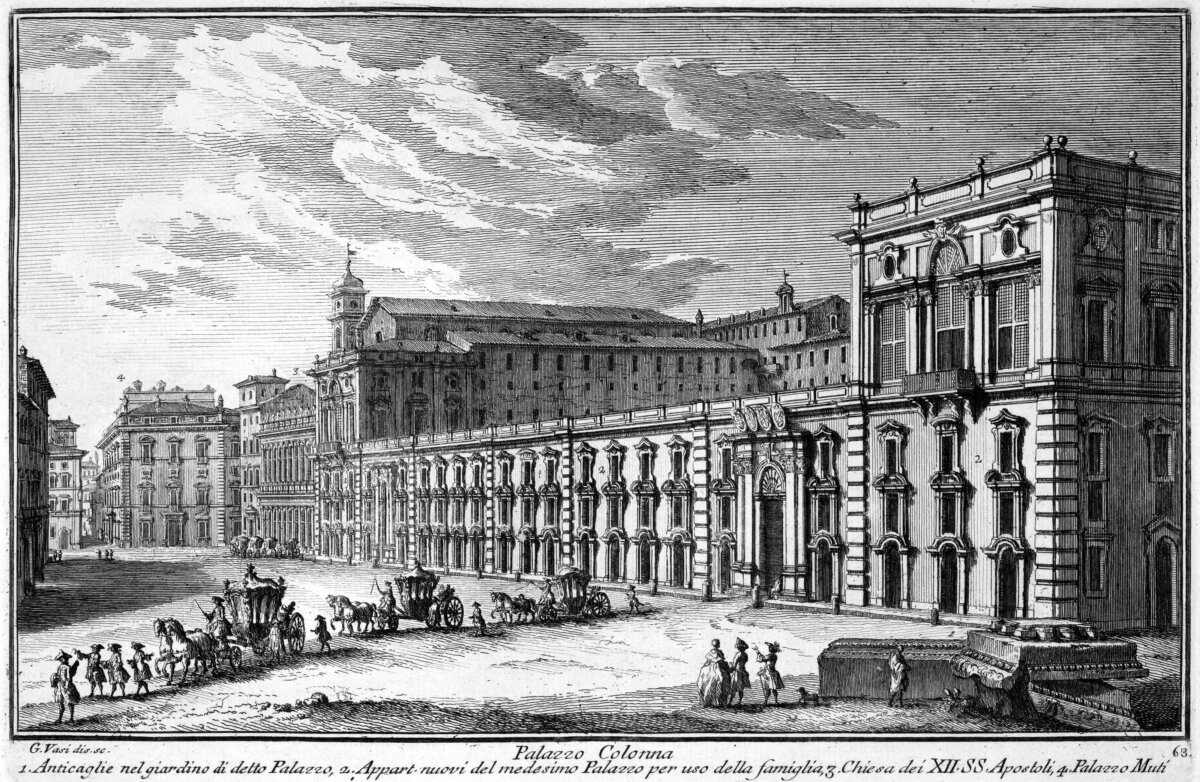
The aria comes from Scarlatti’s fourth opera, “Il Pompeo,” composed in 1682 when he was 22 and premiered on Jan. 25, 1683, at the Colonna’s private theater in Rome.
Like most of Scarlatti’s operas, “Il Pompeo” followed the popular trend of drawing on Roman history. Most characters were real figures from the last century B.C., including Julius Caesar, the titular character Pompey the Great, and their children.
In his foreword, Parisotti acknowledged Scarlatti as “potent in artistic conception, of most fertile and versatile genius.” He added that this song “well exhibit[s] his power of appealing to the feelings.” This aria is an excellent example of Scarlatti’s “flowing style … united with elegance, yet simplicity, of form.”
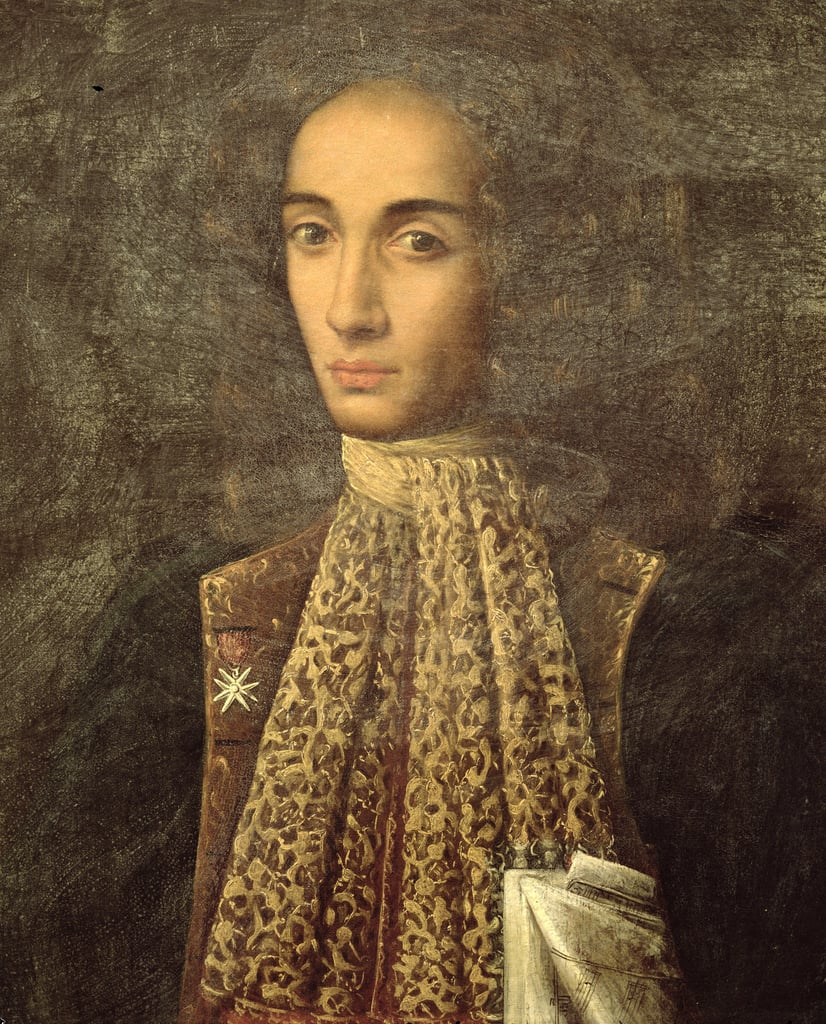
A Wounded Heart
In the opera, Sesto (Sextus), Pompeo’s son, sings the aria to the deposed queen of Pontus, Issicratea. The English translation of the lyrics is as follows:
O cease to wound me,
Or let me die.
Ungrateful, pitiless eyes
More than ice and more than marble,
They are cold and deaf to my torture!
Count Nicolò Minato, a lawyer turned poet and impresario, wrote the libretto (text) of this opera. Minato produced an impressive output of opera libretti first in Venice and later in Vienna.
By the time Scarlatti wrote “Il Pompeo,” he was resetting Minato’s libretto for the 1666 opera “Pompeo Magno” (Pompey the Great), by the poet’s frequent collaborator, Francesco Cavalli.
The brief but emotional aria typifies this era: pleading for a romantic interest’s affection, poetic metaphors of cruelty, and predictions of death.
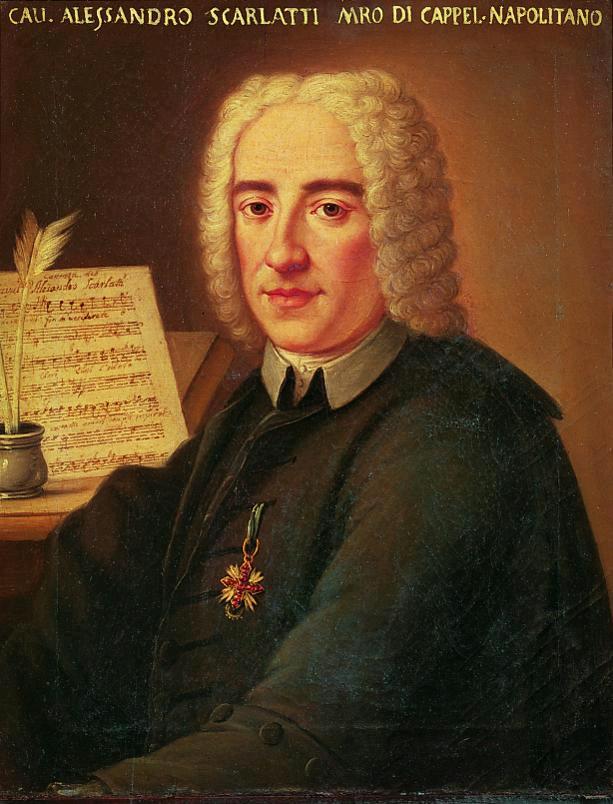
The composer used his signature repetitive form, beginning and ending with the pathetic plea: “O cease to wound me, or let me die!” As in most songs of this kind, it’s unclear whether this impending death will be self-inflicted or the fatal effects of a broken heart.
Parisotti’s Touch
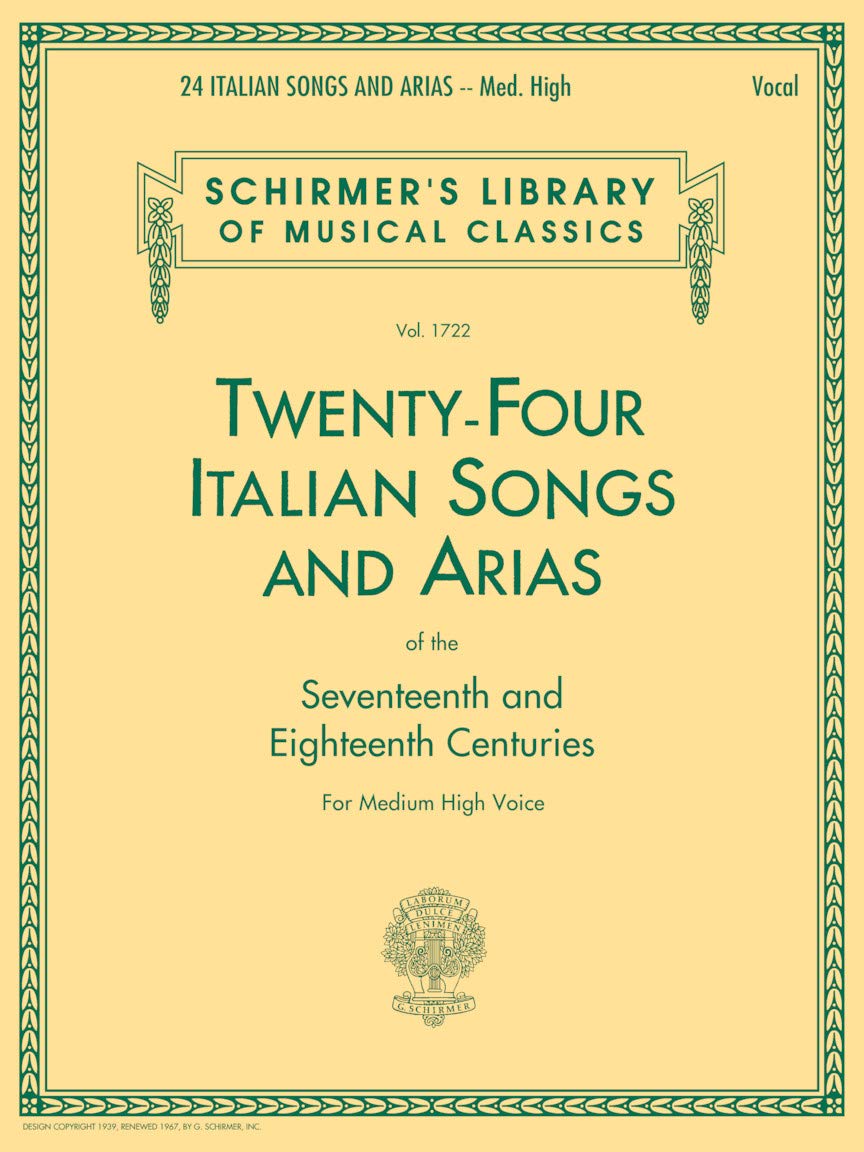
“O cessate” was included in G. Schirmer’s 1948 highlight collection, “Twenty-Four Italian Songs and Arias, drawn from the first two volumes of “Arie Antiche.” While this kept the song in the standard repertoire, it perpetuated Parisotti’s editorial interventions.
In 1991, musicologist John Glenn Paton restored these songs to historical accuracy in his “26 Italian Songs and Arias,” providing context for the original Parisotti edits. Paton demonstrated that Parisotti shortened the piece by omitting the piano introduction, ritornello (an instrumental interlude played between stanzas and at the end), and the poem’s second stanza.
The restored second stanza intensifies the dramatic accusations:
More than a snake, more than an asp,
Cruel and deaf to my sighs,
Proud eyes, blind and haughty,
You can heal me again,
Yet you enjoy my languishing.
Parisotti also wrote new accompaniments for all the “Arie Antiche” because the baroque figured bass and orchestral arrangements would have seemed outdated in the late 19th century. These accompaniments have become so associated with the arias that they now define the piece for many listeners.
Paton noted that Parisotti’s changes “reverse the symbolism” in the song’s “repeated melodic tones,” which “symbolize fascination, while the moving bass part conveys emotional restlessness.” His “numerous musical alternations … increase melodic movement in the voice part and decrease it in the bass.”
Operatic Song
Perhaps because it was composed for an opera, “O cessate” has been performed and recorded by many famous opera stars, including soprano Angela Gheorgiu and tenor Jose Carreras. These recordings tend to be overly melodramatic for the era in which they were composed.
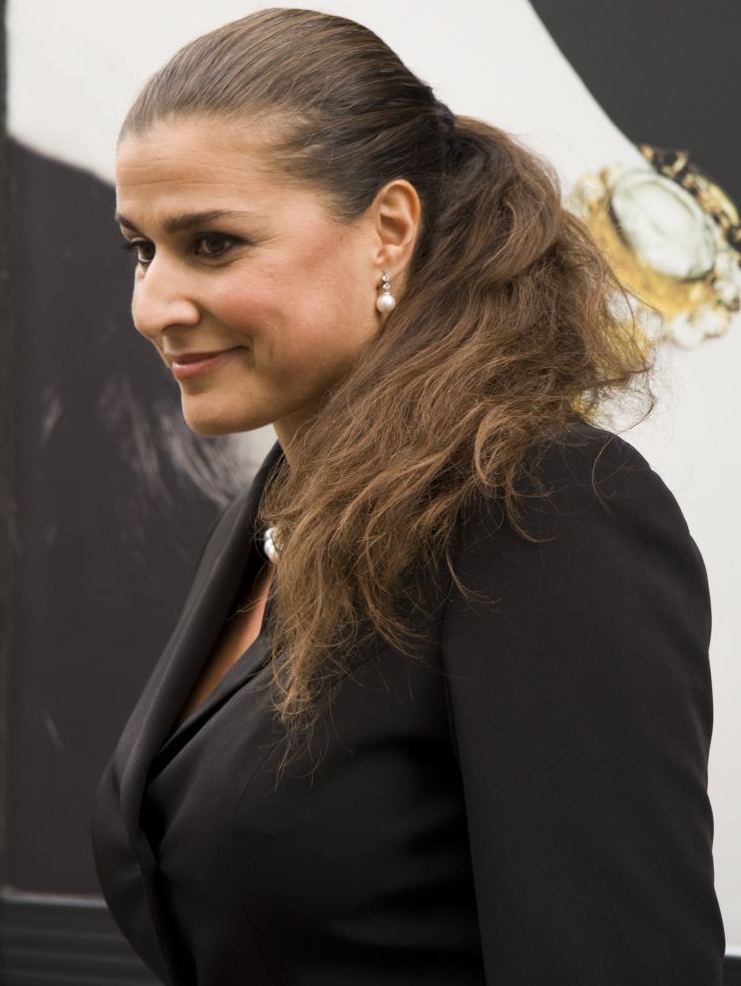
The cleanest recording of the standard Parisotti arrangement is by Italian mezzo-soprano Cecilia Bartoli, whose recordings of the “Arie Antiche” are consistently among the best.
The role of Sesto was originally played by an alto castrato, a man with an unchanged voice who sang in the alto range. Thus, the most historically accurate modern voice type to render this song would be the countertenor, a man who’s trained to sing with a sustained falsetto for an unnatural female sound.
For a historically informed performance of the song, I recommend this recording by obscure countertenor Douglas Dodson. The visual aspect of the recording is not very professional, but he follows Paton’s edited version and uses flawless baroque style with a beautifully pure tone.
It’s easy to see why Scarlatti was considered a genius in his day. Music of this kind is so different from what we hear today, but its pure, simple beauty can still touch the soul centuries later.
Correction: A previous version of this article misspelled Alessandro Scarlatti’s last name in the headline and main photo caption. The Epoch Times regrets the error.
What arts and culture topics would you like us to cover? Please email ideas or feedback to features@epochtimes.nyc