



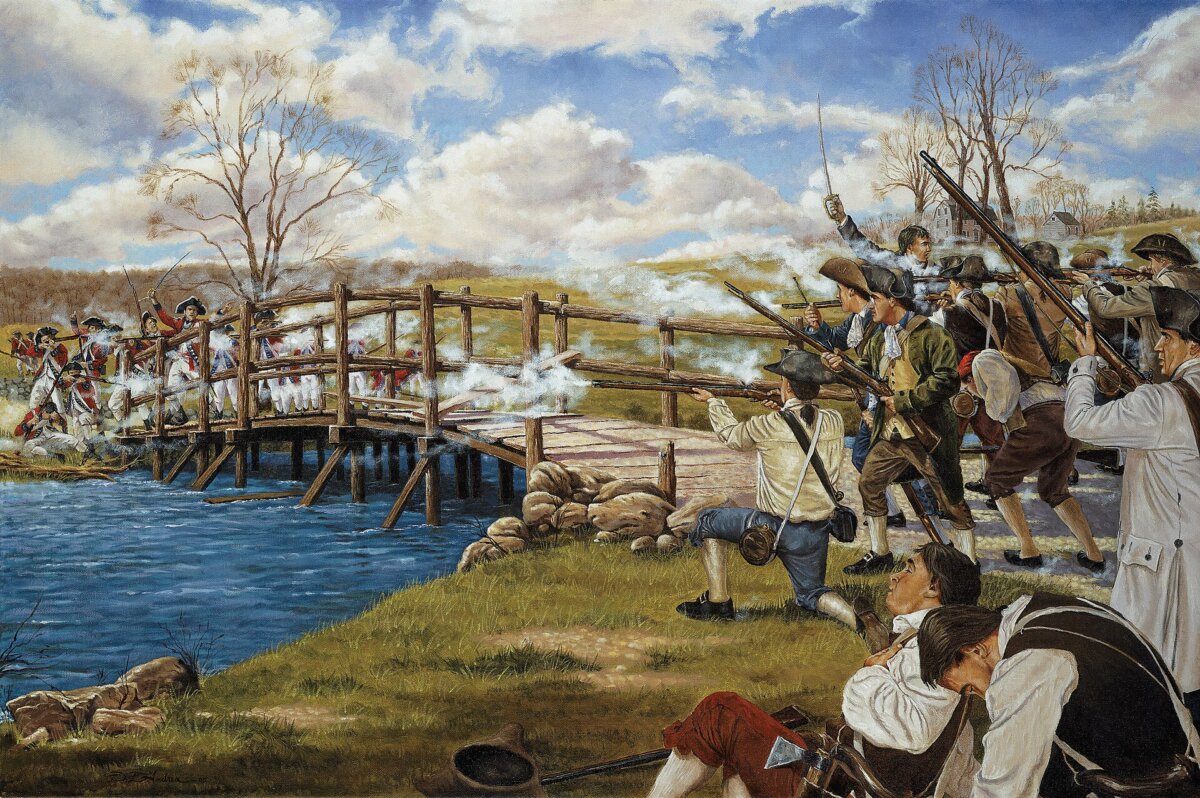
By the rude bridge that arched the flood,
Their flag to April’s breeze unfurled,
Here once the embattled farmers stood
And fired the shot heard round the world.
The foe long since in silence slept;
Alike the conqueror silent sleeps;
And Time the ruined bridge has swept
Down the dark stream which seaward creeps.
On this green bank, by this soft stream,
We set today a votive stone;
That memory may their deed redeem,
When, like our sires, our sons are gone.
Spirit, that made those heroes dare
To die, and leave their children free,
Bid Time and Nature gently spare
The shaft we raise to them and thee.
This year, the United States celebrates the 250th anniversary of the signing of the Declaration of Independence. It’s worth reflecting on the price patriots paid so that we might celebrate today. April 19th is the 201st anniversary of the Battles of Lexington and Concord, the first battles of the American Revolutionary War. The first shot of the eight years of war that followed those battles became what, in his poem “Concord Hymn,” Ralph Waldo Emerson called “the shot heard round the world.”
When he wrote “Concord Hymn” in 1837, Emerson (1803–1882) was no distant observer of the events he described. In fact, he wrote the poem from the second floor study of the Old Manse, the house built by his grandfather Rev. William Emerson in 1770. From the window of the study, he could look out over the site of the Battle of Concord, which was a stone’s throw from the house.
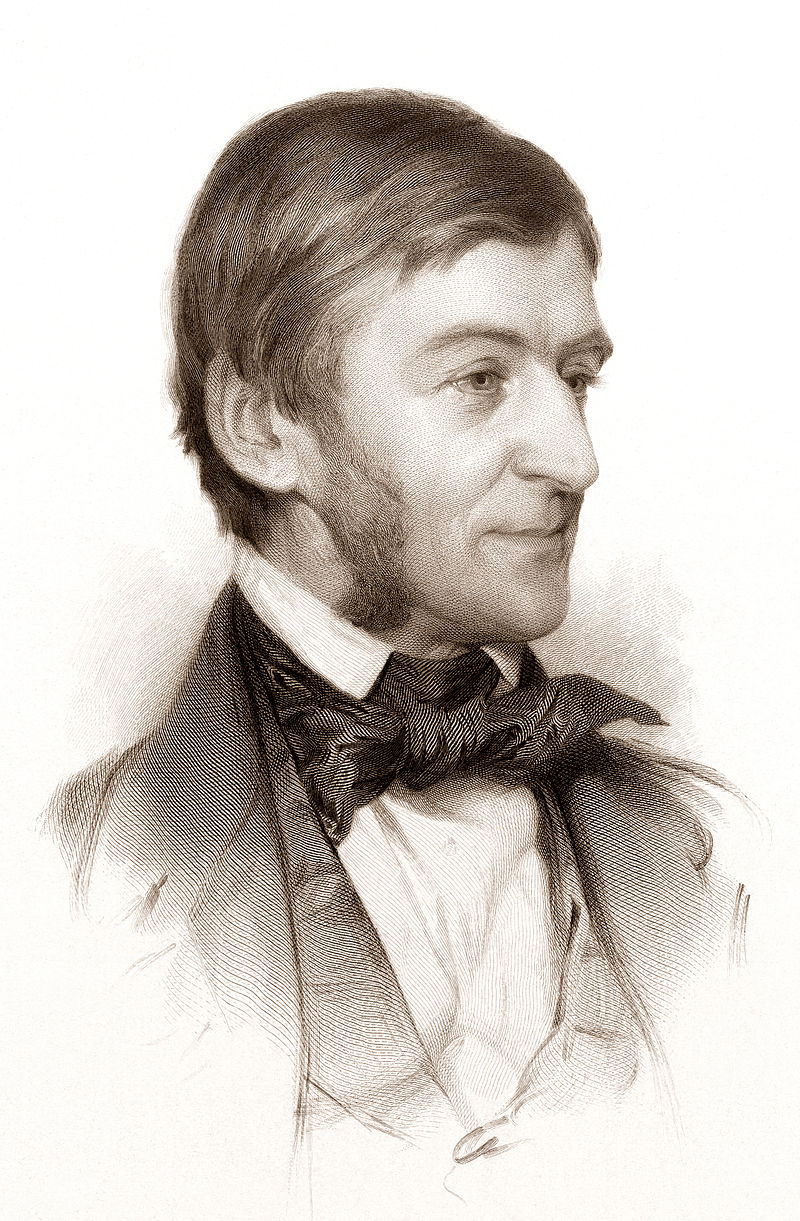 Engraving of Ralph Waldo Emerson, 1878, by Stephen Alonzo, Schoff. Library of Congress. (Public Domain)
Familial Ties
Beyond his own physical proximity to the site of the conflict, he had a familial tie to the events at the outbreak of the American Revolution. William Emerson’s family had watched the battle at the North Bridge conflict in 1775. Nathaniel Hawthorne (1804–1864), who came to rent the Old Manse in 1842, wrote:
“It was at this window that the clergyman, who then dwelt in the Manse, stood watching the outbreak of a long and deadly struggle between two nations; he saw the irregular array of his parishioners on the farther side of the river, and the glittering line of the British, on the hither bank. He awaited, in an agony of suspense, the rattle of the musketry. It came—and there needed but a gentle wind to sweep the battle-smoke around this house.”
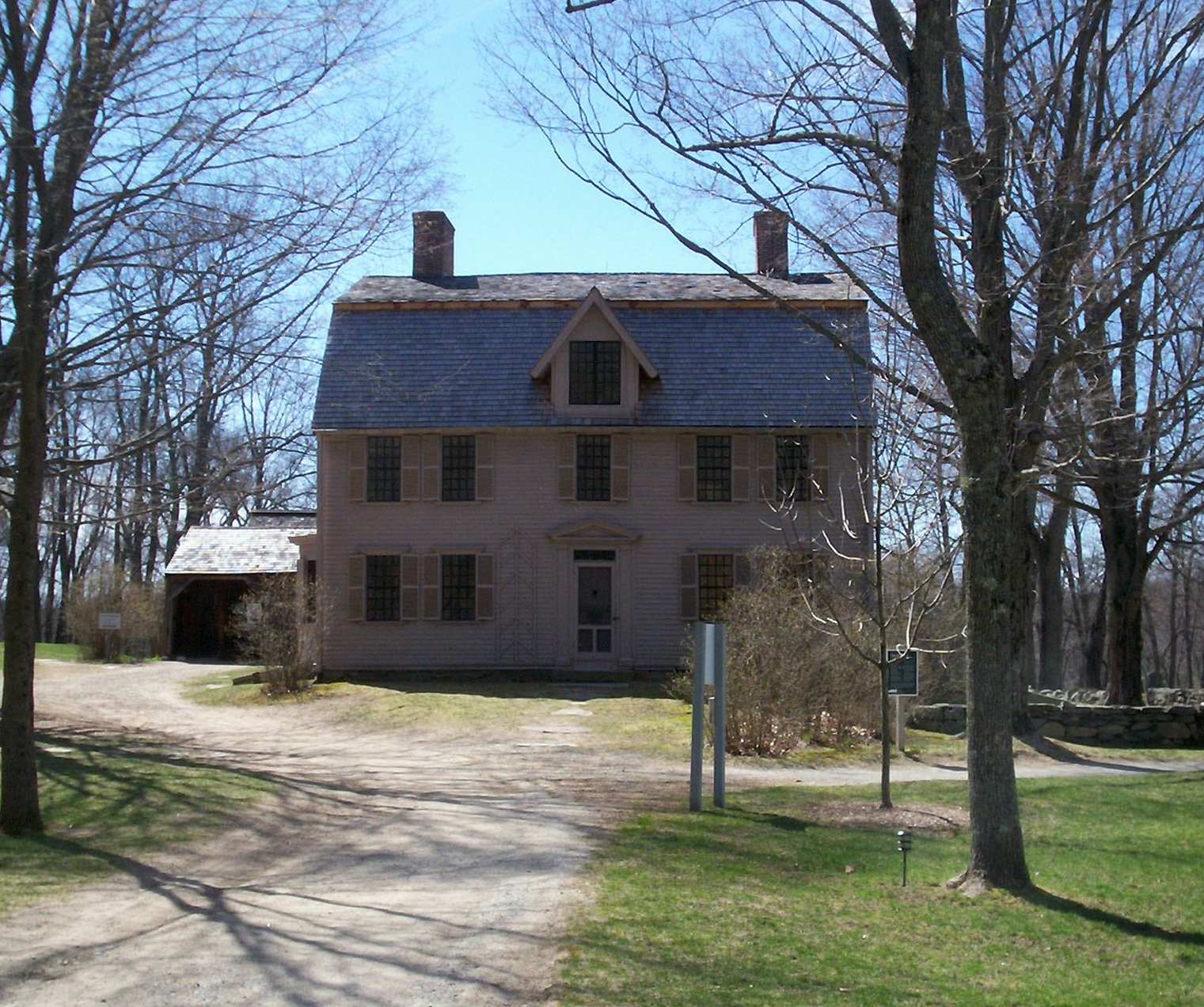 The Old Manse in Concord, Mass. (Midnightdreary/CC BY-SA 3.0)
The Old Manse stood as a silent witness to the first events of the American Revolution, but William Emerson was a more vocal witness. During many of his sermons, he exhorted his congregation to stand up to the British. In one of his sermons, he said, “Arise! my injured countrymen! and plead even with the sword, the firelock and the bayonet, plead with your arms the birthright of Englishmen, the dearly-purchased legacy left you by your never-to-be-forgotten ancestors.
The poem his grandson wrote more than 60 years later shows the same consciousness that American freedom was “dearly purchased” by those who were willing “To die, or leave their children free.”
The Morning of the Battle
On the morning of April 19th, British troops were sent to seize weapons and military stores hidden by the Massachusetts militia in Concord. They marched through Lexington and were met by a militia of more than 70 men led by John Parker. It’s unclear who fired the first shot, as both sides were under orders not to shoot. The battle left eight Americans dead and 10 wounded, and the British proceeded to Concord.
Later that same morning, a militia of about 400 Patriots went to secure the Old North Bridge. Intimidated by the numbers and orderly advance of the minutemen, the Redcoats opened fire, killing two Americans. The minutemen responded with the shot heard round the world, killing three British soldiers and wounding nine others, the first British casualties of the war. The British troops withdrew towards Boston, repeatedly ambushed by minutemen along the way. The American Revolution had begun.
In 1837, an obelisk was constructed at the site of the battle, and “Concord Hymn” was sung during the monument’s dedication on July 4th. In 1875, the first verse was engraved on the base of the minuteman statue that stands on the opposite bank of the Concord River from the Battle Monument.
Samuel Hoar, a lawyer and politician from Massachusetts, said that the North Bridge was the site of the “first forcible resistance” to British aggression (although, according to the National Park Service, several citizens of Lexington took umbrage to this statement and said that the first resistance took place at the Lexington Battle Green).
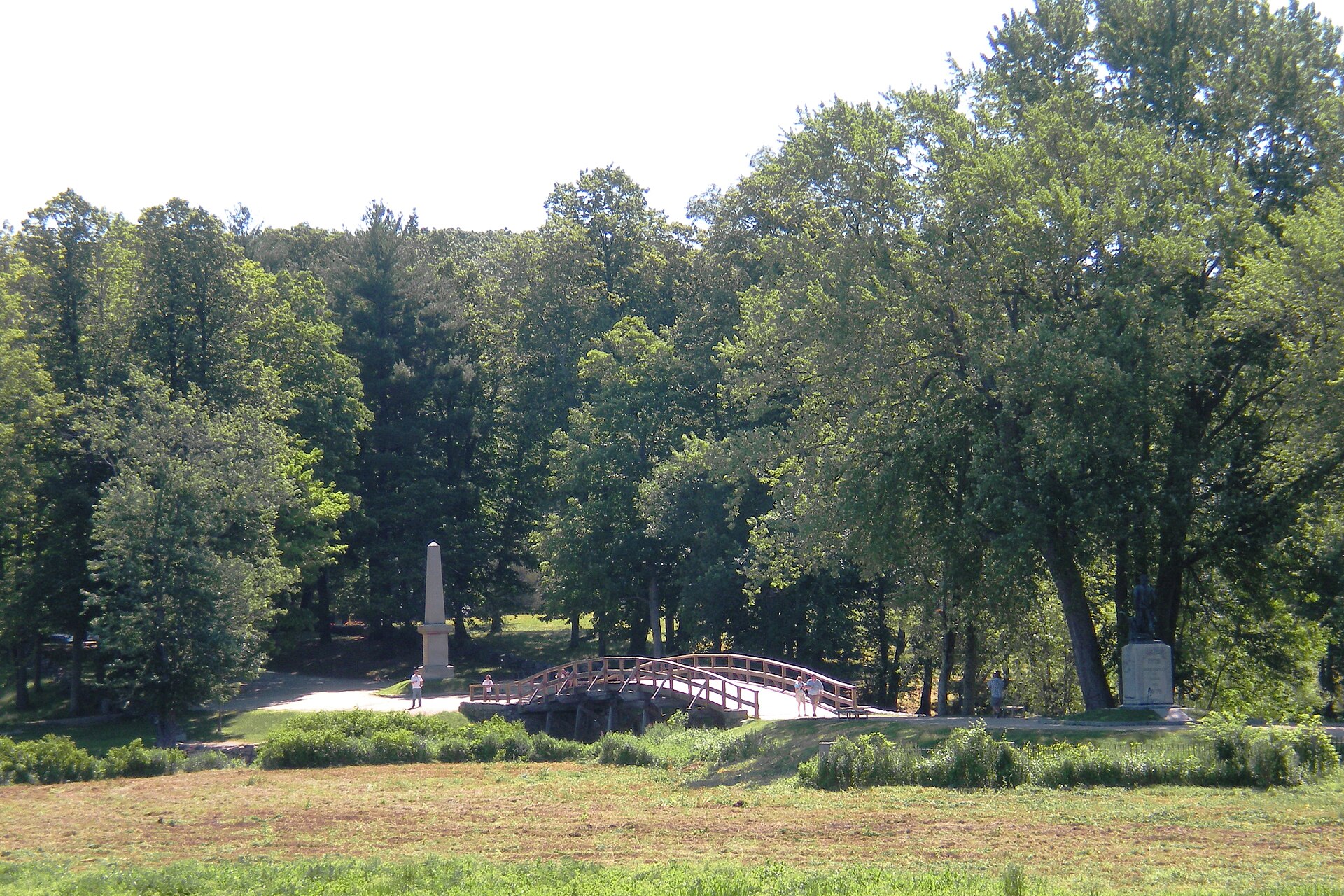 The Old North Bridge and the Obelisk Monument, which memorializes the site of the American Revolution’s beginning. (Public Domain)
Though there is no evidence that the Americans carried a flag at the Battle of Concord, legend claims that the Bedford Flag was carried that day. The flag bears the Latin inscription, “Vince Aut Morire,” which means “conquer or die.” The second stanza nods to America’s identity as “conqueror,” yet as Emerson noted, death draws no distinction between the conqueror and the defeated foe.
Most of the militiamen were farmers or tradesmen. They were non-uniformed, used a variety of firearms, and doubtless stood in strong contrast to the British troops as did the “rude bridge” to the formidable “flood” it crossed.
The bridge itself, as Emerson illustrated in the poem, was no more immortal than those who won the victory there. In 1788, a new bridge was constructed to replace the previous bridge, and in 1793, a bridge built further down the river rendered the old one obsolete. It was torn down that same year, and until 1874, no bridge stood at the site. That explains Emerson’s verses in the second stanza of “Concord Hymn”: “Time the ruined bridge has swept/ Down the dark stream which seaward creeps.”
The poem’s prayer, addressed to the “Spirit, that made those heroes dare,” is that the monument will be a lasting reminder of the eternal spirit of freedom that lives on in the hearts of generations that choose to honor it. Emerson’s hope that “memory may their deed redeem” shows that the freedom and ideals our forefathers fought for aren’t inherently immortal. They require our preservation.
The use of the word “votive” in the third stanza points to a prayer or request, as seen in the final stanza. The monument is a silent exhortation that we allow the same heroic spirit of our forefathers to live on in us, that we continue to fight for freedom and the future of America.
What arts and culture topics would you like us to cover? Please email ideas or feedback to features@epochtimes.nyc
