



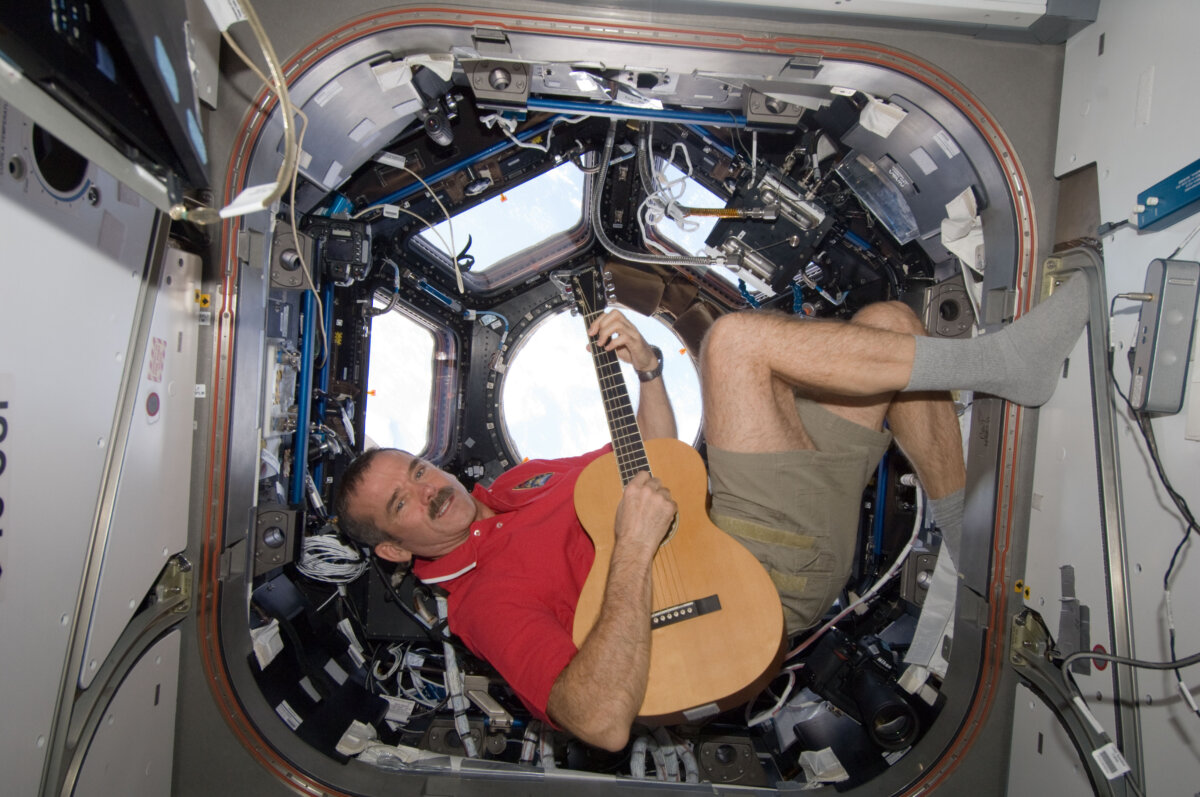
In December 1965, NASA’s Gemini 6A crew completed an important objective, flying in tandem with another spacecraft, a maneuver vital for the upcoming moon landings. During the mission, astronauts Wally Schirra and Tom Stafford were treated to a one-of-a-kind performance: Crooner Jack Jones serenaded them with a parody of his hit Broadway tune “Hello Dolly,” which was modified to ‘Hello Wally.” This moment sparked a tradition of spaceflight music that continues today.
‘You Want to Get Them Going’
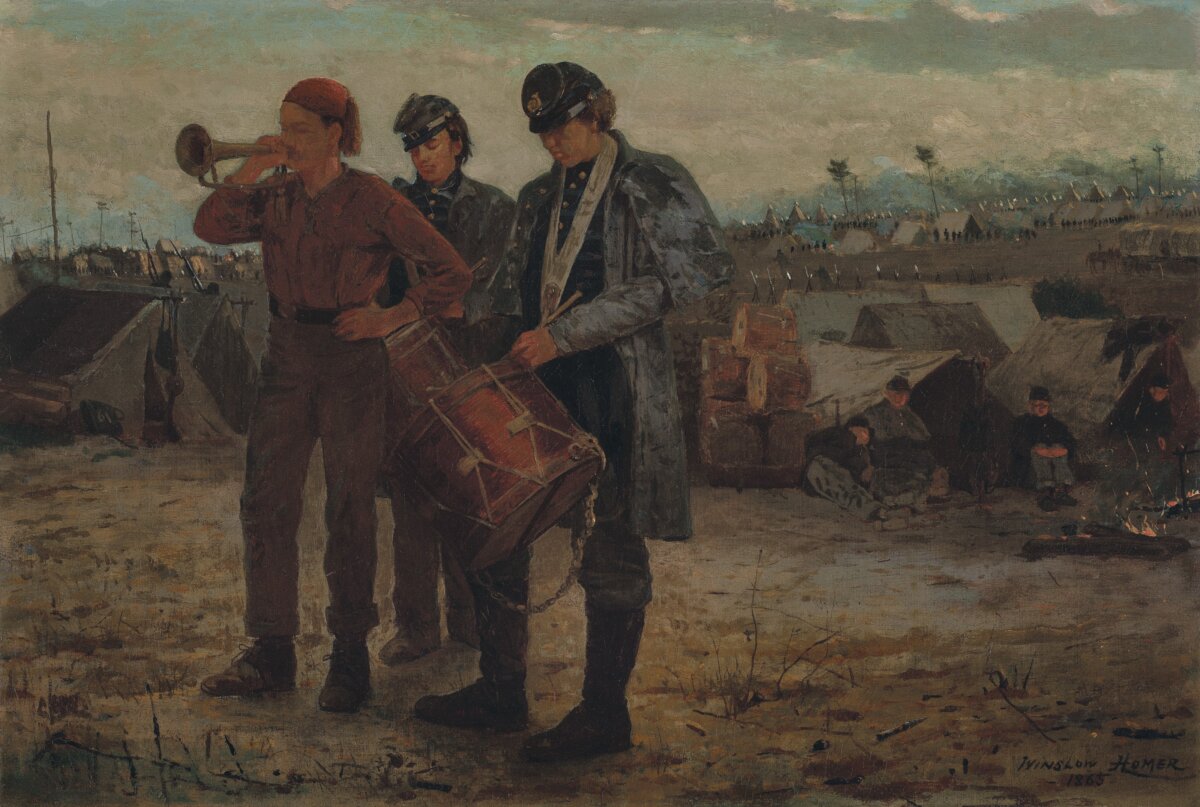
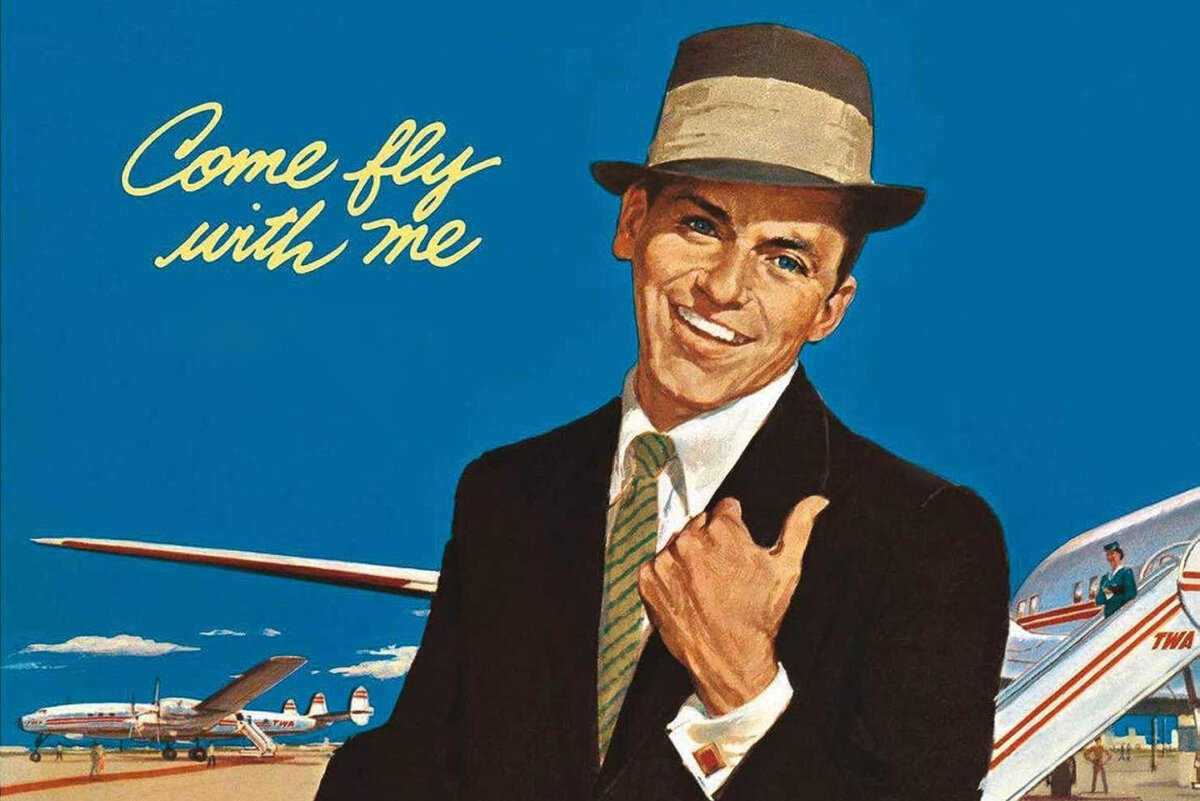
As NASA missions lengthened, wake-up calls became necessary, with music serving as the alarm clock. Over the years, astronauts and their families have suggested various songs ranging from Frank Sinatra’s hits, “Come Fly with Me” and “Fly Me to the Moon,” to the classic military bugle call, “Reveille.”
Today, music is an essential part of the “home life” astronauts create in the cosmos, inspiring them individually, and creating a sense of family among crews. “The common element of all these selections is that they promote a sense of camaraderie and esprit de corps among the astronauts and ground support,” explained Lynn W. Heninger, acting assistant administrator for congressional relations, in a 1990 letter archived by Colin Fries for the NASA History Division.
Gemini 7, which launched just before Gemini 6A, saw Jim Lovell (who later commanded the Apollo 13 mission) and Frank Borman greeted with a rotation of classical works, such as Beethoven’s “Symphony No. 6,” Chopin’s “Les Sylphides,” and Rachmaninoff’s “Symphony No. 2.” Lovell’s 12-year-old daughter, Barbara, asked Mission Control to play “I Saw Mommy Kissing Santa Claus” in hopes that it would bring her father home early for the holidays.
Astronaut Chris Hadfield, who oversaw flight music as a capsule communicator, preferred upbeat tracks such as “Reveille,” a military bugle call that could rouse even the hardest-sleeping astronaut. “You play some lively, peppy bit of music—normally just two minutes—and after a pause, you hear some groggy voice on the microphone mumbling, ‘Good morning, Houston,’” he told Details magazine. “You don’t want to play a dirge. … You want to get them going in the morning.”
‘Good Morning, America, How Are You?’
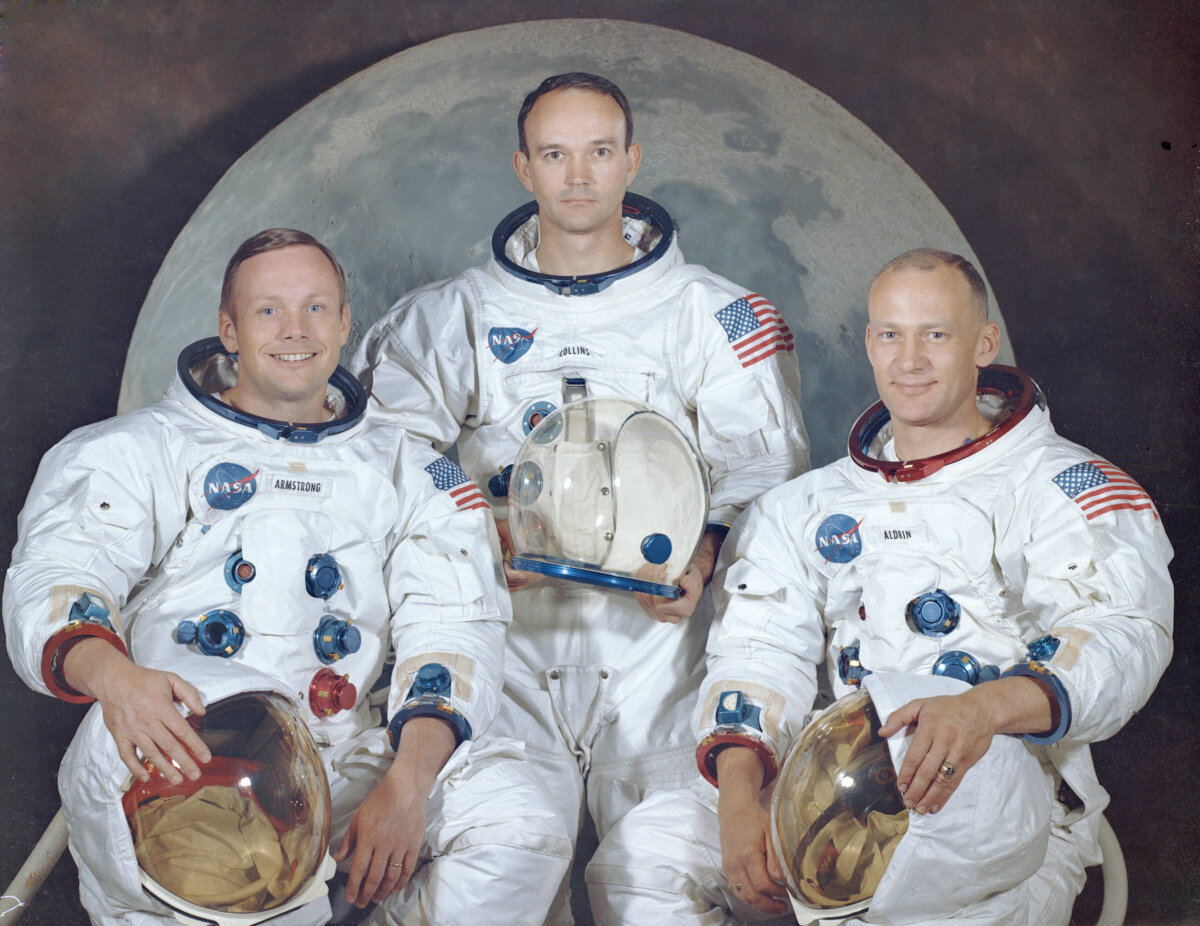
On May 18, 1969, Apollo 10 launched as the final dress rehearsal for the moon landing. Appropriately, the crew’s wake-up call included Tony Bennett’s “The Best is Yet to Come.” The rise of cassette tapes prompted crews to bring prerecorded songs on board, expanding music’s role in space travel. As Apollo 11 astronauts Neil Armstrong, Buzz Aldrin, and Michael Collins headed for Earth, the patriotic folk song “Mother Country” by John Stewart could be heard throughout the module on Aldrin’s cassette player.
By December 1972, Apollo 17 marked the last time humans set foot on the moon. The crew had an impressive 13-song list, including “I’m a Jayhawk,” the official fight song of pilot Ronald Evans’s alma mater, the University of Kansas. On landing day, Mission Control played John Denver’s rendition of “The City of New Orleans.” A chorus line in the tune—“Good morning, America, how are you?”—was a tribute to the command module, which was named “America.”
As NASA prepares for the future, the Artemis II mission continued this 50-year legacy. NASA recently shared the crew’s playlist, which included Zac Brown Band’s “Free” to signal the final day of their journey around the moon.”
‘The Majesty of Earth’
Other popular crew picks over the years include the “Marine Corps Hymn” and Willie Nelson’s “On the Road Again.” Mission Specialist Barry Wilmore’s wife picked MercyMe’s spiritual hit, “I Can Only Imagine,” for his first spaceflight in 2009. Astronauts even bring portable instruments on board, such as flutes and harmonicas, to pass the time and feel more connected to their families back home.
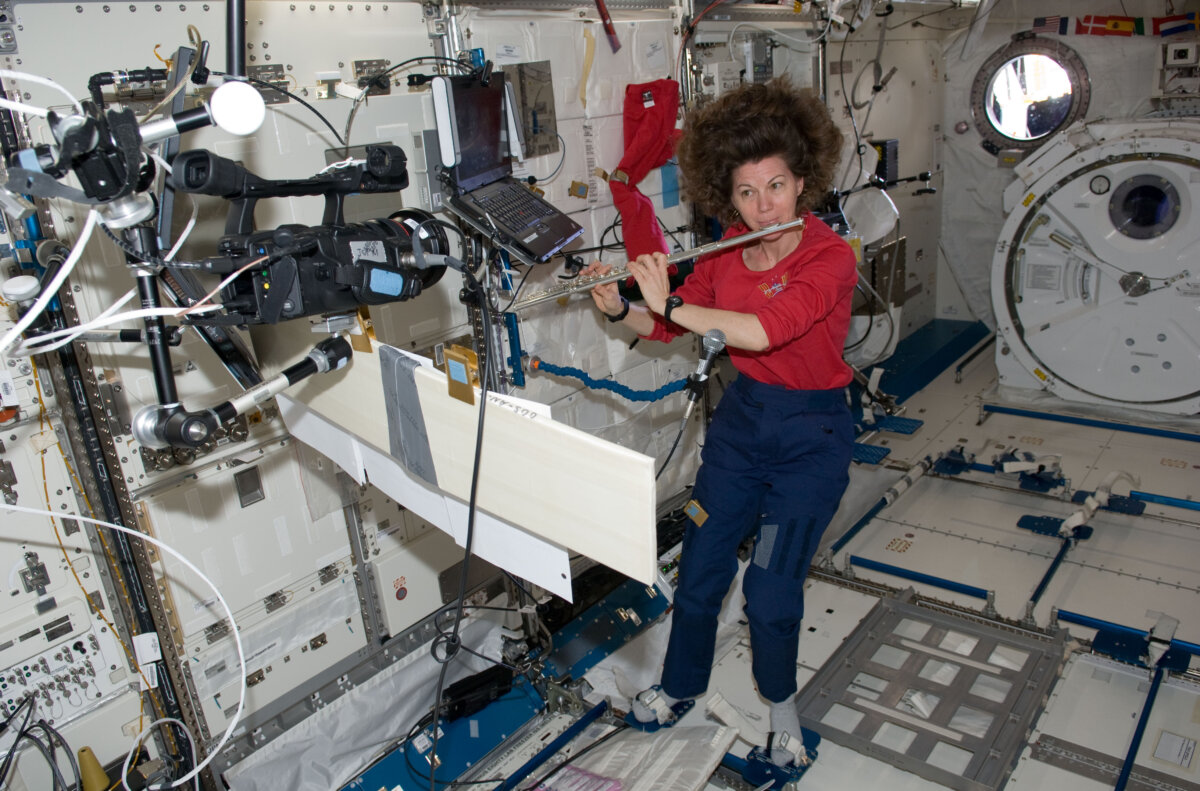
When Pamela Melroy entered space in the early 2000s, she noticed her fellow crewmembers using headphones to listen to music as they worked. Eight days into the mission, she did the same and was surprised by how much music enhanced her experience. “It wasn’t until I … heard the swelling sounds of music as I looked out at the majesty of Earth that I realized what I had been missing,” she said.
What arts and culture topics would you like us to cover? Please email ideas or feedback to features@epochtimes.nyc
