



Theodore Roosevelt is best known as the 26th president of the United States. But he was also New York’s police commissioner and, at least according to author Caleb Carr’s 1994 award-winning historical mystery “The Alienist,” helped solve a series of gruesome murders before becoming president.
Similarly, in Heather Redmond’s “A Dickens of a Crime” series, English author Charles Dickens trades his goose quill pen for a magnifying glass as a young, up-and-coming journalist.
In this historical mystery genre, real historical figures are portrayed in roles with skill sets outside their regular professions. Even Queen Elizabeth II had not been spared from this treatment in S.J. Bennett’s popular series, “Her Majesty the Queen Investigates.”
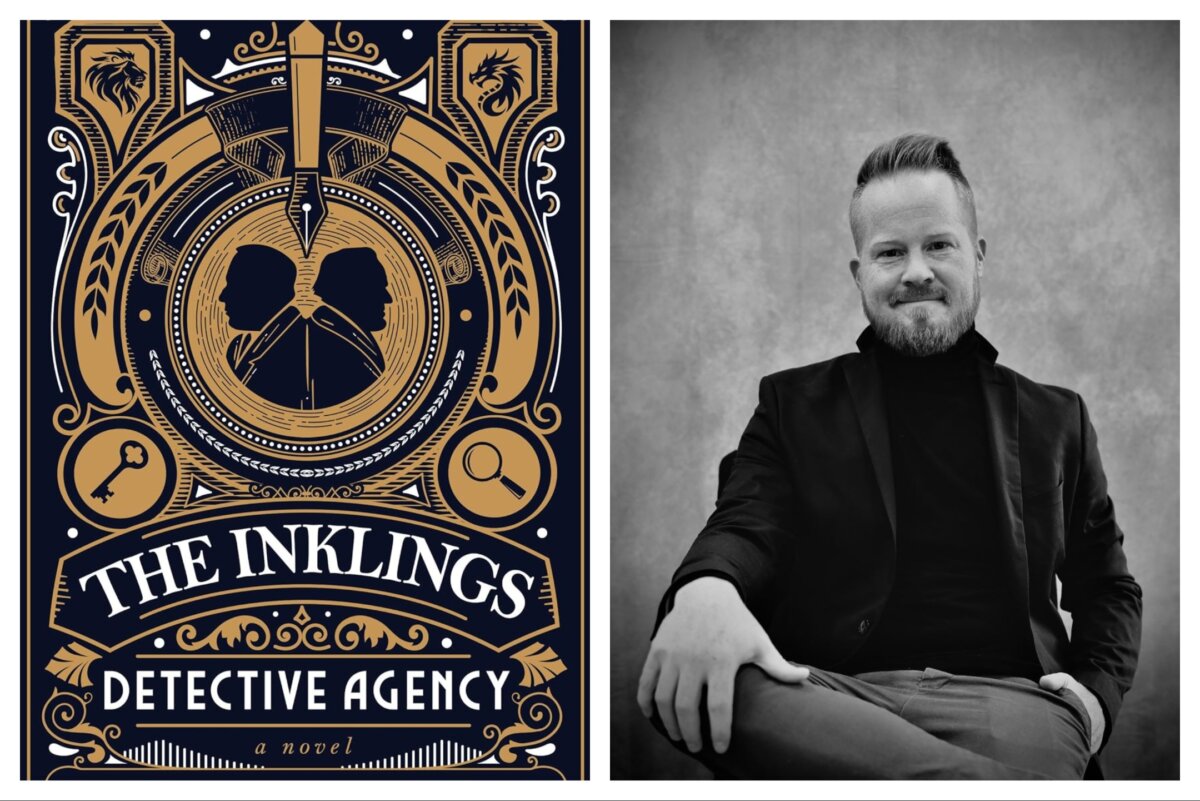
This May, we see a who’s who of the literary world in a brand new historical mystery called “The Inklings Detective Agency,” by English author John R. Kelly.
Crossing the Line
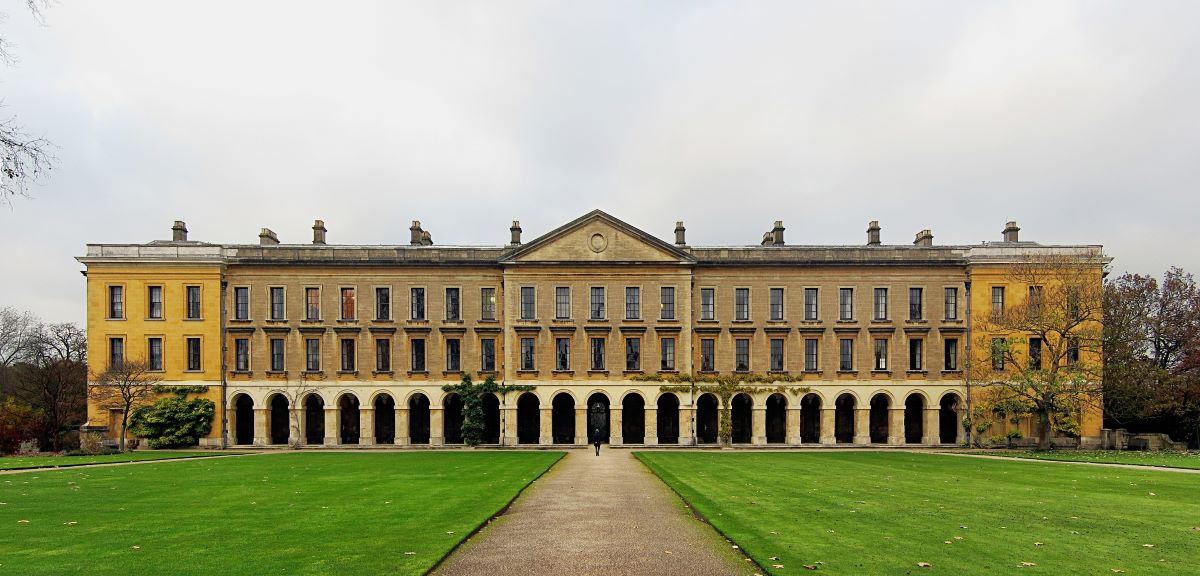
The Inklings were an informal book discussion group that met at C.S. Lewis’s rooms at Magdalen College and at the Eagle and Child pub, also known as The Bird. Members included such notable names as J.R.R. Tolkien, Lewis, and his brother Warren. Others such as Magdalen College Dean Adam Fox, theatrical director Neville Coghill, literary scholars Hugo Dyson and Lord David Cecil, and philosopher Owen Barfield were regular attendees.
One strange night in 1936, as the club members gather at their favorite pub, they are summoned to hear a mysterious proposition from none other than Sir Arthur Conan Doyle, author of the popular “Sherlock Holmes” detective stories. Detail-oriented Inklings quickly recall that Holmes had been buried on the grounds of the All Saints Cemetery in 1930, leading them to wonder whether Holmes had risen from the dead.
But after a quick, believable explanation to explain this somewhat inconvenient detail, Doyle says that he wants them to solve the unexpected murder of his dear friend Lord Roger Pennington.
The scholarly group hesitates, but Doyle throws down the gauntlet with his own philosophical demand: “The only thing needed for evil to flourish in this world is for good men to simply stand idly by and do nothing.”
The Inklings finally agree, with Lewis saying, “It’s an adventure … a puzzle to solve and minds to sharpen.”
Brilliant Minds, Bad Actors
The Inklings begin gathering facts, poring over faded newspapers, and scanning dusty books at Oxford’s Bodleian Library. They interview witnesses and others connected to the case, and, while doing so, they cross paths with a most unlikely figure: the occultist Sir Aleister Crowley.
Crowley’s appearance allows the author to set up the battle between darkness and light, with Dyson making the connection: “I would assume the murderer to be guilty of great sins in both a physical and spiritual sense.”
Is the murder tied to occult rituals, or is Crowley a red herring?
Bonus Features
Readers may be drawn initially to well-known figures, as I was. As the mystery unfolds, the focus shifts from personalities to the case itself. Aside from occasional comments, such as Tolkien joking about “walking around Middle-earth somewhere with a hair-footed hobbit or elf,” readers can embrace these authors as mystery-solvers.
Mystery fans will also delight in Agatha Christie’s role in this whodunit. The “Queen of Crime” encourages Lewis: “We follow the evidence, but we must also trust our gut, our God-given instincts. … I trust you have a good gut.” Crime writer Dorothy Sayers and author G.K. Chesterton also make appearances.
As the Inklings crisscross between Oxford University to country estates in the Cotswolds and to London social clubs by foot, bicycle, and train, readers learn about about storied institutions such as White’s club and Oxford University’s colleges, along with their centuries-old traditions. Ghost stories? There’s plenty of that, too. The book provides an immersive setting for author Kelly’s reimagining of this fellowship of literary giants.
While occult-related deaths are often grotesque and disturbing, the scenes in “The Inklings” do not approach the level of gore in “The Alienist” and Robert Galbraith’s “The Silkworm.”
To quote Lewis’s older brother Warren, “A book, a good chair, and a good bed to go to when night falls, and I’m as happy as one can be in this very trying world.” In our trying world, an engrossing whodunit like “The Inklings Detective Agency” transports readers to a world where good triumphs over evil.
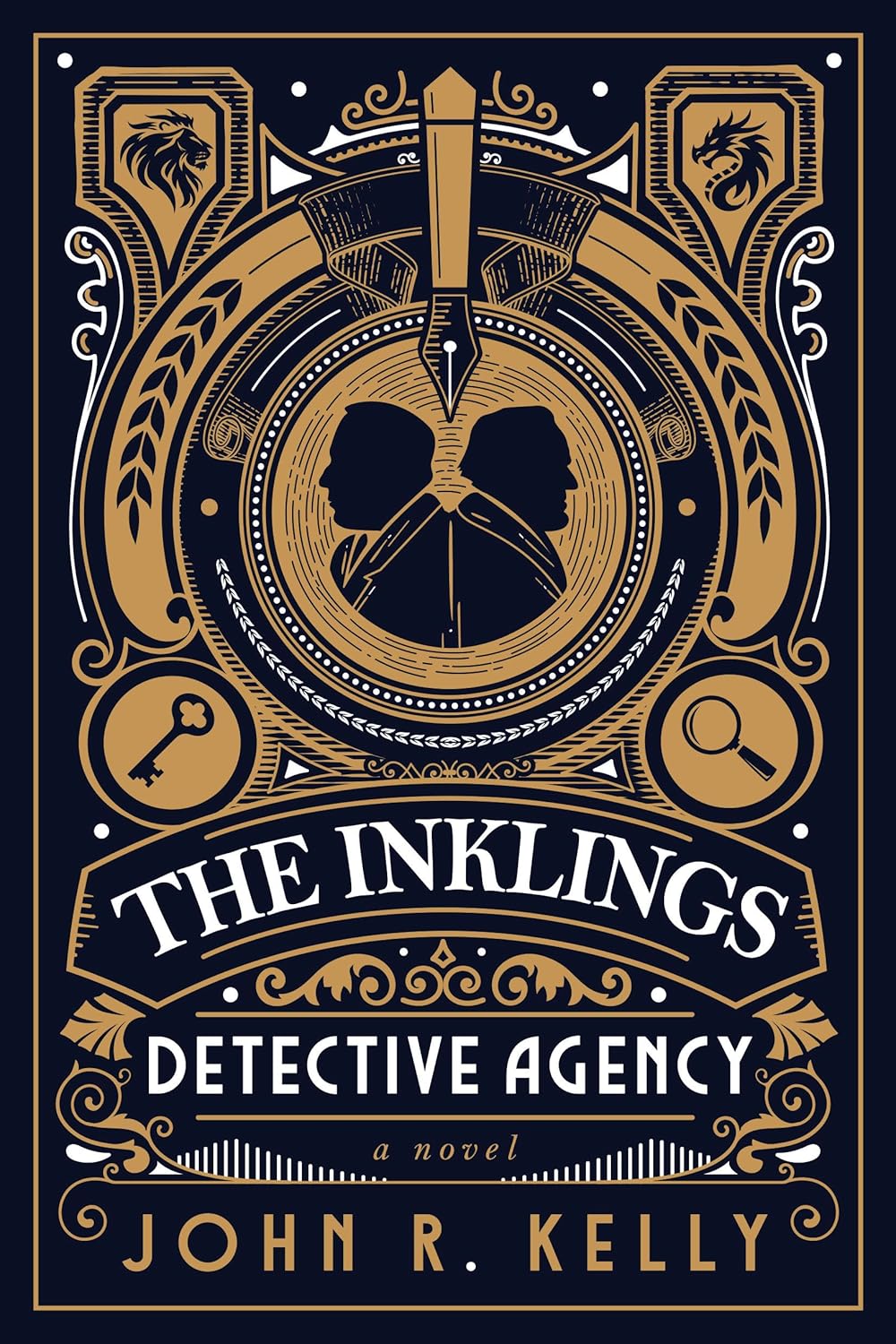
‘The Inklings Detective Agency’
By John R. Kelly
WaterBrook: May 5, 2026
Paperback, 352 pages
What arts and culture topics would you like us to cover? Please email ideas or feedback to features@epochtimes.nyc.
