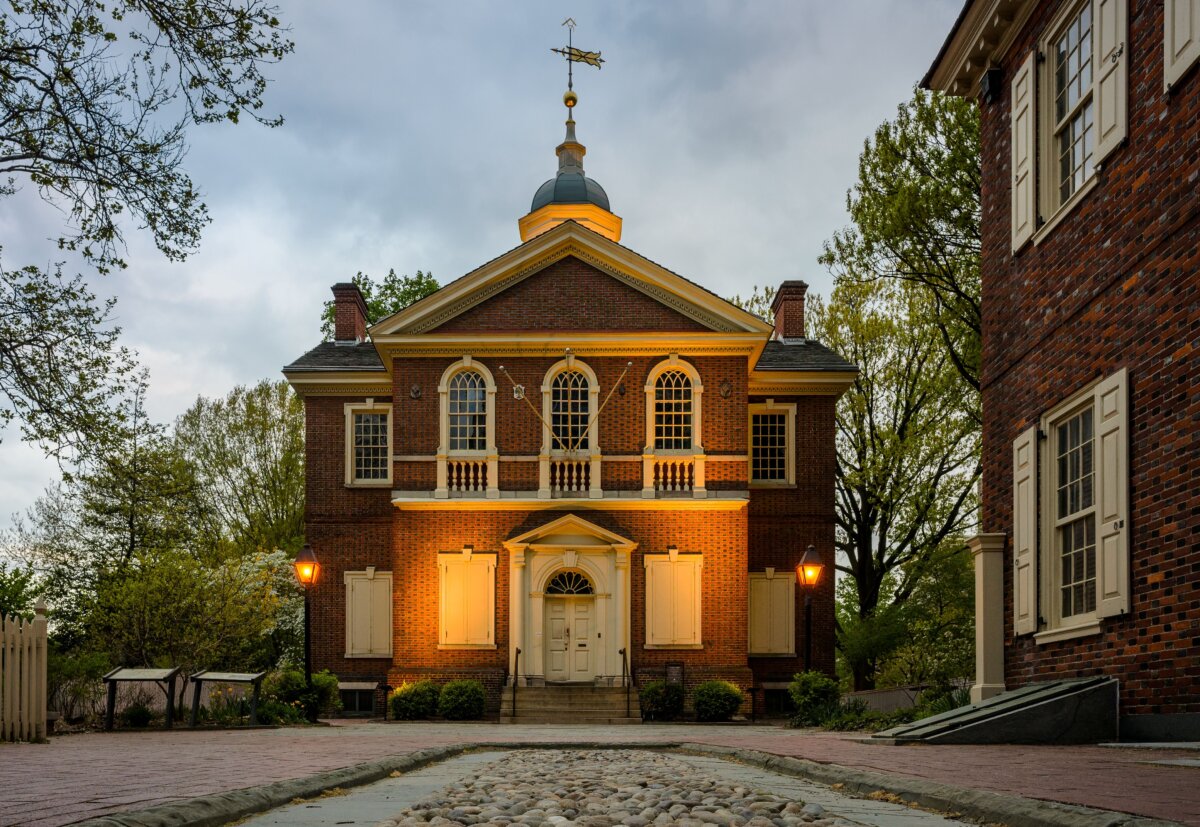
On the night of Dec. 18, 1775, freezing winds off the Delaware River swept through Philadelphia as French agent Julien-Alexandre Achard de Bonvouloir moved through the shadows toward a covert meeting at Carpenters’ Hall.
He and his guide, Francis Daymon, who was a local merchant, librarian, and, as of that night, a collaborator in espionage, doubled back through narrow alleys and scanned darkened windows for Loyalist informants. Daymon likely welcomed the brutal weather; the howling gusts kept the city’s residents sheltered in their homes, shielding the pair from detection.
Their discovery meant a hangman’s noose and a global war between Britain and France. The mission was so sensitive that de Bonvouloir had been warned: If captured, the French court at Versailles would disavow his existence.
Across town, two other obscure figures approached the same destination using separate, circuitous routes. They made sure they were not being trailed. Eventually, the four men converged outside Carpenters’ Hall. No greetings were exchanged. They quietly entered the building and climbed the narrow stairs to the second-floor library.
The library remained pitch-black to avoid detection by passersby. Only when the door was bolted did a shielded lantern flicker to life, revealing the faces of the other men: John Jay and Benjamin Franklin.
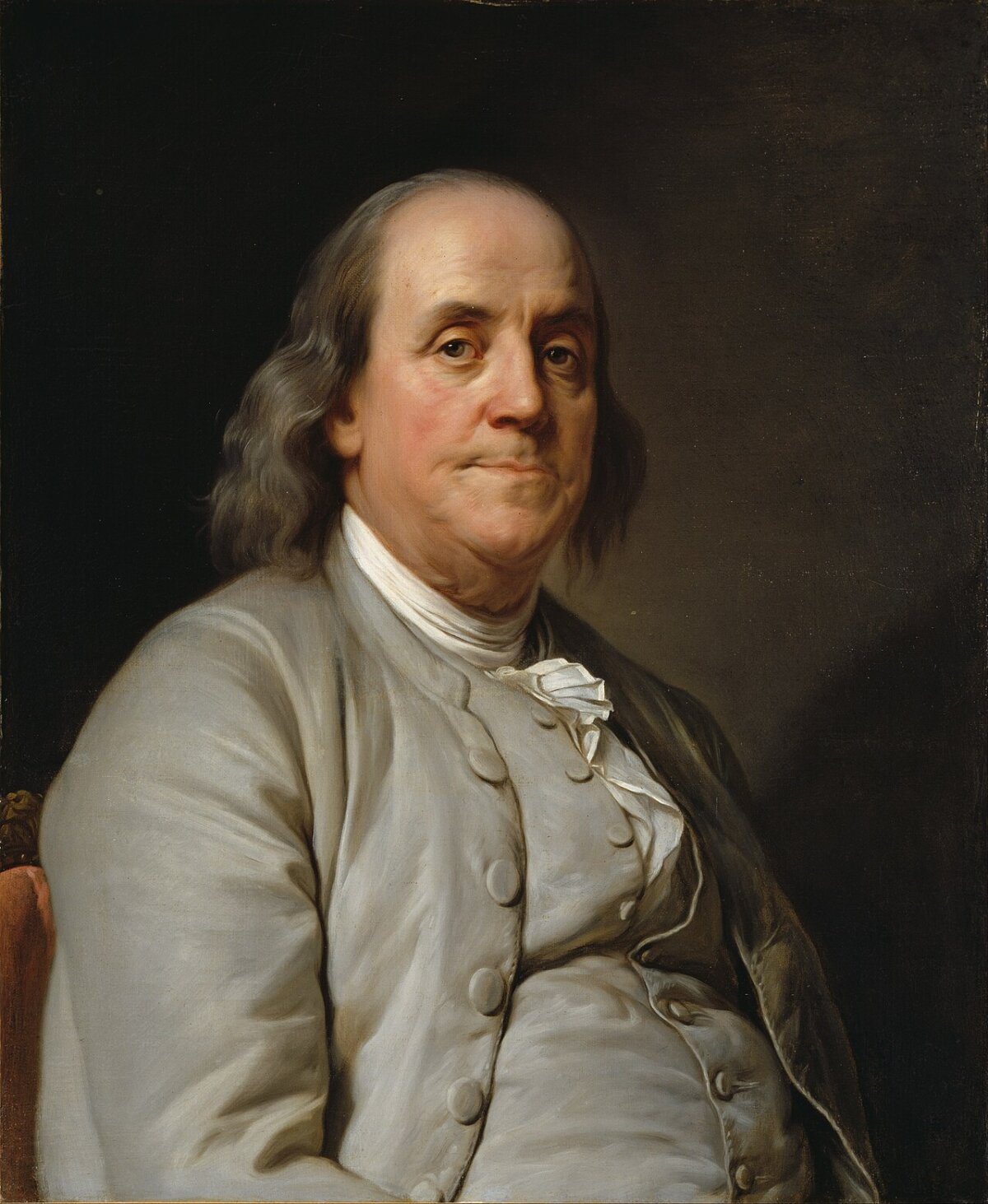
The Second Continental Congress (1775–1781) saw the writing on the wall: Without foreign assistance, the war would be short-lived. The Congress turned to Britain’s ancient rivals, France and Spain. Franklin harbored no illusions about French ideals. He knew Versailles cared nothing for American liberty; the French wanted to cripple the British Empire.
Franklin spoke the language of logistics. He laid out the price of victory: muskets, gunpowder, heavy artillery, and the gold to move them. He didn’t portray the colonies as desperate rebels, but as a rising power capable of draining Britain’s blood and treasure—provided France held the knife. De Bonvouloir could promise nothing, but he listened, and liked what Franklin was selling.
After the meeting, the four men dissolved back into the Philadelphia night, melting into the shadows. The fuse had been lit. Now, they just had to see if it reached the powder in Versailles before the British could cut it.
The Committee of Secret Correspondence
The meeting at Carpenters’ Hall wasn’t a fluke; it was the opening gambit of the Committee of Secret Correspondence. Established in November 1775, this was America’s first true intelligence agency. While the public face of Congress debated liberty, this committee—led by Franklin, John Jay, and Robert Morris—operated in the gray. Their mission was simple but risky: secure foreign aid while maintaining a veneer of neutrality. If their benefactors were to be caught red-handed, Britain would declare war against them.
To bridge the gap between Philadelphia and Europe, the Committee needed clandestine operatives. They sought “constant and certain intelligence” and a way to move tons of military hardware across an ocean patrolled by the world’s most powerful navy—Britain’s.
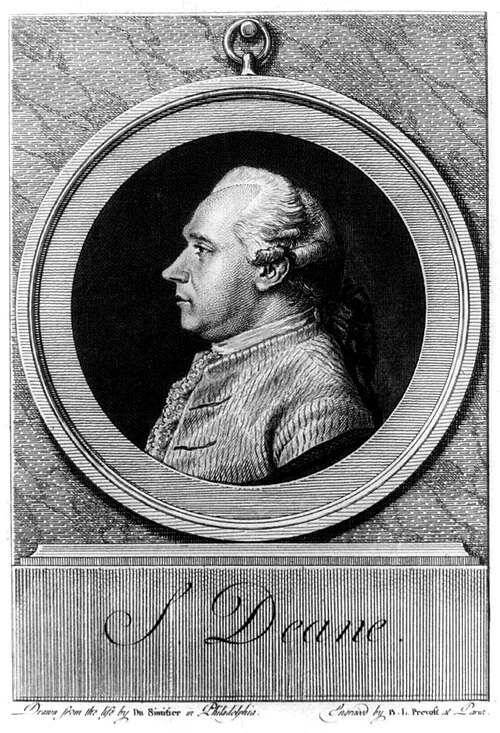
In March 1776, Silas Deane boarded a ship in Connecticut, destined for Paris. Posing as a private merchant from Bermuda, Deane in reality was the first diplomatic agent of the united colonies. His mission was risky but important: to convince the Comte de Vergennes, the French foreign minister, that the American rebellion was a worthy investment.
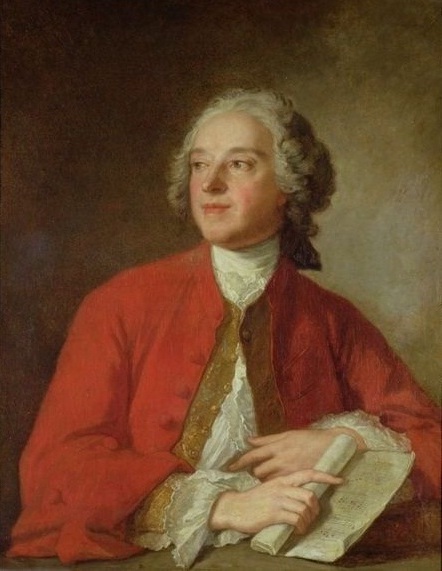
Deane partnered with the playwright Pierre-Augustin Caron de Beaumarchais. Together, they created Roderigue Hortalez and Compagnie, a commercial front secretly funded by the French and Spanish crowns, which funneled arms to the Continental Army. Deane and Beaumarchais moved 30,000 muskets and 52 cannons, all while the British ambassador in Paris, Lord Stormont, desperately tried to prove that the French government was behind the shipments.
While Deane worked the docks in France, Dr. Arthur Lee operated in the heart of the enemy’s capital, relaying intelligence back to Philadelphia on British troop movements and cabinet secrets. It was Lee who first met with Beaumarchais in London to plant the seeds of the secret financial pipeline, ensuring that even before the Declaration of Independence was signed, the French and Spanish were already paying for the weaponry. Though his temperament often clashed with his colleagues, Lee’s clandestine liaisons in London, Spain, and Prussia were vital in broadening the scope of the rebellion.
The Spanish and Dutch Connections
In New Orleans, Luis de Unzaga, the Spanish governor of Louisiana, became one of George Washington’s most important silent partners. Long before Spain declared war, Unzaga and his successor, Bernardo de Gálvez, began smuggling secret weapons, gunpowder, medicine, and other provisions up the Mississippi and Ohio rivers to aid the Patriots.
He operated through a network of shadowy intermediaries, ensuring that if British agents traced the shipments, the trail would vanish behind false names, shell networks, and commercial fronts. Among those involved was Oliver Pollock, a commercial agent tied to Robert Morris and Patrick Henry.
Known for “looking the other way” when it came to smuggling and illegal trade, Unzaga helped keep the western frontier active in the war, forcing Britain to divert valuable manpower and resources away from the Atlantic coast.
As the war expanded and the value of Continental dollars plummeted, the Patriots desperately sought hard currency. Congress turned to the Dutch. Operating out of the Caribbean island of St. Eustatius, referred to as Statia, which served as the primary arsenal and lifeline for the Continental Army, Dutch merchants ran British blockades with impunity.
Statia became a massive clearinghouse for European arms. Through these back channels and, eventually, formal loans, the Dutch provided the liquidity that kept the American economy from collapsing. They were motivated less by liberty than by profit, and the opportunity to weaken Britain’s grip on global commerce.
Professional Enforcers and Franklin in Paris
While other Americans operated covertly, Benjamin Franklin drew enormous attention upon arriving in Paris in December 1776. He was America’s ultimate spokesman—a diplomat who understood that image and fame were as important as intelligence. Trading his powdered wig for a fur cap, Franklin cultivated the image of the noble rustic, charming both the French public and the Parisian elite.
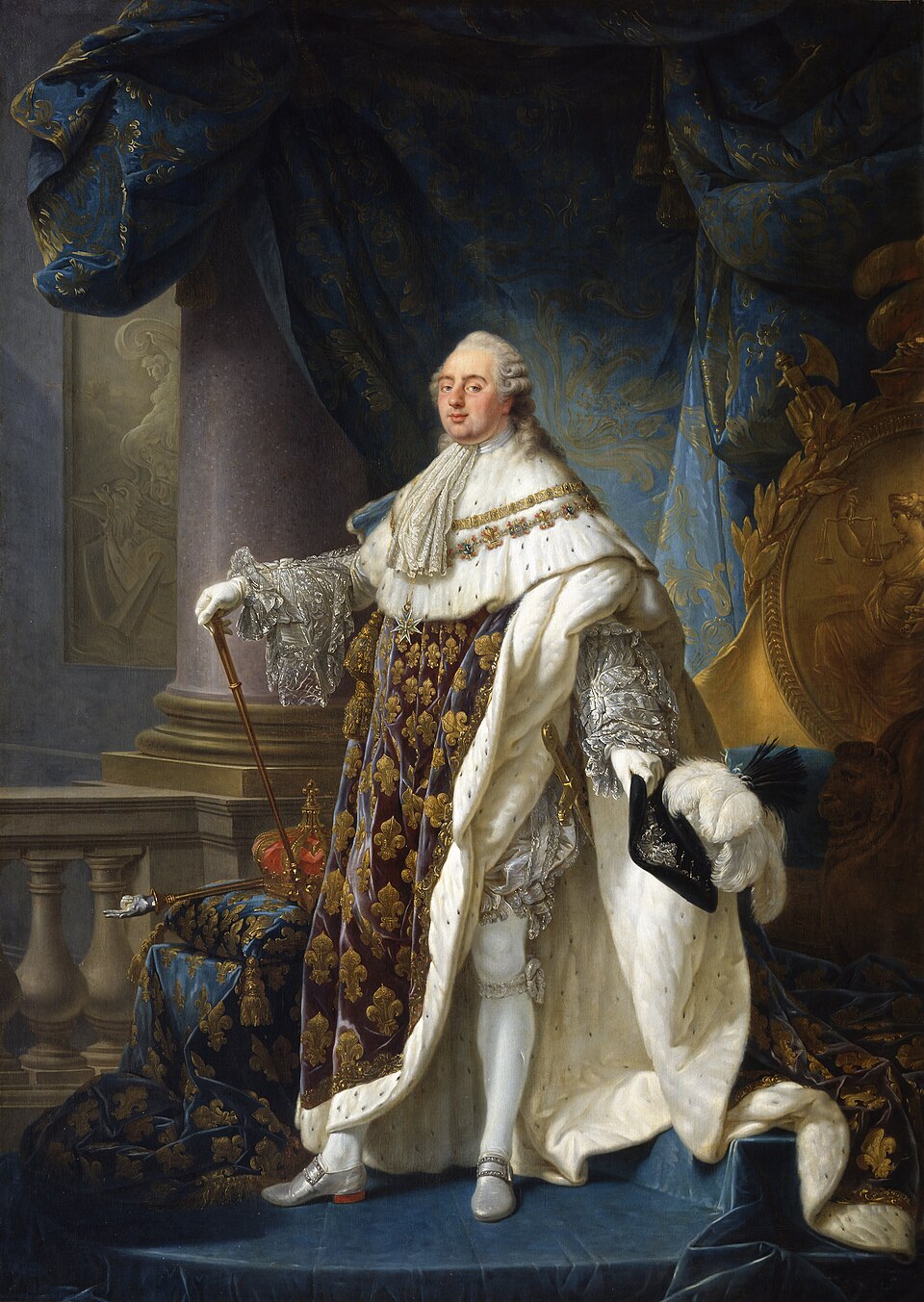
Behind the charm was a negotiator who used every scrap of news as leverage. When word reached Paris of the American victory at Saratoga, New York, as well as the never-say-quit effort displayed at Germantown, Pennsylvania, Franklin struck. He convinced King Louis XVI and the French court that the Americans were a nation capable of winning. On Feb. 6, 1778, the shadow war officially ended. France signed the Treaty of Alliance, becoming the first power to recognize the United States.
An important mission that both Silas Deane and Benjamin Franklin undertook while in Paris was securing professional officers to elevate the Continental “rabble” into a European-style army. They struck gold with the Marquis de Lafayette, Baron Johann de Kalb, the Polish engineer Casimir Pulaski known as the Father of the American Cavalry, and Baron Friedrich Wilhelm von Steuben, a Prussian drillmaster who provided the Continental Army its much-needed iron discipline at Valley Forge. These men, along with many others, braved the Atlantic and Britain’s naval blockade to transform Washington’s army into a professional fighting force.
The Frontier Front: Native Americans
While the Committee focused much of its attention on Europe, another dangerous front threatened the interior. Congress understood that if the powerful Native American nations aligned with Britain, the Revolution would be crushed from the rear.
This was a war of diplomatic brinkmanship. To secure tribal neutrality and goodwill along their western flank, American agents, among them the missionary Samuel Kirkland, transported supplies smuggled in from France and Spain into the wilderness—not as trade goods but as diplomatic gifts. The British countered by promising tribal protection against colonial land expansion.
The result was a civil war among the tribes; the Iroquois Confederacy was fractured as the Oneida and Tuscarora sided with the Americans, while the others aligned with Britain. In the south, the Catawba supported the American cause against the Cherokees, Creeks, Chickasaws, and Choctaws.
The aid provided by France, Spain, and the Dutch Republic was the lifeblood of the Revolutionary War. It is estimated that 90 percent of the gunpowder used by the Continental Army in the first two years of the conflict was imported. Without the “calculated blind eye” of Governor Unzaga or the financial underground of the Dutch merchants, Washington’s army would have been a footnote in British history as yet another group of rebels crushed during a failed insurrection.
The men of the Committee of Secret Correspondence were the architects of a victory won as much in the alleys of Philadelphia as on the battlefields of Yorktown. They proved that for a new nation to rise, it must first make friends and secure their help, behind the scenes if necessary. The fuse lit at Carpenters’ Hall didn’t just reach the powder in Versailles; it ignited a world war that shattered Britain’s first empire.
What arts and culture topics would you like us to cover? Please email ideas or feedback to features@epochtimes.nyc.