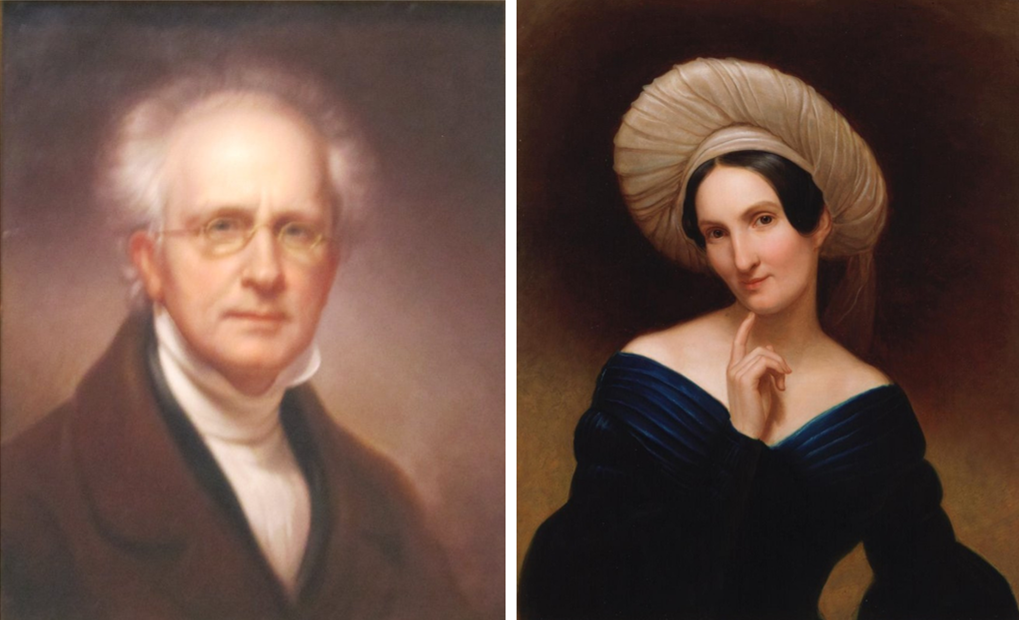
If one family could be said to have shaped the American arts scene, it would be the Peale family. Patriarch Charles Willson Peale was a self-taught painter who became one of the foremost portraitists around the Revolution. His family nurtured and perpetuated the American tradition of painting for generations.
Some members of this successful artistic family weren’t born into it; they married into it. Out of Peale’s 17 children, several became accomplished artists, including the third-born Rembrandt Peale (1778–1860). One artist in particular added to the luster of this painting dynasty with her own artistic talent when she married Rembrandt—Harriet Cany Peale (1799–1869).
Becoming a Peale
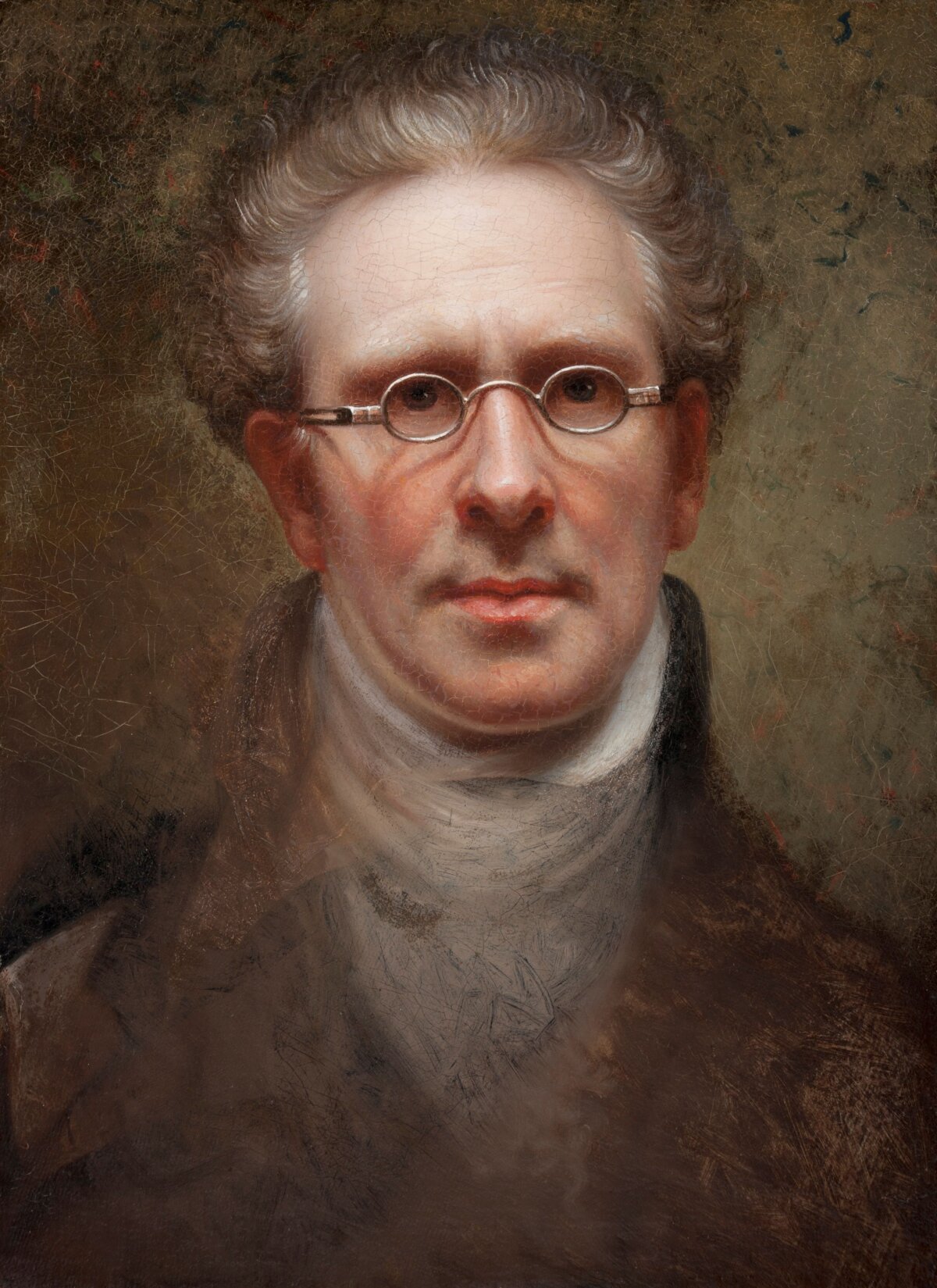
Rembrandt was directly related to more artists than perhaps any other member of his family. Besides his father and numerous siblings, Rembrandt’s eldest daughter, Rosalba, became a successful artist in her own right. However, past the age of 60, the widowed Peale would welcome another artist into the family by marrying Harriet Cany, a talented art student of his.
Harriet Christina Cany was 41 when she married Rembrandt on Nov. 6, 1840. Her husband had been a widower for four years and was the father of nine children, the oldest of whom was Harriet’s age. Harriet was not a newcomer to marriage either, though. She, too, was a widow, though little is known about her first husband.
She was born in Philadelphia to Charles and Mary Cany. She helped her parents with their fancy goods business. By all indications, Harriet had no children by either of her marriages, although she may have acted as a mother to some of Rembrandt’s younger children.
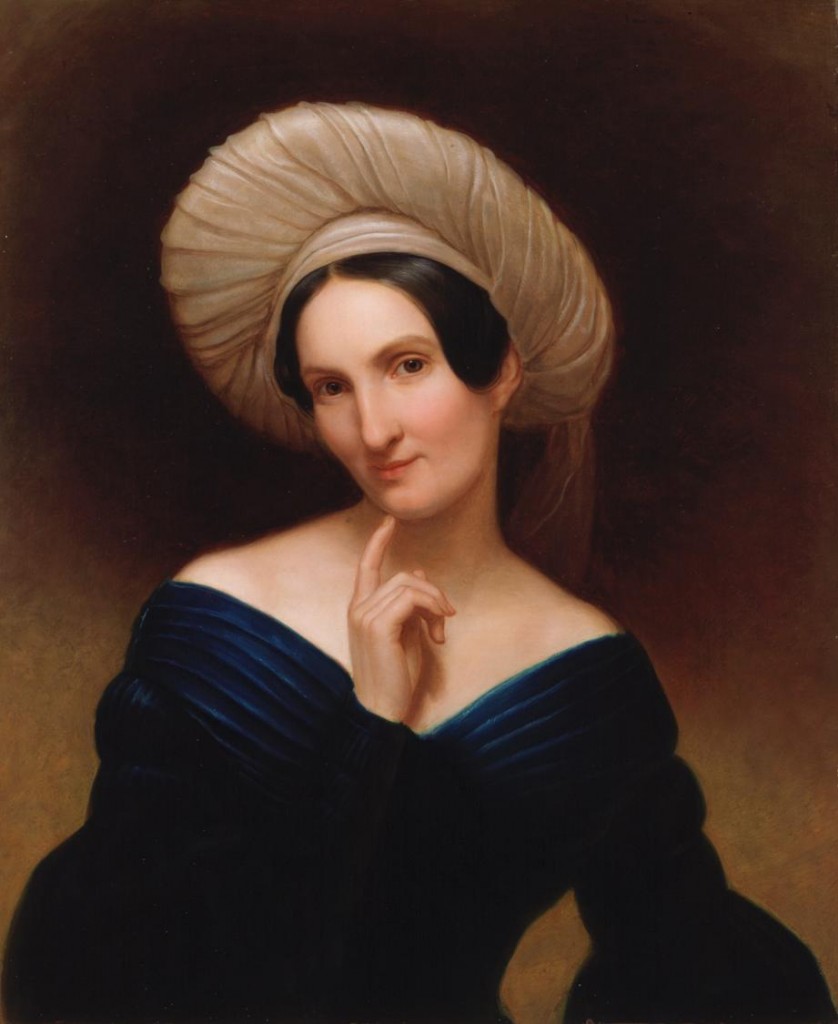
In the year they married, Rembrandt painted a beautiful portrait of his bride, which he called “Portrait of a Lady.” This was just the beginning of how she would inspire him artistically.
Harriet continued painting throughout their marriage, and the Peales shared a studio in Philadelphia. In a letter to her niece from 1846, Harriet wrote, “You must imagine us, occupied precisely as you left us, always most happy when our pencils are in hand.”
Harriet, the Artist
A few months before her marriage to Peale, Harriet exhibited a painting at the Artists’ Fund Society of the City of New York for the first time: a copy of Carlo Dolci’s “Magdalene.” Rembrandt instructed his students having them copy great works of art, including his own.
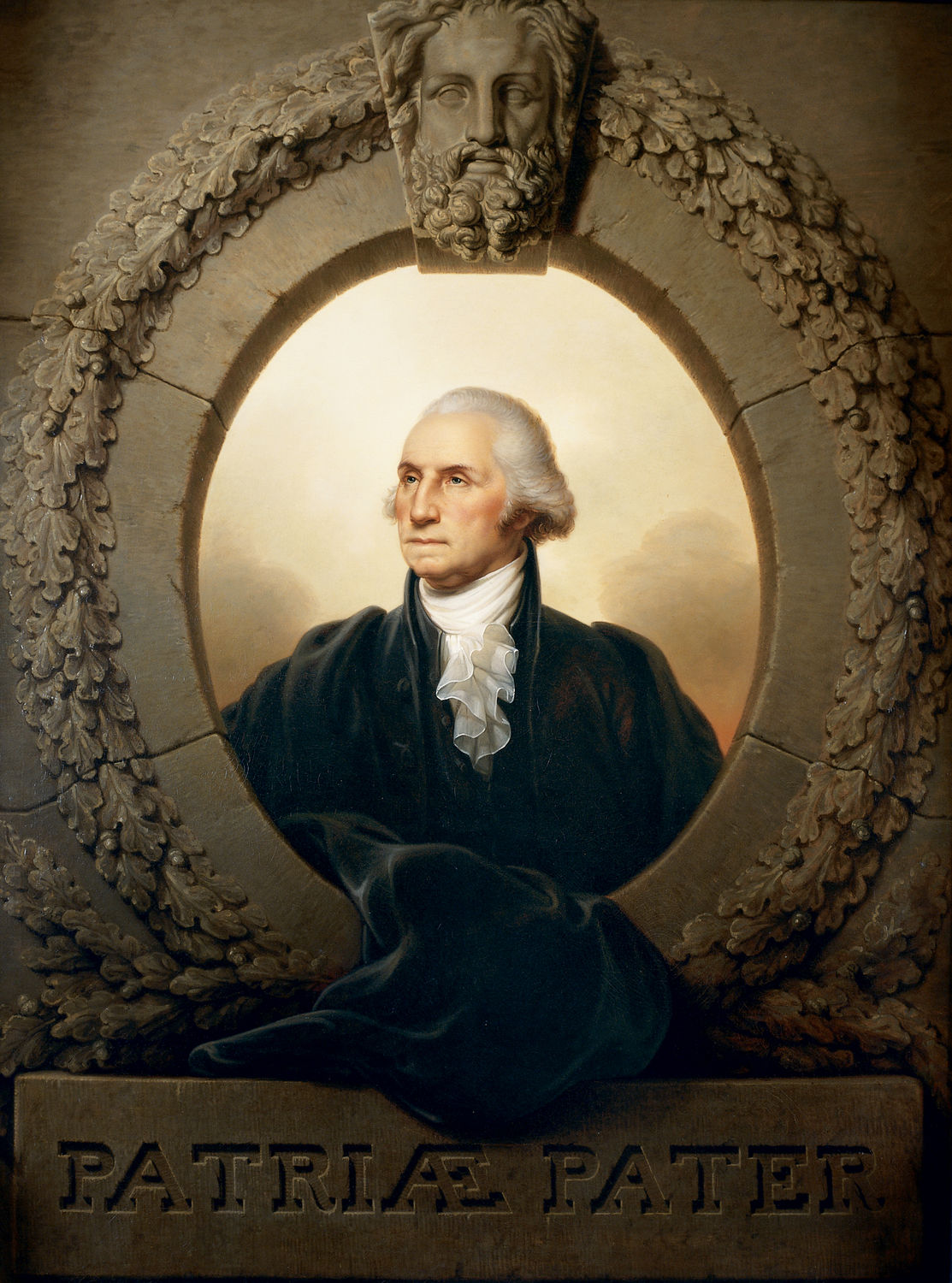
Over the years, Harriet produced many copies of Rembrandt’s paintings; she also assisted him in reproducing his widely requested portrait of George Washington, “Patriae Pater.”
Harriet’s reputation as an artist extended beyond being a copyist and as Mrs. Rembrandt Peale. She exhibited her work at the Pennsylvania Academy of the Fine Arts several times between 1848 and 1866. She did portraits of relatives and acquaintances, as well as mythical and historical figures.
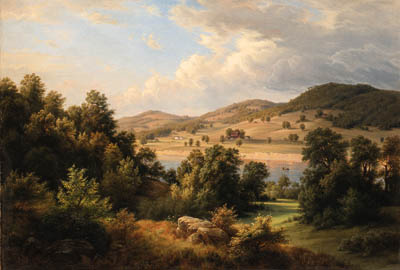
Even more impressive, though, was her work in landscapes. In recent years, Harriet has been reevaluated as an important example of the Hudson River School. This school of landscape painting was a mid-19th-century art movement which embraced a Romanticist aesthetic in depicting nature. The Hudson River Valley gave the American movement its name.
In 2010, the Thomas Cole National Historic Site (named after the founder of the Hudson River School) presented an exhibit about the women associated with 19th-century landscape painting in America, “Remember the Ladies: Women Artists of the Hudson River School.”
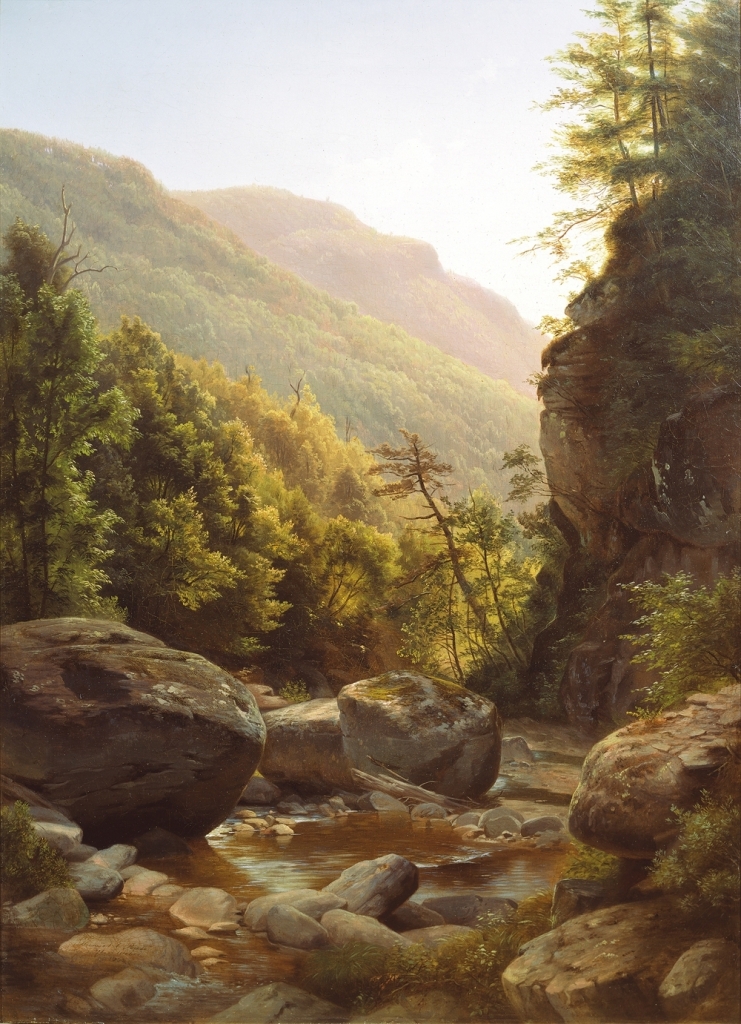
Among this collection of 25 paintings was Harriet’s striking landscape “Kaaterskille Clove,” which she painted in 1858. The amazing details of the rocks, trees, and sunlight by this woodland stream in the Catskills are proof of her exquisite technique. As Cole site director Elizabeth Jacks asserted, “When you see it in person, it looks like it belongs in the Metropolitan Museum of Art.”
Wife and Muse
As the second wife of a fairly successful man, 21 years her husband’s junior, Harriet easily could have taken the role of being just his housekeeper and stepmother to his children. Possibly she could have had more children. However, she proved an intellectual companion for her aging husband, and they clearly enjoyed a deep mutual admiration and affection.
In an 1847 letter to her niece, Harriet described her husband as “one of the handsomest as well as one of the best men of his age extant.” She added that she wished her young relative could find a younger version of such a man.
Harriet also acted as Rembrandt’s muse for the last 20 years of his life. She inspired him to remain active in art until he died in 1860 at the age of 82.
In the preface to his unpublished 1840s art manual “Notes of the Painting Room,” Rembrandt described how his eldest daughter “often urged me to commit to writing the results of my experience, which was but partially done, until a second marriage gave me a companion & Pupil whose love of painting & zeal for improvement constantly drew from the store-house of memory, for instant use, what else might have been lost.”
Truly, Harriet Cany Peale was a master of inspiration.
What arts and culture topics would you like us to cover? Please email ideas or feedback to features@epochtimes.nyc.