



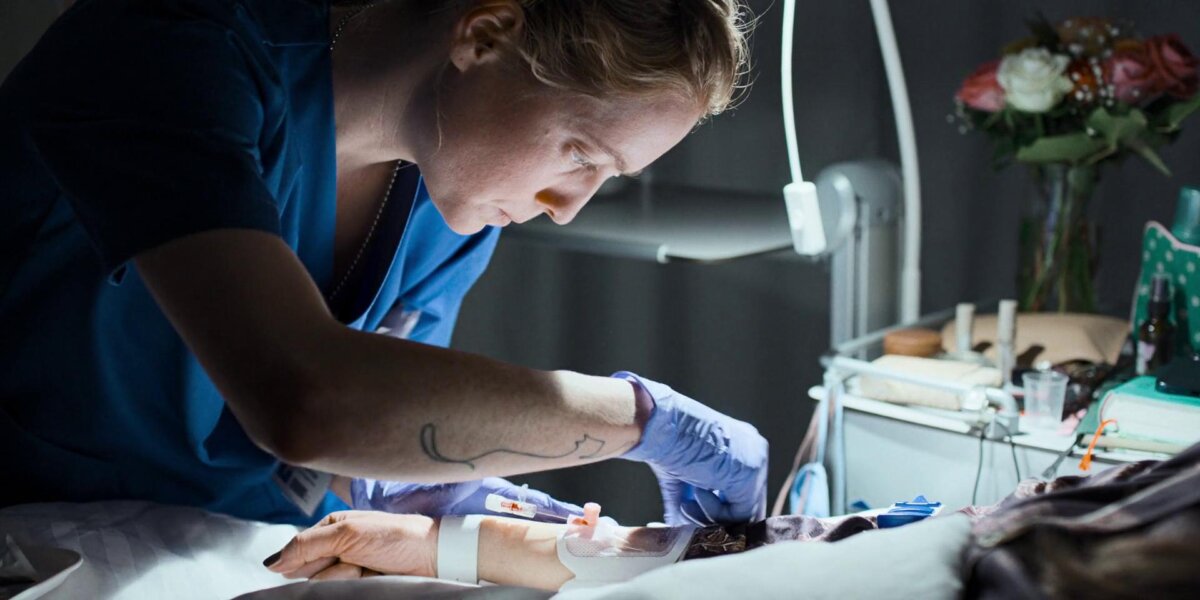
Screenwriter and director Petra Volpe’s day-in-the-life narrative makes her film “Late Shift” feel intimate to audiences. It follows nurse Floria “Flo” Lind (Leonie Benesch) through her late shift in a Swiss hospital where nursing resources are stretched tighter and thinner than a surgical glove.
Flo’s shift runs the gamut of routines, from the nursing station to patient rooms, and from labs to operating rooms. She sanitizes her hands at every turn and injects painkillers. She checks temperatures, blood pressure, and blood sugar. She changes catheters, adult diapers, and drip bags. She comforts terminally ill patients, wheeling others in and out of surgery. She reassures patients in pain, as well as families who are impatient to hear about their loved ones’ diagnosis or treatment.
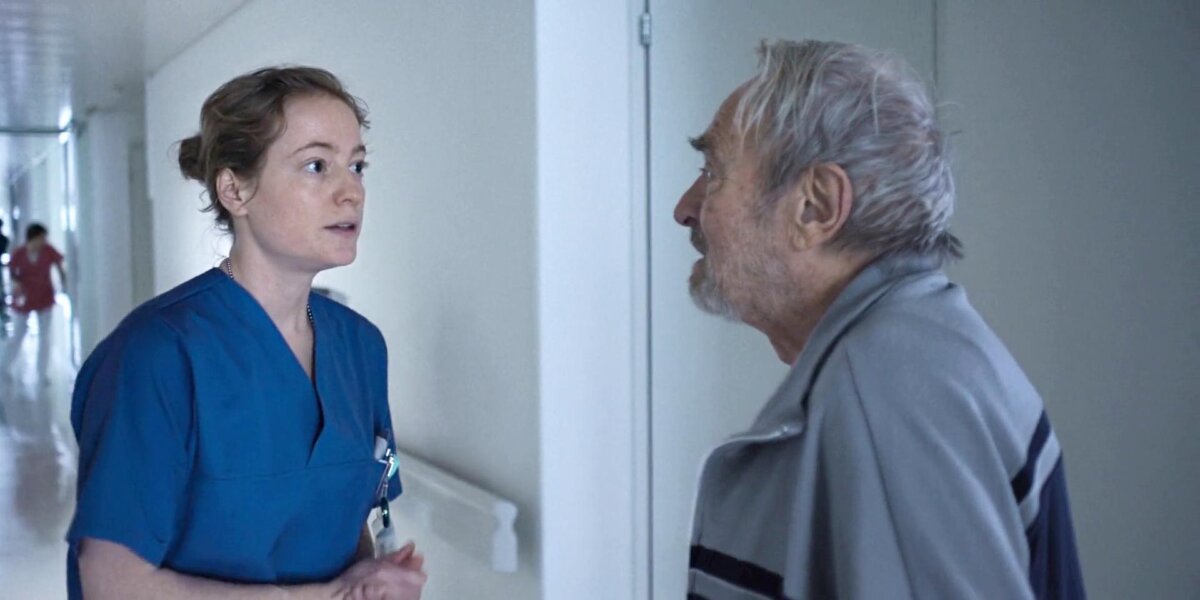
With only two nurses on her assigned floor, there’s only so much Flo can do. She can’t be, as some scenes tragically show, in two rooms simultaneously. She must be swift, pragmatic, and even tough. She wields all that with patience, understanding, and warmth.
Caring for the Sick
Unsurprisingly, the film’s German title is “Heldin” (“Heroine”). With Flo as protagonist, it’s hard to avoid remembering her 19th-century namesake “Flo” Nightingale, whose pioneering work ennobled the nursing profession for generations.
Although German, Volpe’s film addresses a global audience. At once saluting the professionalism and resilience of health care workers, it’s no less an indictment of apathy toward them. Only a few countries allow social workers to take on the nonclinical liaison roles that nurses shoulder in most others; fewer pay nurses enough.
When Flo falters here, she’s exposing a fault line: an institution (not just an individual) under stress. Unless societies return the kindness that they receive from kind nurses, even the most thoughtful nurses may give way to bitterness and spite. How disturbing, if nurses should turn on their powerless patients.
Circulating Kindness
To use a clinical analogy, if love is like oxygen, institutions like hospitals should be like the circulatory system, which uses blood to convey oxygen from organ to organ and from the heart to the brain. If blood stills, oxygenation stops. Death, then, isn’t a probability; it’s a certainty.
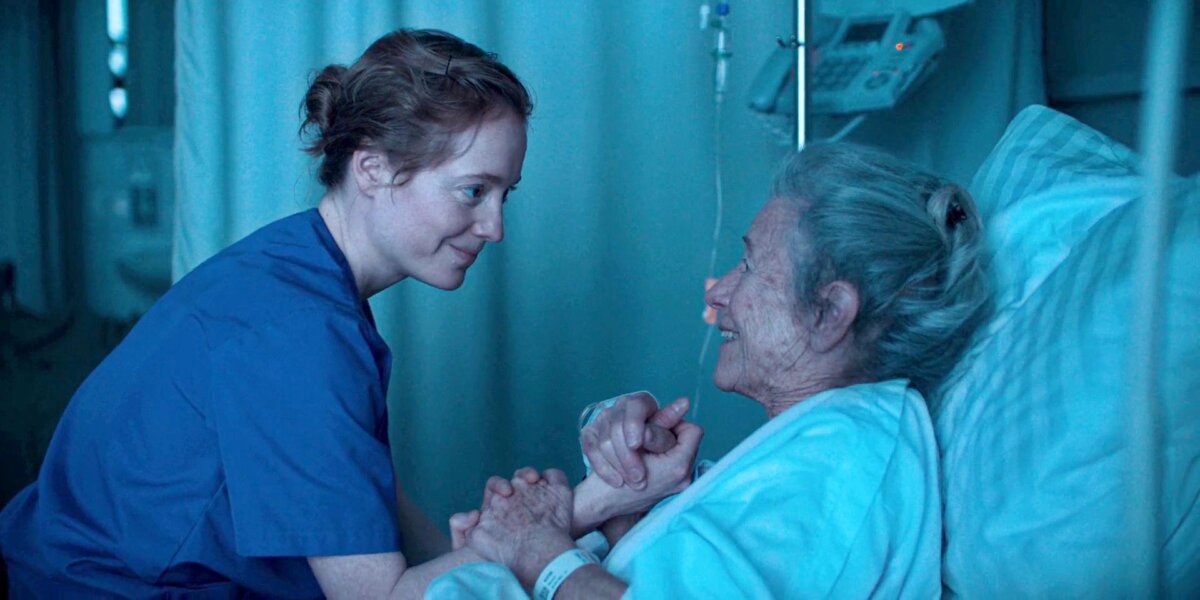
Watch Flo as she steps into each new situation. She takes a quiet breath, closes her eyes, and then musters a fresh smile each time, as if mentally erasing any unpleasantness she faced in an earlier situation.
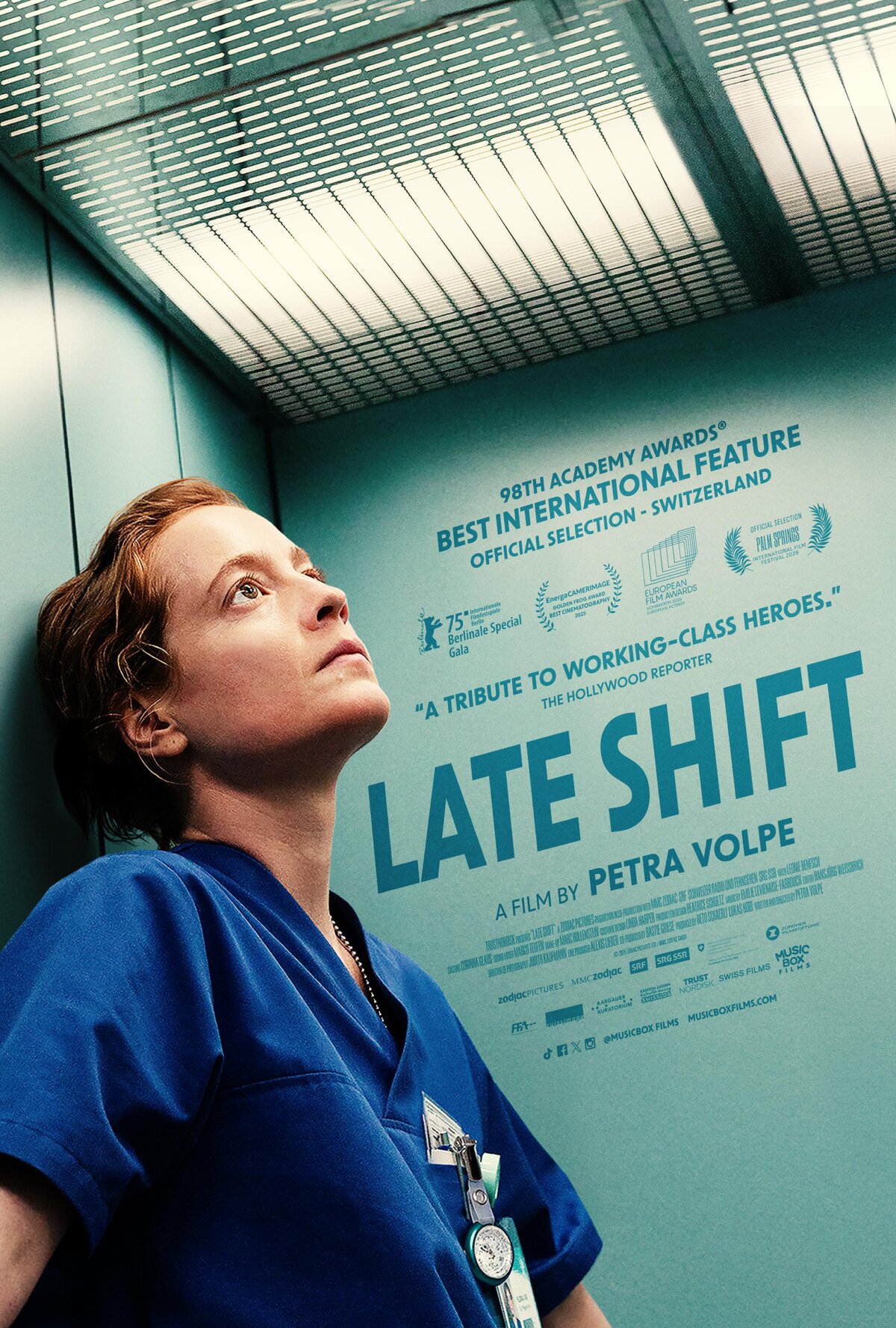
Following a harrowing exchange with a colleague, patient, or familial caregiver, she’s in the elevator alone, seemingly beaten. She backs up against the guide rail, giving herself space, as if the closing doors will magically shut out all those questions, taunts, complaints, and cries for attention.
By the time the doors open, however, she’s managed to spurn the itch toward victimhood and to reinvigorate her grateful, generous inner core instead. She smiles, determined to act from that gentle center, not from the hardened one that others have pushed her toward. Although in a system that threatens to dehumanize her, she returns each night, defiantly more human and more humane than the system demands of her.
Empathy Returned
The film doesn’t deny that care is often met with callousness, but Volpe shows that empathy is the one infection we shouldn’t mind catching. When patients return Flo’s empathy with empathy of their own, she bounces it back to them, brightening a wider circle. When they repay it with rancor, though, she finds too little fuel for continuing to be empathetic herself. Her tank quickly runs dry. It takes superhuman effort to refill it.
The film opens with two shots in sequence. First, a row of blindingly blue nursing uniforms hangs limp in the hospital laundry room, waiting to be worn. Second, Flo’s on the night bus heading to the hospital, where she’ll don one of those uniforms. Volpe is showing that we’re, at our core, human. We’re much more than our trappings, our suits, as it were. They are our professional or personal roles, our bodies, our complexion, or our sex.
The health care sector may eventually be singular in holding out against the feared future jobs siege by robotics. People in agony, who are dying or fearful of dying, don’t want to be merely cured. They want to be comforted and calmed, too.
Humans, even those paid to care, can choose to be callous. Robots, programmed to look like they care, can’t choose anything, even to look callous. Thankfully, patients can still tell when care is spontaneous, not scripted, and will prefer the former.
Watch Flo’s words, tone, and facial expressions. She brings a glow to every corridor, even when the darkness of disease and death looms. She doesn’t need a candle or lamp to light her way. She’s the light.
Check the Internet Movie Database website for plot summary, cast, reviews, and ratings. You can watch “Late Shift” Prime Video and Apple TV.
These reflective articles may interest parents, caretakers, or educators of young adults, seeking great movies to watch together or recommend. They’re about films that, when viewed thoughtfully, nudge young people to be better versions of themselves.
